20% Off for New Inquiries – Today Only!
20% Off for New Inquiries – Today Only!
The baby apparel industry is changing.
For many years, brands mainly focused on design, pricing, and production capacity when choosing suppliers. Today, more companies are looking deeper into how products are made, where materials come from, and whether manufacturing partners can support responsible growth.
This shift is especially noticeable in baby products.
Parents are paying more attention to fabric safety, product quality, and the values behind the brands they purchase. As a result, more companies are investing in eco baby clothing and looking for suppliers that understand both sustainability and commercial production.
For international brands, choosing the right baby clothing manufacturer is no longer only about finding a factory that can produce garments. It is about finding a partner that understands materials, quality standards, production efficiency, and long-term supply chain development.
Sustainable Baby Clothing Manufacturing is becoming an important direction for the baby apparel industry, from fabric selection to production methods and supplier relationships.
This article explores 7 trends changing Sustainable Baby Clothing Manufacturing and explains what brands should consider when working with a manufacturing partner.
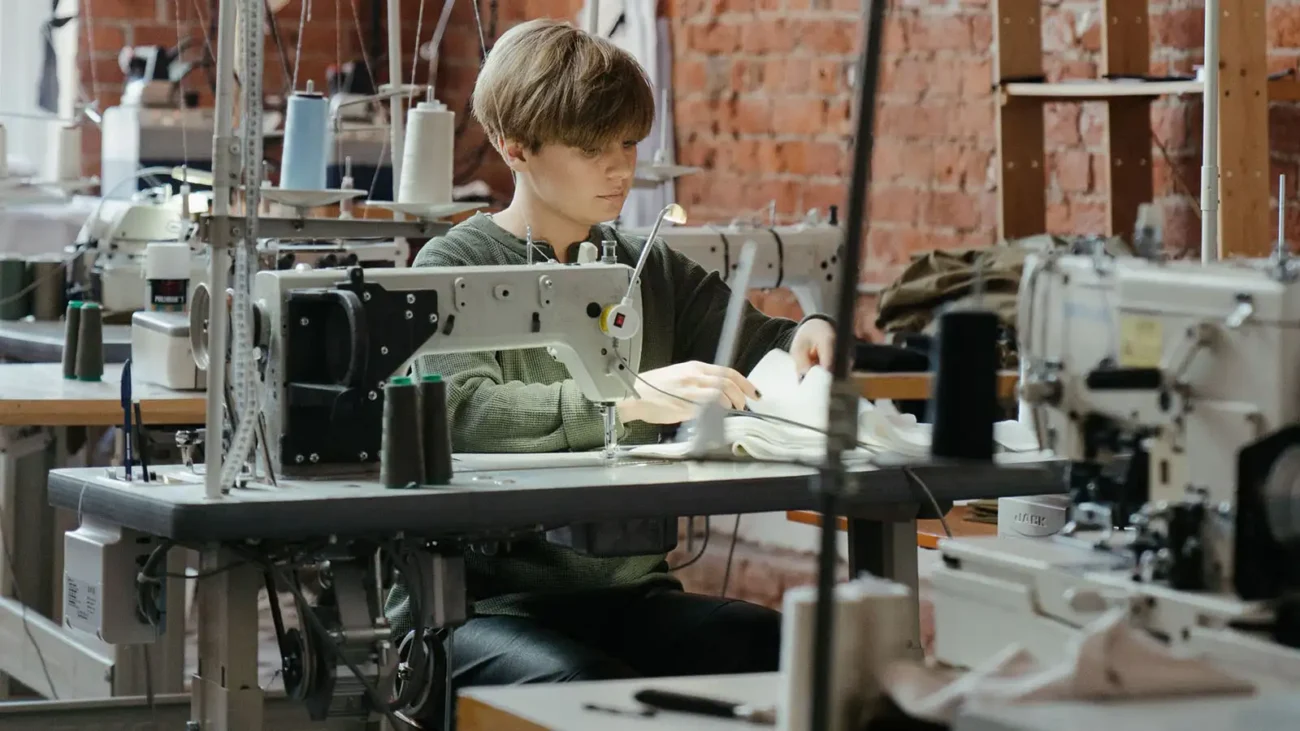
Fabric selection has always been important in baby clothing.
Unlike many adult garments, baby products are worn directly against sensitive skin. Brands need to consider softness, breathability, durability, and safety when choosing materials.
A professional baby clothing manufacturer needs to understand not only production techniques but also how different fabrics perform during manufacturing and daily use.
More brands are exploring materials such as:
Organic cotton has become one of the most popular choices for eco baby clothing because it combines comfort with responsible sourcing expectations.
However, choosing sustainable materials is not simply selecting a fabric with an environmental label.
A factory also needs to evaluate:
An experienced organic baby clothing manufacturer can help brands select materials that provide the right balance between sustainability, quality, and production feasibility.
For brands developing organic collections, the Global Organic Textile Standard (GOTS) provides information about organic textile processing and certification requirements.
The relationship between brands and suppliers is changing.
In the past, many companies focused mainly on price and production capacity. Today, brands increasingly want to understand the complete manufacturing process.
They want to know:
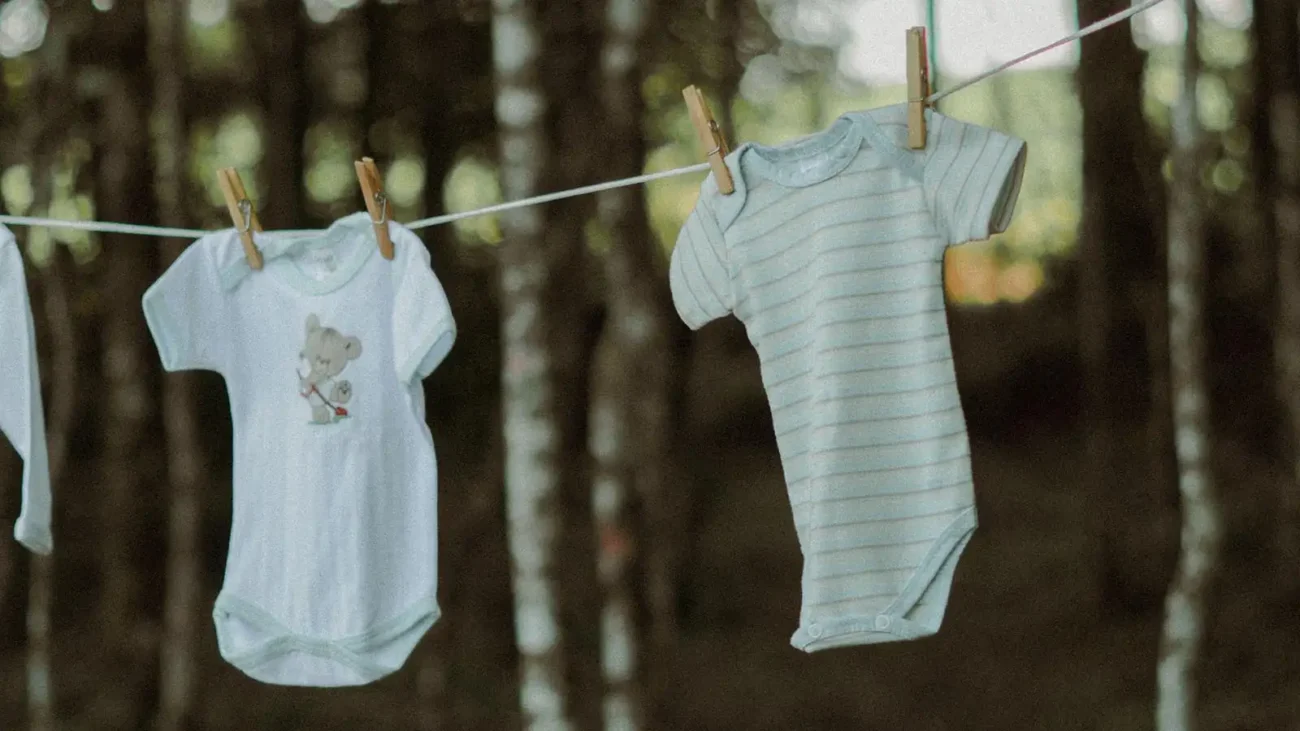
A reliable baby clothing factory China partner should provide clear communication about:
For overseas brands, transparency helps reduce risks.
For example, if a fabric issue appears during production, a factory with strong technical experience can identify the cause and suggest solutions quickly.
A professional baby clothing manufacturer does not only produce garments. They also help brands make better manufacturing decisions.
Sustainability is not only about the materials used in a product.
The manufacturing process itself also influences environmental impact and production efficiency.
Modern Sustainable Baby Clothing Manufacturing focuses on reducing unnecessary waste while improving production management.
Factories are improving areas such as:
For example, better pattern planning can reduce fabric waste during cutting.
More accurate production planning can also reduce unnecessary samples and material consumption.
For brands, sustainable manufacturing can create practical benefits:
A professional baby clothing factory China partner should continuously improve manufacturing processes instead of treating sustainability as only a marketing topic.
The growth of private label baby brands has increased demand for customized production.
Many companies want unique products that are different from mass-market designs. At the same time, they want those products to reflect responsible brand values.
A capable custom baby clothing manufacturer can support brands with:
For example, a brand may have a design concept but need help selecting between different fabric options.
One fabric may offer better softness.
Another may provide better durability or production stability.
The role of an experienced manufacturing partner is helping brands find the right balance.
A good factory does not simply follow a design file. It provides practical suggestions that make the product easier to manufacture and more suitable for customers.
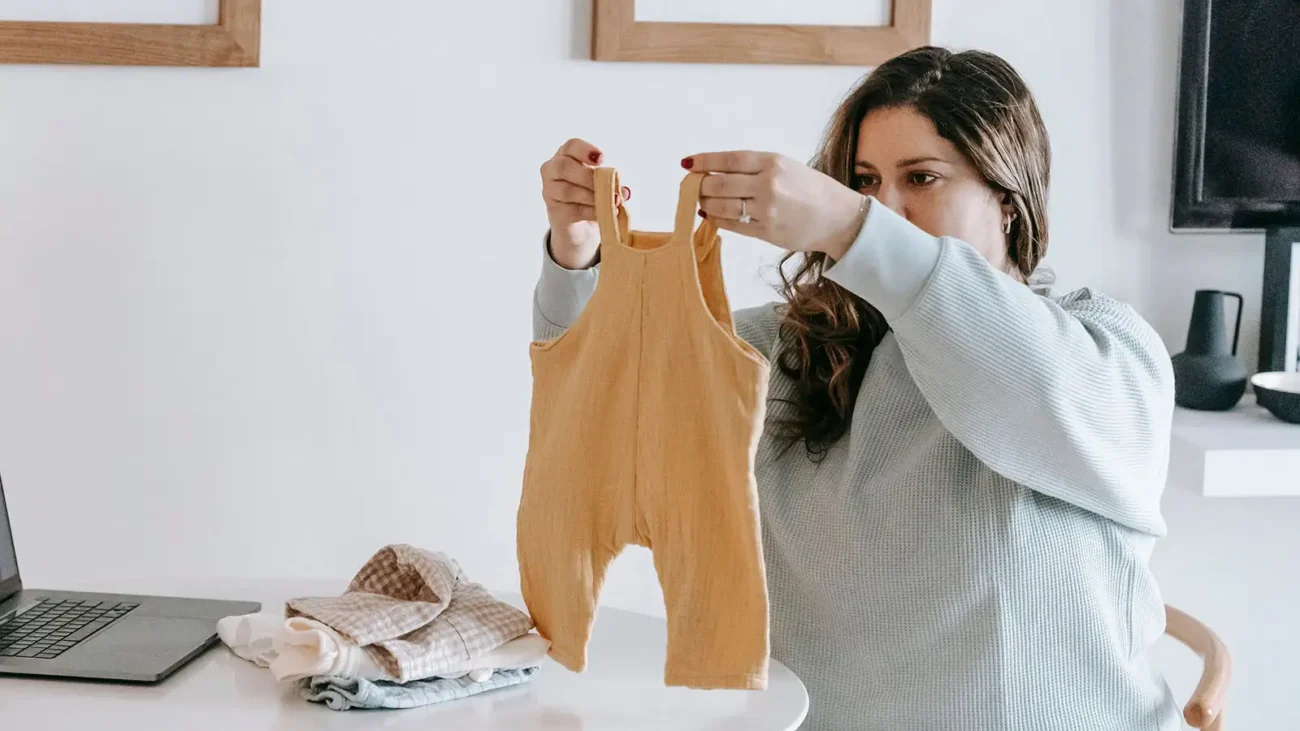
As sustainability becomes more important, certifications are becoming a common consideration during supplier evaluation.
However, certifications should be viewed as part of a bigger picture.
A certificate does not replace manufacturing experience, quality control, or communication ability.
Common standards considered by baby apparel brands include:
Brands can review OEKO-TEX textile safety standards for information about textile testing and harmful substance requirements.
For recycled materials and responsible fiber development, Textile Exchange provides industry resources and information.
When evaluating a sustainable baby clothing manufacturer, brands should look at both certifications and actual production capability.
Important questions include:
Sustainability discussions are expanding beyond garment production.
Many brands are also reviewing packaging, labeling, and product lifecycle decisions.
Companies are exploring:
For baby products, durability is especially important.
A garment that maintains quality after repeated washing creates better customer satisfaction and reduces unnecessary replacement.
A knowledgeable China Baby Clothing Supplier can help brands evaluate packaging and product decisions during development.
Sustainability is becoming a complete product strategy instead of only a material choice.
Sustainable production requires cooperation between brands and factories.
A factory needs time to understand:
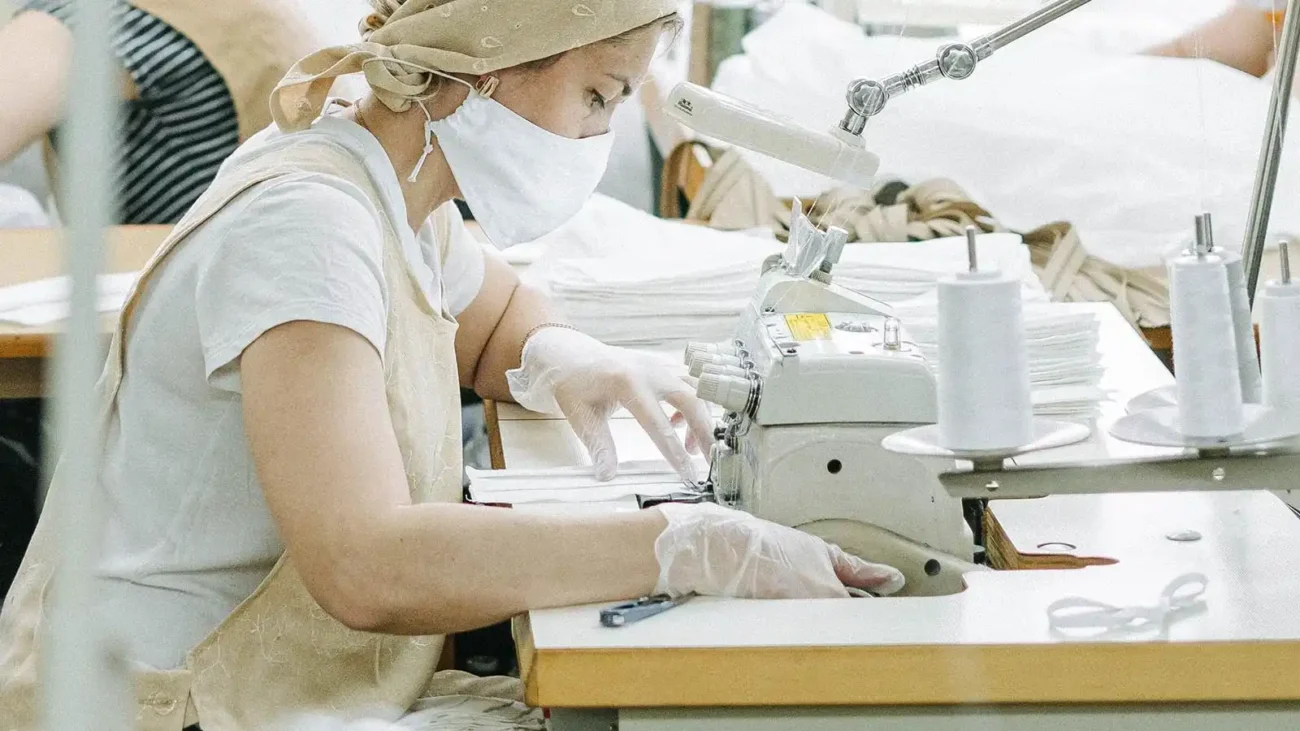
Many successful baby brands prefer working with suppliers that provide:
A long-term relationship allows both sides to improve.
After multiple projects, a factory can better understand a brand’s preferred materials, packaging requirements, and quality expectations.
A professional sustainable baby clothing manufacturer becomes more than a production supplier. It becomes part of the brand’s long-term supply chain strategy.
Building a sustainable baby apparel collection requires more than choosing environmentally friendly materials.
Brands also need a manufacturing partner that understands product development, quality control, and international market expectations.
China Baby Clothing Factory (CBCF) works with international brands on baby apparel manufacturing, product development, and customized production.
For brands developing unique collections, CBCF provides custom baby clothing manufacturing services covering sampling, material selection, and bulk production.
Brands can explore CBCF manufacturing insights to learn more about baby clothing materials, production knowledge, and industry trends.
To understand CBCF’s factory experience and manufacturing capabilities, visit CBCF About Us.
For broader apparel manufacturing solutions, brands can also explore Clothing Factory X.
Sustainable Baby Clothing Manufacturing refers to producing baby apparel through responsible material selection, improved production processes, and better supply chain management.
It covers decisions related to fabrics, manufacturing methods, quality control, and product lifecycle.
Common materials include:
The right material depends on product requirements, target markets, and brand positioning.
Brands should evaluate:
The right supplier should provide support from product development through bulk production.
Some sustainable materials and processes may increase initial costs.
However, better quality control, stronger product positioning, and improved customer trust can create long-term business value.
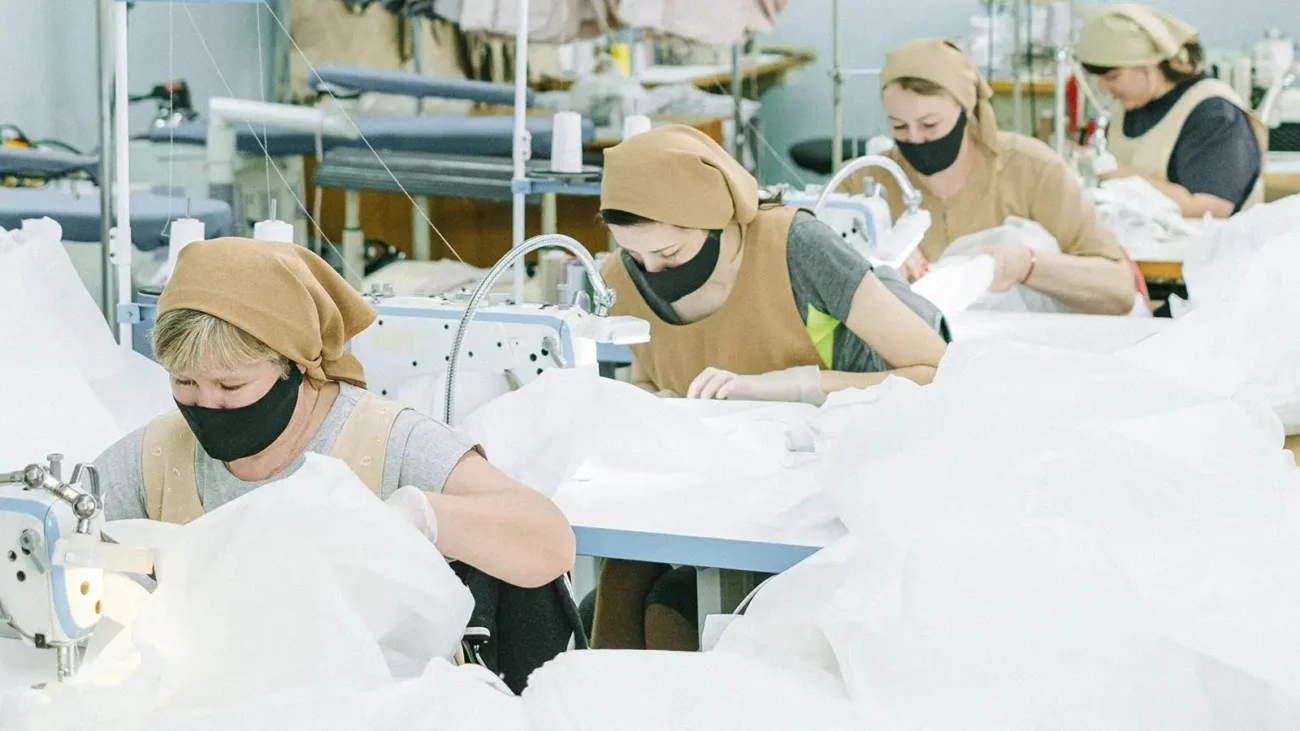
Sustainable Baby Clothing Manufacturing is changing how baby apparel brands approach product development and supplier selection.
The main trends include:
For brands, sustainability is not only about choosing a different fabric.
It is about building a complete production system with the right manufacturing partner.
A professional sustainable baby clothing manufacturer can help brands create better products, improve production efficiency, and build a stronger supply chain for the future.

 scan wechat qrcode