20% Off for New Inquiries – Today Only!
20% Off for New Inquiries – Today Only!
A baby clothing sample can look right on a factory table and still cause problems once thousands of pieces are produced.
The fabric may feel soft and match the approved color, but shrink after washing. The measurements may be close to the tech pack, while the neckline feels too tight. A print can look perfectly centered on a computer screen but sit noticeably too high on a small bodysuit.
These problems are not unusual. They are exactly why baby clothing sample inspection matters.
For an international brand, the sample is one of the last points in the development process where changes are relatively easy. Once fabric has been cut and bulk production has started, even a small correction can affect cost, delivery time, and finished inventory.
A proper sample review gives the buyer a chance to compare the physical garment with the original design, specifications, and expectations before making that commitment.
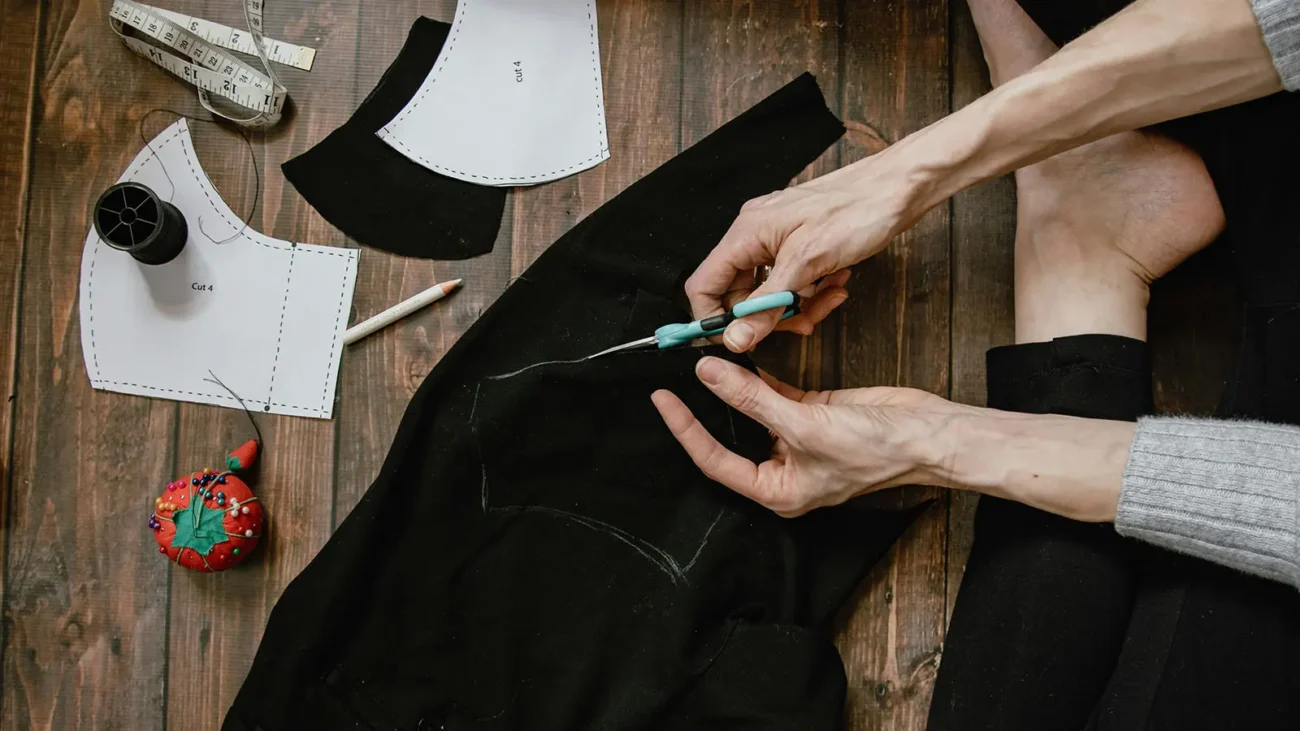
A sample is more than a visual reference. It is the physical version of the product that the buyer and baby clothing manufacturer can actually examine.
This becomes especially important when a product includes custom patterns, special fabrics, embroidery, prints, snaps, labels, or several different trims. A drawing can show the intended design, but it cannot always show how the fabric will behave or whether all the components work together.
Imagine a brand developing a new baby romper. The artwork is approved, the fabric has been selected, and the measurements look correct on paper. The first sample arrives and looks good at a glance. Then the buyer notices that the neckline sits slightly differently from the reference garment and that the snap position pulls the front panel to one side.
Those issues are manageable at the sample stage.
After 5,000 pieces have been produced, they become a much bigger problem.
For brands developing their own products, custom baby clothing development should therefore include a proper sample review before bulk production is released.
The fabric should be one of the first things examined during baby clothing sample inspection. Confirm that the sample uses the agreed composition, weight, construction, stretch, and finish. If the specification calls for organic cotton, bamboo, modal, or a particular blend, the physical sample should reflect that specification rather than simply using a fabric that looks similar.
This is easier to judge when you actually handle the garment. Feel the fabric, stretch it slightly, look at the surface under good lighting, and compare it with the approved reference. Uneven dyeing, streaks, stains, holes, loose fibers, or an inconsistent surface are worth noting before approval.
The question is not whether the fabric looks attractive on the sample. It is whether it is suitable for the finished product.
A fabric can feel soft but stretch too much. It can look smooth but lose its shape after washing. It can have the correct color but behave differently during sewing.
A reliable baby clothing factory should be able to explain the fabric specification and confirm whether the same material will be used for bulk production. For the buyer, this is also a good point to ask whether the sample fabric is exactly the production fabric or only a temporary substitute.
Once the fabric looks right, turn the garment inside out and examine the construction. This is one of the most useful parts of baby clothing sample inspection because problems hidden from the outside often become obvious around seams and stress points.
Look at the shoulder seams, armholes, crotch, neckline, cuffs, and areas where snaps or other trims are attached. Check whether the stitching is consistent, whether there are loose threads, and whether the seam construction looks strong enough for normal use.
You do not need to inspect every stitch with a magnifying glass. Focus on areas that will experience repeated movement or handling.
For example, a bodysuit deserves particular attention around the crotch and snap area, while pajamas may require more attention around the cuffs, neckline, and side seams.
An experienced baby clothing manufacturer should already understand these stress areas, but they should still be part of the buyer’s review before approval.
A garment can look correct and still have measurement problems, so compare the physical sample with the latest tech pack rather than relying on appearance.
Depending on the product, measurements may include body length, chest width, shoulder width, sleeve length, waist, leg opening, inseam, and neckline. The exact points will vary, but they should be clearly defined in the specification.
This is important because two people can measure the same garment differently if the measurement method is unclear. A buyer may measure body length from the shoulder seam while the factory measures from the neckline. Both measurements can be accurate according to their own method, yet the resulting numbers will not match.
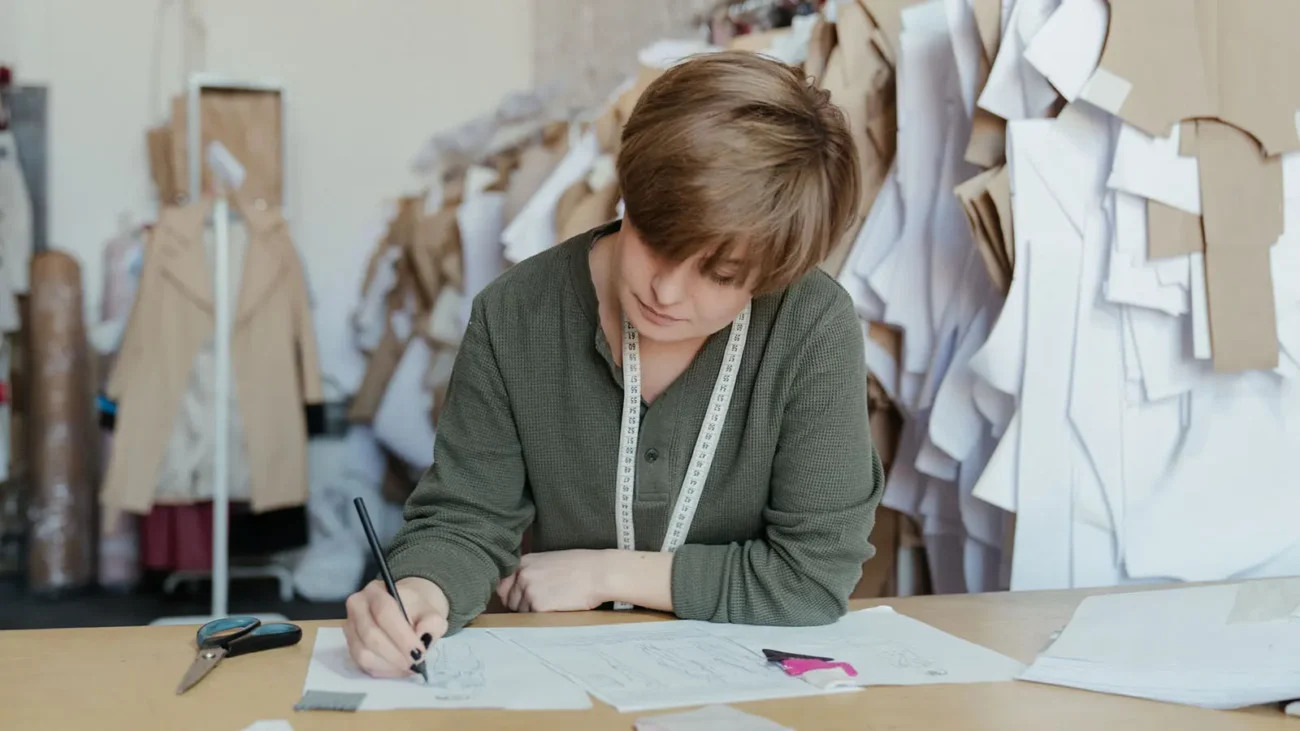
A good tech pack removes that ambiguity.
Once the basic measurements have been checked, look at the garment as a whole. Does the shoulder sit where it should? Does the neckline look balanced? Are the sleeves proportionate to the body? Does the garment keep the intended shape?
This is where baby clothing sample inspection becomes more than a technical measurement exercise. A garment can meet several individual measurements and still look wrong when all the pieces are viewed together.
If possible, use a suitable professional fitting form or an approved fitting method rather than judging the garment only while it is lying flat.
Snaps, buttons, zippers, and other closures deserve more attention than their small size might suggest.
Open and close the snaps several times. Check whether the buttons are secure and whether a zipper moves smoothly. More importantly, compare their position with the approved sample.
Consider a romper with five snaps. Four are correctly positioned, but one is a few millimeters off. The garment may still close, yet the front panel can sit unevenly. A small issue like this may not look serious on one sample, but it becomes much more noticeable when repeated across a production run.
The same applies to the trims themselves. Check the size, color, material, finish, and placement instead of automatically accepting a component that merely looks similar.
For products sold in the United States, the U.S. Consumer Product Safety Commission (CPSC) provides guidance on children’s apparel requirements, including applicable flammability, lead, testing, and certification requirements.
Safety requirements should be considered during development rather than after the production is complete. The appropriate requirements depend on the product and destination market.
Prints and embroidery should always be compared with the approved artwork on the physical sample.
A digital file can make an artwork placement look perfectly centered, but the same design may appear too high or too low once it is placed on a small baby T-shirt or bodysuit. The smaller the garment, the more noticeable a relatively small placement difference can become.
Compare the size, position, color, sharpness, and relationship between the artwork and nearby seams.
This is particularly important for brands with several products in the same collection. Customers may not consciously measure the position of a logo or graphic, but inconsistent placement can make the collection look less professional.
A careful baby apparel manufacturer should be willing to review these details during development rather than treating the artwork file as the only reference.
Color should be checked under suitable lighting, and the main fabric should be compared with the approved reference along with ribbing, trims, embroidery, and printed areas.
But there is another issue that often gets overlooked: baby clothing colorfastness.
A new brand might compare a navy fabric against a Pantone reference, approve the shade, and assume the color issue is finished. After the first few washes, however, the white collar begins turning blue.
The color was correct.
The performance was not.
This is why color approval and colorfastness should be treated as separate checks. If the product will be washed frequently, the buyer should understand how the fabric performs after washing rather than judging it only when it is new.
If the material carries an OEKO-TEX STANDARD 100 certification, buyers can also verify the certification and understand what the standard covers. OEKO-TEX explains that STANDARD 100 tests textiles for harmful substances, with requirements that take the intended use and contact with skin into account.
An experienced baby clothing manufacturer should be able to discuss appropriate fabric and color testing for the product and target market.
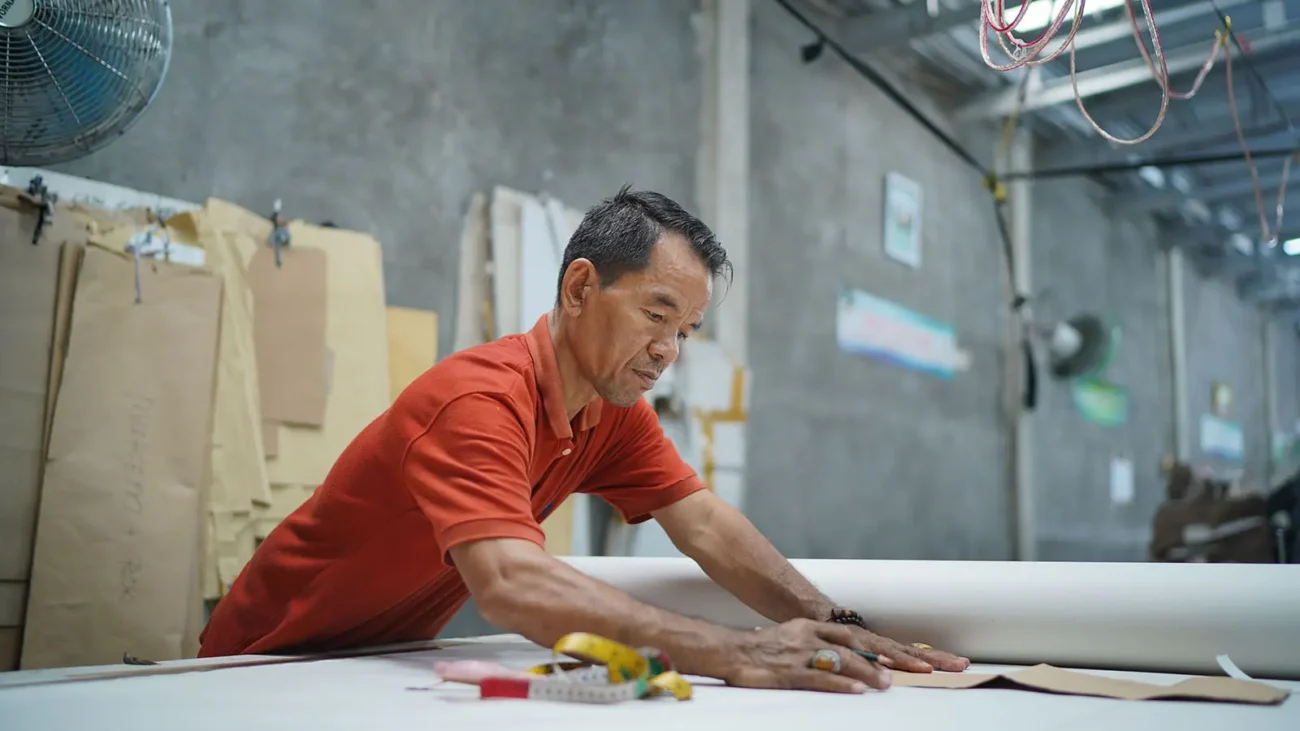
For garments that will be washed regularly, washing the sample can reveal problems that are invisible when the garment is new.
Follow the intended care instructions and compare the garment before and after washing. Pay attention to changes in length, width, shape, color, seams, prints, embroidery, and elastic recovery.
Shrinkage deserves particular attention.
A garment may measure perfectly before washing and become noticeably shorter afterward. For baby clothing, even a relatively small change can affect how the garment fits.
Washing may also reveal dye transfer, fabric distortion, fading, or changes around the neckline and cuffs.
This is an important part of baby clothing manufacturing because the finished product needs to perform in real use, not just look good immediately after production.
For the same reason, washing can be one of the most useful stages of baby clothing sample inspection when the garment is intended for frequent use.
Labels are easy to overlook because they occupy so little space, but they still need to be checked carefully.
Review the brand label, size label, care instructions, fiber composition, country-of-origin information, and other markings required for the target market. Then look at the physical placement. Is the label centered? Is it sewn securely? Is it positioned as agreed? Could the edge create discomfort?
A spelling mistake on one sample is easy to correct. The same mistake on thousands of finished garments is a different problem.
The same principle applies to fiber information and care instructions. The U.S. Federal Trade Commission (FTC) provides guidance on fiber content labeling for covered textile products in the United States.
During baby clothing sample inspection, these details should be checked before the final production version is approved, not left for the end of the manufacturing process.
After checking the individual components, take a step back and compare the complete garment with the latest tech pack, artwork, measurements, material specification, color reference, and previous sample comments.
Then ask one practical question:
Would I be comfortable receiving several thousand pieces that look exactly like this sample?
If the answer is yes, the sample is probably ready for the next stage.
If the answer is “almost,” identify what is causing that hesitation.
It might be something small, such as the sleeve length or print position. It might be something more fundamental, such as the fabric weight or overall fit.
Either way, this is the moment to address it.
Once the sample has been approved, keep a physical reference whenever possible.
Photographs are useful, but they cannot completely show fabric hand feel, stretch, thickness, or construction. If a question comes up during bulk production, the approved sample gives both sides something tangible to compare.
This becomes especially important when several sample versions have been developed.
Before a baby clothing manufacturer starts bulk production, make sure everyone is working from the same approved version of the tech pack, artwork, measurements, fabric details, and physical sample.
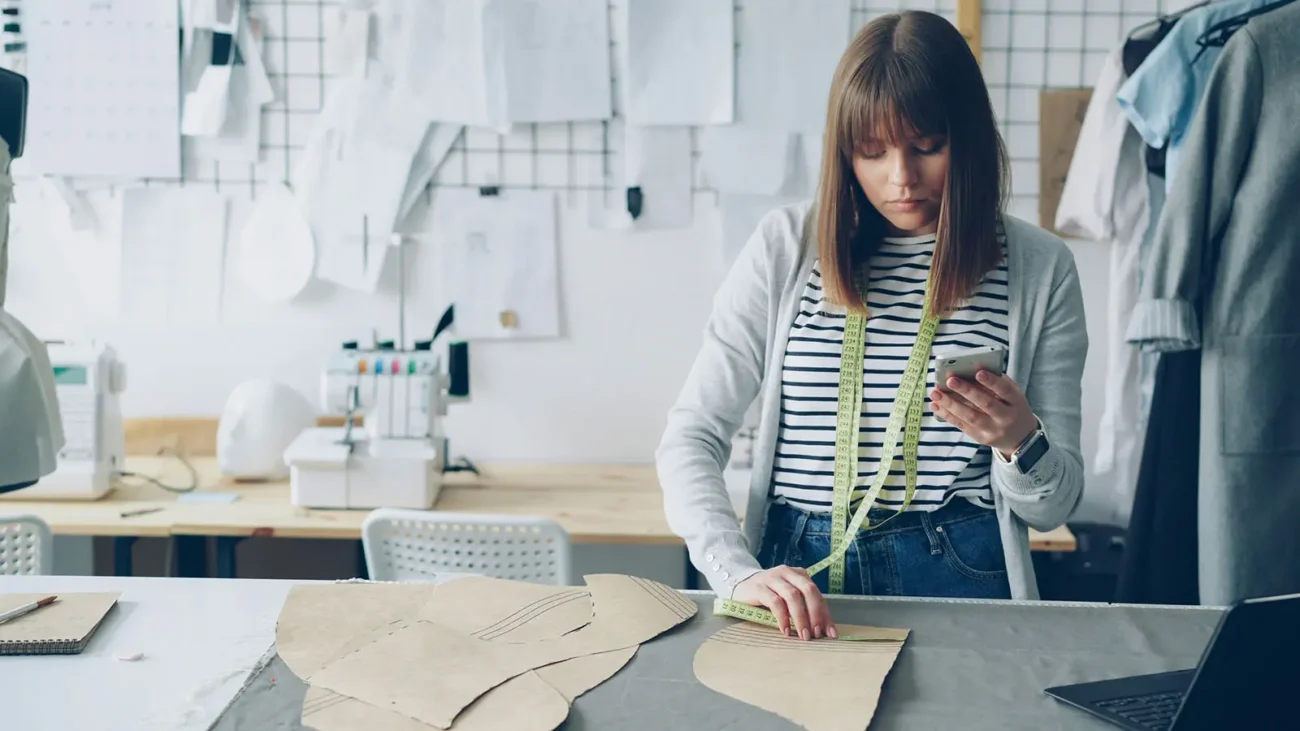
Finding a problem during baby clothing sample inspection is not a failure. It is one of the reasons the sample exists.
If the neckline is too tight, the pattern can be adjusted. If the fabric feels too heavy, another material can be evaluated. If the print is too low, the artwork placement can be corrected. If a snap does not feel right, the trim can be reviewed.
These changes are much easier before bulk production starts.
The difficult moment comes when the factory is waiting for approval, the launch date is approaching, and everyone wants to move forward. It can be tempting to say, “It looks good enough. Let’s start.”
That decision can become expensive.
If the problem is visible on one sample, producing 5,000 pieces will not make it disappear. It simply makes the correction harder and more costly.
The sample stage is where changes are still manageable.
When something needs to change, measurable feedback is much more useful than general comments.
Instead of saying, “The sleeve feels a little long,” explain that the sleeve should be reduced by 1 cm from the shoulder point. Instead of saying, “The print doesn’t look right,” specify that the print should move 1.5 cm lower from the neckline.
Specific feedback gives the baby apparel manufacturer something that can actually be applied to the next sample and makes it easier to track what changed between versions.
For brands that need support with product development, CBCF’s baby clothing customization service provides a starting point for discussing fabrics, construction, samples, and custom requirements.
Sampling should not be treated as a formality that happens immediately before production. It is part of product development.
A sample can reveal that a pocket is too small, a fabric does not hold the intended shape, or a seam sits in an awkward position. These discoveries are useful because they give the brand and factory a chance to improve the product before committing to bulk quantities.
An experienced baby clothing factory should be able to discuss practical improvements rather than simply reproduce every line of a drawing without question.
Good baby clothing manufacturing is not only about sewing the approved pieces together. It also depends on whether the manufacturer can identify practical production issues before they become expensive problems.
You can also explore CBCF’s manufacturing insights for additional information about baby clothing development, materials, and production.
The quality of sample development depends partly on the manufacturing partner.
For brands focused specifically on baby clothing, China Baby Clothing Factory provides a dedicated resource for baby apparel development and production.
For broader apparel programs, Clothing Factory X (CFX) covers a wider range of garment manufacturing categories.
Brands developing products for older children can also use China Kids Wear Factory for kidswear manufacturing.
For bibs, blankets, baby textile accessories, and related products, China Baby Accessories Factory provides a specialized manufacturing resource.
For brands coordinating wider sourcing and export requirements, Joyo Roy can provide additional supply chain support.
If you want to understand more about the company behind the production service, CBCF’s About Us page provides additional background on its manufacturing capabilities and experience.
The goal is not simply to find a supplier capable of making one good sample.
The real test is whether that supplier can reproduce the approved sample consistently when the order moves into bulk production.
Good baby clothing sample inspection is not about trying to reject a sample. It is about removing uncertainty before production becomes expensive.
The best time to discover that a fabric shrinks too much, a neckline is uncomfortable, a snap is poorly positioned, or a print is misplaced is when there is still only one sample on the table.
Once the sample has been checked, tested, and approved, it becomes more than a development piece. It becomes the physical standard for the bulk order.
For an international brand, that is the real value of sampling: making sure the garment on the table is good enough to become the standard for the thousands of garments that come next.

 scan wechat qrcode