20% Off for New Inquiries – Today Only!
20% Off for New Inquiries – Today Only!
Starting a baby clothing brand usually begins with a product idea, not a production plan. You may have a few strong designs, a clear brand concept, and enough customer interest to move forward. Then you contact a low MOQ baby clothing manufacturer and discover that some factories still want thousands of pieces before they will start production.
For an established brand, ordering several thousand pieces may be routine. For a new brand, it can be a risky commitment. You may have no reliable sales history yet, and you may not know whether customers will prefer the bodysuit in cream, the romper in blue, or the pajamas you thought would be the strongest product.
That is where low MOQ baby clothing manufacturing can make a practical difference. A smaller first order gives a new brand the chance to put products into the market without putting too much money into inventory before demand is proven.
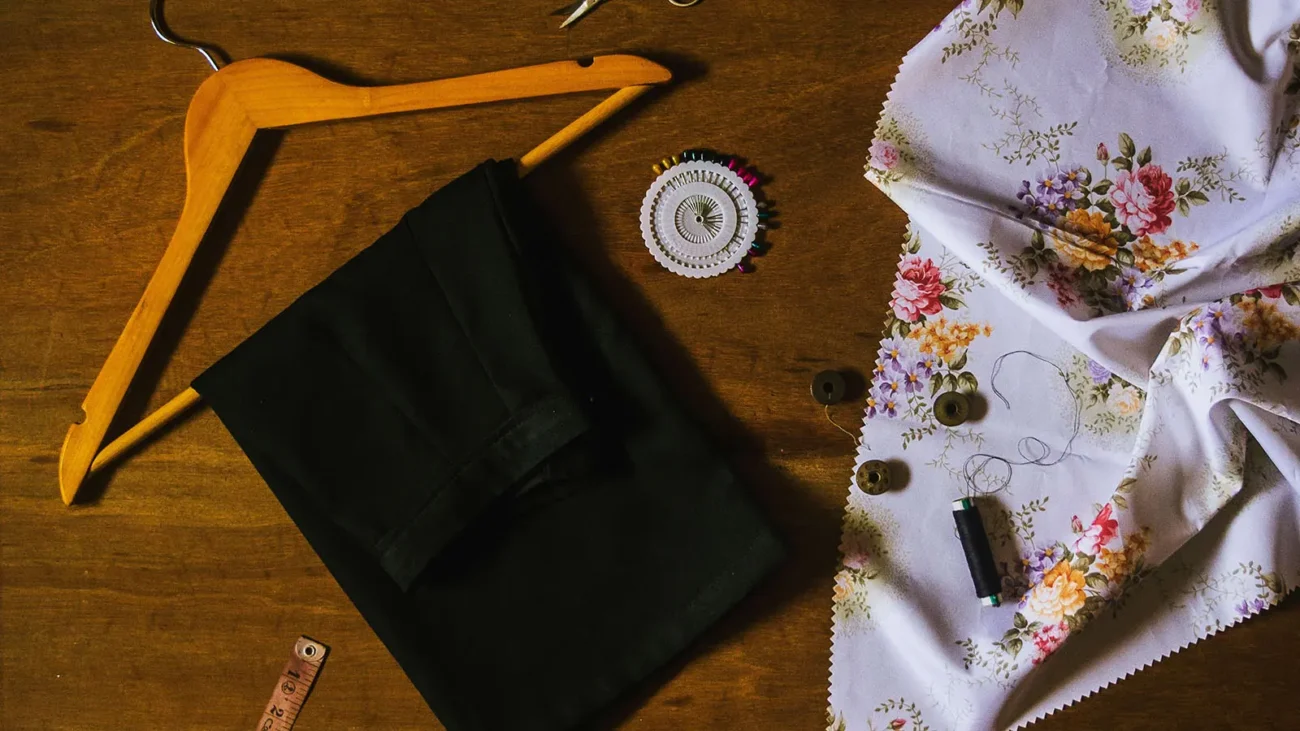
MOQ means Minimum Order Quantity, but there is no universal way for every baby clothing manufacturer to calculate it.
A baby clothing manufacturer might quote an MOQ of 300 pieces per style. Another may require 300 pieces per color. A third may accept 300 pieces for stock fabric but require a much larger quantity for custom fabric.
That difference can completely change the size of your first order.
Imagine you want one romper in three colors. If the MOQ is 300 pieces per style, you may be ordering 300 pieces total. If it is 300 pieces per color, you are ordering 900.
Before comparing quotations, ask how the MOQ is calculated. Also ask whether sizes can be mixed and whether fabric, labels, trims, and packaging have separate minimums.
Small orders are easier when the factory can use existing materials and standard production methods.
A basic cotton bodysuit is relatively straightforward. A custom romper with a special fabric, embroidery, printed artwork, custom snaps, woven labels, and individual packaging creates much more setup work.
This is why low MOQ baby clothing manufacturing is closely connected to product design. The more customized the product becomes, the more carefully you need to discuss the minimum order with your baby clothing manufacturer.
A new brand has one major disadvantage compared with an established brand: it does not have enough sales data.
You may have done market research. You may have tested your designs with friends, followers, or potential customers. But none of that tells you exactly what will happen once the products are available for sale.
Sometimes the design you expect to be the bestseller is not.
A simple bodysuit may outperform a more complicated outfit. One color may sell three times faster than another. Customers may love the fabric but dislike the fit.
If you ordered 3,000 pieces before learning any of this, changing direction becomes expensive.
Suppose you launch three styles with 500 pieces each. After the first few months, one style has sold 400 pieces while another has sold only 120.
Your next production order does not have to repeat the original quantities.
You can increase the strong seller, adjust the weaker design, change the colors, or stop producing a product that is clearly not working.
That is one of the strongest arguments for low MOQ baby clothing manufacturing. The first order gives you inventory, but it also gives you information.
For a startup, working with a low MOQ baby clothing manufacturer can make this testing stage much less financially demanding.
Factory quotations can make this easy to forget.
A supplier may offer a lower price if you order 3,000 pieces. On paper, that looks like the better deal.
But suppose your brand sells 150 pieces a month. You now have roughly 20 months of inventory before considering new designs, seasonal changes, damaged stock, or slow-moving sizes.
The extra inventory has a cost even if the factory price was excellent.
Your money is sitting in boxes instead of being available for photography, advertising, packaging, shipping, website development, or your next product.
A smaller order with a slightly higher unit cost can sometimes be the more sensible option. This is one reason a flexible baby apparel manufacturer can be more useful to a new brand than a factory focused almost entirely on very large production runs.
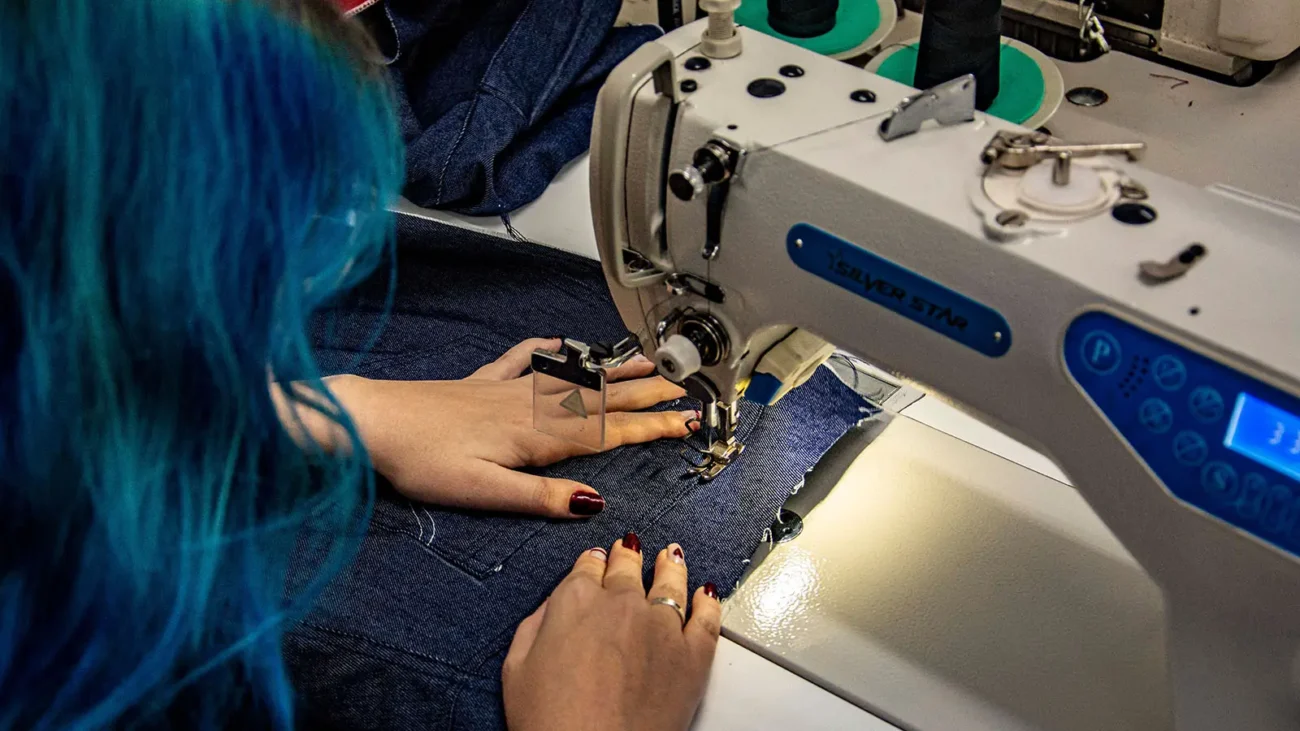
When evaluating a baby clothing manufacturer, look beyond the quoted piece price. Check sample fees, development costs, fabric minimums, trims, labels, packaging, shipping, inspection, and reorder terms.
A factory charging $4.20 for 500 pieces may be a better fit for a startup than a factory charging $3.60 for 3,000 pieces.
The second factory is cheaper per garment. The first may be much easier on your actual cash flow.
This is an important consideration in baby clothing manufacturing, where production volume can affect not only unit price but also material purchasing and production scheduling.
This is one of the details new buyers often discover late.
The factory may agree to make 300 garments, but the fabric mill may require a much larger quantity for a custom fabric.
For example, you might need only 400 meters for your first production run while the fabric supplier requires 1,500 meters. The manufacturer then has to absorb the excess material, pass some of the cost to you, or suggest another fabric.
None of these options is necessarily wrong. The problem is discovering the issue after the sample has already been approved.
If you are starting with a small order, ask the low MOQ baby clothing manufacturer whether suitable fabrics are already available.
Stock fabrics can make a surprisingly big difference. You may have fewer color choices, but you can avoid creating a separate fabric production run.
For a first collection, that compromise may be worthwhile. Once a product is selling consistently, you can move toward custom colors, custom finishes, or completely custom fabric development.
A good baby apparel manufacturer should be able to explain the difference between stock materials and custom material production before you commit to the order.
MOQ and sampling should not be treated as two separate conversations.
A factory may accept a small order, but if it struggles to develop your product correctly, the low MOQ has little value.
During sampling, pay attention to how the manufacturer handles changes. If the neckline is wrong, is it corrected in the next sample? If the fabric feels too heavy, does the factory offer a realistic alternative? If the label position is incorrect, does the production team understand the correction?
You are not looking for a perfect first sample. You are looking for evidence that the factory can take a design through development and into production.
For a baby clothing manufacturer, this development stage is also an opportunity to identify production problems before they affect a larger order.
A practical process is:
Design → Sample → Revision → Approval → Small Production Run → Market Feedback → Reorder
That process works particularly well for new brands because each order can improve the next one.
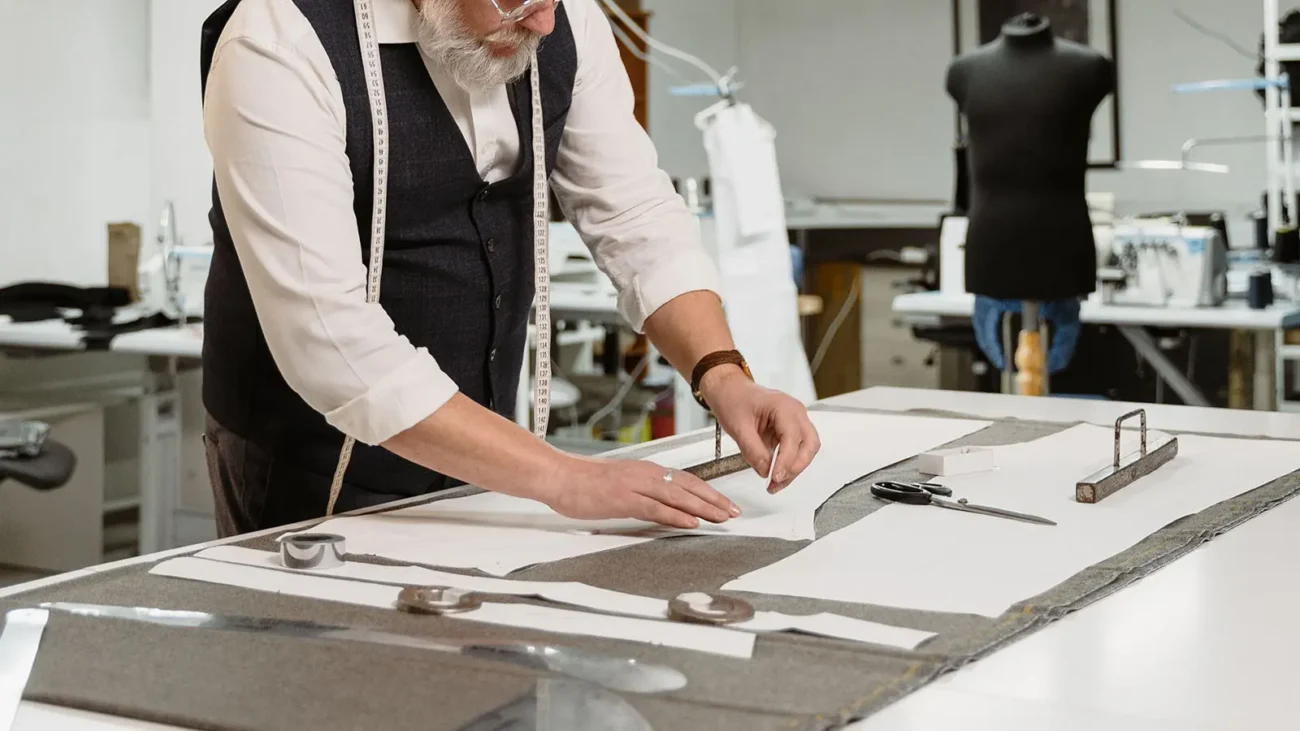
Do not rely on the number shown on a supplier’s website.
Ask the manufacturer to explain it in relation to your actual product.
For example:
These questions become important quickly when a collection contains multiple sizes and colors.
A baby apparel manufacturer that explains these details clearly is usually easier to plan with than one that simply advertises a very low number.
For buyers comparing low MOQ baby clothing manufacturing suppliers, the details behind the MOQ often matter more than the headline number.
A low MOQ does not compensate for poor manufacturing.
You still need consistent quality, reasonable lead times, accurate sampling, reliable material sourcing, and clear communication.
When comparing a baby apparel factory, look at the production system rather than the MOQ alone. A factory experienced in baby clothing manufacturing should be able to explain how smaller orders are handled without making unrealistic promises.
| Factor | What to Check |
|---|---|
| MOQ | Per style, color, fabric, or total order? |
| Samples | Can the factory make and revise custom samples? |
| Materials | Are suitable fabrics available for small runs? |
| Quality | Is inspection performed on smaller orders? |
| Lead time | Can the order be scheduled without excessive delay? |
| Customization | Can labels, prints, trims, and packaging be added? |
| Reorders | Can successful products be reproduced efficiently? |
| Communication | Are limitations explained before production? |
A factory producing 10,000 pieces a month is not automatically a better partner than one producing smaller quantities. What matters is whether its production model fits your order and whether it can maintain the quality you need.
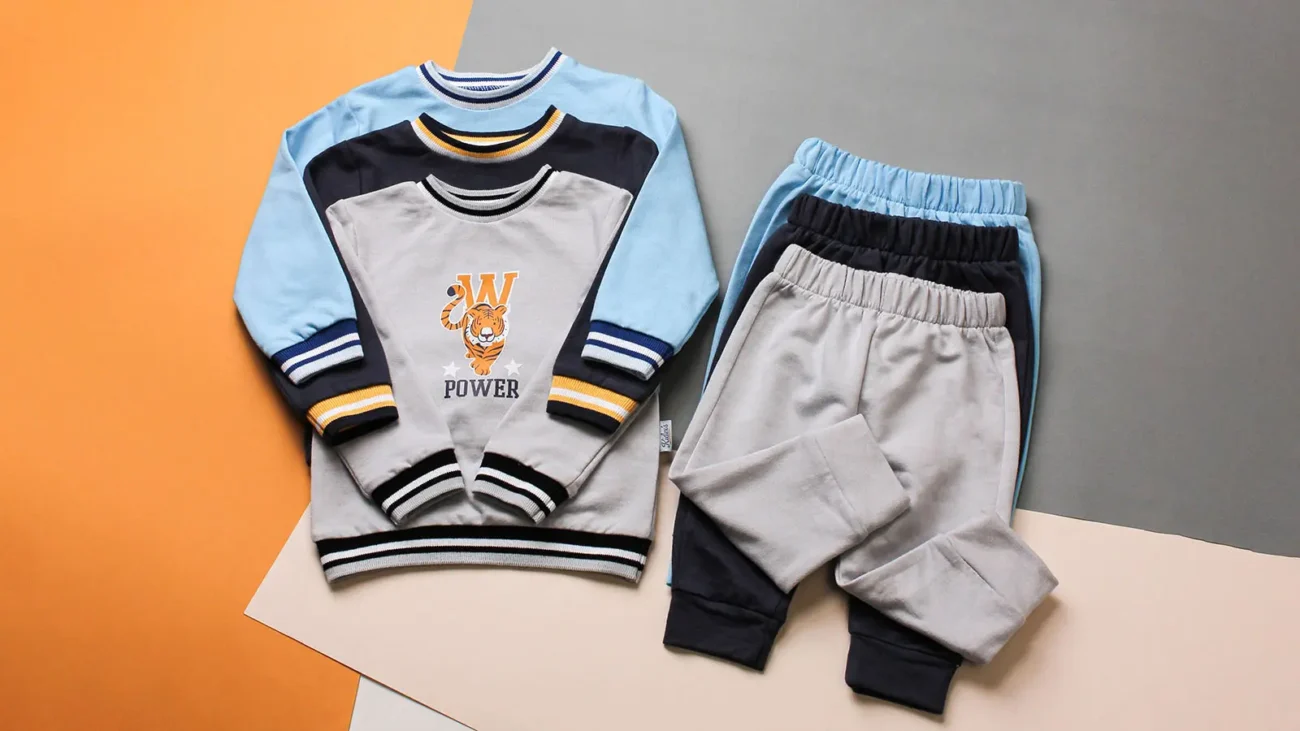
Low MOQ is most useful while your products are still being tested.
Once sales become predictable, larger orders can be more efficient. If one style consistently sells 500 pieces every month, producing only 200 or 300 pieces at a time can leave you repeatedly waiting for replenishment.
At that stage, buying more at once may reduce the unit cost and simplify production planning.
The decision should come from your sales data.
Look at how quickly each style sells, how much stock remains, how long the factory needs for another production run, and how much cash you can comfortably put back into inventory.
There is no reason to keep ordering tiny quantities simply because a factory offers them.
A capable low MOQ baby clothing manufacturer should also be able to discuss how production can scale when your order volume increases.
The real advantage of low MOQ baby clothing manufacturing is not that you can buy fewer garments.
It is that you can make decisions in smaller steps.
You can test three styles instead of betting everything on one. You can see which colors actually sell. You can discover that one size needs adjustment. You can improve the next order using information from real customers rather than assumptions made before launch.
That can be especially valuable in baby clothing, where a collection may include several sizes, colors, fabrics, and product types.
A good baby apparel manufacturer should be able to support that progression rather than treating your first order as a one-time transaction.
The same principle applies to baby clothing manufacturing more broadly: production volume should follow demand instead of forcing a new brand to predict demand years before it has reliable sales data.
For a new baby clothing brand, MOQ should match what you know about your market.
If you already have strong sales data, a large production run may be the obvious choice. If you are launching your first collection, tying up a large amount of cash in untested inventory can create problems that a lower unit price will not solve.
When comparing low MOQ baby clothing manufacturing options, ask how the minimum is calculated, whether fabrics and trims have separate requirements, how samples are developed, and what happens when you need to reorder a successful product.
For brands developing custom baby clothing, CBCF’s customization service provides information about product development, sampling, and customization.
You can also explore CBCF’s manufacturing insights for more information about baby clothing production.
For broader apparel manufacturing, Clothing Factory X (CFX) provides additional manufacturing resources. Brands working across children’s apparel can also explore China Kids Wear Factory, while China Baby Accessories Factory covers related baby textile products.
The right factory is not necessarily the one with the lowest MOQ.
It is the one that can produce a manageable first order, maintain the required quality, and increase production with you when the numbers finally justify it.

 scan wechat qrcode