20% Off for New Inquiries – Today Only!
20% Off for New Inquiries – Today Only!
A factory can send you a competitive quotation within a few hours. Its website may show a clean workshop, finished garments, production lines, and plenty of factory photos. The sales team may also tell you that your design, fabric, packaging, and delivery schedule are all possible.
That is a good start, but it is not enough to Verify Baby Clothing Factory capabilities.
For an international brand, choosing a supplier involves much more than comparing prices. If you want to Verify Baby Clothing Factory capabilities properly, you need to know who will actually make the garments, whether the factory understands your product, how samples are developed, how materials are controlled, and what happens when something goes wrong during production.
Before placing a large order, these are the checks worth making.
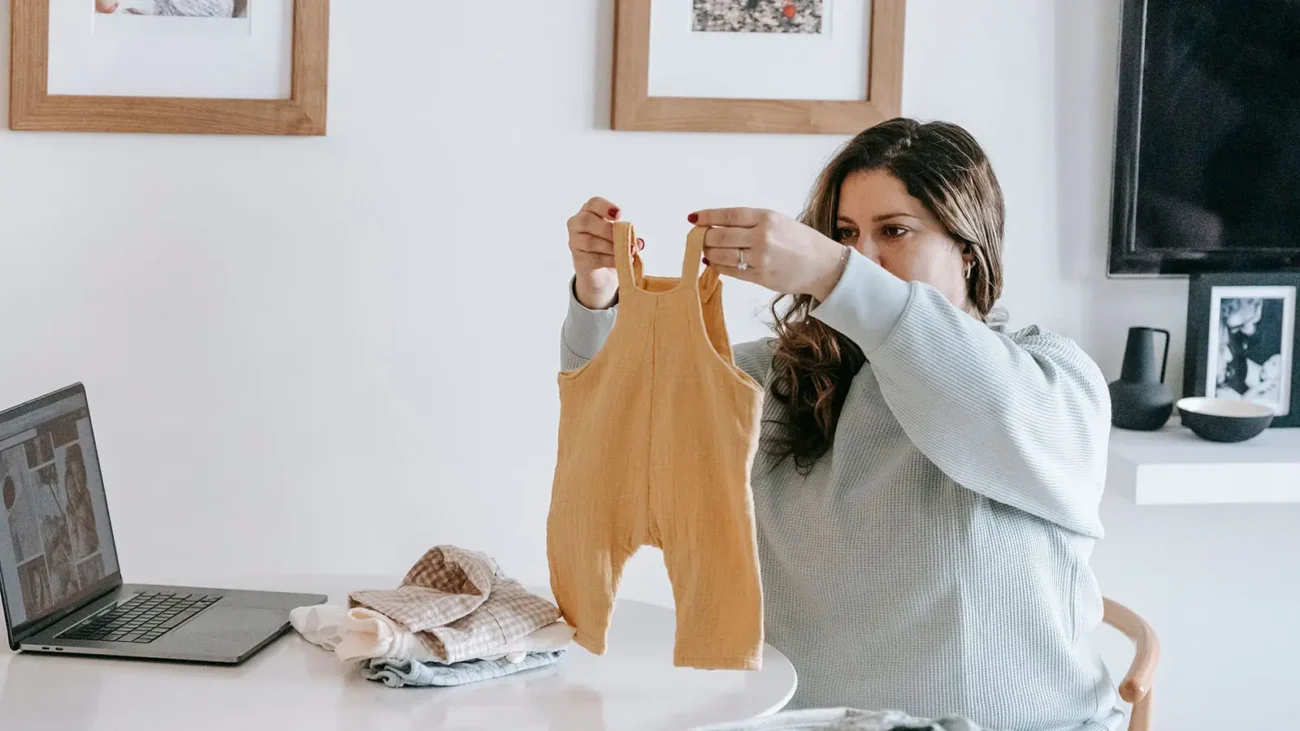
The first question is simple: is the company you are talking to the manufacturer, an export company, or a trading company working with another factory?
None of these business models is automatically a problem. The important thing is knowing exactly who is responsible for your order.
A supplier might tell you that it has a factory in China, while your actual production is handled by another facility. That can make communication, quality control, and production scheduling more complicated than expected.
When you Verify Baby Clothing Factory information, look at the company’s address, factory information, production photos, and business details together. They should tell a reasonably consistent story.
Then ask where your garments will actually be produced.
If cutting, sewing, printing, embroidery, finishing, and final inspection are split between different facilities, you should know this before approving the order.
A reliable baby clothing manufacturer should be able to explain its production process clearly.
You should understand who develops the samples, where the garments are sewn, which processes are outsourced, and who is responsible for final inspection.
You do not need to inspect every machine in the factory. You simply need to understand who will turn your specifications into finished garments.
For brands looking for a specialized production partner, China Baby Clothing Factory focuses on baby clothing development and manufacturing.
A factory can have many years of general apparel experience and still have limited experience with baby products.
Baby clothing comes with its own production considerations. Small garment dimensions leave less room for measurement errors. Soft fabrics can behave differently during sewing, while snaps, elastics, labels, prints, and other trims need careful handling.
When you Verify Baby Clothing Factory experience, do not ask only how long the company has been operating. Look at what it has actually produced.
If you are developing baby rompers, has the supplier made similar garments? If you need baby sleepwear, does it regularly work with comparable fabrics and construction? If you provide your own tech pack, can its development team work from it?
An experienced baby apparel manufacturer should be able to discuss these details with practical examples rather than relying entirely on a company introduction.
A long product catalog does not necessarily prove manufacturing experience.
A supplier may show T-shirts, jackets, dresses, pajamas, and dozens of other garments on its website. What matters is whether it regularly produces products close to yours.
This is particularly important for brands developing a new collection. A factory already familiar with your product type is more likely to recognize potential production problems before they become expensive.
The first sample is not just for checking whether you like the finished garment.
It is also a test of the manufacturer’s ability to follow instructions.
Suppose your tech pack specifies the fabric weight, neckline measurement, snap position, label placement, and artwork location. The finished sample gives you a chance to see whether those details were actually understood.
Check the garment from both sides. Compare measurements with your specification. Examine the seams, closures, labels, print placement, and finishing. If the garment will be washed frequently, wash the sample and compare it afterward.
This is one of the most practical ways to Verify Baby Clothing Factory capabilities before committing to bulk production.
The question is not simply:
“Does this sample look good?”
The better question is:
“Can this factory turn my specifications into a consistent physical product?”
The first sample does not have to be perfect. Custom development often requires several revisions.
What matters is how the supplier responds to your comments.
If the sleeve is too long, does the next sample use the correct measurement? If the fabric is too heavy, can the factory suggest a suitable alternative? If the artwork is misplaced, is the problem actually corrected?
This process can reveal more about a baby clothing manufacturer than a polished sales presentation.
For many brands, the revision stage is where they can really Verify Baby Clothing Factory performance before committing to thousands of pieces.
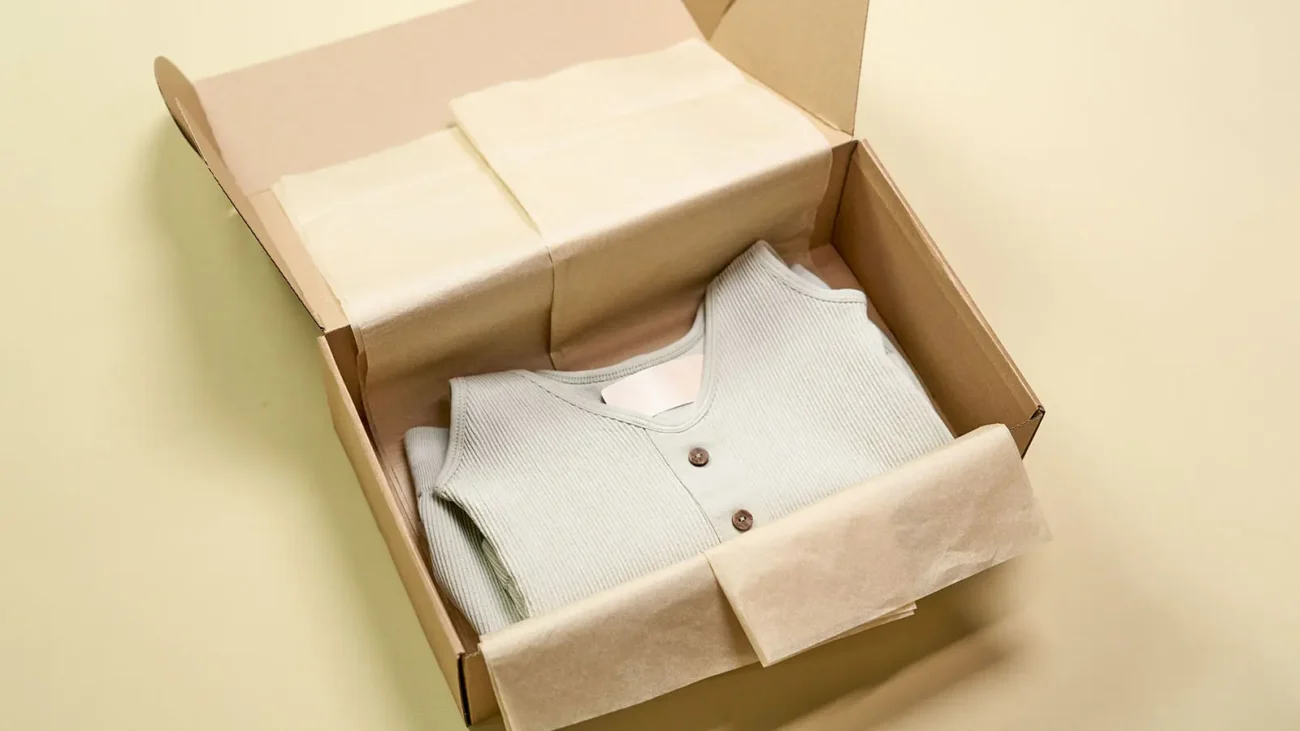
“100% cotton” is not a complete fabric specification.
Two cotton fabrics can feel very different and behave differently after washing. Weight, knitting structure, stretch, shrinkage, surface finish, and colorfastness can all affect the final garment.
For baby clothing, these differences matter.
Before approving the supplier, make sure the fabric composition and specifications are clear. Depending on the product, you may need information about fiber content, GSM, construction, stretch, shrinkage, finishing, and colorfastness.
If a specific certification is required, ask for supporting documentation instead of relying on a certification logo displayed on the supplier’s website.
For textiles covered by OEKO-TEX claims, buyers can review the OEKO-TEX STANDARD 100 requirements and certification information directly from OEKO-TEX.
This is an easy detail to overlook.
Sometimes a factory uses an available fabric for the first sample because the bulk fabric has not arrived yet. That can be acceptable if the difference is clearly communicated.
The problem begins when the buyer approves one material and receives another in bulk.
Before sample approval, clarify exactly which fabric will be used for production and whether the approved sample represents the final material.
A professional baby clothing manufacturer should be able to explain how bulk fabric will be controlled against the approved reference.
This is another reason to Verify Baby Clothing Factory details before approving the production sample rather than relying on the quotation alone.
Most factories have a quality control process.
The more useful question is what that process actually looks like.
Imagine that the bulk fabric arrives with a shade variation. If nobody notices before cutting, the same problem can appear across hundreds or thousands of garments.
The same applies to measurements. If the wrong pattern version reaches the sewing line, the mistake becomes much more expensive to fix after production is complete.
Good baby clothing manufacturing therefore requires quality checks throughout production, not just a final inspection at the packing stage.
You can learn a lot by asking about problems rather than asking whether the factory has a QC department.
Who identifies defects?
Who decides whether production should continue?
Is the buyer informed?
How are defective materials or garments separated?
A capable baby apparel factory should have a practical process for handling these situations.
You are not looking for a supplier that claims to have zero problems. You are looking for one that knows how to identify and contain problems before they spread.
If you want to Verify Baby Clothing Factory quality control, these practical questions are often more useful than simply asking for a list of inspection procedures.
You may receive a quotation saying that the factory can produce 200,000 or even 500,000 pieces per month.
That sounds impressive, but the number alone does not tell you whether the factory can produce your order on time.
A factory may have the equipment and workforce for high-volume production while having no available production slot during your required period.
A basic T-shirt program and a complicated baby romper also consume production resources differently.
Custom fabrics, embroidery, special trims, multiple construction details, and additional inspection requirements can all affect the schedule.
Ask when your production can realistically begin after sample approval.
Then consider the complete timeline, including fabric sourcing, fabric inspection, cutting, sewing, finishing, quality inspection, and packing.
A reliable baby apparel manufacturer should be willing to discuss a realistic production schedule rather than simply promising the fastest possible delivery.
Sometimes a supplier saying, “We need two additional weeks because the fabric is not ready,” is actually giving you a more useful answer than one promising immediate production without explaining why.
When you Verify Baby Clothing Factory capacity, focus on available production time rather than the largest monthly figure shown in a company profile.
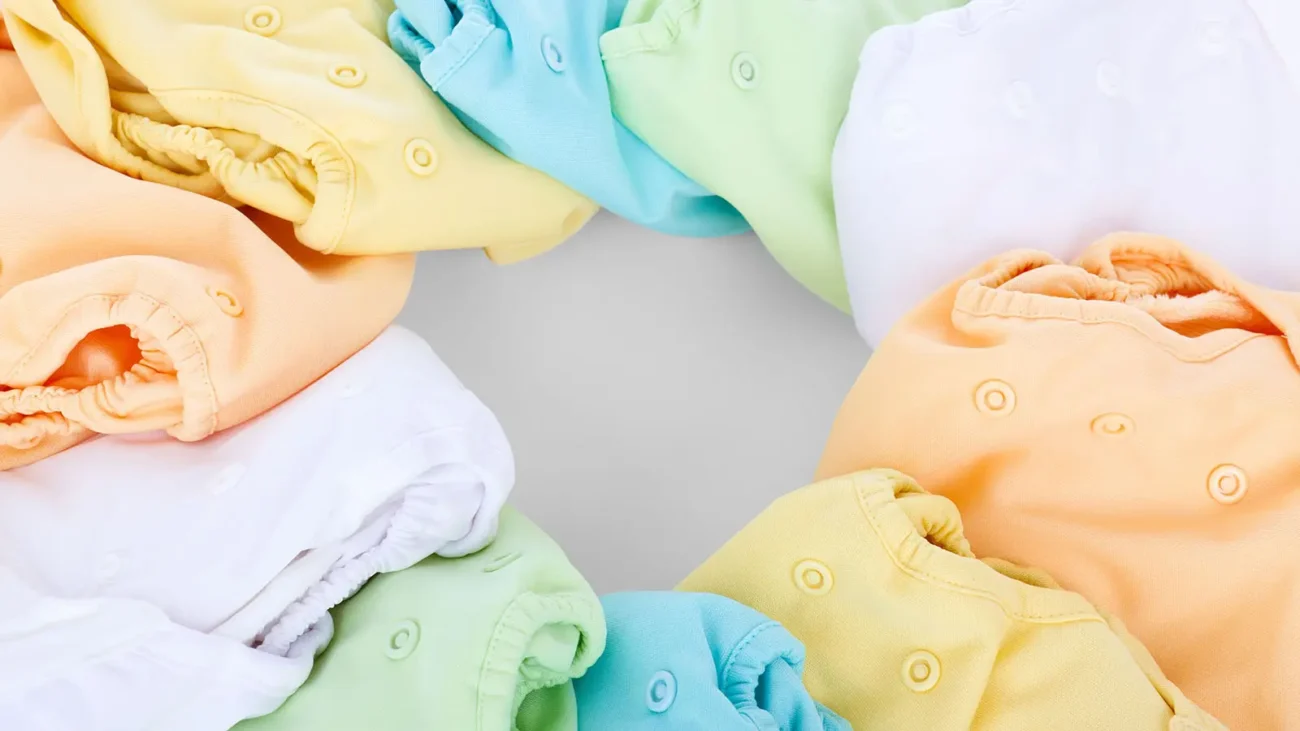
MOQ often looks straightforward on a quotation and becomes more complicated once you start discussing the actual product.
A supplier might quote an MOQ of 500 pieces.
But does that mean 500 pieces per style?
Per color?
Per fabric?
What happens if you need five colors or a custom fabric?
These details can significantly change the real cost of launching a product.
For a growing brand, the conversation about MOQ should happen before the purchase order.
A factory optimized for very large orders may not be the best fit for a brand testing new products.
Another baby apparel factory may be more comfortable with smaller initial orders followed by larger repeat production.
The lowest MOQ is not automatically the best option.
What matters is whether the factory’s production model fits your business and whether it can support you as order volumes change.
Before you Verify Baby Clothing Factory suitability, consider not only your first order but also what future repeat orders may look like.
Compliance requirements vary depending on the destination market and the type of baby clothing being sold.
For products sold in the United States, the U.S. Consumer Product Safety Commission (CPSC) provides information on children’s apparel requirements, including applicable safety, testing, certification, and flammability requirements.
The important thing is to establish responsibilities before production begins.
Which tests will the factory arrange?
Which tests need to be completed by an independent laboratory?
Who provides the material documentation?
Who checks the final labels?
Leaving these questions until the garments are already packed can create unnecessary delays.
A supplier may display several certification logos on its website, but that does not automatically mean your specific product is covered.
The certification should be relevant to the material and product, with appropriate documentation available.
The same principle applies to claims such as “organic,” “recycled,” “sustainable,” or “non-toxic.”
A trustworthy baby apparel manufacturer should be able to explain what documentation supports those claims.
If compliance is important to your market, Verify Baby Clothing Factory documentation before production rather than assuming the factory’s general certifications cover every order.
Communication may seem like a minor issue when you are comparing suppliers.
It is not.
A production order contains dozens of details: fabrics, measurements, colors, labels, artwork, packaging, inspection requirements, quantities, and delivery dates.
If communication is already unclear during sample development, managing a bulk order will probably be harder.
Pay attention to how the supplier responds to technical questions.
If you ask about fabric weight, do you receive an actual specification?
If you point out a measurement problem, does the team understand it?
If your requested delivery date is unrealistic, does someone tell you?
These small interactions reveal how the supplier works.
Try asking what would happen in a problem scenario.
For example:
“If the bulk fabric is a different shade from the approved sample, how would you handle it?”
Or:
“If finished measurements fall outside the agreed tolerance, what happens next?”
You are not looking for a perfect answer.
You are looking for a clear process.
A supplier that can calmly explain how problems are identified, reported, and corrected is often easier to work with than one that insists everything will always be perfect.
Good communication is therefore part of how you Verify Baby Clothing Factory reliability, not just a convenience during the sales process.
After checking the factory, experience, sample, materials, quality control, capacity, MOQ, compliance, and communication, step back and evaluate the supplier as a whole.
Do not let one attractive quotation or one good sample make the decision for you.
| Area | What to Verify |
|---|---|
| Factory identity | Who actually produces the garments? |
| Experience | Does the factory regularly make baby clothing? |
| Samples | Can it develop and revise your product accurately? |
| Materials | Are fabric specifications clear? |
| Quality control | What happens when defects are found? |
| Capacity | Can it meet your production window? |
| MOQ | Does the production model suit your order? |
| Compliance | Can it support your target market? |
| Communication | Are technical questions handled clearly? |
| Problem solving | What happens when something goes wrong? |
The goal is not to find a supplier that looks perfect on paper.
It is to find a manufacturing partner whose actual capabilities match your requirements.
A proper Verify Baby Clothing Factory process should therefore look at several factors together rather than treating one certification, one sample, or one quotation as proof of reliability.
Some problems are obvious.
Others appear only after you start asking detailed questions.
If the supplier cannot clearly tell you where your garments will be produced, investigate further.
If the sample is poor but the sales team repeatedly says that bulk production will be different, ask what specific process will change.
If the fabric specification remains vague, do not assume the details will become clearer after the purchase order.
And if communication is already difficult before you place the order, consider how that relationship may work once your deposit has been paid.
These issues do not automatically mean that you should reject a supplier. They mean that you need more evidence before committing.
Manufacturing has limitations.
A particular fabric may require a higher MOQ. A complicated garment may need another round of sampling. A requested delivery date may simply be too tight.
A reliable baby apparel factory should be able to tell you that.
An honest “this will take longer” can be more valuable than an immediate promise that everything is possible.
If a factory is transparent about limitations, it can actually make it easier to Verify Baby Clothing Factory capabilities because you have clearer information on which to base your decision.
For custom baby clothing, product development gives you a practical opportunity to evaluate the factory before making a large commitment.
If you need support with fabrics, patterns, construction, samples, and customization, CBCF’s customization service provides more information about the development process.
You can also explore CBCF’s manufacturing insights for additional information about baby clothing production.
For broader apparel categories, Clothing Factory X (CFX) provides a wider garment manufacturing resource.
If your product range also includes children’s clothing, China Kids Wear Factory focuses on kidswear manufacturing, while China Baby Accessories Factory covers baby textile accessories.
For broader sourcing and export coordination, Joyo Roy provides another supply chain resource.
The important thing is to carry out this evaluation while you still have the freedom to change suppliers.
Once bulk production begins, your options become much more limited.
To Verify Baby Clothing Factory capabilities properly, you need to look beyond the quotation.
Find out who will actually manufacture the garments. Check whether the factory has relevant experience. Use the sample to test its ability to follow your specifications. Verify the fabric, quality control, production capacity, MOQ, and compliance requirements.
Then pay attention to something that is harder to put into a spreadsheet: how the supplier behaves when you ask difficult questions.
A low quotation may look attractive at the beginning. But a factory that communicates clearly, provides an accurate sample, controls production properly, and tells you when a request needs to change can save far more money over the life of a product.
The best time to Verify Baby Clothing Factory capabilities is before the purchase order.
After bulk production starts, your room to make changes becomes much smaller.

 scan wechat qrcode