20% Off for New Inquiries – Today Only!
20% Off for New Inquiries – Today Only!
Finding a suitable factory is one of the first major challenges for a growing baby apparel brand.
Many companies start by searching for a Baby Clothing Manufacturer in China because China has a complete textile supply chain, experienced garment workers, and strong production capabilities.
However, the supplier selection process is not as simple as comparing quotations.
A factory may offer a competitive price, but that does not always mean it is the right choice. Problems often appear later:
For baby products, these issues can directly affect customer reviews and brand reputation.
A good baby clothing manufacturer should understand more than garment production. They need experience with baby product construction, fabric selection, quality control, and the requirements of international markets.
Before placing an order, brands should evaluate several key areas to determine whether a Baby Clothing Manufacturer in China is the right long-term partner.
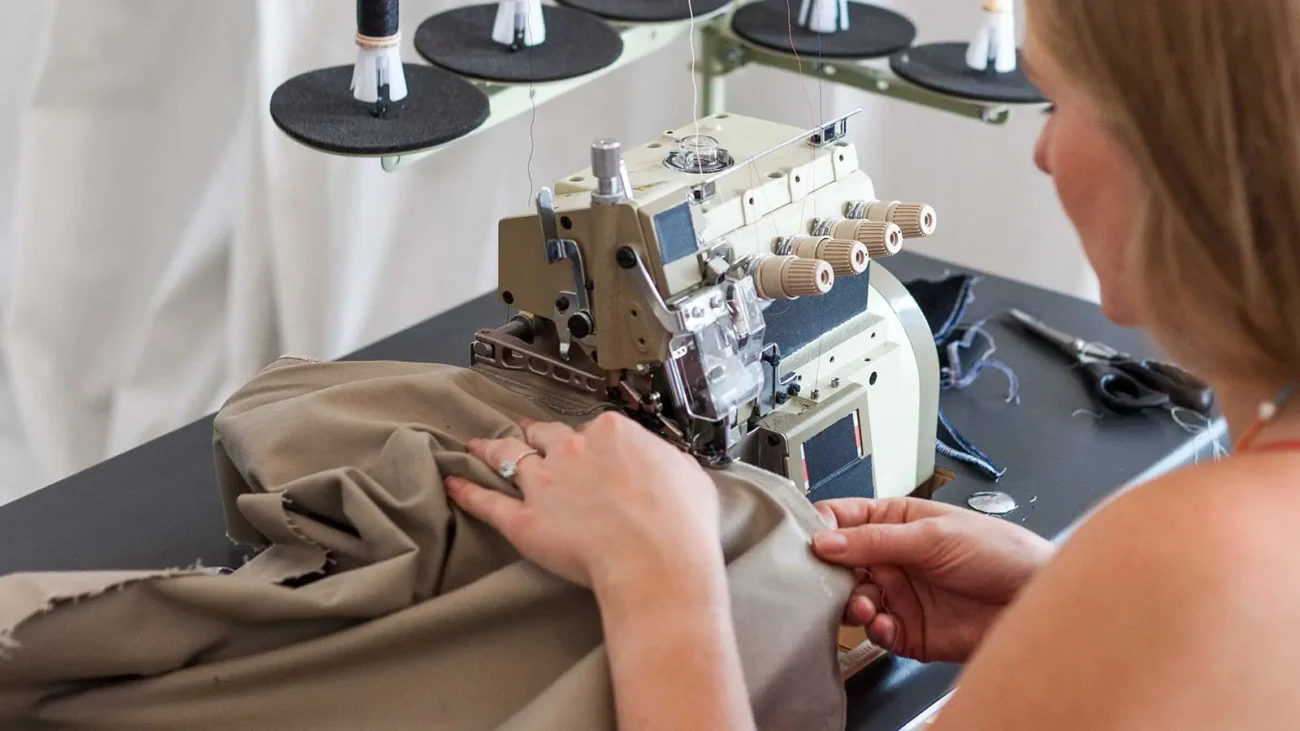
A factory that produces clothing does not automatically have experience with baby apparel.
Baby garments have different requirements compared with adult clothing.
Products such as bodysuits, rompers, pajamas, and baby accessories require attention to details that can affect comfort and safety.
When reviewing a potential baby clothing manufacturer, brands should ask:
Experience with baby products usually means the factory understands details such as:
A factory that mainly produces adult fashion items may not have the same understanding of baby product requirements.
Before moving forward, brands should check:
A supplier should be able to explain how they handle baby apparel production instead of only showing finished products.
One common challenge for overseas buyers is identifying who actually manufactures the products.
Some companies are direct factories. Others work as trading companies that arrange production through different suppliers.
Both models exist, but brands should understand the difference.
A direct baby clothing factory China partner usually has better control over:
This can become important when products require modifications.
For example, if a sample needs changes to the pattern or fabric, direct communication with the factory can make the process faster.
Before placing an order, ask:
A professional China baby clothing supplier should be transparent about its production process.
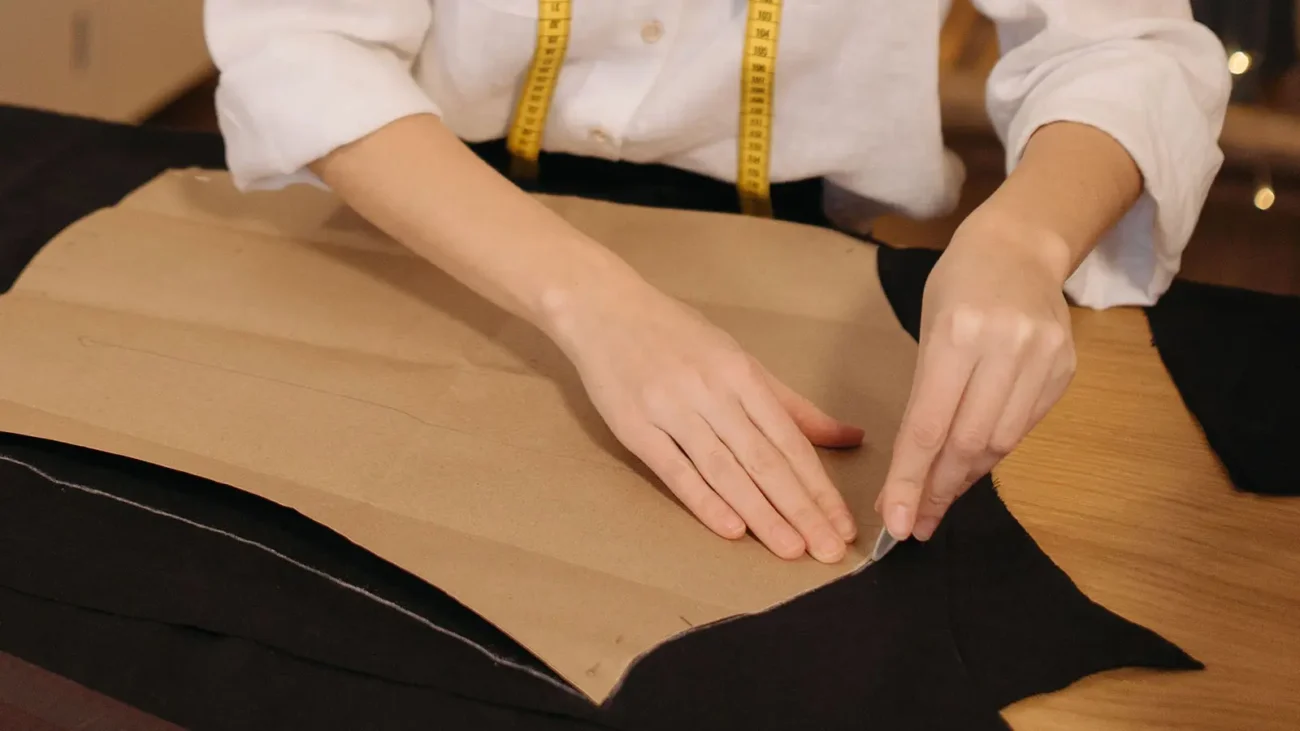
Many new brands have product ideas but do not have manufacturing experience.
A good factory should be able to provide practical suggestions during development.
A capable baby clothing manufacturer should support:
For example, a brand may provide a design sketch for a baby romper.
During development, the factory may suggest:
These suggestions can prevent problems before bulk production.
The sample stage is where brands should evaluate:
A factory that takes sampling seriously usually has better control during mass production.
Fabric is one of the most important factors in baby clothing production.
Parents expect baby products to be comfortable, safe, and durable.
A professional Baby Clothing Manufacturer in China should understand how different materials perform.
Soft fabric is important, but it is not the only consideration.
A factory should also evaluate:
For example, a fabric may feel very soft but create problems during sewing or after repeated washing.
An experienced supplier can recommend materials based on the final product purpose.
Many brands use:
For organic textile requirements, brands can review the Global Organic Textile Standard (GOTS).
For textile safety information, brands can refer to OEKO-TEX standards.
A knowledgeable organic baby clothing manufacturer can help brands select suitable materials while considering production requirements.
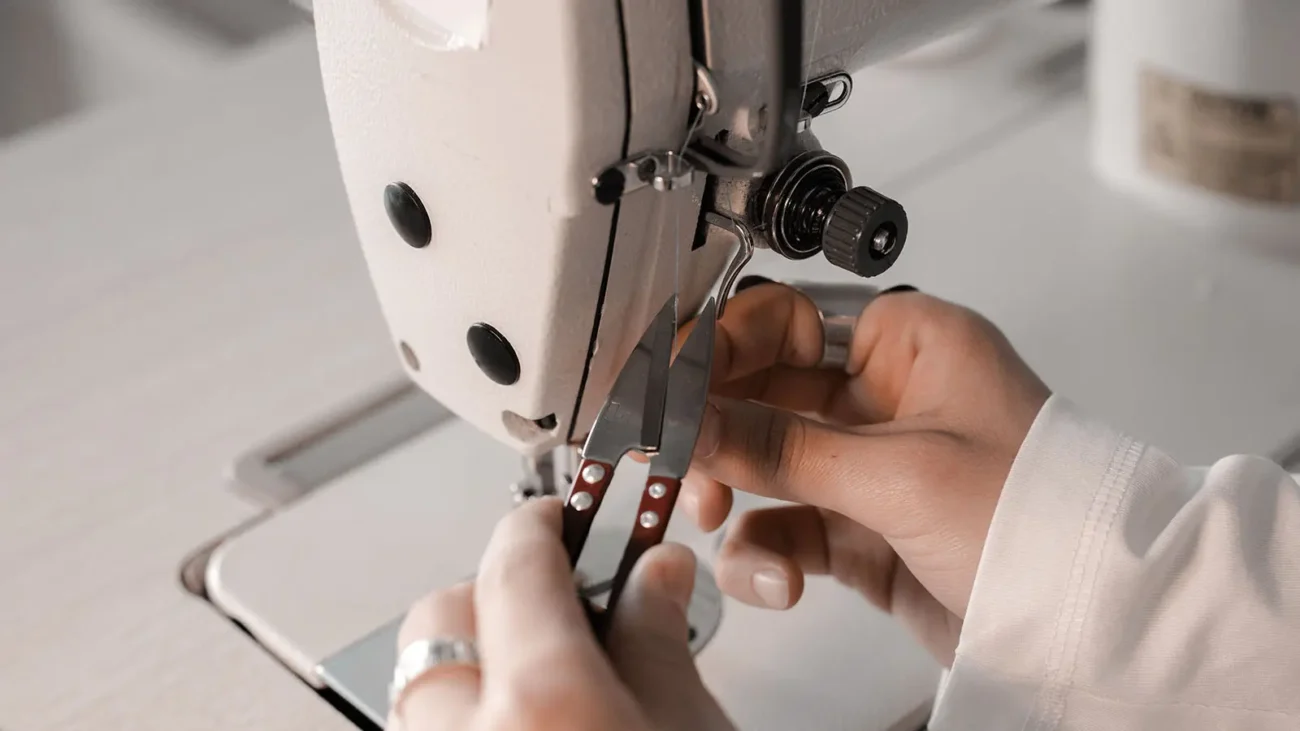
Many baby brands are not looking for standard products.
They want their own designs, labels, packaging, and product details.
This is where OEM capability becomes important.
A capable OEM baby clothing manufacturer should be able to support:
For smaller brands, working with a custom baby clothing manufacturer can make it easier to create unique collections without building their own production facilities.
Brands should confirm:
A factory that only accepts finished designs may not provide enough support for brands developing new products.
Quality problems are expensive.
For baby apparel brands, a production mistake can affect customer trust and future sales.
A professional factory should have quality checks throughout production.
Important inspection stages include:
A reliable baby clothing factory China partner should have clear quality procedures.
Brands should ask:
Quality control should be part of the production process, not something added at the end.
For brands selling children’s products in the United States, the Consumer Product Safety Commission (CPSC) provides information about children’s product safety requirements.
Price matters, but it should be evaluated together with overall production capability.
A low quotation may look attractive at the beginning, but hidden costs can appear later.
A lower price may come with:
Brands should compare:
For startups, a flexible baby clothing manufacturer may provide more value than a factory focused only on large-volume orders.
Communication problems are one of the most common issues in international manufacturing.
A factory may have good equipment, but poor communication can slow down the entire project.
Before cooperation, pay attention to:
A reliable supplier should communicate clearly about:
Good communication during the first project often indicates how future cooperation will work.
Choosing a Baby Clothing Manufacturer in China requires looking beyond production price.
Brands need a partner that understands product development, quality expectations, and international market requirements.
China Baby Clothing Factory (CBCF) works with international brands on baby apparel manufacturing, OEM projects, and customized production.
For brands developing new products, CBCF provides custom baby clothing manufacturing services covering product development, sampling, and bulk production.
Brands can also explore CBCF manufacturing insights for more information about baby apparel materials and production knowledge.
To learn more about CBCF’s manufacturing experience, visit CBCF About Us.
For broader apparel manufacturing solutions, brands can also explore Clothing Factory X.
Brands should evaluate factory experience, product development ability, quality control systems, communication, and customization support.
The right supplier should match the brand’s current needs and future growth plans.
Important questions include:
OEM manufacturing usually means producing products based on brand requirements.
Custom manufacturing involves more development support, including design adjustments, materials, and product modifications.
China has a mature textile supply chain, experienced manufacturers, and strong capabilities in fabric sourcing, customization, and export production.
Choosing the right Baby Clothing Manufacturer in China is about finding a supplier that can support your brand beyond a single order.
The most important factors include:
The best manufacturing partner is not always the one with the lowest price.
It is the factory that can provide stable quality, reliable communication, and long-term support as your baby brand grows.
 scan wechat qrcode