20% Off for New Inquiries – Today Only!
20% Off for New Inquiries – Today Only!
Baby apparel fabrics are not as simple as choosing the softest material available.
Bamboo is usually the first fabric that comes up when people talk about soft baby clothing. It makes sense. A good bamboo jersey feels soft, drapes nicely, and works well for bodysuits, pajamas, and other garments worn directly against the skin.
But if you’re actually buying fabric for production, I wouldn’t choose it just because the label says “bamboo.”
Modal and TENCEL™ can work just as well, and sometimes they make more sense for a particular product.
After working with different babywear fabrics, we usually look at the garment first and the fiber name second. GSM, stretch recovery, shrinkage, finishing, and how the fabric behaves after washing will tell you much more than the name on the fabric card.
When sourcing baby apparel fabrics, the fiber name is only the starting point. The actual construction and production performance usually tell you much more.
There is quite a bit of confusion around these three names.
Bamboo fabric is usually made by turning bamboo cellulose into a regenerated fiber such as bamboo viscose or bamboo rayon.
Modal is also a regenerated cellulose fiber, normally made from wood pulp.
TENCEL™ is a Lenzing brand. TENCEL™ Lyocell and TENCEL™ Modal are specific branded fibers.
So if a supplier tells you, “This is bamboo fabric,” don’t stop there.
Ask for the actual composition.
Ask for the GSM.
Ask whether it is single jersey, rib, interlock, or another construction.
Ask what happens after washing.
That’s the information a baby clothing manufacturer actually needs when deciding whether a fabric belongs in production.
For buyers comparing bamboo baby clothing fabric, modal baby clothing fabric, and Tencel baby clothing fabric, the fiber name is only part of the decision.
Bamboo is one of the more common choices when we source baby apparel fabrics for soft, lightweight garments.
A good bamboo jersey has a very pleasant hand feel. It is soft, light, and falls nicely on the body. For baby bodysuits, rompers, pajamas, and lightweight basics, those are useful characteristics.
If a buyer is looking specifically at bamboo baby clothing fabric, I’d pay attention to the actual fiber composition rather than accepting “bamboo” as the complete specification.
The trap is assuming that all bamboo fabrics will perform the same way.
They won’t.
One bamboo jersey can have good recovery and stay smooth after repeated washing. Another can shrink more than expected or start pilling after a relatively short period of use.
On a sample table, they may feel almost identical.
After ten washes, the difference can be obvious.
When we’re checking a bamboo fabric for a babywear project, we normally look at:
That last one gets overlooked quite often.
A fabric can feel fantastic when the sample first arrives and feel noticeably different after repeated washing.
For baby clothing, that’s not a small detail.
Modal is another fabric that works well in baby apparel.
It’s smooth, soft, and has a fluid drape. It is also commonly blended with cotton or elastane.
For bodysuits, leggings, underwear, pajamas, and similar lightweight garments, modal can be a very practical choice.
For baby apparel fabrics, modal is particularly useful when the finished garment needs a smooth hand feel without becoming too heavy.
If you’re comparing modal baby clothing fabric with bamboo, don’t make the decision from softness alone. Modal can feel very smooth and comfortable, but the finished garment still depends on GSM, construction, stretch, and finishing.
But don’t use the fiber name to decide the garment.
A thin modal jersey may be perfect for a summer bodysuit.
I wouldn’t automatically use the same fabric for a structured jacket just because the hand feel is nice.
When we select fabric, the first question is usually simple:
What does the garment need the fabric to do?
If it needs stretch, recovery becomes important.
If it needs warmth, GSM matters.
If it is going to be washed constantly, durability matters.
The fiber is only part of the answer.
TENCEL™ often comes up when a brand wants a more premium fabric.
TENCEL™ Lyocell has a smooth hand feel, good drape, and useful moisture management characteristics. It can work very well for premium baby basics, sleepwear, and loungewear.
But I wouldn’t choose TENCEL™ simply because the name sounds more premium.
We’ve seen expensive fabrics fail because the construction wasn’t right for the garment.
The opposite happens too. A relatively simple fabric can produce a very good commercial garment when the GSM, stretch, finishing, and construction are right.
If you’re comparing Tencel baby clothing fabric with other regenerated cellulose fabrics, look beyond the branding. The actual specification still matters.
If you’re considering TENCEL™, check the actual fiber specification instead of relying on the supplier’s description. Lenzing provides technical information through its official TENCEL™ website.
There isn’t one winner.
The bamboo vs modal vs Tencel decision depends heavily on the product you’re making, the target price, the required hand feel, and how the garment needs to perform after washing.
For a quick starting point:
| Fabric | What We Like About It | Typical Applications |
|---|---|---|
| Bamboo-based | Very soft, light, comfortable | Bodysuits, pajamas, rompers |
| Modal | Smooth, soft, flexible | Bodysuits, leggings, underwear |
| TENCEL™ Lyocell | Smooth, breathable, premium positioning | Premium basics, sleepwear |
But don’t make the final decision from this table.
Take two bamboo jerseys with different GSM and construction and they can behave like two completely different fabrics.
That’s why fabric specifications matter so much.
Choosing baby apparel fabrics for production is different from choosing fabric for a single sample.
The material needs to remain consistent across bulk production, behave predictably during cutting and sewing, and hold its shape after repeated washing.
A fabric that looks good on a sample table isn’t necessarily the right production fabric.
When evaluating bamboo baby clothing fabric, don’t stop at softness.
Check GSM, fabric construction, shrinkage, stretch recovery, pilling, and colorfastness before approving the material for bulk production.
For modal baby clothing fabric, the same rule applies.
Modal can feel extremely smooth in a swatch, but the finished garment may perform differently depending on the blend, GSM, finishing, and knitting construction.
Tencel baby clothing fabric can be a strong option for premium babywear, particularly when softness, drape, and a higher-end material story are important.
But the fabric still needs to meet the technical requirements of the garment.
This is something buyers sometimes underestimate when comparing baby apparel fabrics.
A 160 GSM jersey and a 220 GSM jersey can both be called “bamboo jersey,” but they won’t give you the same garment.
The lighter one may work nicely for summer.
The heavier one may feel better for cooler weather.
For leggings, you may care more about recovery than weight.
For pajamas, you may care more about softness after washing and long-term durability.
For blankets, weight and construction become much more important.
So when a supplier sends you a fabric card, don’t just ask:
“Is this bamboo?”
Ask:
“What is the GSM and construction?”
Those two answers will usually tell you much more.
Baby clothes get pulled, stretched, twisted, and washed constantly.
A bodysuit gets pulled over the baby’s head. Leggings stretch around the knees. Pajamas get washed again and again.
If the fabric doesn’t recover properly, the garment starts looking tired.
This is especially noticeable with fitted products.
This is probably one of the simplest things a buyer can do.
Don’t approve a fabric just because the first sample looks good.
Wash the finished garment.
Then wash it again.
Check:
If the garment changes significantly after washing, it’s better to discover that before bulk production.
A good baby clothing factory should be willing to discuss these results with you.
This kind of testing is especially useful when comparing baby apparel fabrics, because two fabrics with similar fiber content can behave very differently after washing.
The same applies when comparing bamboo baby clothing fabric from different mills. The fiber name may be identical while the finished fabric performs quite differently.
Babywear buyers naturally focus on softness.
Parents like soft clothes. Brands like to talk about softness. It sells.
But from a production point of view, softness is only one part of the equation.
A fabric that feels amazing on day one but loses its shape after repeated washing isn’t necessarily a good fabric.
For commercial babywear, we normally want a reasonable balance between:
Softness + durability + recovery + dimensional stability
You don’t need the softest fabric in the market.
You need one that stays comfortable after the customer has washed it twenty times.
This is also why a bamboo vs modal vs Tencel comparison should never be based only on which swatch feels softer in your hand.
The answer changes depending on the garment, which is why baby apparel fabrics should always be selected around the product rather than the fiber name alone.
Bamboo and modal blends are both worth considering.
If you’re making a premium collection, TENCEL™ Lyocell can also work well.
For bodysuits, I’d pay close attention to stretch and recovery because the garment needs to go on and off easily without becoming loose.
Here I’d look closely at softness, breathability, moisture handling, and washing performance.
All three fabric types can work.
The actual fabric specification matters more than the name.
Recovery is the big one.
A soft fabric that bags out around the knees isn’t going to make a good pair of leggings.
A modal or TENCEL™ blend with the right amount of elastane may be a better choice.
TENCEL™ Lyocell can make sense if the brand wants a higher-end material story.
But don’t expect the fiber alone to make the product premium.
The sewing, fit, finishing, labels, and overall construction still have to match.
This is where I would tell brands to slow down a little.
A supplier may say “natural bamboo fabric.”
That sounds good, but it doesn’t tell the customer what the finished textile actually is.
Bamboo is the raw material. The finished fabric may be bamboo viscose or bamboo rayon produced through a regeneration process.
That’s not necessarily a problem.
It just means the product description needs to be accurate.
The same applies to modal and TENCEL™.
If sustainability is part of your brand positioning, ask for actual documentation instead of building the entire story around the fiber name.
For baby apparel fabrics used in a commercial collection, documentation is much more useful than a vague “eco-friendly” claim on a supplier catalog.
If you’re making claims about organic materials, recycled content, or textile safety, ask for the certificate.
Depending on the product, you may come across:
They don’t all cover the same thing.
For textile safety, OEKO-TEX® STANDARD 100 is a useful reference because it covers testing for harmful substances in textiles and finished products.
For example, OEKO-TEX® STANDARD 100 focuses on harmful-substance testing, while GOTS covers a broader range of organic textile processing requirements.
Check the actual certificate, scope, and validity.
The OEKO-TEX® official website and Global Organic Textile Standard are better references than a supplier’s marketing brochure.
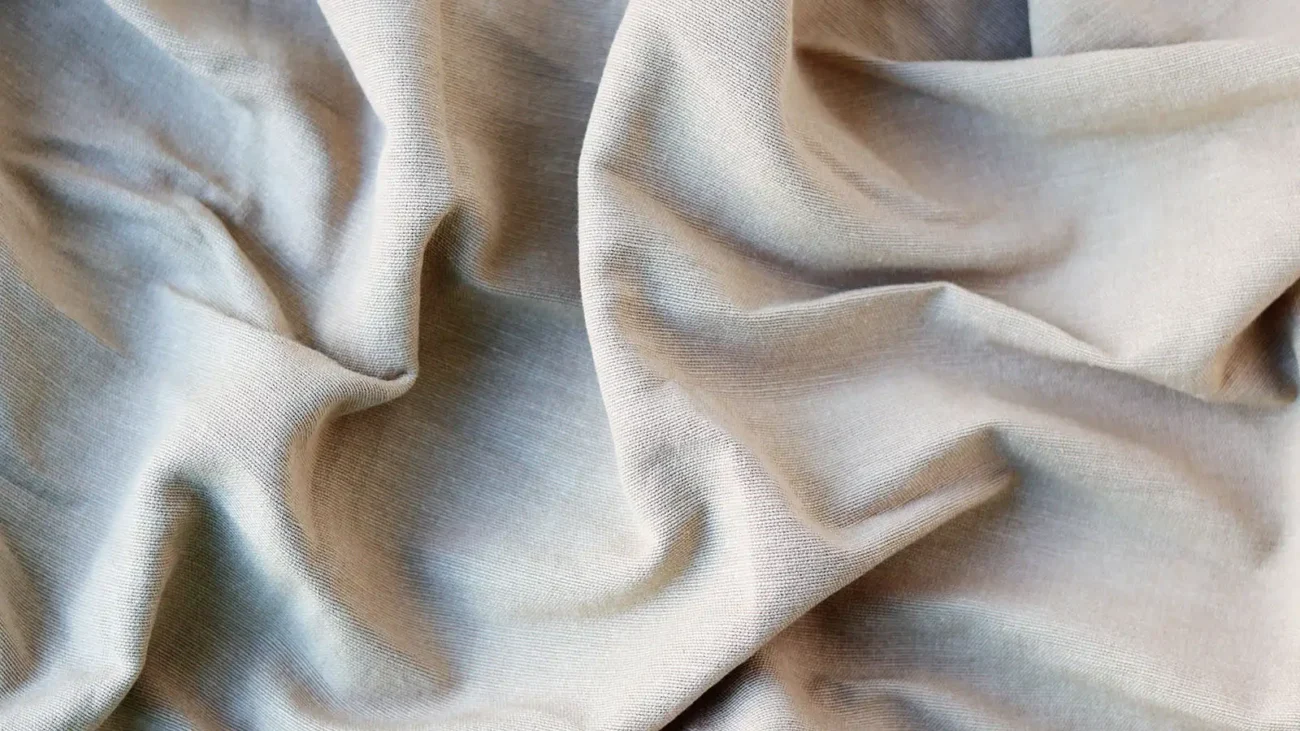
A swatch is useful.
It tells you the color and gives you an initial idea of the hand feel.
That’s about it.
You can’t properly judge shrinkage, pilling, recovery, or seam performance from a small piece of fabric.
For custom baby clothing manufacturing, we prefer to make the actual garment and test that. If you’re developing a new product, you can learn more about our custom baby clothing manufacturing process before moving into sampling.
Wash it.
Measure it before and after.
Look at the seams.
Check the surface.
Feel it again.
If the garment still looks good after repeated washing, you’re much closer to having a fabric worth approving.
This is particularly important when you’re developing a new baby clothing manufacturer program because the approved fabric needs to work in the finished garment, not just on a fabric card.
Of course fabric price matters.
Every brand has a target cost.
But choosing the cheapest fabric can create problems later.
Poor fabric performance can mean:
A slightly more expensive fabric may actually be the cheaper option if it gives you a more stable finished product.
Price comparisons between baby apparel fabrics also need to include production performance, not just the cost per kilogram.
The better question is:
Does this fabric give us the performance we need at a cost the product can support?
Before approving a fabric, get the actual specification from the supplier or baby apparel manufacturer.
At minimum:
That last one matters for brands planning to reorder.
If the fabric is perfect for your first collection but the supplier can’t reproduce the same specification six months later, you’ve created another sourcing problem for yourself.
For repeat production, consistency between batches can matter just as much as the original choice of bamboo baby clothing fabric, modal baby clothing fabric, or TENCEL™.
Bamboo, modal, and TENCEL™ can all work well in infant clothing.
I wouldn’t rank them from “best” to “worst.”
For a soft, lightweight bodysuit, bamboo or modal may be a very sensible choice.
For a premium collection, TENCEL™ Lyocell may fit the product positioning better.
For a stretchy garment, the blend and recovery may matter more than whether the base fiber is bamboo or modal.
That’s how we normally approach fabric selection in a baby apparel factory.
Start with the garment.
Then work backward to the fabric.

If you’re comparing baby apparel fabrics such as bamboo, modal, and TENCEL™, don’t start with the question:
“Which fabric is the best?”
Start with:
“What does this garment need to do?”
A summer bodysuit, a winter pajama, a pair of leggings, and a premium newborn set don’t need exactly the same fabric.
Choose the weight.
Choose the construction.
Check the stretch.
Wash the sample.
Measure it again.
Then look at the price.
The right baby apparel fabrics are the ones that match the product, production method, target price, and expected lifespan of the garment.
That process is much more reliable than choosing whichever fabric sounds best on a supplier’s product sheet.
For brands developing custom baby clothing manufacturing projects, CBCF’s customization service provides information about custom baby garment development and production.
You can also explore CBCF’s manufacturing insights for practical information about baby apparel production.
For broader apparel manufacturing requirements, Clothing Factory X (CFX) covers a wider range of garment categories.
In the end, bamboo doesn’t automatically win.
Modal doesn’t automatically win.
TENCEL™ doesn’t automatically win.
The fabric that wins is the one that works after it has been cut, sewn, washed, worn, and washed again.
If you’re comparing fabrics for a new collection, our baby clothing manufacturing insights cover more practical considerations around materials, sampling, production, and quality control.

 scan wechat qrcode