20% Off for New Inquiries – Today Only!
20% Off for New Inquiries – Today Only!
Choosing the right China Baby Clothing Supplier is an important decision for international baby brands.
Many companies begin supplier research by comparing prices, but the lowest quotation does not always create the best business result. A supplier with unstable quality, slow communication, or limited product development experience can create additional costs after production starts.
For baby apparel, manufacturing requires more than sewing skills. The factory needs to understand fabric performance, product safety, construction details, and the expectations of overseas markets.
A capable baby clothing manufacturer should help brands develop products, solve production challenges, and maintain consistent quality from sampling to bulk production.
Before placing an order, brands should carefully evaluate whether a China Baby Clothing Supplier has the experience and capability to support long-term cooperation.
This guide explains 10 practical ways to evaluate a factory before starting a partnership.

Experience is one of the first things brands should review when choosing a China Baby Clothing Supplier.
Baby clothing has different requirements compared with general apparel. Products need to provide comfort, durability, and safety because they are used by younger children with more sensitive skin.
A factory that mainly produces adult garments may not fully understand the details required for baby products.
When evaluating a baby clothing manufacturer, brands should review:
A factory with real baby apparel experience understands common production challenges.
For example, baby bodysuits require careful attention to:
An experienced supplier can often identify potential problems before they affect bulk production.
The word “supplier” can describe different types of businesses.
Some companies manufacture products directly, while others arrange production through third-party factories.
Before cooperation, brands should understand who is actually responsible for production.
When evaluating a baby clothing factory China partner, check:
A direct factory usually has stronger control over:
A professional China Baby Clothing Supplier should be transparent about where products are made and how production is managed.
Questions brands can ask include:
Many baby brands have creative ideas but need manufacturing expertise to turn designs into production-ready products.
A professional baby clothing manufacturer should not only follow specifications. They should also provide suggestions when improvements are needed.
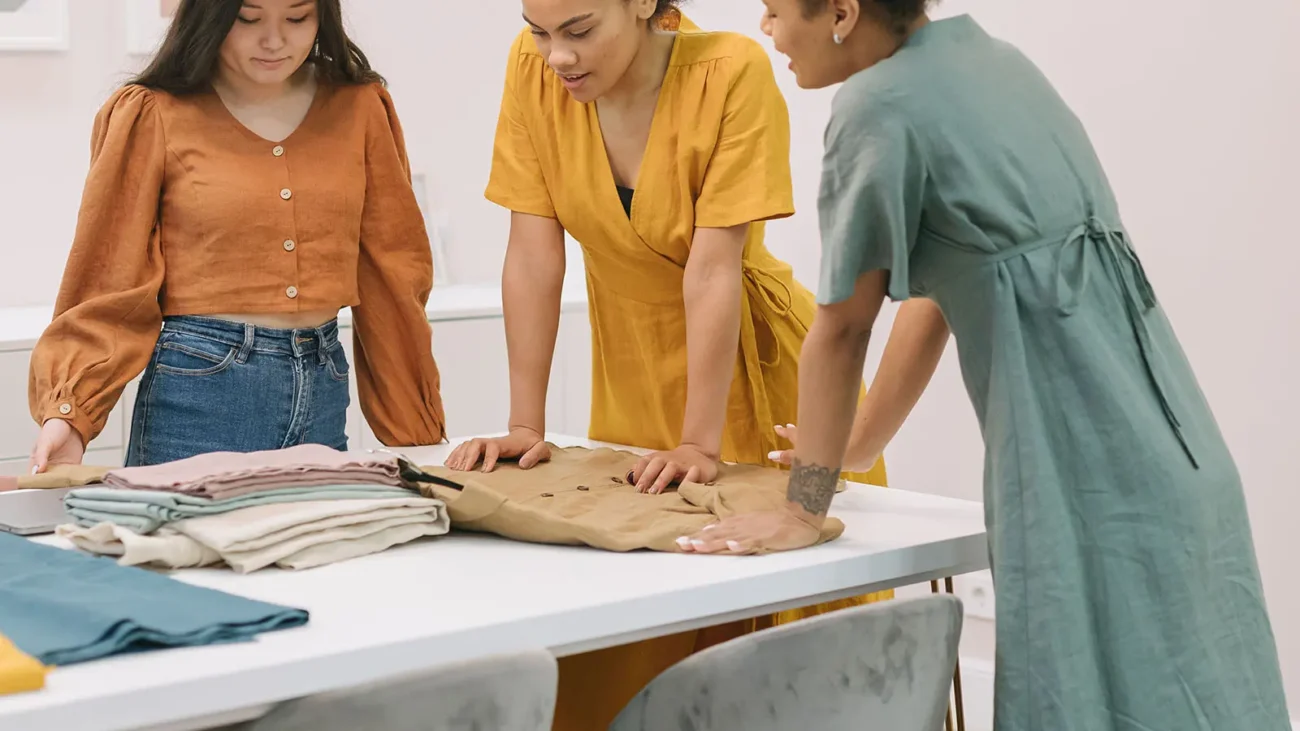
A capable supplier can support:
For example, a brand may select a fabric because it feels soft, but the factory may recommend another material with better shrinkage control or durability.
Working with a custom baby clothing manufacturer gives brands more flexibility in developing:
The sample stage is where many production problems can be solved before bulk manufacturing begins.
Fabric quality directly affects the final customer experience.
For baby products, material selection is especially important because garments are worn close to the skin.
A reliable China Baby Clothing Supplier should understand different materials and explain why a fabric is suitable for a specific product.
Brands should review:
Common baby apparel materials include:
For brands developing organic baby clothing collections, the Global Organic Textile Standard (GOTS) provides information about organic textile processing and certification requirements.
Brands can also review OEKO-TEX textile safety standards for information about harmful substance testing and textile safety.
A knowledgeable baby clothing factory China partner should help brands select materials based on product function, market requirements, and customer expectations.
Many international baby brands are not searching for standard products.
They need a manufacturing partner that can support customized collections.
An experienced OEM baby clothing manufacturer should support:
The sampling process is especially important.
Before bulk production, brands should confirm:
A strong custom baby clothing manufacturer focuses on solving production issues during development instead of waiting until after mass production.
MOQ is an important factor for growing brands.
Large companies may place high-volume orders, but smaller brands often need more flexible manufacturing solutions.
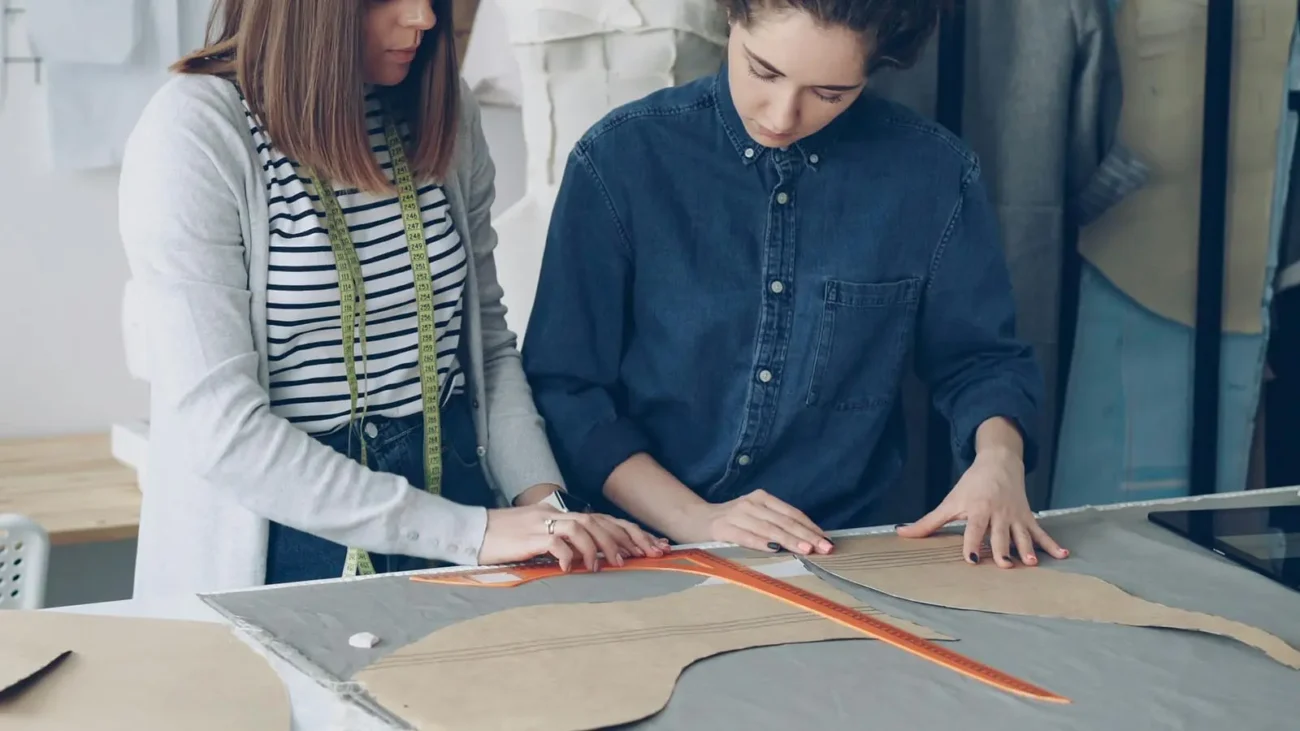
When selecting a China Baby Clothing Supplier, brands should consider:
A lower MOQ can help brands test new products with lower investment.
However, MOQ should not be the only deciding factor.
A suitable supplier should balance flexibility with stable production quality.
Quality control is one of the most important areas when evaluating a supplier.
A professional baby clothing manufacturer should manage quality throughout the whole production process.
Brands should ask how the factory controls:
Quality problems are much more expensive after products leave the factory.
A professional China Baby Clothing Supplier should identify problems before shipment.
For brands selling children’s products in the United States, the U.S. Consumer Product Safety Commission (CPSC) provides information about children’s product safety requirements.
A supplier familiar with international safety expectations can help reduce compliance risks.
Communication plays a major role in international manufacturing.
Many production problems are caused not by manufacturing ability, but by unclear information between buyers and factories.
During supplier evaluation, brands should pay attention to:
A professional baby clothing factory China partner should communicate clearly about:
Good communication before ordering usually creates smoother cooperation later.
Certifications can help brands understand a supplier’s manufacturing standards and international experience.
They are especially important for baby products because customers expect higher safety standards.
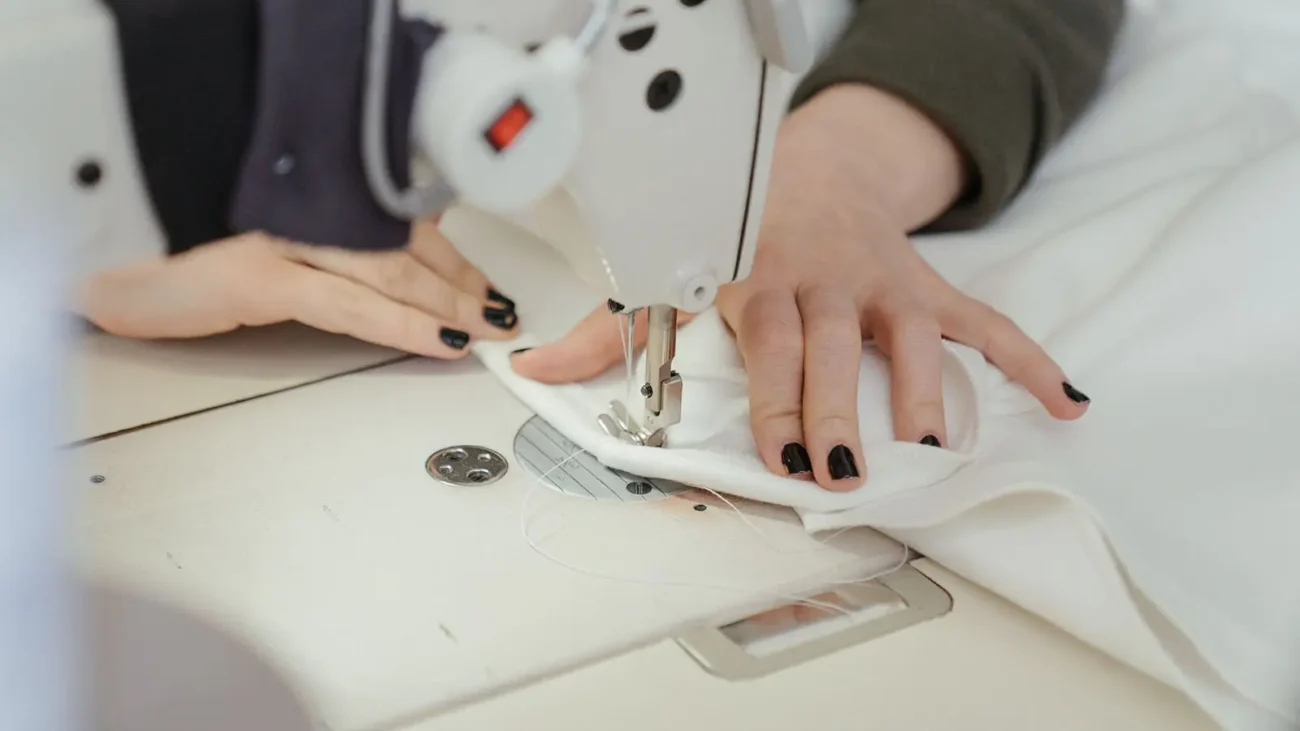
Depending on the target market, brands may consider:
A supplier experienced with international brands usually understands:
An experienced OEM baby clothing manufacturer can help brands prepare products that meet different market requirements.
Price is important, but it should not be the only consideration.
A supplier with a lower quotation may create higher costs if problems occur with:
A valuable China Baby Clothing Supplier should provide:
For growing brands, the goal is not only completing one order.
The goal is building a stable supply chain with a manufacturing partner that understands the brand’s products and expectations.
Selecting a factory requires more than comparing prices.
Brands need a manufacturing partner that understands product development, customization, quality control, and international market requirements.
China Baby Clothing Factory (CBCF) works with international brands on baby apparel manufacturing, OEM projects, and customized production.
For brands developing new collections, CBCF provides custom baby clothing manufacturing services covering product development, sampling, and bulk production.
Brands can explore CBCF manufacturing insights to learn more about baby apparel materials, production knowledge, and industry trends.
To understand CBCF’s manufacturing background, visit CBCF About Us.
For broader apparel manufacturing solutions, brands can also explore Clothing Factory X.
Brands should evaluate factory experience, production capability, customization support, quality systems, certifications, and communication ability.
The right supplier should match both current product needs and future growth plans.
A good manufacturer provides stable quality, technical support, clear communication, and experience with international brand requirements.
No.
The lowest price may create additional costs if quality problems, delays, or communication issues happen during production.
Yes.
A capable custom baby clothing manufacturer can support design adjustments, fabric selection, sampling, labels, and packaging.
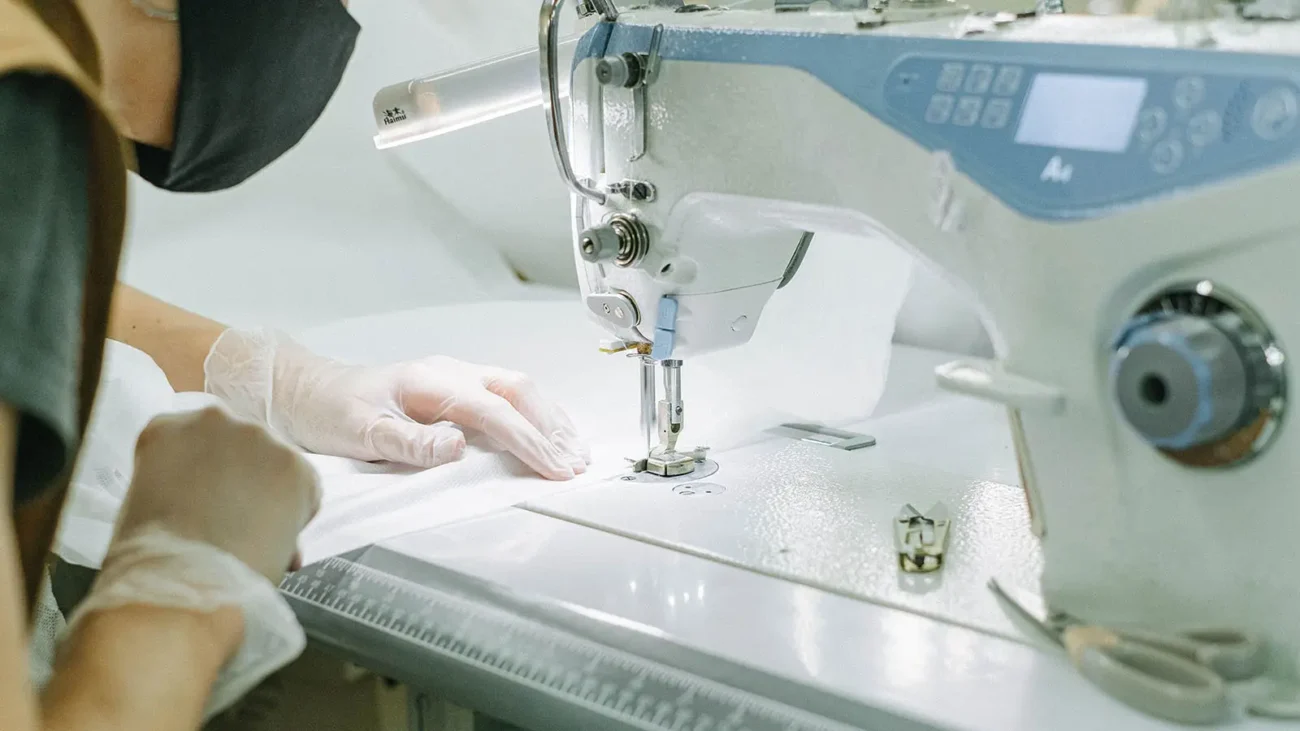
Choosing the right China Baby Clothing Supplier is a key step for international baby brands.
Before placing an order, brands should evaluate:
A reliable supplier is not only a place to manufacture products.
It is a partner that helps brands create better baby apparel, reduce production risks, and build a stronger supply chain.

 scan wechat qrcode