20% Off for New Inquiries – Today Only!
20% Off for New Inquiries – Today Only!
Baby clothing compliance is often handled too late.
Buyers spend weeks choosing fabrics, colors, measurements, trims, packaging, and pricing, then start thinking about testing and labels after the sample has already been approved. That is when small problems can become expensive production issues.
We have seen orders delayed because a label version was wrong, a trim was replaced without reviewing the specification, or a test report no longer matched the material used in bulk production.
For brands working with a baby apparel manufacturer, compliance is not just about getting a laboratory report. It connects the product, materials, trims, labels, testing, packaging, and production records.
The earlier these details are settled, the easier production becomes.
Before asking a factory which tests are required, confirm where the product will be sold. Baby clothing compliance depends heavily on the destination market, product category, age range, and intended use.
A baby garment for the US market may have different requirements from one sold in the EU or UK. A basic bodysuit is not necessarily treated the same way as sleepwear or a garment with decorative components.
This is one of the first things we ask buyers when reviewing a new project. “We sell in the US and Europe” is useful, but it is not enough to build a complete compliance plan.
For the US market, brands need to consider requirements involving organizations such as the U.S. Consumer Product Safety Commission (CPSC) and Federal Trade Commission (FTC).
Depending on the product, baby clothing testing may involve:
The exact requirements depend on the product, materials, age range, and intended use.
EU requirements involve product safety, chemical restrictions, and labeling. REACH is particularly relevant when evaluating restricted substances and chemicals used in textile products.
The UK has its own regulatory framework. Don’t simply copy a US or EU compliance file and assume it covers everything.
The destination market should be confirmed before sampling, not after production.
One of the most expensive mistakes is leaving baby clothing testing until after bulk production has started.
By then, fabric may have been purchased, trims ordered, labels printed, and garments cut. If something fails, the problem can mean rework, replacement materials, relabeling, delayed shipping, or rejected inventory.
We have seen this happen when a buyer approved one fabric and later changed it because another supplier offered a lower price. From a purchasing perspective, it looked like a simple material change. From a compliance perspective, the original test report might no longer represent the final product.
That is much easier to solve before bulk production.
Don’t assume that a supplier’s previous fabric report automatically covers your finished garment.
The actual material, color, finish, print, coating, and construction can matter. A practical baby clothing testing plan should therefore consider the complete product.
A baby garment may contain:
A common factory problem is trim substitution. If the original snap supplier cannot deliver, someone may find another snap that looks almost identical. That may solve a purchasing problem, but it can create a documentation and testing problem.
“Looks the same” does not necessarily mean “is the same.”
Material testing and finished-product testing are not always interchangeable.
A fabric may meet a particular requirement, while a finished garment introduces a print, metal snap, zipper, coating, or other component that changes what needs to be evaluated.
A good baby apparel manufacturer should therefore review the complete product specification rather than treating the main fabric report as the entire compliance file.
Baby clothing labels are small and inexpensive, but they can create expensive rework.
One factory problem we see is an outdated label being used because the buyer approved a new version after the old labels had already been ordered.
If thousands of garments have already been sewn, changing baby clothing labels is no longer a simple file update.
Depending on the market and product, labels may need information such as:
The exact requirements depend on the market.
If the fabric is a blend, the label should reflect the actual composition.
For example, don’t label a fabric as “100% cotton” if it contains elastane.
The same principle applies to bamboo-derived fibers, modal, TENCEL™, recycled polyester, and other specialty materials. The commercial name used by a supplier is not always the wording that belongs on the legal fiber-content label.
This matters especially when a brand makes sustainability or premium-material claims.
Care instructions should reflect the actual garment.
Before approving baby clothing labels, consider:
Don’t copy care instructions from another product simply because the fabrics look similar.
A test report sitting in an old email thread is difficult to use if nobody knows which product it belongs to.
Good baby clothing documentation should answer:
What was tested? Which material was tested? When was it tested? Which standard was used? Does the report still match the product being sold?
For a baby clothing manufacturer, this becomes especially useful when a style is reordered months later.
The product file should normally include:
If a material or trim changes, update the specification.
Otherwise, different people can end up working from different versions of the same product. Good baby clothing documentation prevents this from becoming a production problem.
Don’t leave laboratory reports scattered across email.
A simple structure is enough:
Product Compliance
├── Product Specification
├── Fabric Information
├── Trim Information
├── Test Reports
├── Label Artwork
├── Packaging
├── Certificates
└── Final Production Records
When a buyer has dozens of styles, organized baby clothing documentation saves a surprising amount of time.
The main fabric usually gets most of the attention.
Trims often don’t.
That can be a mistake.
Buttons, snaps, zippers, elastics, prints, appliqués, and other components can affect the final product and should be included in the product review.

For infant garments, attachment strength matters.
A decorative component that comes loose can become a safety concern.
A baby clothing manufacturer should review:
From the factory side, one lesson is simple: a replacement trim should never be treated as “just a purchasing change” if it is part of the approved product.
Prints should be evaluated for more than appearance.
Depending on the product and market, brands may need to consider chemical content, durability, cracking, peeling, and the effect of the print on the fabric.
For embroidery, thread, backing material, stitch density, and placement can affect comfort and durability.
A sample that looks perfect in photographs can still behave differently after repeated washing.
Sleepwear deserves additional attention because some markets have specific flammability requirements.
A garment that looks similar to a daytime bodysuit may be subject to different requirements when it is designed and marketed as sleepwear.
This is why the product category and intended use should be clearly communicated to the factory.
Instead of simply saying “baby pajamas,” provide the target market, age range, product category, and intended use.
Your baby apparel manufacturer can then review the applicable baby clothing compliance requirements with you.
Compliance doesn’t stop at the garment.
Hangtags, stickers, packaging, inserts, and product descriptions should agree with the garment labels and technical documentation.
For example, if the garment says one fiber composition while the hangtag says another, the product now contains conflicting information.
This is why packaging should be included in the baby clothing documentation rather than treated as a separate marketing task.
The same applies to claims such as:
Every claim should have supporting information.
If a claim cannot be supported by the product specification, certification, or appropriate testing, it is better to remove the claim than create a problem later.
A factory certificate does not automatically mean the product is compliant.
Different documents serve different purposes:
Having one does not replace the others.
When reviewing a certificate, check:
The useful question is not simply:
“Does the supplier have a certificate?”
It is:
“Does this certificate actually cover the product, material, facility, and claim we’re using?”
For brands managing baby clothing compliance, this distinction is important. A factory certification and a product test report are not the same thing.
Before sampling, provide your custom baby clothing manufacturing partner with as much information as possible:
If a retailer or marketplace has its own compliance checklist, send it before sampling or production.
Introducing those requirements after the sample has already been approved is one of the easiest ways to create unnecessary delays.
A good baby clothing manufacturer can work much more efficiently when compliance requirements are included in the original product brief.
Compliance works better when it is treated as part of product development rather than a final inspection.
Identify where the product will be sold.
Confirm the product type, age range, and intended use.
Check the main fabric, trims, prints, coatings, and other components.
Determine which tests apply to the product and target market.
Use the intended materials and trims.
Send the appropriate samples to a qualified laboratory when required.
Complete fiber, care, origin, tracking, and other applicable information.
Move into bulk production only after the product specification and compliance requirements are clear.
Store reports, certificates, specifications, and final label versions together.
The important part is keeping the approved information consistent from sampling through bulk production.
Most problems aren’t caused by complicated regulations.
They usually come from small changes made too late.
A brand tests one fabric and then switches to another before production.
The old report may no longer represent the actual product.
If the change happens before cutting, the issue is manageable. If it happens after thousands of garments are produced, the cost is very different.
A snap or zipper becomes unavailable and is replaced with another version.
The replacement looks almost identical, so nobody reviews it.
That can create a gap between the approved specification and the final product.
This is one reason baby clothing testing should always be connected to the actual materials used in production.
An old label file reaches production after the buyer has approved a newer version.
If the labels are already sewn in, correcting the mistake can mean expensive rework.
US, EU, and UK requirements are not interchangeable.
A product suitable for one market may need additional work for another.
Testing after bulk production gives you very few good options if something fails.
At that point, the factory may already have finished the garments and packed the goods.
The cheapest compliance problem is usually the one caught before production starts.
Before placing a production order, check the following:
This checklist isn’t a substitute for legal or regulatory advice, but it gives brands a practical starting point when working with a baby clothing factory.
Compliance planning becomes more useful as a brand expands its product range.
A company that starts with baby bodysuits may later move into toddler clothing, kids’ apparel, or broader garment categories. At that stage, the same production discipline becomes useful across a wider apparel manufacturing program.
The exact requirements still depend on the product and target market, but keeping materials, trims, testing, labels, and specifications under control becomes more important as the number of styles increases.
For brands moving from infant products into older children’s ranges, kids clothing manufacturing can involve different product categories and specifications that should be reviewed separately rather than simply copied from baby styles.
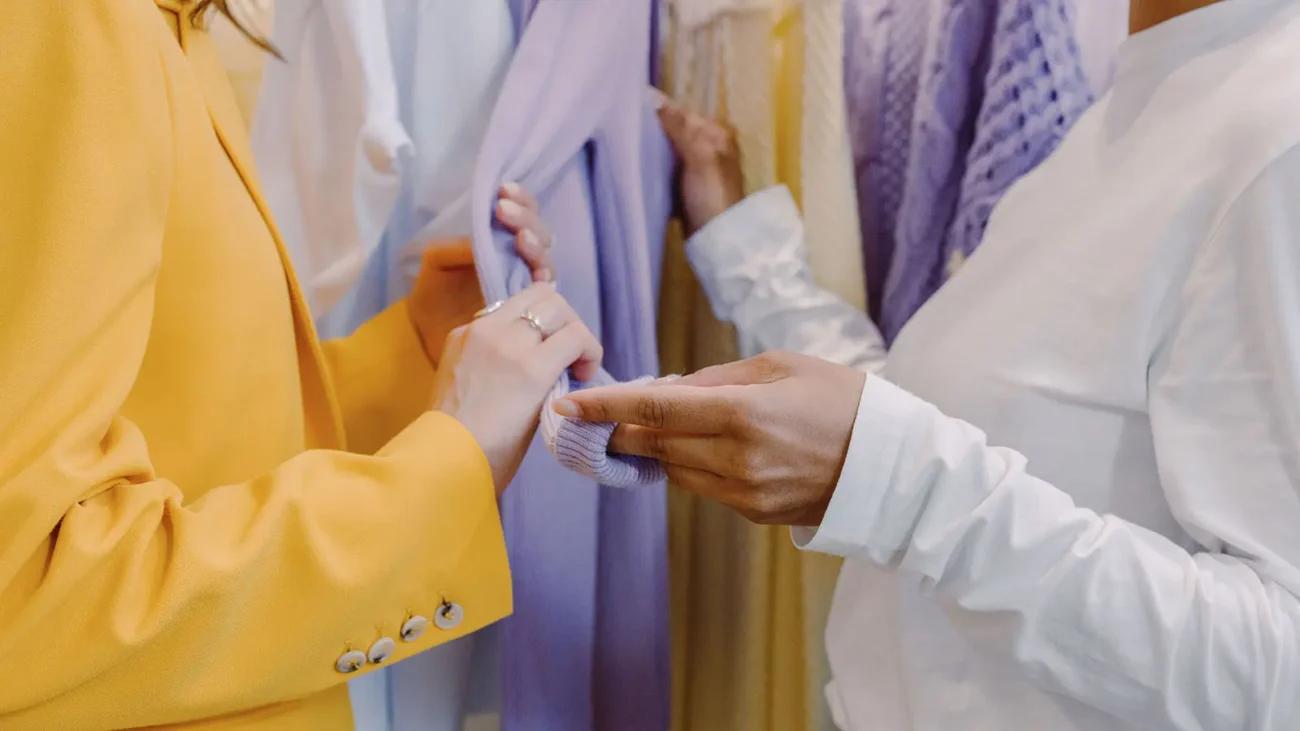
Baby clothing compliance isn’t about collecting as many certificates as possible.
It is about connecting market requirements with the actual product being manufactured.
From the factory side, the most painful problems usually come from small changes made too late: a fabric is replaced, a snap is substituted, an old label is used, or a retailer adds a testing requirement after production has already started.
Those problems are much easier to prevent than to repair.
For brands working with a baby apparel manufacturer, compliance should be part of product development from the beginning.
Define the market. Confirm the materials. Review the trims. Complete the required baby clothing testing. Approve the baby clothing labels. Keep the baby clothing documentation organized.
When the same style comes back six months later, everyone should know exactly which fabric, trims, labels, tests, and specifications were approved.
That is what turns compliance from a last-minute production headache into a normal part of baby clothing manufacturing.

 scan wechat qrcode