20% Off for New Inquiries – Today Only!
20% Off for New Inquiries – Today Only!
The way baby clothing is produced is changing.
In the past, international brands usually selected a baby clothing supplier based on production capacity, price, and delivery time.
Today, buyers are looking for more than a factory that can simply make garments.
They want manufacturing partners that can provide:
This shift is driving the development of Smart Baby Clothing Manufacturing.
Smart manufacturing does not mean replacing experienced workers with machines.
In apparel production, skilled workers, pattern makers, and quality teams are still essential.
Instead, smart manufacturing means using digital tools, better production systems, and accurate data management to improve how baby clothing is developed, produced, and controlled.
For brands working with a professional baby clothing manufacturer, these improvements can reduce production risks and create a more reliable manufacturing experience.

Baby clothing production has higher requirements compared with many other apparel categories.
Although baby garments are smaller, they require careful attention to:
A small production issue can become a bigger problem during bulk manufacturing.
For example:
For brands selling baby apparel internationally, manufacturers also need to consider children’s product safety requirements published by the U.S. Consumer Product Safety Commission (CPSC).
This is why modern baby apparel manufacturing increasingly depends on better production control.
Technology helps factories identify issues earlier instead of discovering problems after shipment.
Traditional garment manufacturing relies heavily on communication between:
Experienced teams can manage these processes effectively, but manual communication still creates challenges.
Common issues include:
For overseas buyers, these problems can create uncertainty.
Brands often need answers to questions such as:
A smarter manufacturing system helps factories provide clearer answers throughout production.
Product development is one of the most important stages in baby clothing manufacturing.
Before bulk production begins, brands and factories need to confirm:
A more organized development process reduces unnecessary revisions and improves production efficiency.

For a custom baby clothing manufacturer, sample development often requires several rounds of adjustments.
A brand may request changes to:
Without proper records, communication problems can happen easily.
Modern production management systems help factories organize:
This allows both the brand and factory team to work from the same information.
From a production perspective, better sample management reduces mistakes when moving from prototype to bulk manufacturing.
Fabric is one of the most important parts of baby clothing production.
A garment may have an attractive design, but the final quality depends heavily on the material.
A professional China baby clothing factory needs to manage information such as:
This becomes especially important for baby products using:
Many international brands refer to certifications such as OEKO-TEX Standard 100 when evaluating textile safety and harmful substance testing.
For sustainable baby apparel collections, certification systems such as the Global Organic Textile Standard (GOTS) provide internationally recognized requirements for organic fibers and responsible textile processing.
Smart material management helps factories maintain consistency between approved samples and final production.
For example, when a brand approves a specific fabric color during sampling, accurate records help ensure bulk production follows the same standard.
Quality control has always been one of the most important parts of garment production.
For international baby brands, quality problems discovered after shipment can lead to:
Smart manufacturing improves quality control by combining factory experience with better production records and monitoring systems.
The purpose is not only to find problems but also to prevent repeated problems.
During bulk production, small details can affect the final result.
A common situation in apparel manufacturing is that a problem appears during production but is discovered too late.
For example:
A sewing adjustment may slightly change garment measurements. If the issue is not identified quickly, it may affect thousands of finished pieces.
Digital production records help factory teams:
For a professional OEM baby clothing manufacturer, this type of production control helps maintain consistency across large orders.
Quality inspection should not only happen at the final stage.
A reliable manufacturing process includes quality control throughout production.
Factory teams review:
Teams monitor:
Final checks usually include:
This approach helps reduce the risk of discovering major issues after the order has already been completed.
Quality management systems such as ISO 9001 are widely used by manufacturers to improve process control and continuous improvement.
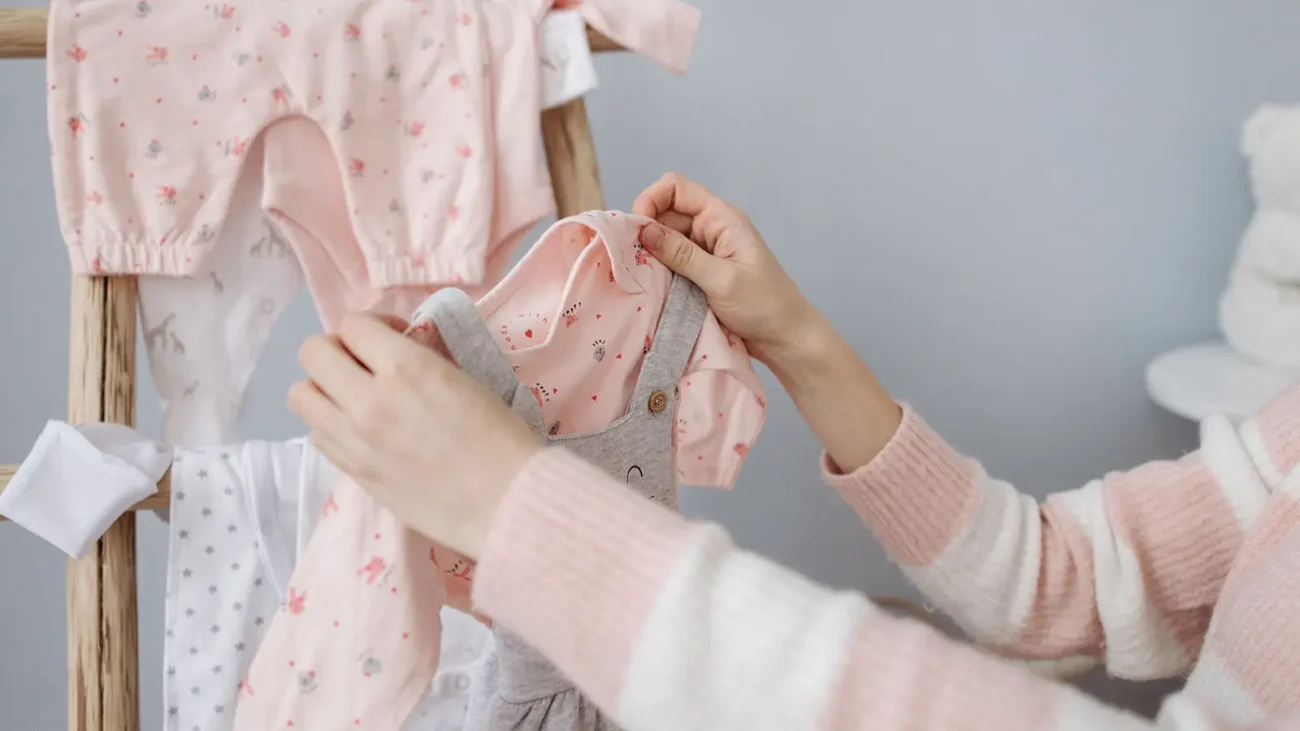
For overseas buyers, communication is one of the biggest challenges when working with a factory in another country.
A brand may be thousands of miles away from its production partner.
Better technology systems help create a more transparent manufacturing process.
Modern production management allows brands and factories to share information more efficiently.
Examples include:
This reduces misunderstandings during development and production.
For a custom baby clothing manufacturer, this is especially valuable because customized projects usually involve more communication than standard products.
International buyers increasingly care about supply chain transparency.
They want to understand:
A technology-supported baby clothing manufacturer can provide better production visibility and documentation.
This helps brands build stronger relationships with:
Sustainability has become an important consideration for many baby clothing brands.
Modern buyers are paying more attention to:
Smart production systems can support sustainability goals by improving efficiency.
Better production planning helps reduce unnecessary waste.
Examples include:
Reducing waste helps manufacturers improve both environmental performance and production efficiency.
Many baby brands now choose materials such as:
These materials often require better documentation and traceability.
Smart manufacturing systems help factories organize:
This makes it easier for brands to verify product information.
The future of Smart Baby Clothing Manufacturing will not only focus on automation.
Baby clothing production still depends heavily on human experience.
Skilled workers understand:
Technology works best when it supports manufacturing knowledge.
Future improvements will likely focus on:
For brands, the key is choosing a manufacturing partner that combines traditional craftsmanship with modern production systems.
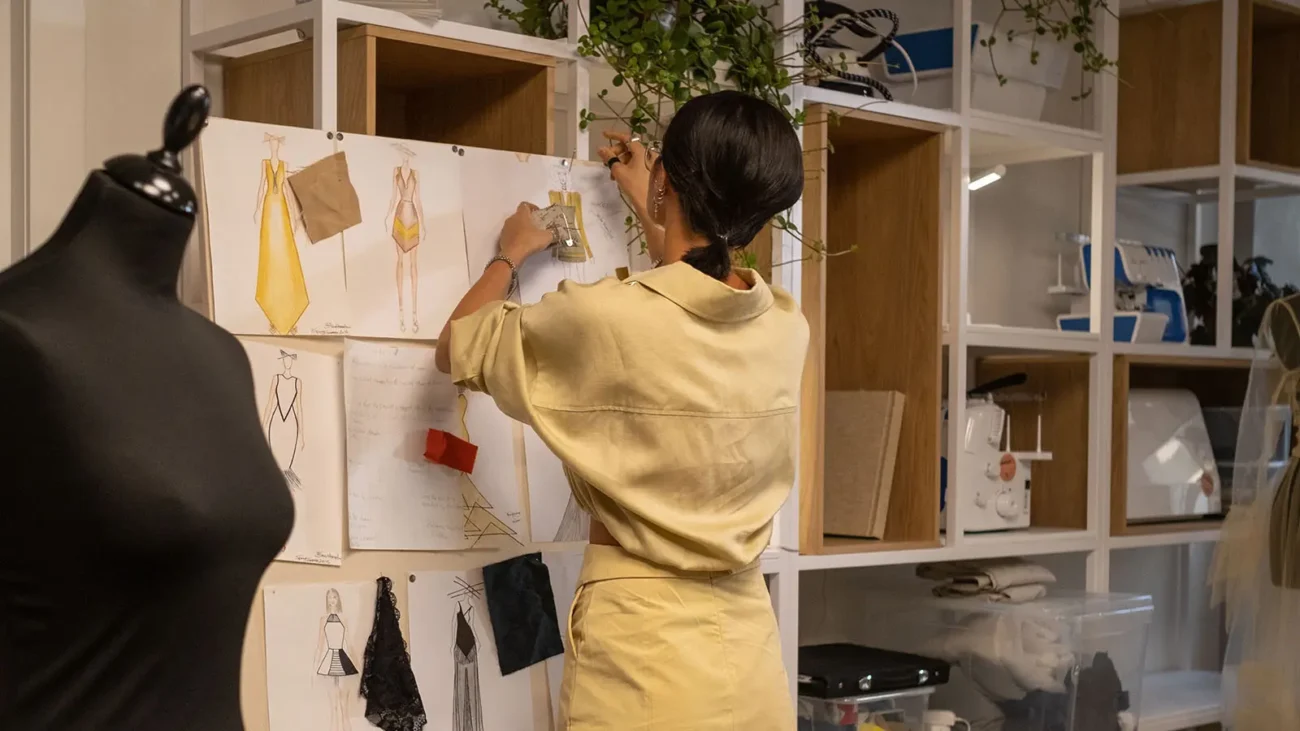
China Baby Clothing Factory (CBCF) works with international brands developing customized baby apparel collections.
Modern brands need more than production capacity.
They need a manufacturing partner that understands:
CBCF supports brands with:
As an experienced custom baby clothing manufacturer, CBCF helps brands manage the journey from product concept to finished garments.
For brands looking for product development support, the custom baby clothing manufacturing service provides solutions from initial ideas to production.
Brands can learn more about manufacturing capabilities through the CBCF factory introduction.
More production knowledge and industry information are available through baby clothing manufacturing insights.
Many companies start with baby apparel and later expand into children’s clothing and related products.
For brands developing wider apparel collections, Clothing Factory X (CFX) provides broader apparel manufacturing solutions.
Companies expanding into children’s apparel can explore China Kids Wear Factory (CKWF) for kids clothing production.
For brands creating complete infant product lines, China Baby Accessories Factory (CBAF) provides baby accessory manufacturing solutions.
For businesses requiring sourcing coordination and export support, Joyo Roy provides supply chain services.
Smart Baby Clothing Manufacturing refers to using digital tools, production management systems, and better data control to improve baby apparel production.
It focuses on improving:
No.
Technology does not replace skilled apparel workers.
Instead, it supports workers by improving:
The best manufacturing results come from combining experience with modern tools.
A manufacturer with better production systems can provide:
This helps international brands reduce uncertainty during manufacturing.
Technology helps manage customized projects through:
This is especially useful for brands developing private label baby collections.
No.
Both startups and established brands can benefit from better production management.
For smaller brands, improved communication and quality control can be especially valuable during the first production stages.

Smart Baby Clothing Manufacturing is changing how modern baby apparel is developed and produced.
The goal is not simply making garments faster.
The real value is creating a more controlled and transparent manufacturing process.
For international brands, choosing a baby clothing manufacturer with production experience and modern management systems can reduce risks and improve long-term cooperation.
By working with a reliable China baby clothing factory, brands can develop high-quality baby apparel with better production control, stronger communication, and a more dependable supply chain.

 scan wechat qrcode