20% Off for New Inquiries – Today Only!
20% Off for New Inquiries – Today Only!
When customers see a baby romper, bodysuit, or pajama online, they usually only see the finished product.
They see the design, colors, and overall appearance.
However, behind every baby garment is a detailed manufacturing process involving material selection, technical development, production planning, and quality control.
For international brands, understanding Baby Apparel Manufacturing and the complete baby clothing production process is not only about knowing how garments are made.
It helps brands choose the right production partner, avoid common manufacturing mistakes, and create products that meet customer expectations.
A professional baby clothing manufacturer does much more than cut and sew fabrics.
The real manufacturing process starts long before production begins.
It starts with selecting suitable materials, checking whether a design can be produced efficiently, and ensuring every detail can be repeated consistently during bulk production.
For brands expanding beyond baby apparel, working with a broader apparel manufacturing partner can also help manage wider product categories.
Clothing Factory X (CFX) provides OEM and ODM apparel manufacturing solutions for global brands.
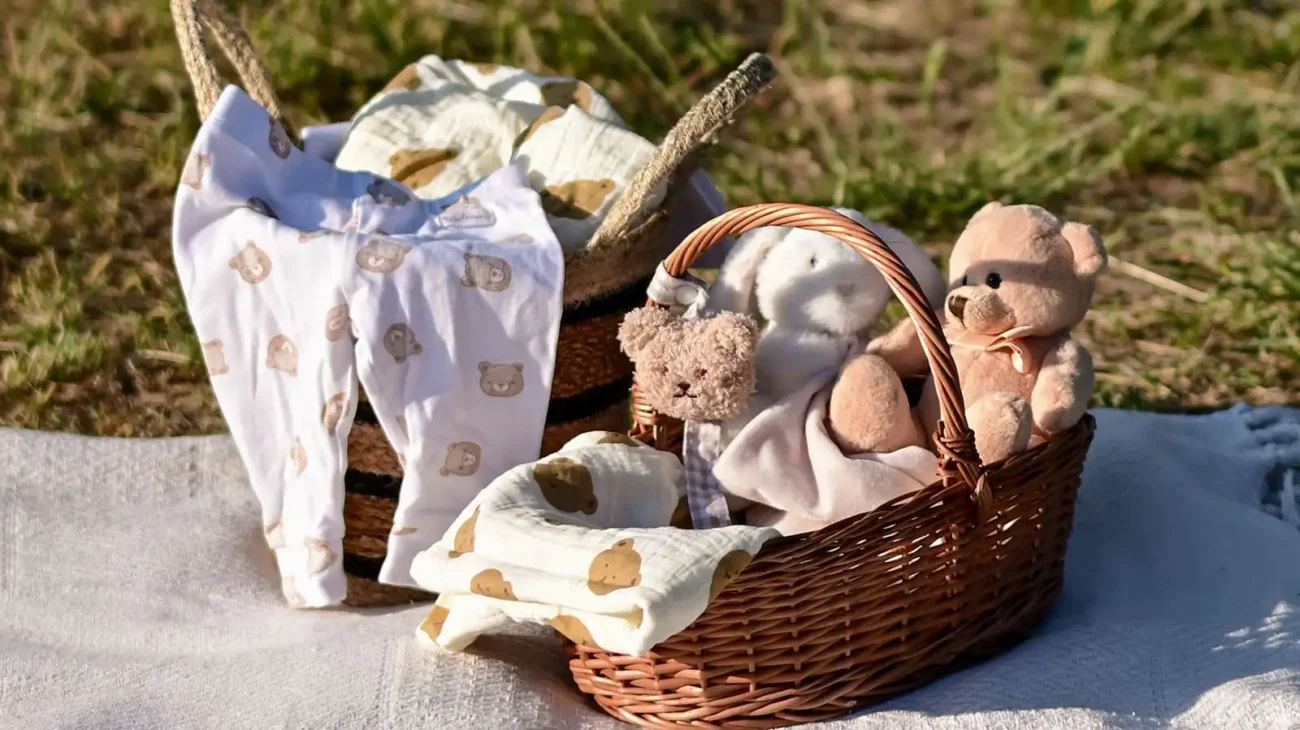
Fabric is the foundation of every baby garment.
A design may look attractive, but the wrong fabric choice can affect:
This is why experienced manufacturers usually discuss fabric options with brands before sampling begins.
A common mistake for new brands is choosing fabric only based on how it feels during the first touch.
A fabric that feels soft in a sample room may behave differently after:
Professional Baby Apparel Manufacturing requires a clear understanding of materials, production methods, and the complete baby clothing production process throughout the product lifecycle.
Different baby products require different fabric characteristics.
For example:
Baby bodysuits usually require:
Baby pajamas often focus on:
Outdoor baby products may require:
Common materials used in baby apparel include:
For brands focusing on textile safety, certifications are also an important consideration.
Many international buyers refer to standards such as OEKO-TEX Standard 100 when evaluating textile safety and harmful substance testing.
For organic collections, the Global Organic Textile Standard (GOTS) provides recognized requirements for organic fibers and responsible textile processing.
Before bulk manufacturing starts, factories normally inspect incoming materials.
This step is often overlooked by new brands, but it directly affects final product quality.
Fabric inspection may include checking:
A small fabric problem can become a large production issue if discovered after cutting.
For example, inconsistent fabric color between different production batches can affect the appearance of an entire collection.
A reliable China baby clothing factory checks these details before production to reduce unnecessary waste and delays.
A design file is only the beginning of the manufacturing process.
Before production, the factory needs to convert creative ideas into technical requirements.
This includes:
A garment that looks simple may still require many technical decisions.
For example, a baby romper needs careful consideration of:
These details affect both production efficiency and customer experience.
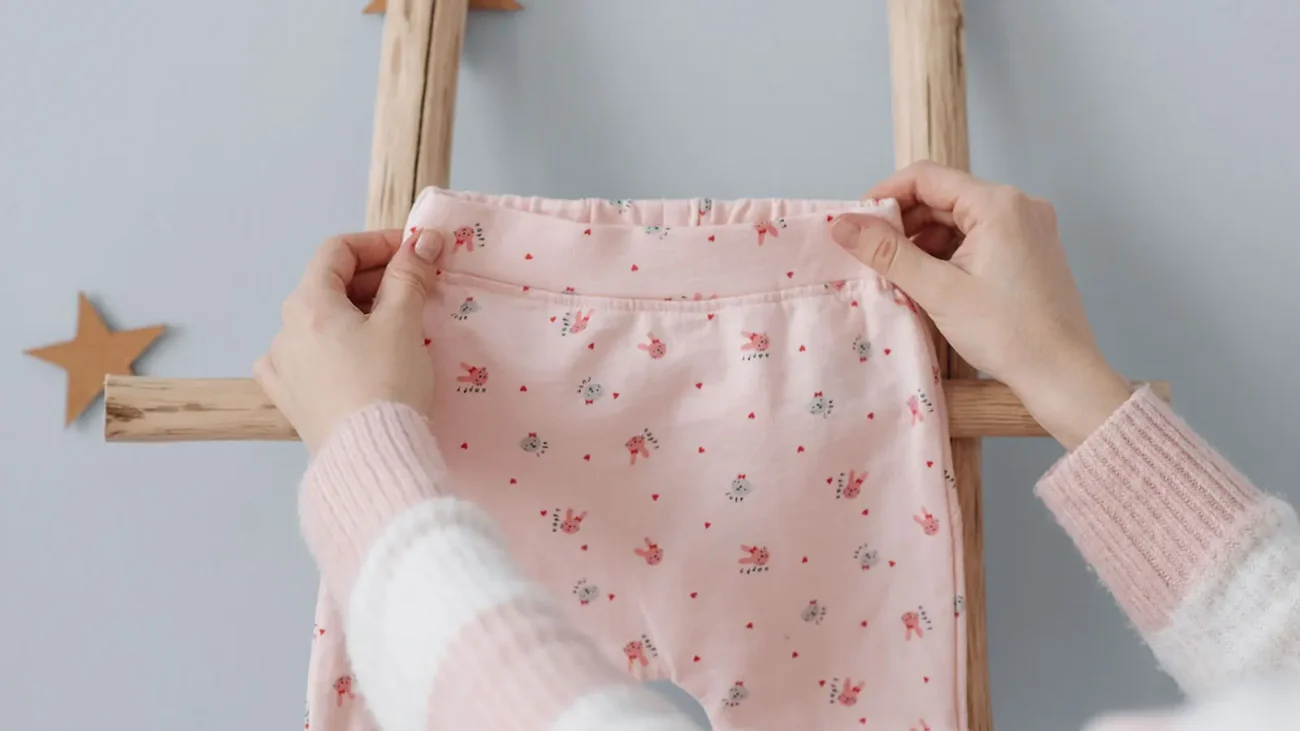
Sampling is one of the most important stages in Baby Apparel Manufacturing.
Before bulk production, brands usually need to review a physical sample.
During this stage, factories and brands check:
Changes may include:
A professional custom baby clothing manufacturer understands that sampling is a critical stage of Baby Apparel Manufacturing, helping brands solve problems before they become expensive production issues.
One challenge many brands experience is that the final bulk order does not look exactly like the approved sample.
This can happen because:
Experienced manufacturers reduce these risks through:
Good production management creates consistency between the first sample and thousands of finished garments.
After sample approval and material confirmation, production moves into preparation.
Fabric cutting may seem simple, but accuracy at this stage affects everything that follows in the baby clothing production process.
Factories need to control:
Poor cutting can create:
For baby apparel, cutting accuracy is especially important because garments often include multiple sizes in one production order.
A small measurement difference can affect:
Modern production equipment can improve cutting efficiency, but experienced production teams remain important when handling different fabrics and garment structures.
Sewing is the stage where separate fabric pieces become a complete product.
Although technology continues to improve apparel production, skilled workers remain essential in Baby Apparel Manufacturing.
Baby clothing often requires careful workmanship because comfort is one of the most important product factors.
Production teams pay attention to:
Small details can influence the customer experience.
For example, an uncomfortable seam inside a baby garment may affect wearability even if the outside appearance looks perfect.
A skilled OEM baby clothing manufacturer combines production technology with worker experience to maintain quality during bulk orders.
Real production is rarely completely straightforward.
Even with approved samples and detailed requirements, factories often need to solve unexpected issues during manufacturing.
This is where manufacturing experience creates real value.
A professional baby clothing manufacturer does not only follow instructions.
A good factory also provides suggestions when problems appear during development or bulk production.
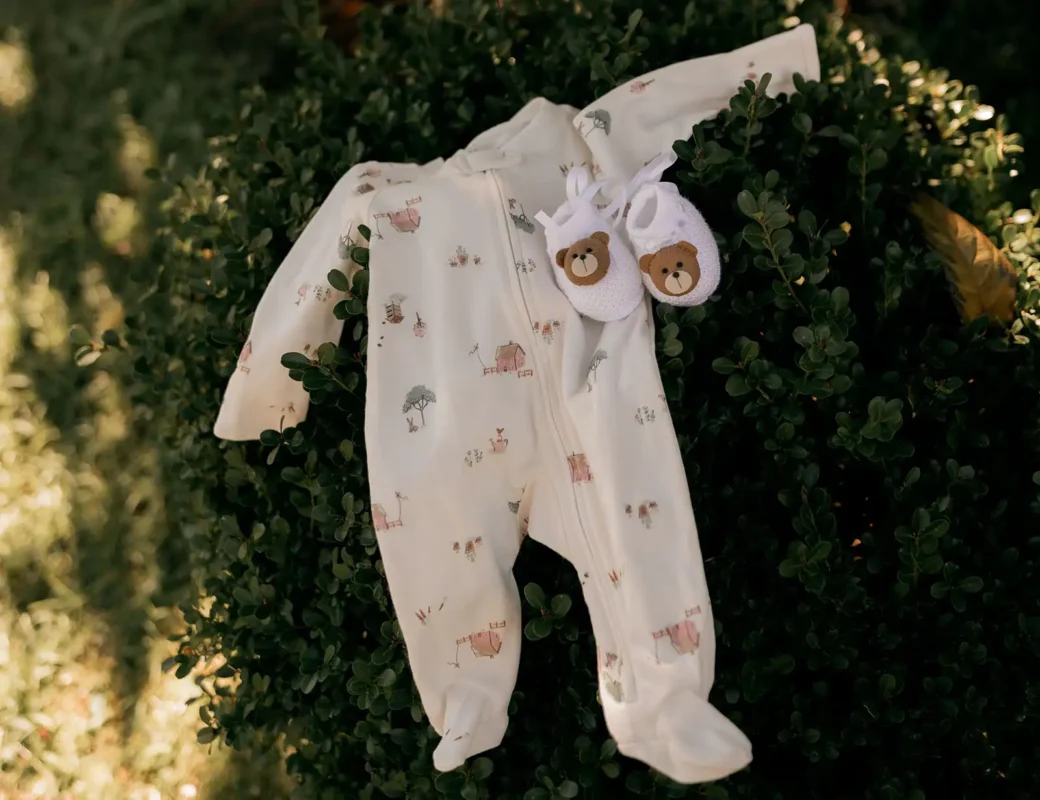
Fabric is a natural material, and slight differences between production batches may occur.
Factories need to monitor:
For large orders, maintaining consistency between different production lots is especially important.
A professional manufacturer keeps detailed production information and communicates with brands when adjustments are required.
This helps avoid situations where different production batches create noticeable differences in the final collection.
Size consistency is another important challenge in Baby Apparel Manufacturing.
Baby clothing usually covers different age groups, including:
Each size requires accurate measurements.
Factories control size accuracy through:
This ensures products maintain consistent fitting standards throughout the order.
For brands working with a custom baby clothing manufacturer, accurate size management is especially important because customized collections often include multiple designs and size ranges.
Many baby brands develop seasonal collections with multiple products.
A single order may include:
Managing multiple styles requires careful production planning.
A capable baby clothing manufacturer needs strong organization to ensure:
Many brands also expand from baby apparel into children’s clothing collections.
When product ranges grow from infant wear to kids apparel, a specialized China Kids Wear Factory (CKWF) can support larger children’s clothing production requirements.
Quality control should not only happen at the final inspection stage.
A reliable factory checks quality throughout the manufacturing process.
During production, teams may inspect:
Early inspection helps identify problems before they affect a large quantity of products.
For baby apparel, this is especially important because buyers expect consistent quality across every size, color, and production batch.
Quality management systems such as ISO 9001 are widely used by manufacturers to improve process control and continuous improvement.
For brands selling children’s products in the United States, manufacturers should also understand safety requirements from the U.S. Consumer Product Safety Commission (CPSC).
After garments pass quality inspection, factories complete the final preparation.
This stage may include:
Packaging requirements often depend on the brand’s market position.
Private label customers may request:
A flexible private label baby clothing manufacturer helps brands prepare products according to their specific market requirements.
Some brands also expand their product lines beyond clothing into complementary baby products.
For companies developing complete infant product collections, China Baby Accessories Factory (CBAF) provides manufacturing solutions for baby accessories and related products.
Choosing a factory is not only about finding a supplier that can produce garments.
The more important question is whether the factory understands the complete manufacturing process.
Experienced manufacturers can help brands avoid problems such as:
For new baby brands, manufacturing experience is especially valuable because many production decisions are difficult to understand without industry knowledge.
A good manufacturing partner can provide suggestions before problems happen.
Successful baby brands usually continue developing new products after their first collection.
A reliable manufacturer can support future growth through:
This creates a stronger long-term relationship between brands and factories.
For brands requiring broader sourcing coordination and international supply chain support, Joyo Roy provides additional manufacturing and export solutions.
China Baby Clothing Factory (CBCF) works with international brands developing customized baby apparel collections.
For overseas buyers, the biggest challenge is usually not finding a factory that can sew garments.
The challenge is finding a manufacturing partner that can manage the complete baby clothing production process:
CBCF is a professional China baby clothing factory helping global brands develop customized baby apparel through a complete Baby Apparel Manufacturing process.
CBCF supports brands with:
For brands developing their own collections, the custom baby clothing manufacturing service provides support from product concepts to finished garments.
Brands can learn more about production experience through the CBCF factory introduction.
Additional industry information is available through baby clothing manufacturing insights.
Brands should prepare as much product information as possible, including:
Clear information helps factories provide more accurate recommendations.
Differences may happen because of:
Professional manufacturers reduce these differences through better production control, clear technical documents, and quality checkpoints.
Factories control quality through:
Quality control should happen throughout the entire manufacturing process.
Yes.
A custom baby clothing manufacturer can support:
This allows brands to turn ideas into products that can be manufactured consistently.
MOQ affects material planning, production efficiency, and overall cost.
A lower MOQ may be suitable for new brands testing the market, while larger production quantities may provide better efficiency.
An experienced manufacturer can help brands choose a practical order quantity based on:
Brands should evaluate more than price.
Important factors include:
The right factory should act as a manufacturing partner, not only a production supplier.
Baby Apparel Manufacturing is a detailed process that transforms fabric into finished products.
Every stage matters:
For international baby brands, understanding this process helps them work more effectively with manufacturers.
The best production partnerships are built on communication, technical knowledge, and consistent manufacturing performance.
By partnering with an experienced baby clothing manufacturer, brands can create high-quality baby apparel with better production control, reliable quality, and long-term supply chain support.

 scan wechat qrcode