20% Off for New Inquiries – Today Only!
20% Off for New Inquiries – Today Only!
When a new baby brand contacts a factory for the first time, MOQ is usually one of the first questions they ask.
Armed with a clear product idea, a design file, and a target customer group, many founders naturally hope to start small—perhaps just 50 or 100 pieces of a completely customized baby garment. While this cautious approach makes sense from an inventory perspective, custom manufacturing involves a complex chain of preparation before bulk production can even begin.
From fabric purchasing and pattern development to sample approval and quality inspection, understanding Baby Clothing Manufacturer MOQ is the key to building a realistic production plan and avoiding hidden costs. For a professional factory, MOQ isn’t just an arbitrary rule; it is driven by production efficiency, material constraints, and the true cost of customization.
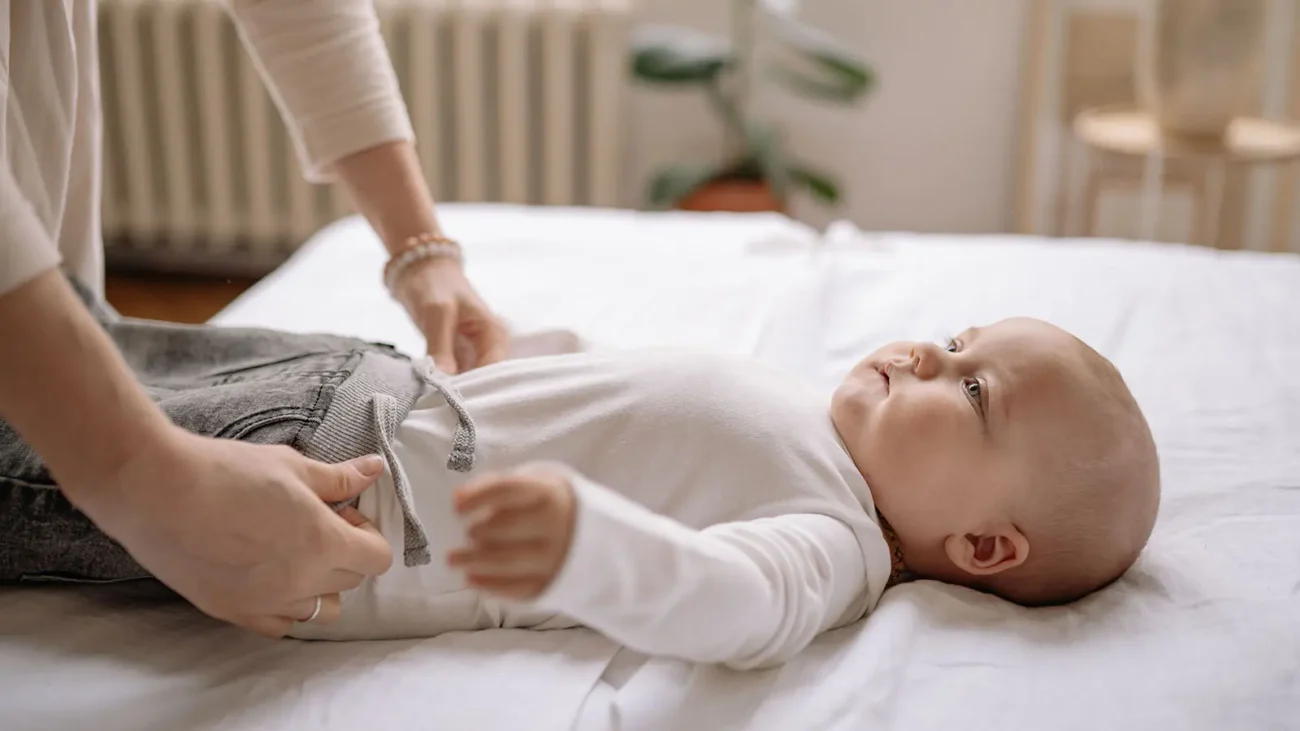
MOQ means Minimum Order Quantity.
In baby clothing production, Baby Clothing Manufacturer MOQ refers to the smallest quantity a factory can accept for a specific production order.
The MOQ can vary depending on:
For example, producing a basic baby T-shirt using available fabric is very different from developing a completely new private label baby romper with custom fabric, labels, and packaging.
The second option requires much more preparation before production starts.
From a factory perspective, MOQ exists because every order involves fixed preparation costs.
Even a small order requires:
These steps take time regardless of whether the order contains 100 pieces or 1,000 pieces.
Many new brands initially think MOQ is only about production quantity.
In reality, MOQ is usually determined by several practical manufacturing factors.
Fabric is one of the biggest factors affecting baby clothing MOQ.
A common situation we see is that a startup brand wants a custom color or special fabric but only needs a small quantity.
The challenge is not the sewing process.
The limitation often comes from fabric suppliers.
Many fabrics require minimum purchasing quantities because textile production involves:
For example, organic cotton, bamboo fabric, and custom printed materials may require higher minimum quantities compared with standard fabrics already available in the market.
A reliable China baby clothing factory will usually help brands select materials that match their order size and budget.
Sometimes using an existing fabric option is a better choice for the first order because it reduces both MOQ and development risk.
Garment manufacturing requires organized production planning.
A factory needs to arrange:
Very small orders can create inefficiencies because the preparation time is almost the same as larger production runs.
For example, setting up a production line for 100 customized baby bodysuits may require similar preparation work as producing 500 pieces.
The difference is that larger quantities allow those preparation costs to be spread across more products.
This is why MOQ is often connected with production efficiency rather than simply factory preference.
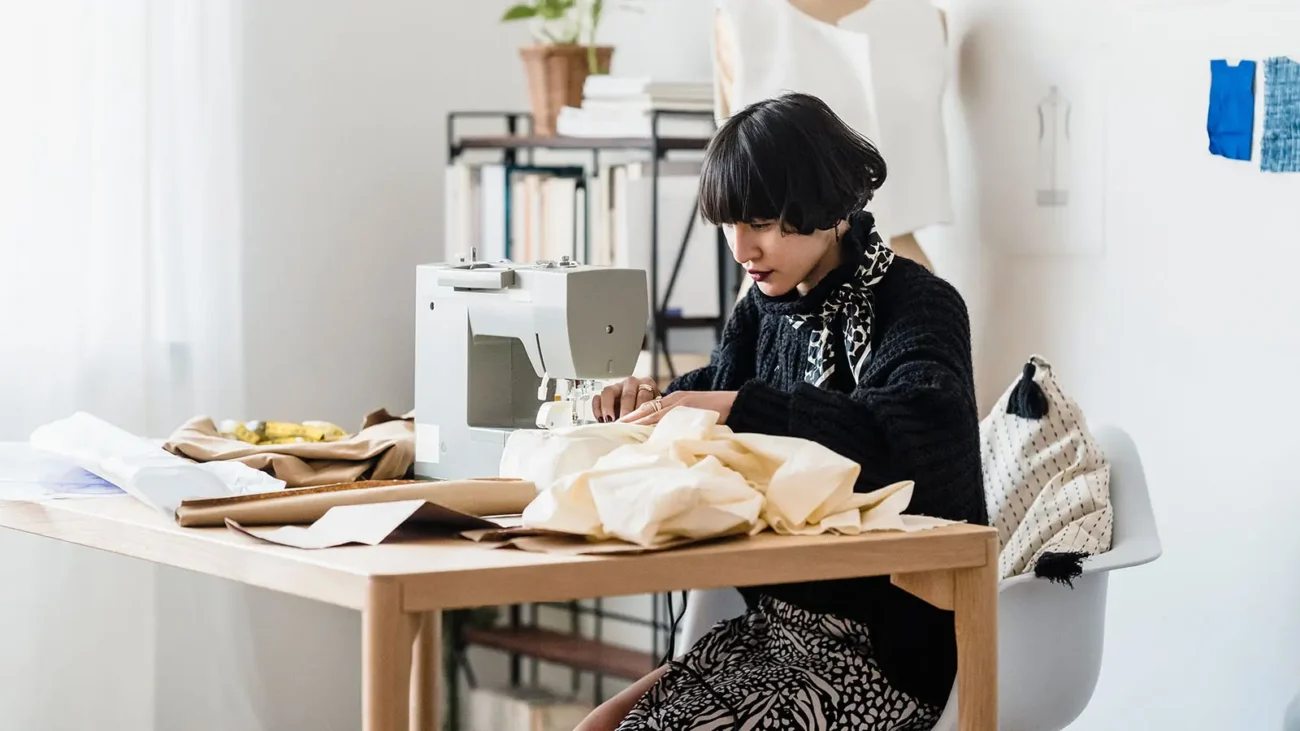
Standard products usually have lower MOQ because the factory already has:
However, a custom baby clothing manufacturer needs additional preparation when creating a new product.
Custom projects may involve:
For example, a brand developing a private label baby collection may need several rounds of sampling before confirming the final design.
These development stages affect the recommended MOQ.
There is no fixed MOQ that applies to every baby clothing factory.
A realistic quantity depends on the product and customization requirements.
For simple products using standard materials, MOQ can often be lower.
Examples include:
These products usually require less development work.
For some factories, production quantities may start from a few hundred pieces per style depending on the project.
Customized products usually require higher quantities.
Examples include:
A custom baby clothing manufacturer may recommend a higher MOQ because more resources are involved before bulk production.
For brands building their own collections, MOQ depends on the overall product strategy.
A collection with:
requires more planning compared with producing one single item.
A flexible private label baby clothing manufacturer can help brands decide whether to start with fewer products or develop a complete seasonal collection.
The first production order should not be based only on getting the lowest possible unit price.
A successful first order should match the brand’s current stage.
For many new baby brands, the purpose of the first order is market validation.
The goal is to understand:
Producing too much inventory before understanding customer demand can create unnecessary pressure.
A smaller but carefully planned first order often gives brands more flexibility.
One common mistake is launching too many styles at once.
A new brand may want:
However, this can quickly increase inventory investment.
Many successful brands start with a focused product range.
For example:
After collecting sales data, they expand gradually.
When deciding the first order quantity, brands need to balance two opposite factors:
A smaller order reduces the amount of stock a brand needs to manage.
However, smaller quantities usually mean higher production costs because fixed manufacturing expenses are divided among fewer pieces.
For example, sampling, pattern preparation, and production setup costs still exist whether the order contains 100 pieces or 500 pieces.
From a manufacturing perspective, the ideal first order is not always the smallest possible quantity.
It is the quantity that allows the brand to test the market while maintaining reasonable production efficiency.
During years of working with international buyers, we often see several common MOQ misunderstandings.
Many new brands search for the lowest possible MOQ.
However, MOQ alone should not determine supplier selection.
A factory offering extremely low quantities may have limitations in:
A reliable baby clothing manufacturer should help brands find a practical solution instead of simply accepting the smallest possible order.
Another common mistake is creating a large collection before testing the market.
A first order with too many styles can create:
For new brands, focusing on a smaller number of strong products is usually easier to manage.
Baby clothing requires careful size planning.
Unlike adult apparel, baby sizes are closely related to age groups.
Brands should consider:
A professional factory can provide suggestions based on previous production experience.
Correct size planning helps brands avoid situations where certain sizes sell out while others remain unsold.
Many startups want to reduce their first production quantity.
There are several realistic methods.
One of the easiest ways to lower MOQ is choosing fabrics already available through the factory.
Using existing materials can reduce:
This approach is especially useful for new brands testing their first collection.
Fully customized products require more preparation.
For the first order, brands can consider:
After confirming market demand, more customization can be introduced.
Instead of producing many different items, brands can begin with key products.
For example:
After successful sales performance, additional products can be developed.
This approach reduces risk while allowing the brand to build customer feedback.
Not every supplier has the same MOQ flexibility.
Large factories may focus mainly on high-volume production.
Smaller or more flexible manufacturers may provide more support for emerging brands.
When choosing a supplier, brands should evaluate:
A good manufacturing partner should understand that every brand grows at a different pace.
China Baby Clothing Factory (CBCF) works with international brands developing customized baby apparel collections.
The factory understands that MOQ decisions are different for every business.
A startup brand may need:
An established brand may require:
CBCF supports brands with:
As an experienced custom baby clothing manufacturer, CBCF helps brands evaluate MOQ based on actual production requirements instead of using a fixed approach for every project.
For brands developing their own baby clothing collections, the custom baby clothing manufacturing service provides support from initial concepts to finished production.
Brands can learn more about manufacturing capabilities through the CBCF factory introduction.
Additional production knowledge and industry information are available through baby clothing manufacturing insights.
Many baby brands expand into children’s apparel and related categories after establishing their first products.
For companies developing broader apparel collections, Clothing Factory X (CFX) provides custom apparel manufacturing solutions.
Brands entering children’s apparel markets can explore China Kids Wear Factory (CKWF) for kids clothing production.
For companies developing complete infant product lines, China Baby Accessories Factory (CBAF) provides baby accessory manufacturing support.
For brands needing sourcing coordination and export services, Joyo Roy provides supply chain solutions.
There is no universal MOQ because every product is different.
The final quantity depends on:
Simple baby clothing products usually have lower MOQ requirements, while highly customized products require more preparation.
Yes, some manufacturers can support smaller first orders.
However, brands should understand that lower quantities may affect:
The best solution depends on the brand’s goals and future production plans.
Brands can reduce MOQ by:
Discussing requirements with the factory early can help identify the most practical approach.
For private label products, MOQ affects both investment and product strategy.
A suitable MOQ helps brands:
A professional private label baby clothing manufacturer can help balance customization needs with production efficiency.
Not necessarily.
A lower unit price is only beneficial if the products can be sold successfully.
For new brands, controlling inventory risk is often more important than achieving the lowest production cost.
Choosing the right Baby Clothing Manufacturer MOQ is an important step for any new baby clothing brand.
The first order should not simply be the smallest quantity available or the largest quantity that provides a lower price.
The right decision depends on:
An experienced baby clothing manufacturer can help brands understand the real production requirements behind MOQ and create a practical ordering strategy.
By working with a reliable China baby clothing factory, brands can develop high-quality baby apparel collections while maintaining better control over inventory, cost, and production quality.

 scan wechat qrcode