20% Off for New Inquiries – Today Only!
20% Off for New Inquiries – Today Only!
Many baby brands have great product ideas but face challenges when turning those ideas into production-ready collections. Fabric selection, sample development, quality control, and finding the right supplier can directly affect the final product quality.
Working with a private label baby clothing manufacturer allows brands to develop custom baby apparel without investing in their own production facilities. An experienced manufacturing partner can support product development, material sourcing, sampling, bulk production, and quality management.
However, choosing a supplier is not only about price. Brands should evaluate manufacturing experience, communication, production capability, and long-term cooperation potential.
For companies looking for a baby clothing manufacturer, understanding the private label production process helps reduce risks and build a more reliable supply chain.
This guide covers the 9 key steps to develop a baby apparel brand, from product concept and fabric selection to sampling, production, and delivery.
Launching a baby apparel brand requires more than purchasing finished products and adding a logo.
Today, many brands want more control over:
This is why private label manufacturing has become an important model for many baby brands.
A private label baby clothing manufacturer helps brands create products under their own name while managing the technical side of production.
The manufacturer typically supports:
This allows brands to focus more resources on:
For startups, this approach reduces the investment required to enter the baby clothing market.
Before searching for a manufacturer, brands should first understand what they want to build.
A clear product direction makes communication with suppliers much easier.
Brands should define:
For example:
A premium newborn clothing brand may focus on:
A daily baby essentials brand may focus on:
Different brand positioning affects decisions about fabrics, construction, packaging, and production methods.
Baby apparel includes many product opportunities:
Some brands also expand into baby accessories.
For brands developing wider product categories, related manufacturing resources include:
A clear product roadmap helps manufacturers provide more accurate suggestions during development.
Choosing the right supplier is one of the most important decisions for any baby apparel brand.
Many brands initially compare factories mainly by price. However, the lowest quotation does not always create the best value.
Production experience, sample accuracy, communication speed, and quality consistency often have a greater impact on the final result.
When selecting a private label baby clothing manufacturer, brands should review:
Baby clothing production requires attention to details that can easily be overlooked.
Examples include:
A supplier experienced in baby apparel can identify potential problems before bulk production begins.
A reliable private label baby clothing manufacturer should support:
Brands should also confirm:
Before cooperation, brands should also ask:
More information about CBCF’s manufacturing capabilities is available on the CBCF About Us page.
After selecting a manufacturing partner, the next stage is turning ideas into products that can actually be produced.
Many new brands underestimate this step.
A design that looks simple on paper may require adjustments because of:
Brands usually provide:
The manufacturer reviews details such as:
For example, a special design feature may look attractive but increase production complexity.
An experienced OEM baby clothing manufacturer or private label baby clothing manufacturer can suggest practical improvements while keeping the original brand concept.
A capable manufacturing partner can assist with:
This support is especially valuable for brands without their own technical development team.
Fabric selection is one of the earliest decisions that affects final product quality.
In real production, some materials may look suitable during selection but create problems later.
Possible issues include:
For this reason, brands should work with a baby clothing manufacturer that understands not only fabric appearance but also production performance.
Common materials used in baby clothing include:
The right fabric depends on the product application.
For example:
Baby sleepwear often requires:
Baby outerwear may require:
A good material choice should consider both customer expectations and manufacturing requirements.
Many international brands pay close attention to textile safety.
For example:
OEKO-TEX® Standard 100 is commonly used to verify textile safety and limit harmful substances in fabrics.
Brands developing organic collections may also consider requirements from Global Organic Textile Standard (GOTS).
A knowledgeable manufacturing partner can help brands select materials suitable for different markets and product categories.
Sampling is where many production challenges appear for the first time.
The first sample is rarely the final product.
During development, manufacturers often discover details that need improvement:
The sample stage evaluates:
For baby products, small details can have a significant impact.
Examples include:
An experienced custom baby clothing manufacturer can help brands adjust these details before bulk production.
Before production begins, brands should approve:
A detailed approval process reduces costly changes during bulk manufacturing.
Brands looking for complete development support can explore CBCF custom baby clothing manufacturing services.
Private label production allows brands to create products that represent their own identity.
However, branding is not only about adding a logo.
A successful baby apparel brand needs consistent details that customers can recognize.
Customization may include:
These elements help create a stronger connection between the product and the brand.
A manufacturing partner helps coordinate:
Small mistakes in these areas can create problems during retail sales.
For brands selling internationally, working with a manufacturer familiar with export requirements can reduce unnecessary delays.
After sample approval, the project moves into bulk manufacturing.
This stage determines whether the final products match the approved sample.
The production process usually includes:
A professional baby clothing factory China manages production schedules while monitoring quality throughout manufacturing.
A factory with strong production management helps ensure that:
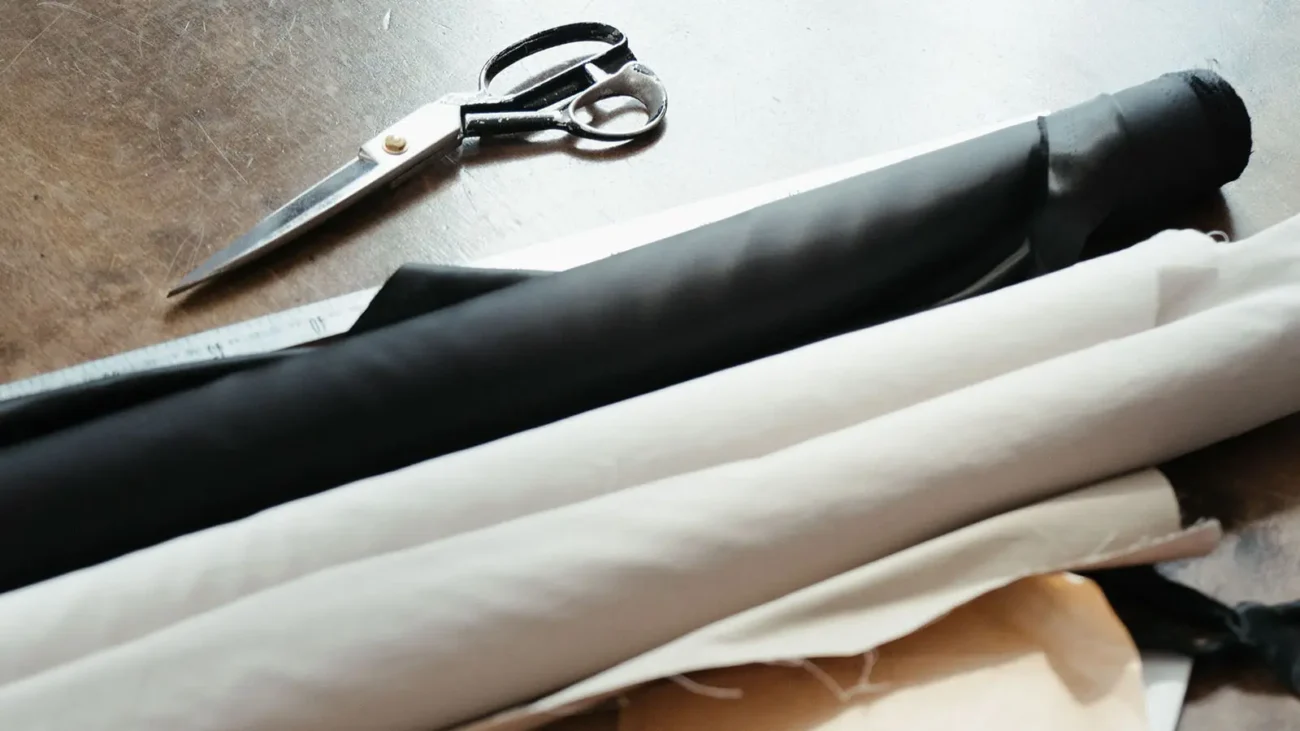
Quality control should not only happen at the end.
Manufacturers usually check:
For baby clothing, consistent quality is especially important because parents expect products to be safe, comfortable, and durable.
Brands should discuss inspection procedures with their baby clothing manufacturer before starting bulk production.
After production is completed, products need to be prepared for global markets.
Manufacturing does not end when garments leave the production line.
International orders may require:
Different markets may have different expectations regarding labeling and product information.
A complete supply chain includes coordination between:
A supplier with export experience can help brands prepare products correctly and reduce shipping problems.
For additional sourcing and export support, brands can explore Joyo Roy.
A strong baby clothing brand is rarely built through one production order.
The most successful brands usually develop long-term relationships with manufacturing partners.
As brands grow, they may expand into:
A manufacturing partner that understands the brand can provide better support during future development.
Long-term cooperation helps improve:
For brands expanding beyond baby apparel, additional manufacturing support is available through Clothing Factory X apparel manufacturing solutions.
Choosing a private label baby clothing manufacturer means finding a partner that understands both product development and manufacturing requirements.
The right supplier should support:
China Baby Clothing Factory (CBCF) works with international brands to develop baby apparel collections from initial concepts through bulk production.
Brands can also explore more manufacturing knowledge through CBCF baby apparel manufacturing insights.
A private label baby clothing manufacturer produces baby apparel that brands can sell under their own brand name with customized designs, labels, and packaging.
MOQ depends on product design, fabric selection, construction requirements, and production quantity.
Before starting development, brands should discuss order quantities with the manufacturer to find a suitable production solution.
The timeline depends on several factors:
Simple products usually require less development time, while complex designs may need additional adjustments.
Yes.
Many growing brands work with manufacturers that provide:
Finding a supplier that understands smaller brands can make the development process smoother.
OEM focuses on manufacturing products based on brand requirements.
Private label production usually includes additional branding elements such as:
Many manufacturers provide both OEM and private label services depending on brand needs.
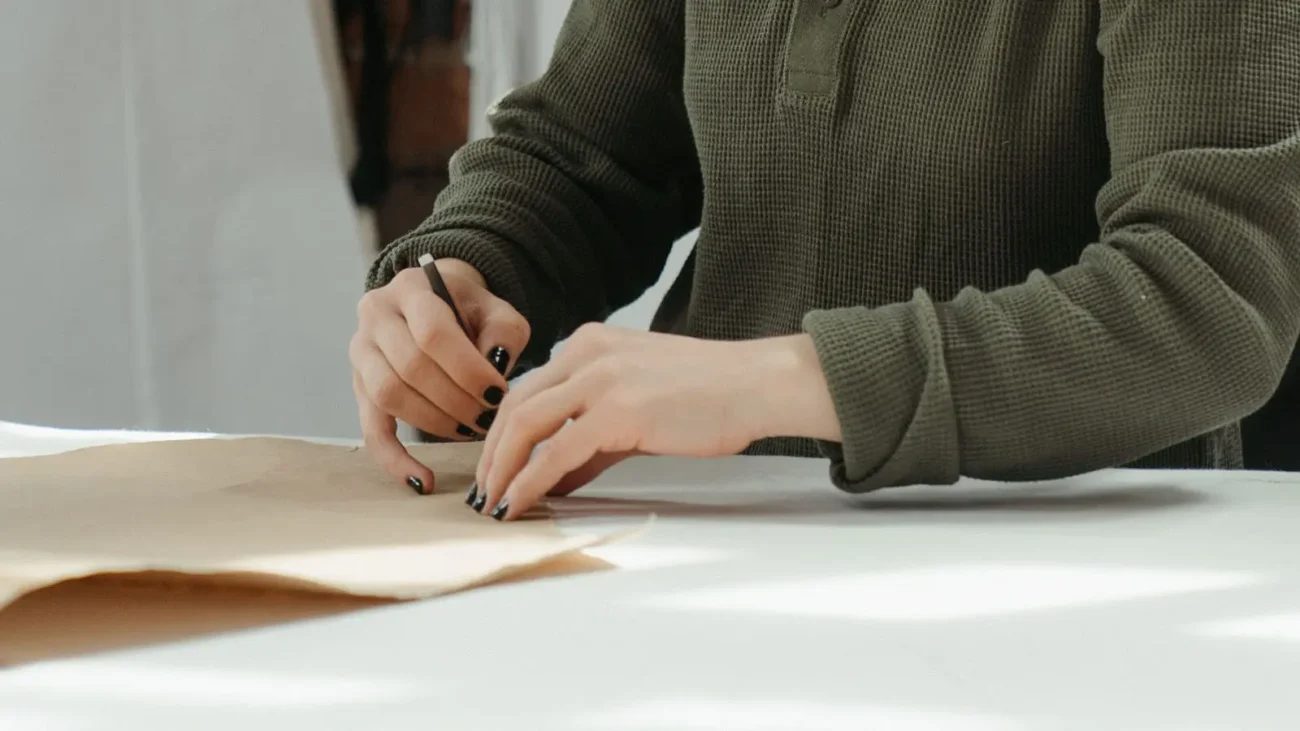
Building a baby apparel brand requires more than finding a factory that can produce garments.
The right private label baby clothing manufacturer helps brands manage product development, materials, sampling, production, and quality control.
Whether a brand needs an OEM baby clothing manufacturer, a custom baby clothing manufacturer, or a complete production partner, choosing the right supplier is critical for long-term success.
An experienced manufacturing partner helps transform a product idea into a finished collection that meets customer expectations.
For international brands, the goal is not simply to find a factory that can make products. The goal is to build a reliable supply chain that supports future growth.

 scan wechat qrcode