20% Off for New Inquiries – Today Only!
20% Off for New Inquiries – Today Only!
Creating a successful baby clothing collection requires more than a good design idea. Between the first concept and the final shipment, every product goes through a detailed development and production journey.
For international brands, understanding the baby clothing manufacturing process helps avoid common sourcing problems and improves communication with suppliers.
In real production, many challenges appear before garments reach the sewing line:
A professional baby clothing manufacturer does not only produce garments. The right partner supports brands through product development, material selection, sampling, production management, and quality control.
For companies working with a baby clothing factory China, understanding the complete baby clothing manufacturing process from design to delivery makes it easier to manage expectations and build a reliable supply chain.
This guide explains the 10 essential steps involved in baby apparel production, from the initial idea to finished products ready for shipment.
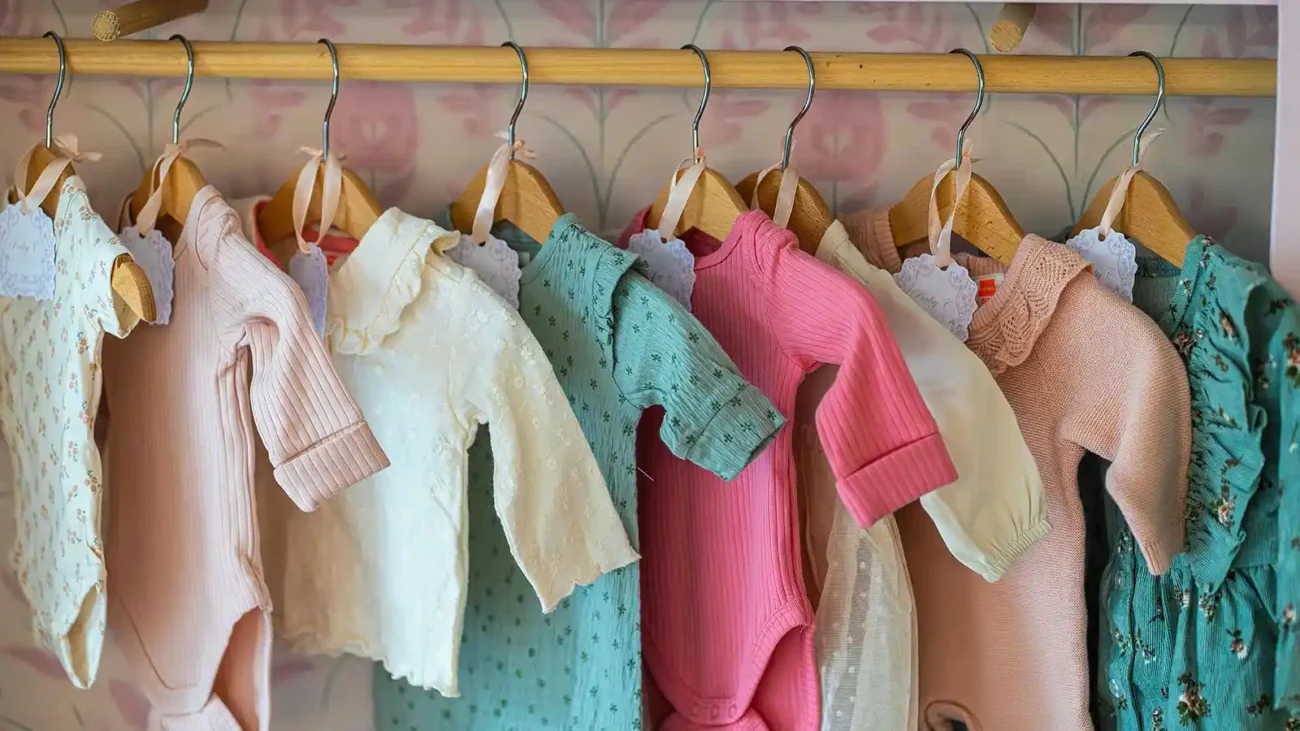
Baby clothing has higher requirements compared with many other apparel categories.
Products need to provide:
For manufacturers, small production details can have a major impact.
For example:
A reliable baby apparel manufacturer understands these challenges and manages each production stage carefully.
For brands, choosing a supplier is not only about comparing prices. A capable manufacturing partner should provide technical knowledge, production experience, and support throughout the complete baby clothing manufacturing process.
Companies that understand the production journey can make better decisions when selecting suppliers, approving samples, and planning new collections.
Every product starts with an idea, but converting that idea into a production-ready garment requires professional development.
Before manufacturing begins, brands usually provide:
A manufacturer reviews these details and evaluates how the product can be produced efficiently.
Different baby products require different manufacturing experience.
For example:
Baby bodysuits require attention to:
Baby jackets require more focus on:
During the early stage of the baby clothing manufacturing process, experienced manufacturers often suggest improvements that make products easier to produce while maintaining design requirements.
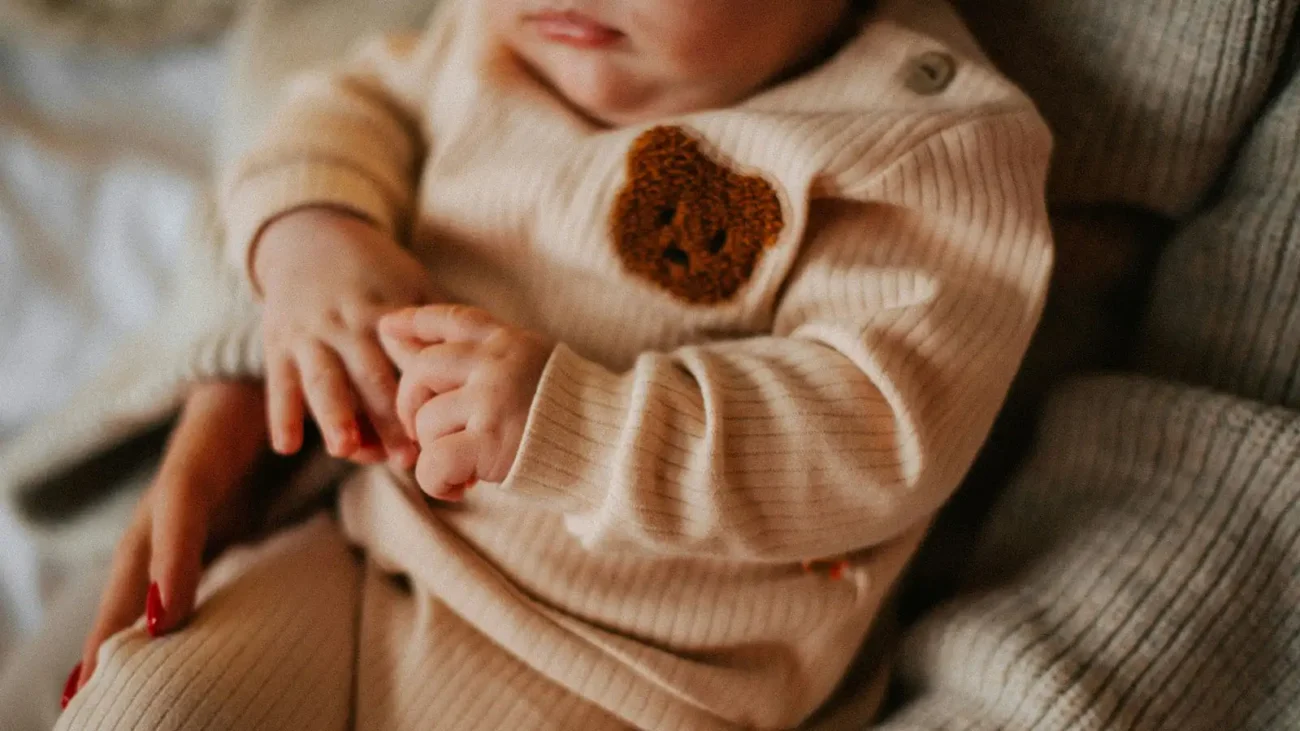
Before sampling, manufacturers confirm technical information, including:
Clear communication at this stage reduces unnecessary changes later.
Fabric selection is one of the most important stages in the baby clothing manufacturing process.
A fabric that looks attractive during selection may not always perform well during bulk production.
Manufacturers evaluate materials based on:
Common materials used by a baby clothing manufacturer include:
Organic cotton remains popular because of its softness and breathability.
Bamboo and Tencel fabrics are often selected by brands looking for comfortable and sustainable options.
For textile safety, many brands choose fabrics tested according to standards such as OEKO-TEX® Standard 100.
For organic collections, Global Organic Textile Standard (GOTS) is widely recognized for organic textile requirements.
Before production begins, manufacturers usually check:
Proper fabric testing helps reduce problems after products reach customers.
After fabric approval, the next stage of the baby clothing production process is sample development.
The sample stage transforms a design concept into a physical product.
Pattern development determines:
For baby apparel, patterns must balance appearance and comfort.
A good pattern allows babies to move naturally while keeping the intended design style.
The first sample allows brands to review:
Most professional projects require some adjustments before approval.
A reliable custom baby clothing manufacturer understands that sample improvement is a normal part of product development.
Sample approval is a critical checkpoint in the baby clothing manufacturing process.
A finished sample is not only a visual reference. It becomes the standard for bulk production.
Brands and manufacturers usually check:
For baby products, small details matter.
Examples include:
Before production starts, the factory confirms:
Brands looking for complete development support can explore CBCF custom baby clothing manufacturing services.
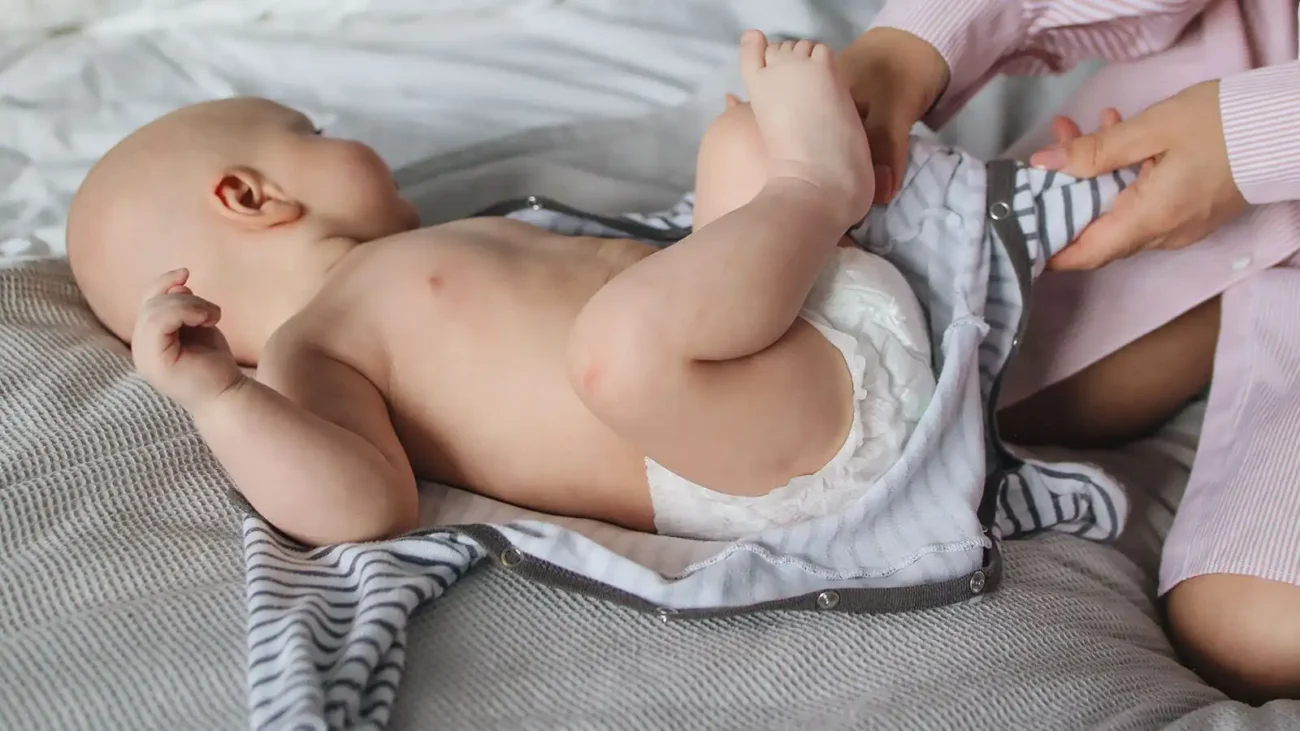
After sample approval, the factory prepares for bulk production.
This stage involves coordinating materials, workers, equipment, and timelines.
Factories prepare:
Before cutting begins, materials are checked to ensure they meet requirements.
A professional baby clothing factory China creates production plans based on:
Good planning helps prevent production delays.
Bulk manufacturing is where approved samples become finished garments.
The main production steps include:
Different products require different techniques.
For example:
Baby rompers require attention to:
Baby sleepwear requires:
An experienced baby clothing manufacturer manages these details to maintain consistency during large production runs.
During manufacturing, teams monitor:
A structured production system is essential for maintaining quality.
Quality control is one of the most important parts of the complete baby clothing manufacturing process.
Quality should not only be checked after production. Problems are easier to solve when they are identified early.
During production, factories inspect:
Early inspection reduces the chance of large quantity problems.
Before shipment, finished products are checked for:
Brands evaluating suppliers should review factory experience and quality systems. More information about CBCF production capability is available through the CBCF About Us page.
After garments pass quality inspection, they move to final preparation.
International brands usually require:
These details must be confirmed before production.
Packaging may include:
A professional supplier helps ensure products match brand requirements.
For brands expanding into broader apparel categories, additional manufacturing support is available through Clothing Factory X apparel manufacturing solutions.
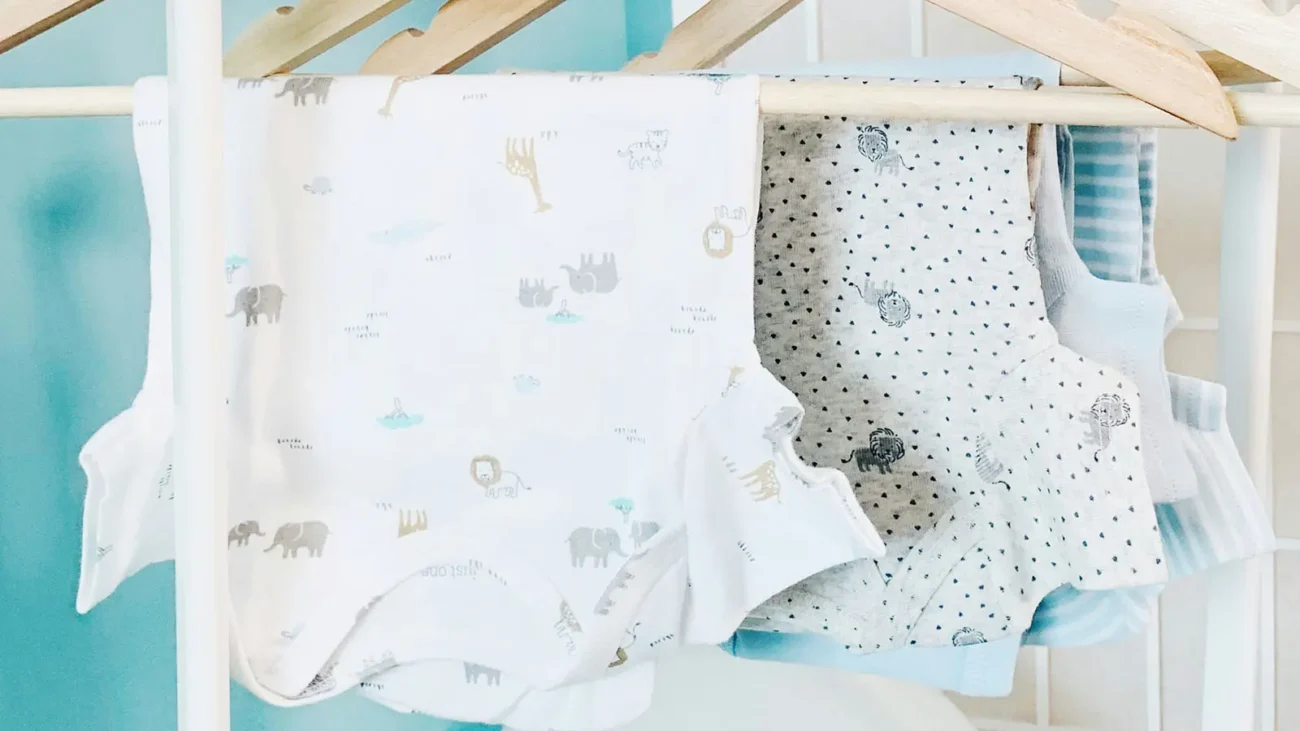
Before products leave the factory, the final inspection stage begins.
The factory confirms:
This step helps reduce problems after delivery.
International orders require coordination between:
For brands needing additional supply chain support, Joyo Roy provides sourcing and export solutions.
The final stage of the baby clothing manufacturing process is not shipment. It is building a long-term partnership.
Successful brands usually work with manufacturers that can support future growth.
Long-term cooperation helps improve:
A manufacturer that understands a brand’s products can provide better suggestions for future collections.
Many baby brands eventually expand into:
Related manufacturing resources include:
The modern baby clothing manufacturer provides much more than production capacity.
A professional partner supports:
China Baby Clothing Factory (CBCF) helps international brands develop and manufacture baby apparel collections from the first concept to bulk production.
Brands can also explore more industry knowledge through CBCF baby apparel manufacturing insights.
The timeline depends on:
Most projects include product development, sampling, bulk production, inspection, and shipment.
Brands should prepare:
Clear information helps manufacturers provide better recommendations.
Yes. Many OEM and ODM suppliers provide support with:
Baby products require high standards. Quality control ensures garments meet expectations for safety, comfort, and durability.
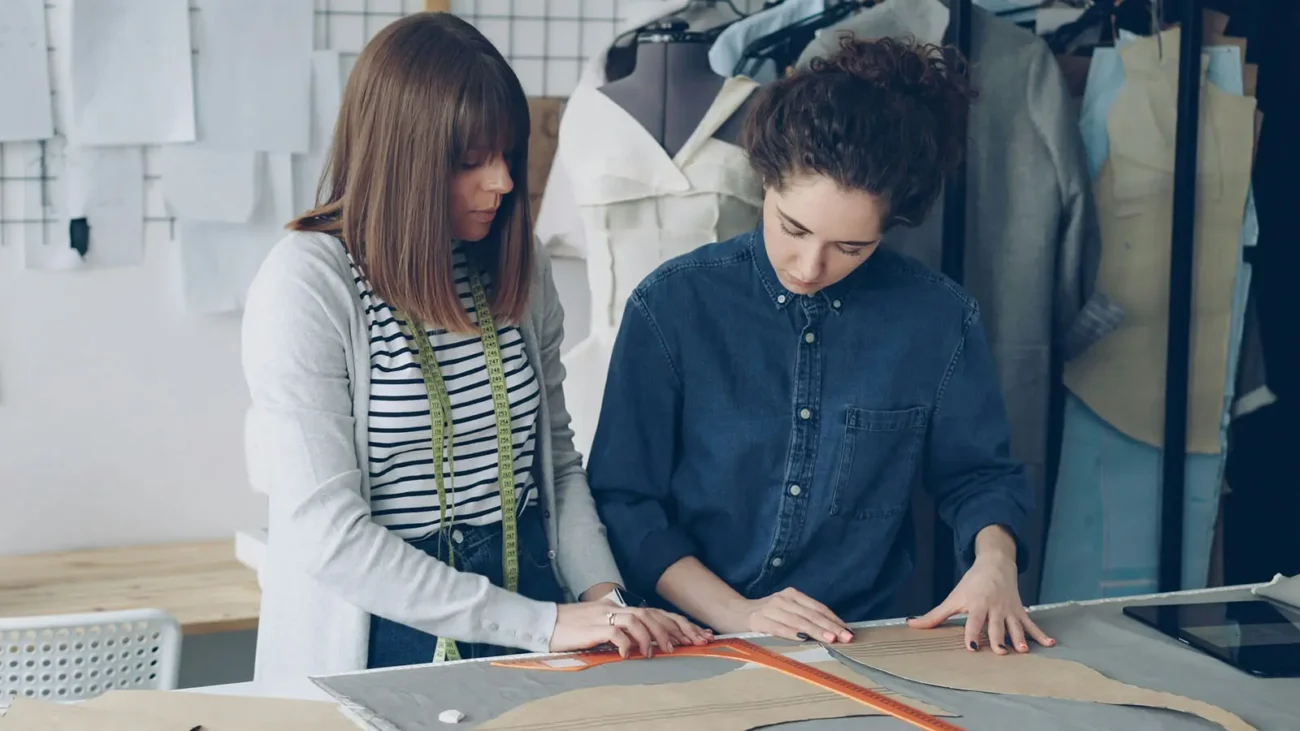
The baby clothing manufacturing process includes many important stages, from product planning and fabric selection to sampling, production, inspection, and delivery.
For international brands, understanding these steps helps create better communication with suppliers and reduces production risks.
A reliable baby clothing manufacturer provides the experience needed to manage product development, manufacturing quality, and supply chain coordination.
By working with an experienced baby clothing factory China, brands can create safe, comfortable, and reliable baby apparel collections while building a stronger foundation for long-term growth.

 scan wechat qrcode