20% Off for New Inquiries – Today Only!
20% Off for New Inquiries – Today Only!
Many baby brands have strong product ideas but face challenges when turning those ideas into production-ready collections. Choosing the right fabric, finding a capable supplier, and maintaining consistent quality can directly affect the success of a new baby apparel line.
Working with an organic cotton baby clothing manufacturer allows brands to develop customized baby apparel without building their own production facilities. An experienced organic cotton baby clothing manufacturer can also help brands select suitable fabrics and manage production requirements before bulk manufacturing.
However, producing organic cotton baby clothing is not only about selecting an organic fabric. Brands also need to evaluate certification standards, manufacturing capability, production processes, and supplier experience before starting bulk production.
For companies searching for a baby clothing manufacturer, understanding these key factors can help reduce production risks and build a more reliable supply chain.
This guide explains 7 proven checks brands should complete before producing organic cotton baby clothing.
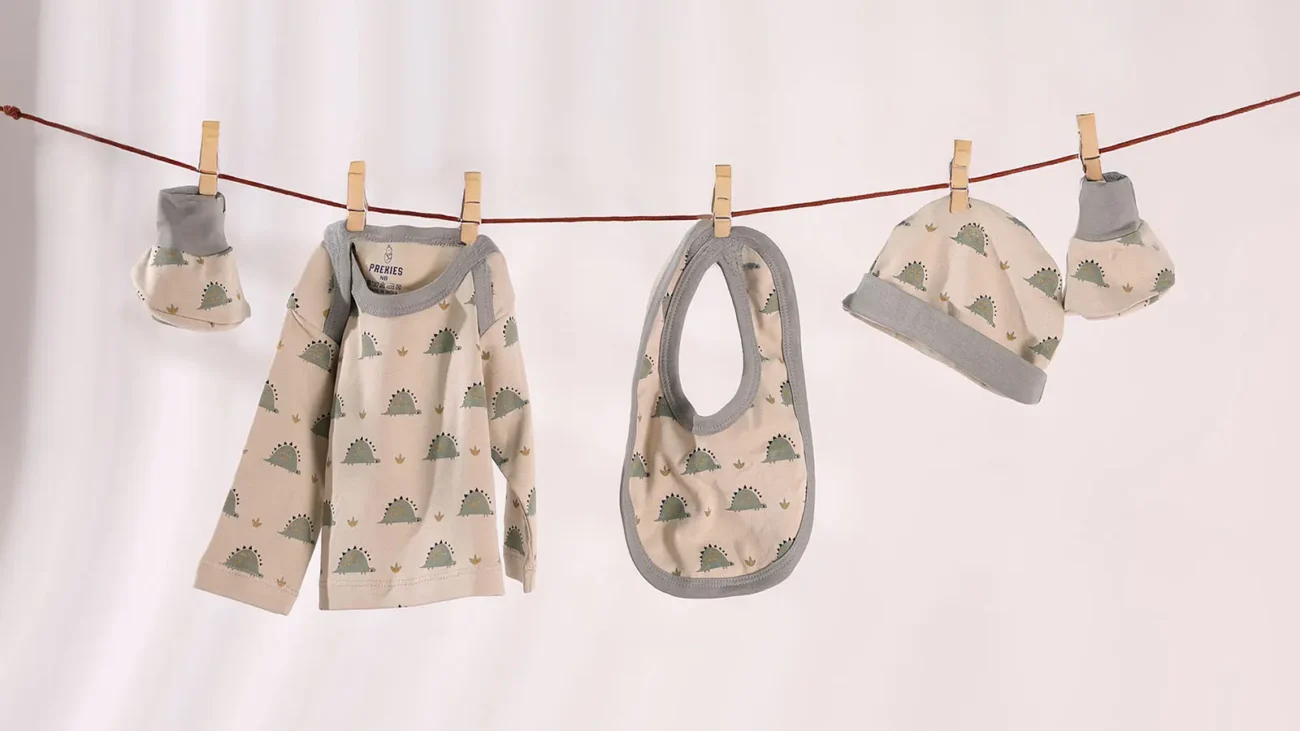
The demand for organic baby apparel has increased as consumers pay more attention to product safety, material transparency, and sustainability.
Baby clothing is different from many other apparel categories because garments are worn directly on sensitive skin. Parents often expect products to be:
Organic cotton has become a popular choice because it combines comfort with sustainability positioning.
However, the quality of finished garments depends on more than the cotton itself.
The final product is influenced by:
A professional baby clothing manufacturer, especially an organic cotton baby clothing manufacturer, needs to understand both textile characteristics and production requirements.
Before starting production, brands should confirm where the organic cotton comes from and what certifications support the material claims.
Not all fabrics described as “organic” provide the same level of verification.
For international markets, brands often look for recognized certification systems.
The Global Organic Textile Standard (GOTS) is one of the world’s leading standards for organic textiles. It covers organic fiber requirements, processing, environmental management, and social criteria throughout the textile supply chain.
GOTS certification helps brands verify whether organic cotton claims are supported by recognized standards.
Brands may also consider:
OEKO-TEX® Standard 100 for textile safety testing and restrictions on harmful substances.
For companies developing sustainable product collections, Textile Exchange also provides industry resources related to responsible materials and preferred fiber sourcing.
Before selecting an organic cotton baby clothing manufacturer, brands should ask whether the supplier has experience producing certified organic cotton baby apparel.
Brands should confirm:
A professional supplier should provide clear material information instead of only general statements about sustainability.
Certification is important, but fabric performance determines the final customer experience.
A fabric may meet organic standards but still require careful evaluation before entering large-scale manufacturing.
Before bulk production, brands should review:
For baby products such as bodysuits, rompers, and sleepwear, fabric stability is especially important.
A garment may feel excellent during sampling but perform differently after repeated washing.

Some problems can appear when fabric enters manufacturing:
An experienced baby clothing factory China understands these risks and evaluates fabric performance before bulk production begins.
Finding certified fabric is only the first step.
The factory producing the final garments plays an equally important role in product quality.
Organic cotton materials may require more attention because:
When choosing an organic cotton baby clothing manufacturer, brands should review whether the factory has experience with organic cotton baby clothing production and international brand requirements.
Important factors include:
A factory that understands organic baby apparel can provide better recommendations during development.
For example, an experienced supplier may suggest improvements regarding:
For more information about baby apparel production capabilities, brands can visit China Baby Clothing Factory (CBCF).
Many brands need support beyond basic manufacturing.
A capable supplier can assist with:
This is especially valuable for startup brands that do not have an internal product development team.
Sampling is one of the most important stages before mass production.
A sample is not only a visual reference. It is also a test to confirm whether a product design can be manufactured consistently.
Many production issues can be discovered during sampling, including:
Before approving a sample, brands should review:
For baby clothing, small details can directly affect customer experience.
Examples include:
A qualified custom baby clothing manufacturer can help brands improve these details before bulk production.
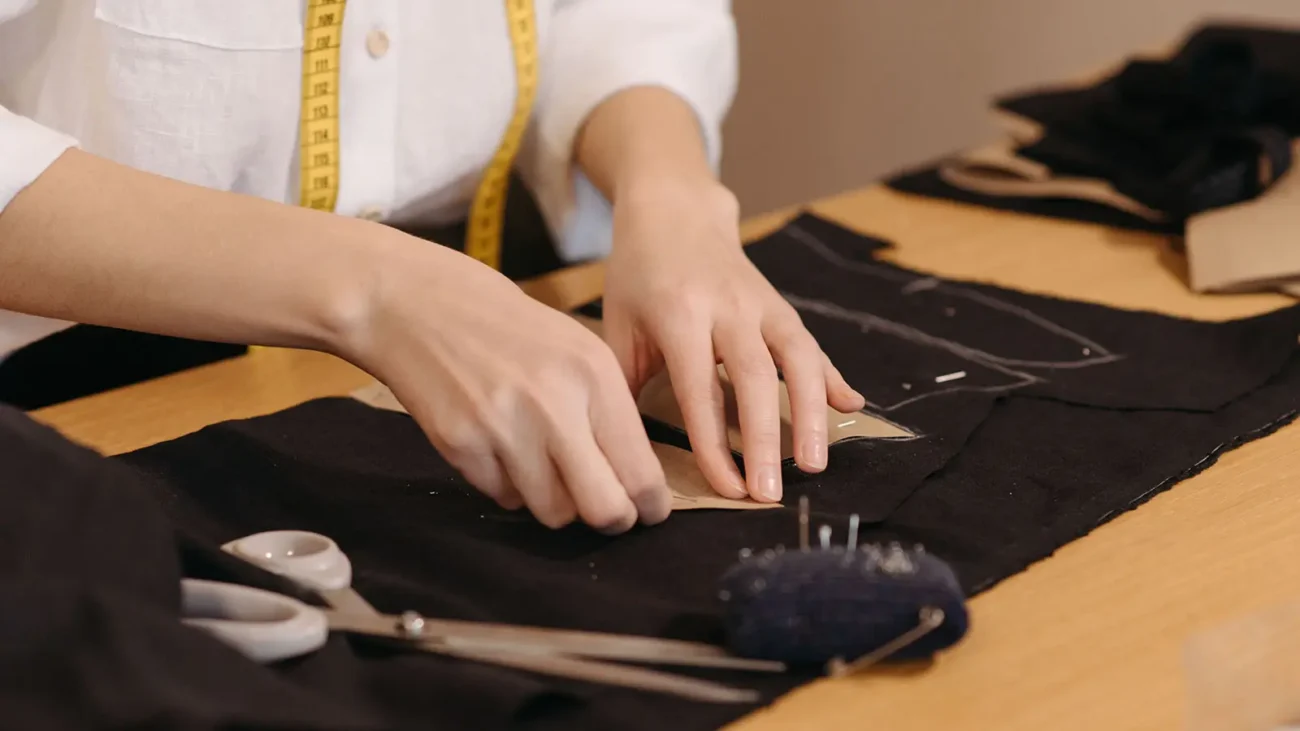
Before production begins, brands should confirm:
Clear approval helps avoid expensive modifications after production starts.
Brands looking for product development support can explore CBCF Custom Baby Clothing Manufacturing.
Organic cotton products usually require more planning compared with standard apparel.
Brands should understand production requirements before placing their first order.
MOQ depends on several factors:
For example, customized organic cotton colors or special fabric structures may require higher quantities.
However, many growing brands prefer working with suppliers that can provide practical solutions during the early development stage.
A flexible OEM baby clothing manufacturer can help brands balance customization requirements with production efficiency.
Choosing a supplier is not only about the first order.
Brands should also consider whether the manufacturer can support:
A long-term manufacturing relationship allows brands to improve communication and production efficiency over time.
For brands expanding into wider apparel categories, additional manufacturing resources are available through:
Quality control is essential for organic cotton baby apparel.
Even high-quality materials cannot guarantee consistent products without proper production management.
A professional manufacturing process should include quality checks for:
Quality inspection should not happen only after production is completed.
The best results usually come from checking quality at different production stages.
For international brands, consistency is one of the most important factors.
Customers expect every product they purchase to match:
Working with an experienced organic cotton baby clothing manufacturer helps brands maintain stable quality across different production batches.
A reliable organic cotton baby clothing manufacturer should maintain consistent standards from fabric inspection to finished garment inspection, helping brands reduce production risks.
Producing high-quality garments is only part of the process.
Brands also need to prepare products correctly for international sales.
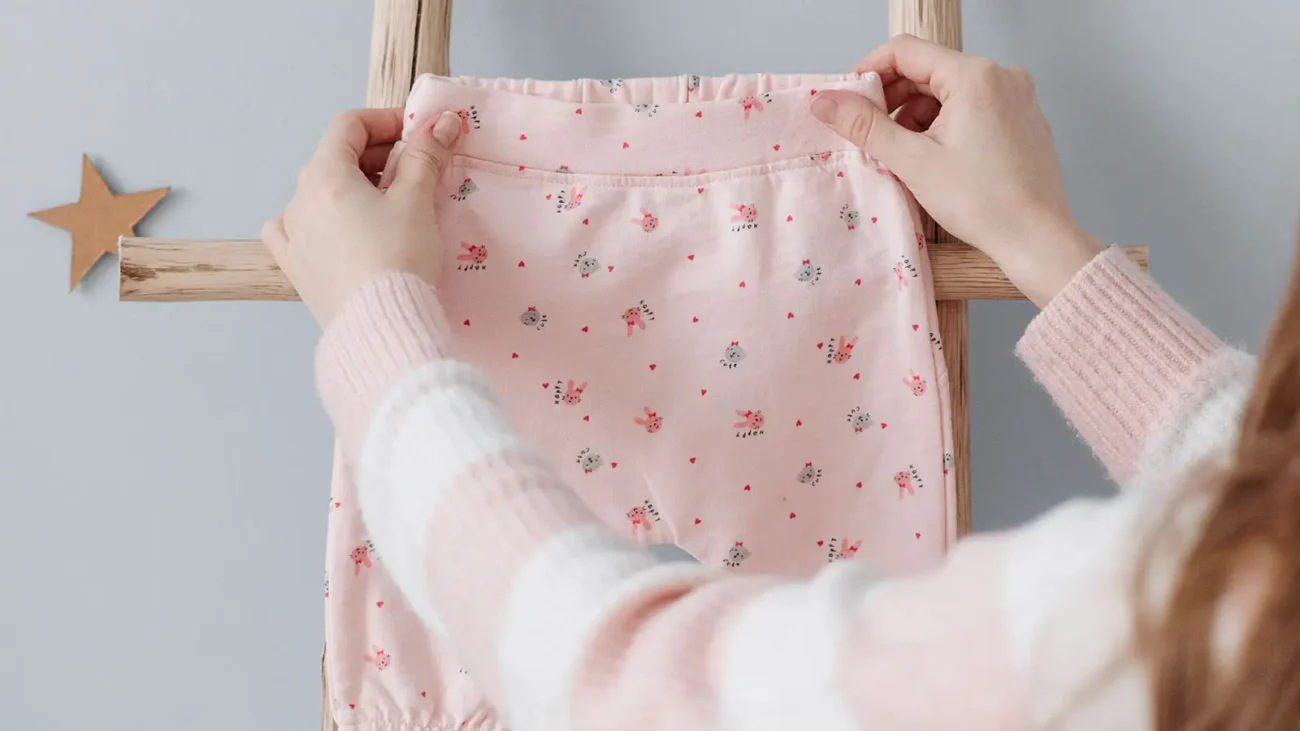
Different markets may have different requirements for:
A manufacturer familiar with export markets can help brands prepare the required product information.
Before shipment, brands should confirm:
For additional supply chain and export support, brands can explore Joyo Roy.
Building an organic baby apparel collection requires cooperation between brands and manufacturers.
The right organic cotton baby clothing manufacturer supports the complete production process, including:
China Baby Clothing Factory (CBCF) works with international brands to develop customized baby apparel collections from initial ideas to finished products.
Brands can also learn more about baby apparel production through CBCF manufacturing insights.
For companies that need broader apparel production capabilities, Clothing Factory X (CFX) provides additional garment manufacturing solutions.
An organic cotton baby clothing manufacturer produces baby apparel using organic cotton materials and provides services such as product development, customization, sampling, and bulk production.
Brands choose organic cotton baby clothing because it offers:
However, brands should still evaluate the manufacturer’s production capability before placing orders.
Brands should review:
Working with a manufacturer that understands organic materials helps reduce quality risks.
Yes.
Many manufacturers support growing brands through:
OEM focuses on producing products according to brand requirements.
Private label production usually includes additional customization such as:
Many manufacturers provide both OEM and private label services.

Producing organic cotton baby clothing requires careful planning before bulk production begins.
Brands need to evaluate:
Choosing the right organic cotton baby clothing manufacturer helps brands reduce production risks and create baby apparel collections with consistent quality.
A reliable manufacturing partner does more than produce garments. It helps brands turn product concepts into finished collections that meet customer expectations.
For international baby brands, building a strong supply chain is not only about finding a factory. It is about creating a long-term partnership that supports future growth.

 scan wechat qrcode