20% Off for New Inquiries – Today Only!
20% Off for New Inquiries – Today Only!
For international baby brands, production quality does not end when the factory finishes sewing the garments.
A shipment that looks acceptable in production photos may still have problems after arrival, such as incorrect measurements, inconsistent fabric, missing details, or packaging mistakes.
These issues can create additional costs for brands, including customer complaints, delayed launches, and extra warehouse work.
That is why baby clothing inspection is an important step before shipment approval.
A professional baby clothing inspection helps buyers confirm that bulk production matches the approved sample, technical specifications, and quality expectations.
For brands working with a baby clothing manufacturer, understanding what to check before shipment can reduce risks and create a more reliable supply chain.
This article explains the key areas brands should review before approving a baby apparel order.
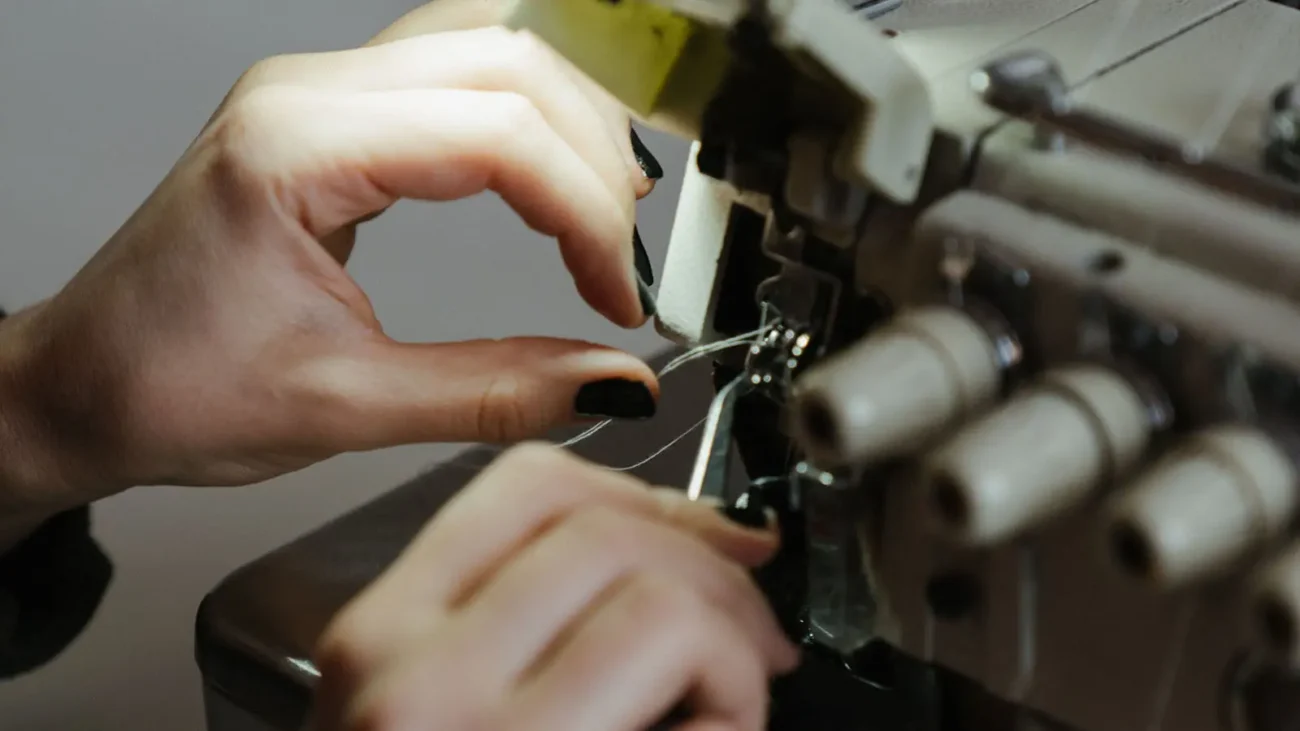
The foundation of quality control is having clear product requirements before production begins.
Many production problems happen because the factory and buyer are working from different expectations.
Before bulk production, brands should confirm:
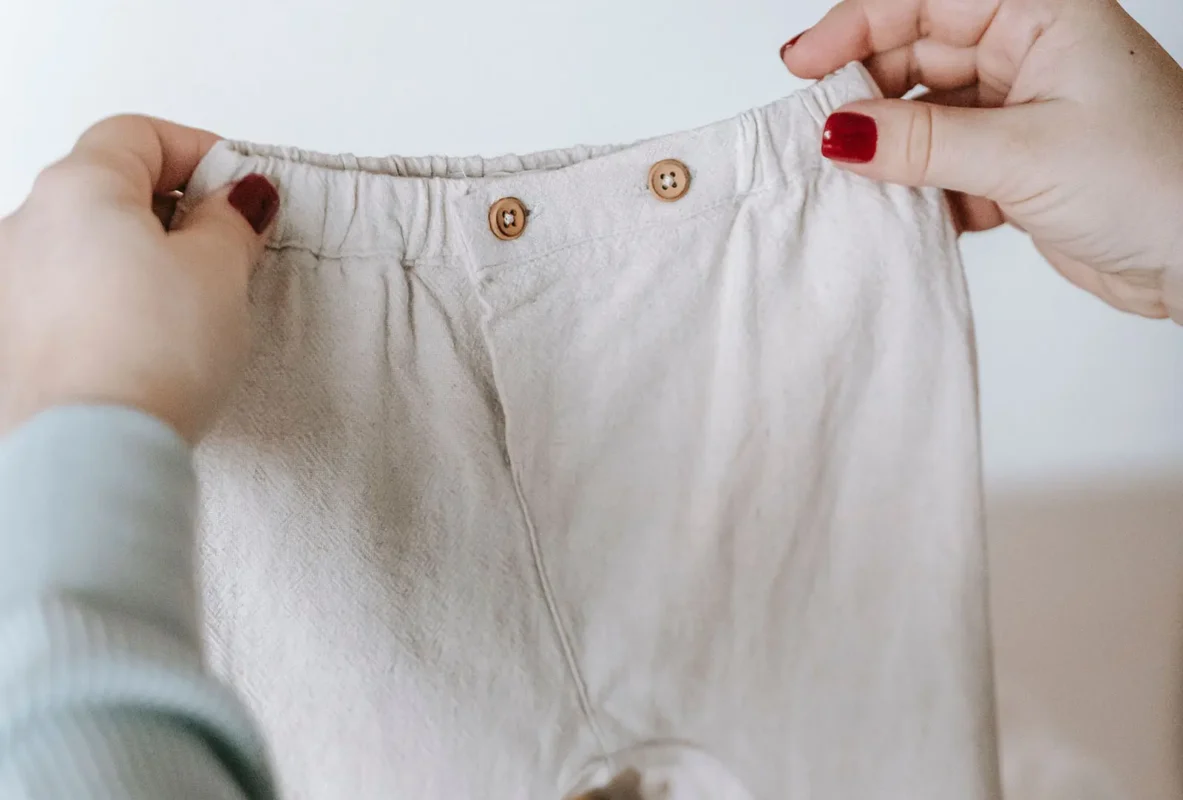
During baby clothing inspection, measurements should be compared with the approved specification.
Important measurement points may include:
For baby apparel, small measurement differences can affect comfort and customer satisfaction.
A bodysuit, pajama set, or baby jacket may look correct visually but still have fitting issues if measurements are outside the agreed tolerance.
A reliable baby clothing manufacturer should maintain clear production records and use approved specifications throughout the manufacturing process.
Fabric is one of the most important factors in baby clothing production.
A garment can have perfect sewing quality but still fail customer expectations if the fabric feels different from the approved sample.
During baby clothing inspection, buyers should compare bulk production fabric with the approved standard.
Important fabric factors include:
For baby products, comfort is especially important because garments are worn directly against sensitive skin.
When developing organic cotton baby clothing, brands can also review textile certification requirements from the Global Organic Textile Standard (GOTS).
GOTS provides information about organic textile processing, environmental requirements, and certification standards.
Photos cannot accurately show:
The physical approved sample remains one of the most important references during production.
For brands developing custom products, working with an experienced custom baby clothing manufacturer can help avoid fabric selection problems before bulk manufacturing starts.
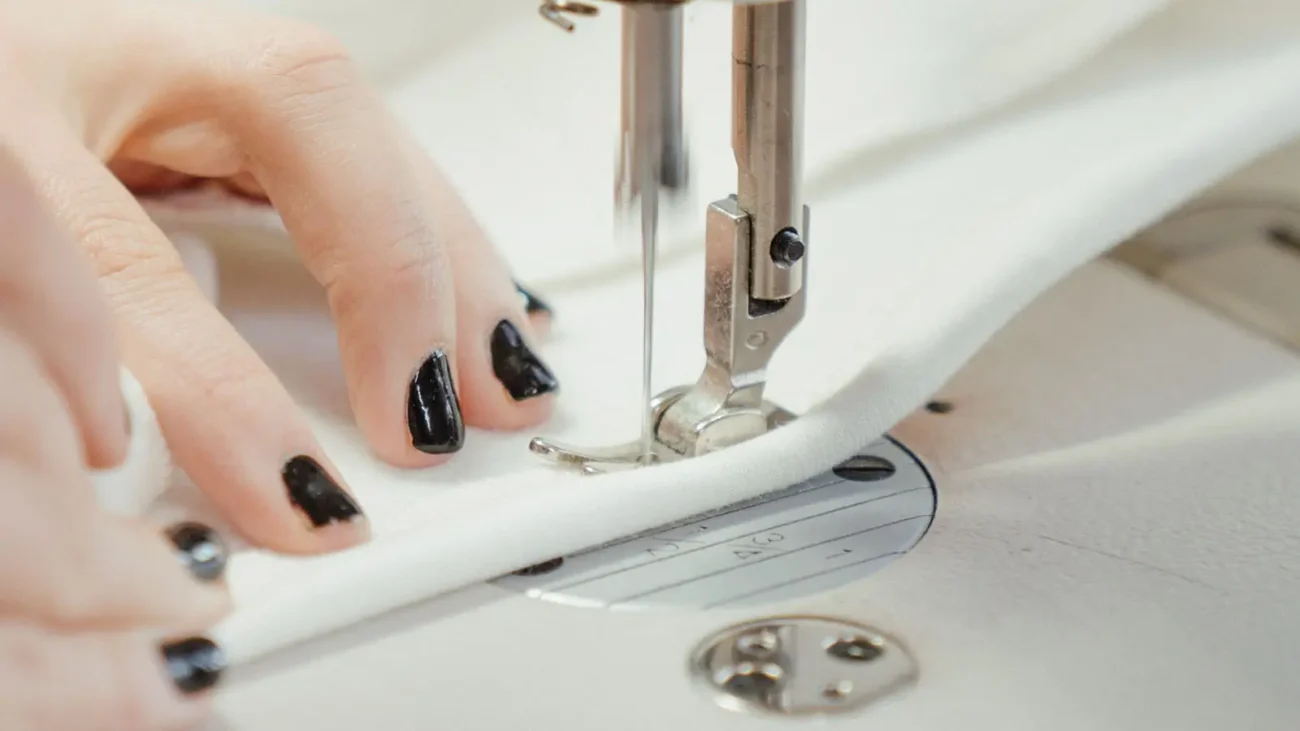
Sewing quality directly affects how long a baby garment can be used.
A product may look fine during a quick review but develop problems after washing or repeated use.
This is why workmanship is a key part of baby clothing inspection.
Inspect areas such as:
Common issues include:
One small defect does not always mean the entire shipment has failed.
The important question is whether the problem is isolated or repeated.
For example:
One garment with a loose thread may be corrected easily.
However, if many inspected pieces have the same seam problem, it may indicate an issue in the production process.
A good baby clothing inspection should identify problems that could affect the whole order, not only individual garments.
This is also why professional baby clothing quality control focuses on production consistency rather than only final appearance.
Baby apparel often includes additional components that require careful checking.
These may include:
During baby clothing inspection, components should be checked for:
For example:
A snap may be installed but not attached firmly.
A zipper may work but be incorrectly positioned.
An elastic waistband may look correct but have unsuitable tension.
For brands selling children’s products in the United States, safety information from the U.S. Consumer Product Safety Commission (CPSC) can help buyers understand relevant requirements.
Safety considerations should be included during:
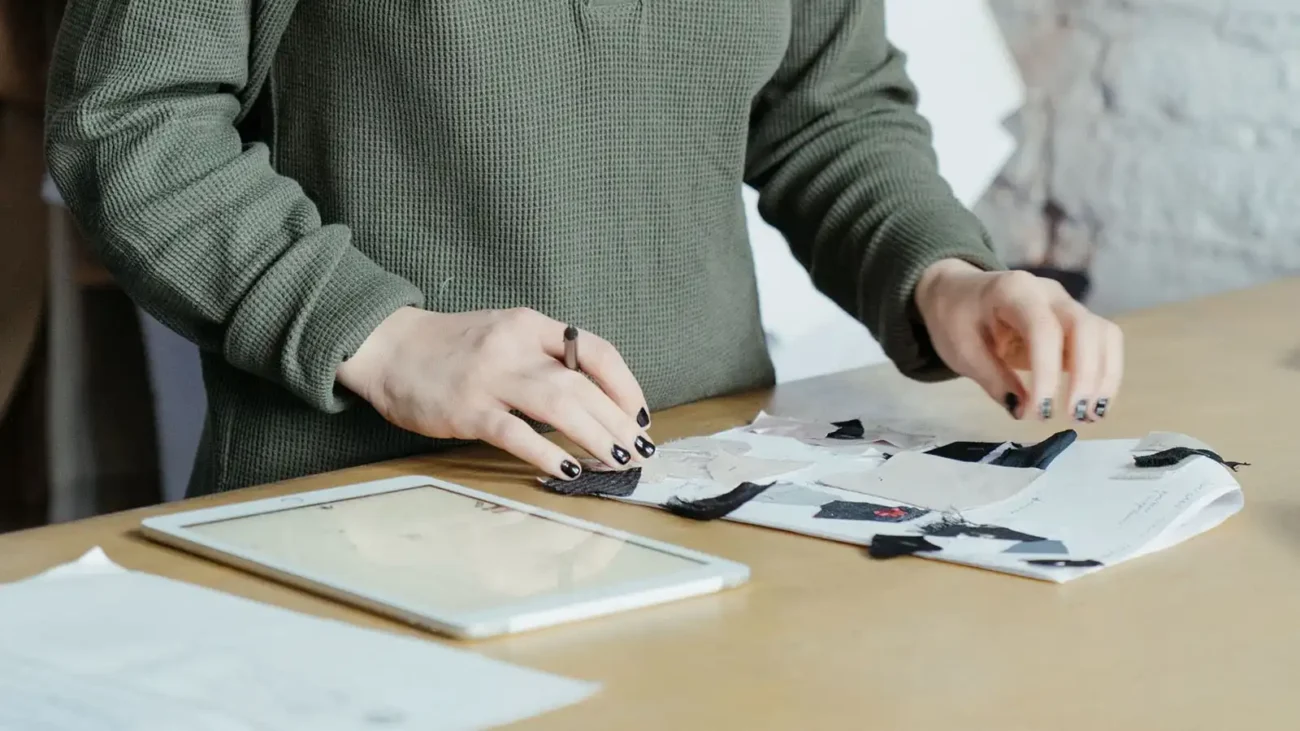
Color differences are among the easiest quality problems for customers to notice.
During baby clothing inspection, colors should always be checked against an approved reference.
This may include:
Labels should match the approved requirements, including:
Incorrect labels can create compliance issues or affect customer experience.
Packaging should also be reviewed before shipment.
Important details include:
A correct product with incorrect packaging information can still create problems after reaching the warehouse.
The approved sample is the physical reference for final production.
During baby clothing inspection, buyers should compare bulk garments with the latest approved version.
Check:
Small differences can become noticeable when combined.
For example:
A slightly different fabric, changed label position, and different stitching details may make the final product different from what the brand expected.
For international brands, keeping sample approvals and production changes documented can prevent misunderstandings with suppliers.
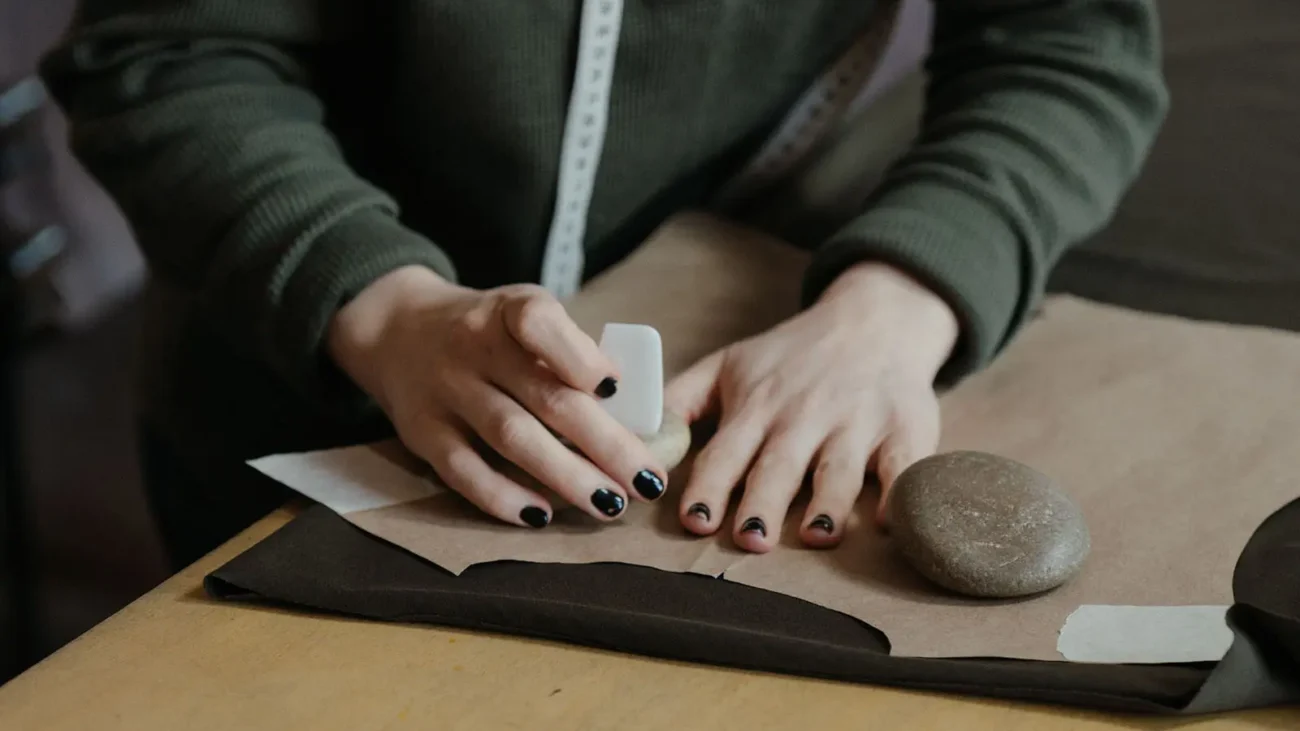
Quantity problems can create unexpected inventory issues.
A factory may complete the correct total quantity but still have incorrect size or color distribution.
During baby clothing inspection, buyers should verify:
For example, if a brand orders several thousand pieces across multiple sizes, each size quantity should match the purchase order.
Incorrect quantity distribution can affect sales planning and warehouse operations.
The purpose of baby clothing inspection is not simply to find defects.
The real goal is helping buyers decide whether the shipment is ready.
A shipment is usually ready when:
However, shipments should be reviewed carefully when there are:
A professional inspection provides information that helps brands make better decisions before products leave the factory.
Quality control starts before final inspection.
The best results usually come from a complete manufacturing process that includes product development, fabric selection, sampling, production management, and final checking.
China Baby Clothing Factory (CBCF) works with international brands on customized baby apparel manufacturing.
Brands developing new products can explore CBCF custom baby clothing manufacturing services to understand how product requirements are managed before bulk production.
For more information about baby apparel materials, manufacturing knowledge, and industry insights, visit CBCF manufacturing insights.
Brands can also learn more about CBCF’s production background through CBCF About Us.
For broader apparel manufacturing capabilities, brands can also explore Clothing Factory X.
A typical inspection includes measurements, fabric quality, workmanship, components, labels, packaging, quantity, and comparison with approved samples.
Because problems discovered after shipment are more expensive to fix. Inspection helps identify issues while products are still inside the factory.
Not always. Inspection methods depend on order size, product complexity, quality requirements, and buyer standards.
Brands should provide approved samples, measurement specifications, material requirements, labeling details, and packaging instructions.
A successful baby clothing inspection is not only about finding defects.
It is about making sure the finished products match what the brand approved before shipment.
The most important checks include:
For international baby brands, choosing an experienced baby clothing manufacturer and establishing clear inspection standards can create a more stable and efficient supply chain.

 scan wechat qrcode