20% Off for New Inquiries – Today Only!
20% Off for New Inquiries – Today Only!
In apparel manufacturing, quality problems usually do not start with the finished garment.
A loose seam, incorrect measurement, color difference, or fabric issue found during final inspection often comes from a problem that happened much earlier in production.
This is why an effective Garment Quality Control Process begins before cutting and sewing. A complete Garment Quality Control Process covers every production stage, from the initial fabric inspection process to final product inspection before shipment.
For brands, quality control is not only about rejecting defective garments. It is about preventing problems before they become expensive.
A professional clothing manufacturer needs a clear system to control materials, production standards, workmanship, and final product consistency.
For international buyers working with a China clothing factory, understanding how quality control works helps reduce sourcing risks and creates better long-term supplier relationships.
In actual garment production, quality control is not only a checklist followed by the QC team. It is a daily process involving fabric suppliers, pattern makers, production operators, and quality inspectors working together to maintain consistent results.
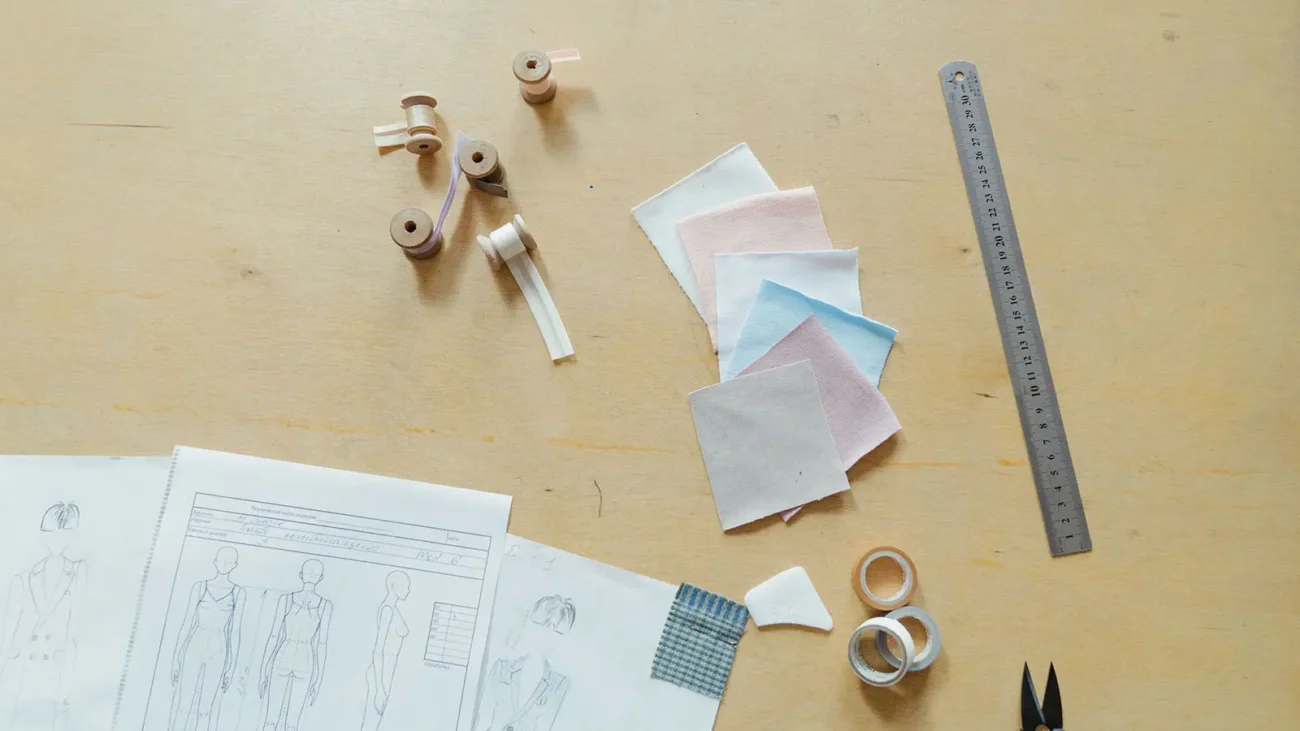
Many buyers think quality control means checking finished garments before shipment.
However, final inspection is only the last checkpoint.
By the time a problem reaches the final inspection stage, fixing it may already require:
In real production, most quality issues are not caused by one major mistake.
They usually come from small details that were missed during earlier stages.
For example:
A fabric issue discovered after cutting can create unnecessary material waste.
A pattern problem found after sewing can affect the entire production batch.
A measurement problem found before shipment may require extensive repairs.
A complete Garment Quality Control Process focuses on identifying these risks as early as possible. This approach allows garment quality control teams to solve problems before they affect production schedules.
For international brands, this prevention-focused approach helps maintain product consistency and protects brand reputation.
Fabric is the foundation of every garment.
Even with accurate patterns and skilled sewing operators, poor fabric quality can affect the final product.
Before production begins, factories usually inspect incoming fabrics to confirm that materials match the approved requirements.
The fabric inspection process is the first important stage of the Garment Quality Control Process and usually focuses on:
Common fabric problems include:
These problems may seem small at the fabric stage, but they can become much larger once thousands of garments are produced.
Finding these issues after cutting can create unnecessary waste.
From our manufacturing experience, fabric-related problems are usually more expensive to solve after production begins because they affect not only material costs but also cutting schedules and delivery timelines.
For a professional clothing manufacturer, the fabric inspection process is not simply a visual check. It is a quality decision that affects production efficiency, material costs, and final product performance.
A reliable manufacturer identifies these issues before materials enter bulk production.
Professional factories usually evaluate fabric based on the requirements of the final product.
For example:
A baby clothing collection may focus more on:
A jacket or outerwear product may require more attention to:
The inspection standard depends on:
Many factories use inspection methods such as the 4-point fabric inspection system to create a consistent evaluation process.
This helps reduce subjective judgment and provides a clearer quality reference before production begins.
A professional clothing manufacturer should have clear procedures for incoming material inspection instead of relying only on supplier information.
Before mass production starts, the approved sample becomes the production reference.
The sample represents the final expectations for:
During pre-production preparation, the factory team reviews production details and confirms that all departments understand the requirements.
Important checks include:
This stage is often where many potential problems can be prevented.
For example, if a pattern adjustment is needed, solving it before bulk production is much easier than correcting thousands of finished garments later.
A strong Garment Quality Control Process does not wait for problems to appear. It builds control points before production risks become larger.
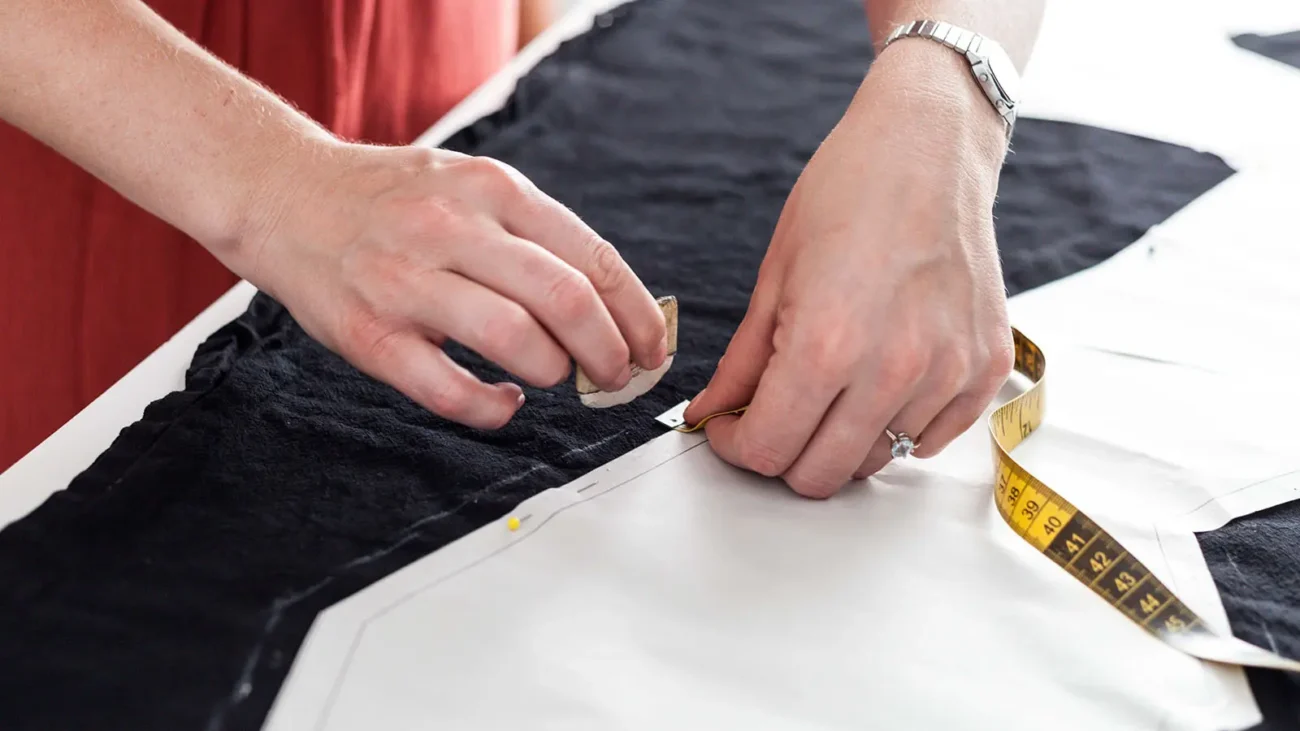
Cutting and sewing are two stages where production accuracy directly affects garment quality.
Small mistakes at these points can influence:
Cutting determines the basic shape of every garment panel.
During cutting, production teams pay attention to:
Incorrect cutting can lead to:
For brands producing multiple sizes, accurate cutting is especially important because customers expect consistent sizing across the entire collection.
Sewing quality has a direct impact on garment durability and appearance.
During sewing production, the quality team monitors:
Different garment categories require different sewing standards.
For example, baby clothing usually requires additional attention to:
For structured garments or outerwear, factories may focus more on:
A skilled clothing manufacturer understands that sewing quality is not only about appearance. It is also an important part of the overall Garment Quality Control Process because sewing problems can directly affect product durability.
In-line inspection happens while production is still ongoing.
This stage allows the factory to identify issues before the entire order is completed.
The QC team may review:
This inspection is especially valuable for larger production orders.
If a problem appears in the middle of production, the factory can adjust the process immediately instead of discovering the issue after all garments are finished.
For international buyers, in-line inspection provides better production visibility and reduces unexpected surprises before shipment.
A well-managed Garment Quality Control Process focuses on prevention rather than correction.
A complete garment quality control system combines inspection standards, production monitoring, and communication between manufacturers and buyers.
The final inspection confirms whether finished garments meet the approved requirements before shipment.
A proper final product inspection usually covers:
Many professional factories use inspection methods such as AQL (Acceptable Quality Limit) standards to create a more consistent evaluation process.
AQL helps define acceptable quality levels during inspection and provides a clearer reference between manufacturers and buyers.
However, inspection standards may vary depending on:
A reliable apparel quality inspection process should always follow the requirements agreed during product development.
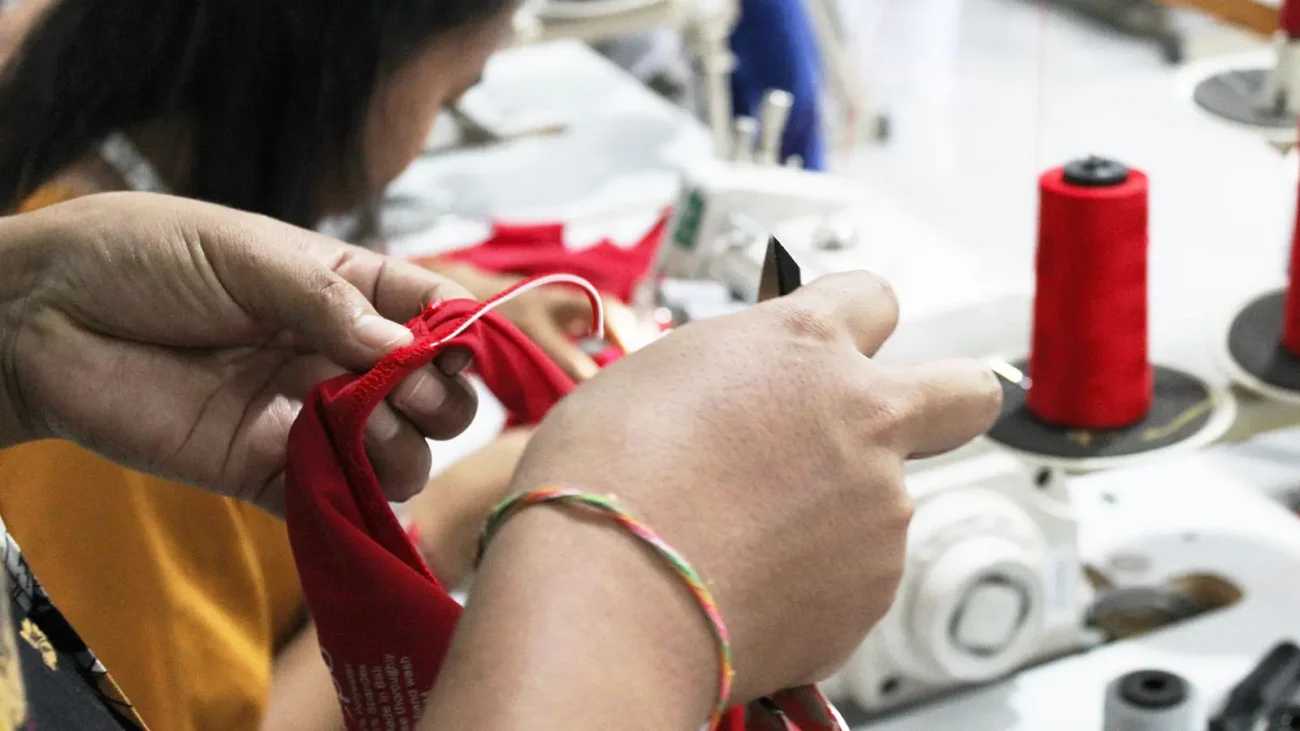
Appearance inspection focuses on how the finished garment looks.
The QC team reviews:
The finished garment should match the approved sample in terms of:
This is especially important for private label brands because the product represents their own market image.
A garment that technically passes production requirements but does not match the approved sample can still create customer dissatisfaction.
Professional apparel quality inspection helps brands verify that finished products meet expectations before shipment.
Size consistency is one of the most important parts of final inspection.
Finished garments are measured against approved specifications.
Common measurement points include:
Small measurement differences can create customer complaints, especially in baby and children’s apparel.
For growing brands, consistent sizing helps reduce returns and improves customer confidence.
Packaging is the final step before products leave the factory.
Quality teams verify:
Incorrect packaging can create problems during transportation or warehouse handling.
A complete quality system considers packaging part of the final product experience.
A strong Garment Quality Control Process helps prevent common manufacturing problems.
Examples include:
Fabric problems are often easier to solve before production begins.
Once defective materials enter cutting and sewing stages, the cost of correction increases significantly.
Common production problems include:
Many of these issues can be reduced through proper communication between product teams, production workers, and QC staff.
Examples include:
A strong inspection system helps ensure that the products shipped to customers match the original development requirements.
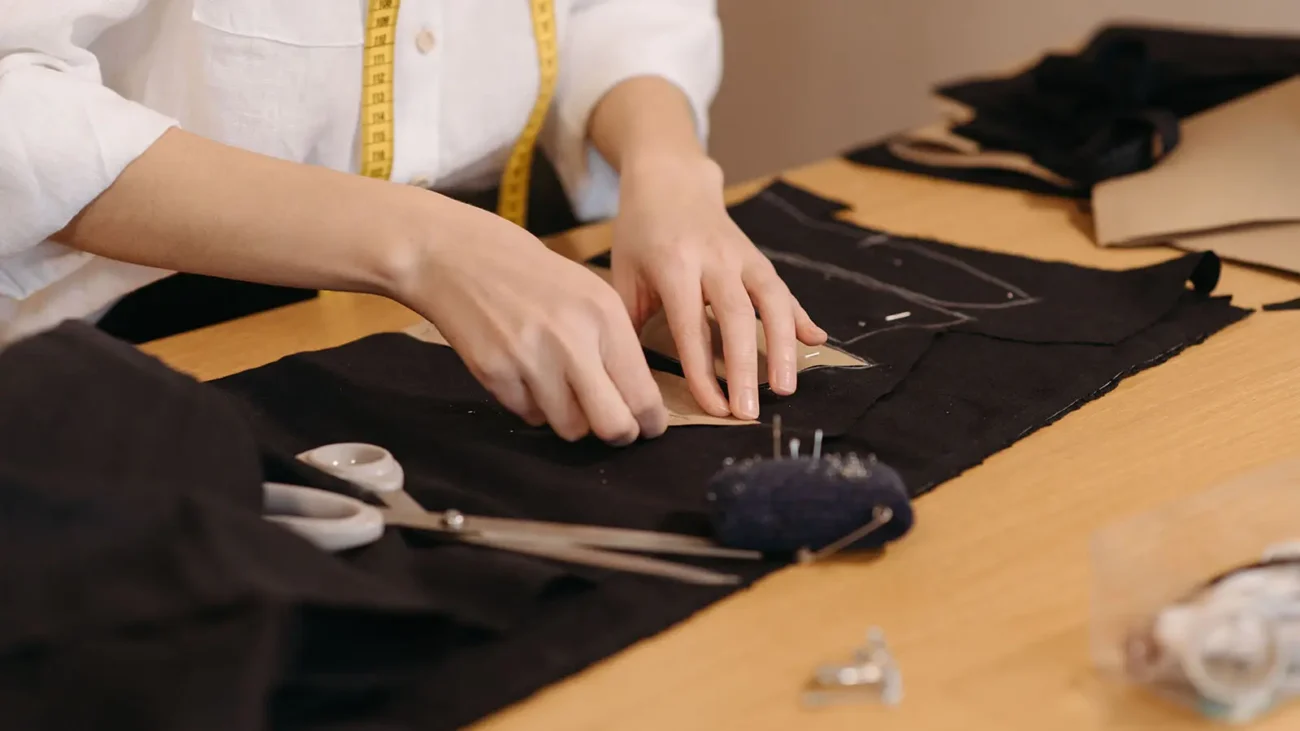
A reliable supplier does not treat quality control as a single inspection.
Quality management is built into the entire manufacturing process.
An experienced clothing manufacturer usually combines:
When selecting a supplier, brands should look beyond the lowest manufacturing price.
Important factors include:
A manufacturer with a mature quality system can help brands reduce production uncertainty and maintain consistent product standards.
For international buyers, this difference is often what separates a short-term supplier from a long-term manufacturing partner.
China Baby Clothing Factory (CBCF) works with international brands developing customized baby and kids apparel collections.
Quality control is integrated throughout the production process, from material evaluation to final product inspection.
CBCF supports brands with:
Through custom baby clothing manufacturing services, brands can develop products with clear specifications and quality expectations.
For baby products, quality control requires additional attention because garments need to meet higher expectations for:
CBCF focuses on controlling quality from the early development stage instead of only checking products after completion.
This approach helps brands reduce production risks and create more reliable baby apparel collections.
Brands can learn more about CBCF’s manufacturing experience through our baby clothing factory profile.
For brands expanding into baby accessories, China Baby Accessories Factory (CBAF) provides manufacturing solutions for related products.
For children’s apparel collections, China Kids Wear Factory (CKWF) supports kidswear manufacturing needs.
For broader apparel categories, Clothing Factory X (CFX) provides OEM and ODM garment manufacturing solutions.
A complete Garment Quality Control Process usually includes:
Each stage helps identify and prevent quality issues before shipment.
The fabric inspection process is important because fabric quality affects every following production step.
Early inspection helps identify:
before garments are produced.
Final product inspection usually covers:
It confirms that finished garments match approved standards.
Professional apparel quality inspection helps identify problems related to:
before shipment.
For international brands, it is an important part of selecting the right manufacturing partner.
Before choosing a supplier, buyers should review:
A reliable manufacturer should be able to explain how quality is controlled from the fabric inspection process to final shipment.
Brands can improve quality by:
Quality is a shared responsibility between brands and manufacturers.
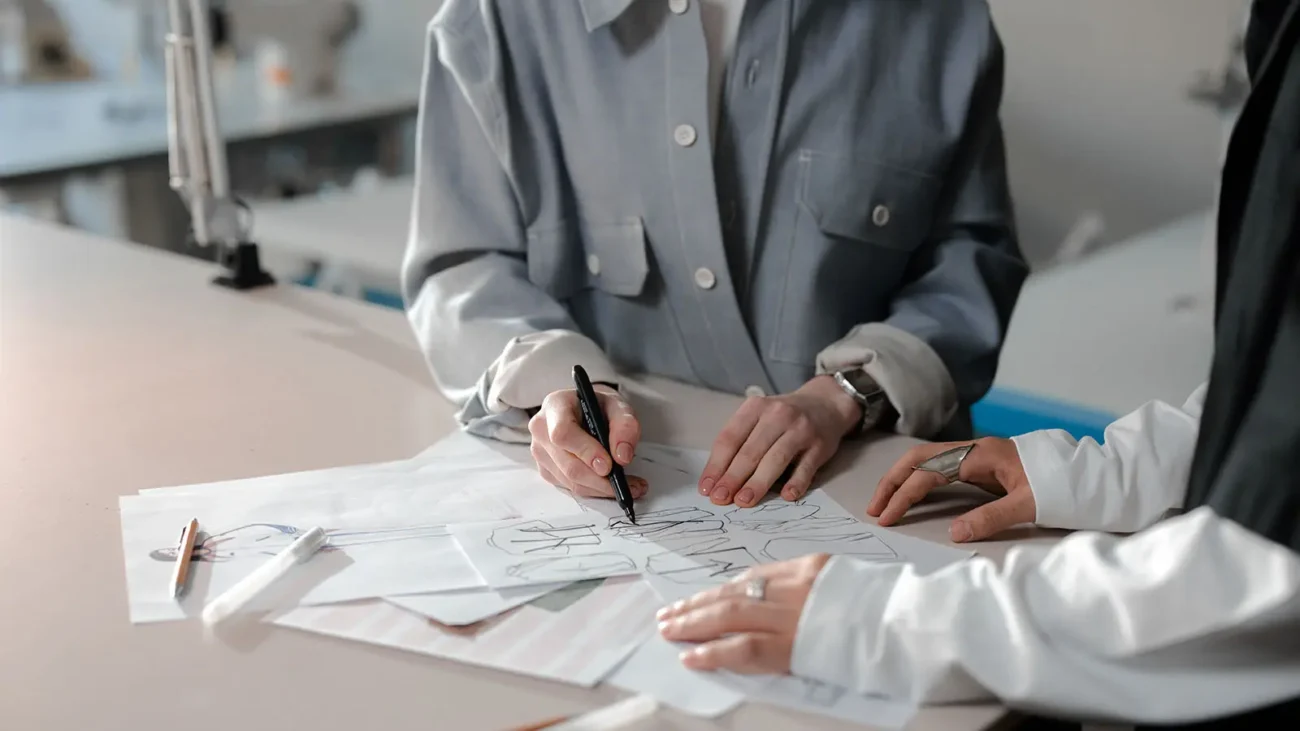
A successful Garment Quality Control Process is not created through one final inspection.
It requires continuous garment quality control from fabric inspection, production monitoring, and final product inspection.
For apparel brands, choosing a manufacturer with strong quality management helps reduce risks, improve consistency, and create better products for customers.
A professional China clothing factory does more than produce garments.
It provides production control, quality assurance, and manufacturing support that helps brands build reliable products and long-term market trust.

 scan wechat qrcode