20% Off for New Inquiries – Today Only!
20% Off for New Inquiries – Today Only!
If you are sourcing baby clothing from China, one of the first questions you will probably ask is: how much does it cost?
The answer depends on much more than the garment itself. Fabric, construction, order quantity, customization, trims, packaging, testing, and logistics can all affect the final baby clothing manufacturing cost.
For a new brand, understanding baby clothing manufacturing in China before production makes it easier to set a realistic target price and compare suppliers on the same basis.
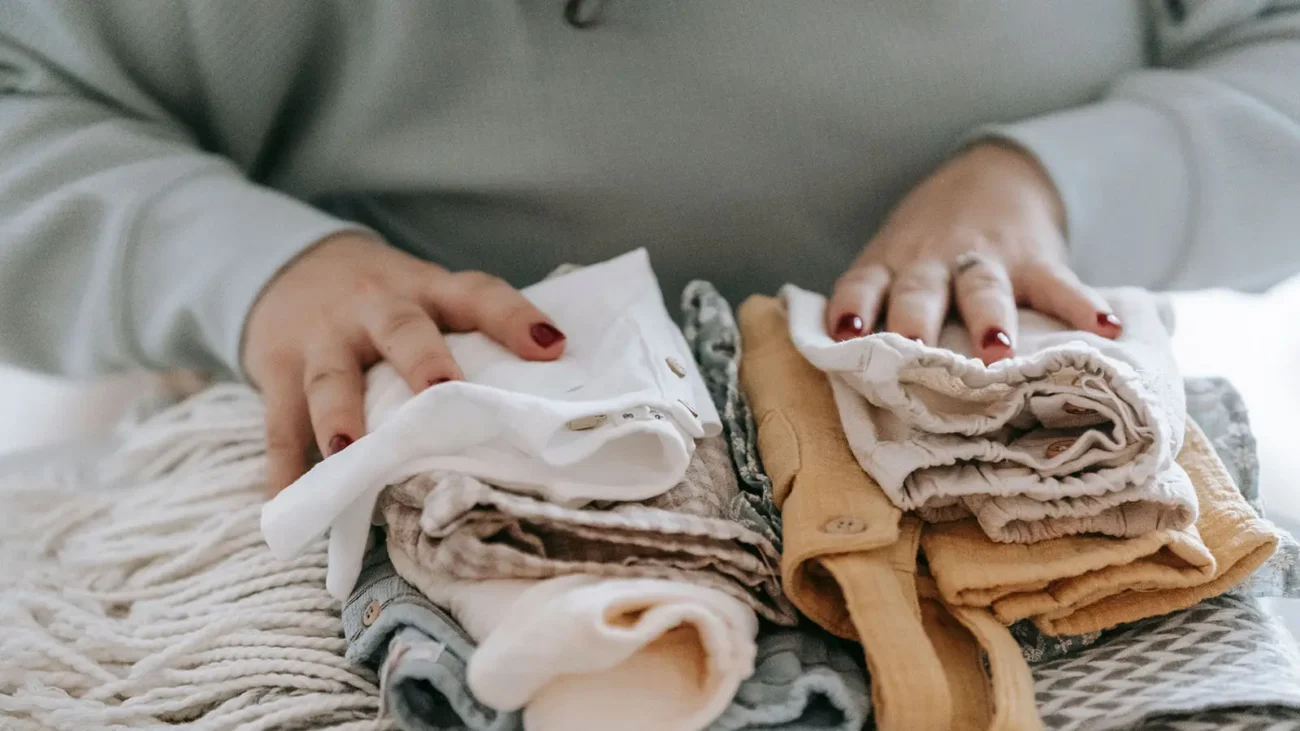
There is no single factory price that applies to every baby garment.
A simple cotton bodysuit with standard snaps will generally cost less to produce than a customized romper made with organic cotton, special trims, embroidery, and retail packaging.
Understanding baby clothing manufacturing cost is therefore more useful than simply asking a factory for its lowest unit price.
When comparing baby clothing manufacturers in China, the final quotation normally depends on:
If you are evaluating baby clothing manufacturing in China, make sure different suppliers are quoting against the same specifications.
At minimum, provide the product type, fabric composition, fabric weight, size range, quantity, colors, trims, decoration, and packaging requirements.
For more information about factory capabilities, see our baby clothing manufacturing.
Fabric is usually one of the largest components of baby clothing manufacturing cost.
Cotton remains a common choice, but a China baby clothing manufacturer may also work with organic cotton, bamboo viscose, modal, Tencel, and various blends.
It is not just the fiber that matters.
The quotation can change with:
A lightweight cotton jersey and a heavier combed cotton jersey may look similar in a product photo but have different costs at factory level.
The same applies to organic materials. If a product requires certified organic cotton and documented supply-chain control, the material cost will normally be higher than comparable conventional fabric.
For baby products, choosing the cheapest fabric is rarely the best approach. Softness, shrinkage, colorfastness, durability, and applicable safety requirements should also be considered when calculating baby clothing manufacturing cost.
The sewing time behind a garment is easy to overlook.
Two rompers can use the same fabric and still have very different baby clothing manufacturing cost because one requires considerably more production operations.
A baby clothing factory in China will normally calculate the production price according to the actual construction and number of operations required.
A basic bodysuit may involve:
Add ruffles, piping, contrast panels, embroidery, appliqué, or special openings and the production process becomes longer.
Every additional operation means more machine time and more production handling.
This is where an experienced baby clothing manufacturer in China can add value.
Instead of immediately changing to a cheaper fabric, the manufacturer can review the pattern and construction.
A small change to panel layout or seam construction may reduce fabric waste or sewing time without changing the overall appearance of the finished garment.
That kind of optimization can reduce baby clothing manufacturing cost without simply lowering material quality.
MOQ matters because factories have setup costs before the first garment is produced.
Patterns need to be prepared. Fabrics and trims need to be sourced. Production lines need to be arranged. Labels and packaging may also need to be prepared.
When these costs are spread over 200 pieces, the cost per garment is naturally higher than when they are spread over 2,000 pieces.
For baby clothing manufacturing in China, MOQ can also vary between factories depending on their production model and the materials required.
| Order Quantity | General Cost Impact |
|---|---|
| 100–200 pcs | Higher unit cost |
| 500 pcs | Moderate |
| 1,000+ pcs | Better production efficiency |
| 5,000+ pcs | Greater economies of scale |
These are general examples rather than fixed industry prices.
For a new brand, ordering more simply to obtain a lower unit price is not always a good decision. Unsold inventory can easily cost more than the difference in factory pricing.
A good China baby clothing manufacturer should be able to discuss MOQ together with product complexity rather than treating MOQ as a standalone number.
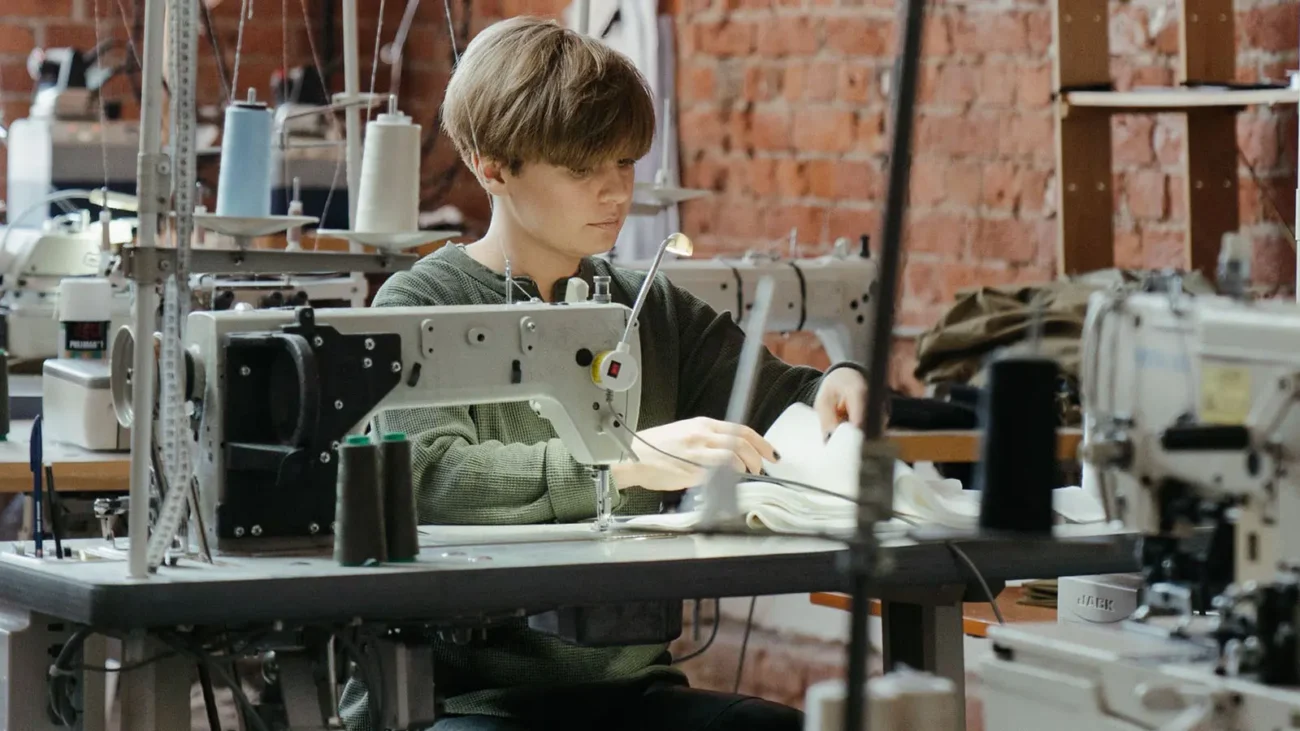
If you are building your own baby brand, you will probably need more than a standard factory design.
Private label baby clothing can involve:
For private label baby clothing, customization is another major part of baby clothing manufacturing cost.
A baby clothing manufacturer in China may need to develop new patterns, source specific materials, or create custom trims before bulk production begins.
A typical project may go through:
Not every project needs several sample rounds, but complicated designs usually require more development time.
You can learn more about the process on our custom baby clothing manufacturing page.
A snap button may only cost a small amount. A label may cost even less.
Multiply those components across thousands of garments, however, and they become part of the final baby clothing manufacturing cost.
Common trims include:
Packaging can include:
For baby clothing manufacturing in China, packaging requirements should be discussed before the quotation is finalized.
For baby clothing, trim selection should also take product safety and comfort into account.
For U.S. children’s products, the CPSC’s tracking label guidance explains requirements concerning product and packaging tracking information.
Testing is easy to forget when working out the first factory quotation.
It becomes much more important once the product is prepared for a specific market.
Depending on the product and destination, requirements may relate to:
Testing should therefore be included when calculating baby clothing manufacturing cost, especially when products are being developed for the U.S. or European market.
A reliable baby clothing factory in China should be able to discuss the testing requirements that may apply to the product and target market.
For example, the U.S. Consumer Product Safety Commission provides specific guidance covering children’s clothing under the Flammable Fabrics Act, with additional requirements applying to children’s sleepwear.
See the CPSC clothing and flammability guidance before finalizing a product for the U.S. market.
The sensible point to deal with testing is before the production run, not after thousands of pieces are already sitting in cartons.
A practical sequence is:
This approach reduces the risk of discovering an expensive compliance problem after production.
Labels are another small item that often gets left out of early calculations.
Depending on the market, your garment may need:
For products sold in the United States, the FTC’s apparel labeling guidance is a useful reference for fiber content, country of origin, and other labeling requirements.
The FTC also provides specific information about care labeling for textile apparel.
A China baby clothing manufacturer should be able to confirm the labeling information required for your production specification, but the brand remains responsible for making sure its products meet the requirements of its target market.
Getting these details right before production is much easier than changing labels after the garments have already been manufactured.
Usually, yes.
If you are developing organic baby clothing, the fabric itself may cost more, and certification or traceability requirements can add another layer of expense.
For brands using GOTS-certified materials, the Global Organic Textile Standard (GOTS) covers requirements across organic textile processing, manufacturing, packaging, labeling, trading, and distribution.
For a baby clothing manufacturer in China, sourcing certified organic materials may require additional supplier documentation and material planning.
The additional cost can make sense when organic materials are part of the brand’s positioning. It should, however, be included in the product costing from the beginning.
The factory unit price is only one part of the calculation.
A more useful formula is:
Total Landed Cost = Factory Cost + Packaging + Testing + Inspection + Freight + Duties + Other Import Costs
Imagine a custom baby romper is quoted at $4.20 per piece.
That $4.20 may cover the garment itself, but your actual cost can be higher once you add:
This is why comparing two factories purely on unit price can lead to the wrong decision.
A factory quoting $4.20 may ultimately be more economical than one quoting $3.80 if the first supplier provides better quality consistency, fewer defects, more accurate production, or stronger development support.
In other words, the real baby clothing manufacturing cost should be evaluated together with the risks and expenses that come after the factory quotation.
There are several ways to lower baby clothing manufacturing cost without simply choosing cheaper materials.
Review the pattern layout with the manufacturer.
Better marker efficiency can reduce fabric consumption without changing the garment.
Look for unnecessary seams, panels, or decorative operations.
If a detail adds production cost but contributes little to the finished product, removing it may be worth considering.
Using the same snaps, labels, elastic, and packaging across several styles can simplify purchasing.
If several styles use the same fabric or trims, producing them together may improve purchasing and production efficiency.
A clear tech pack with accurate measurements and construction details can save time during development.
Our baby clothing manufacturing insights provide additional information for brands planning product development and sourcing.
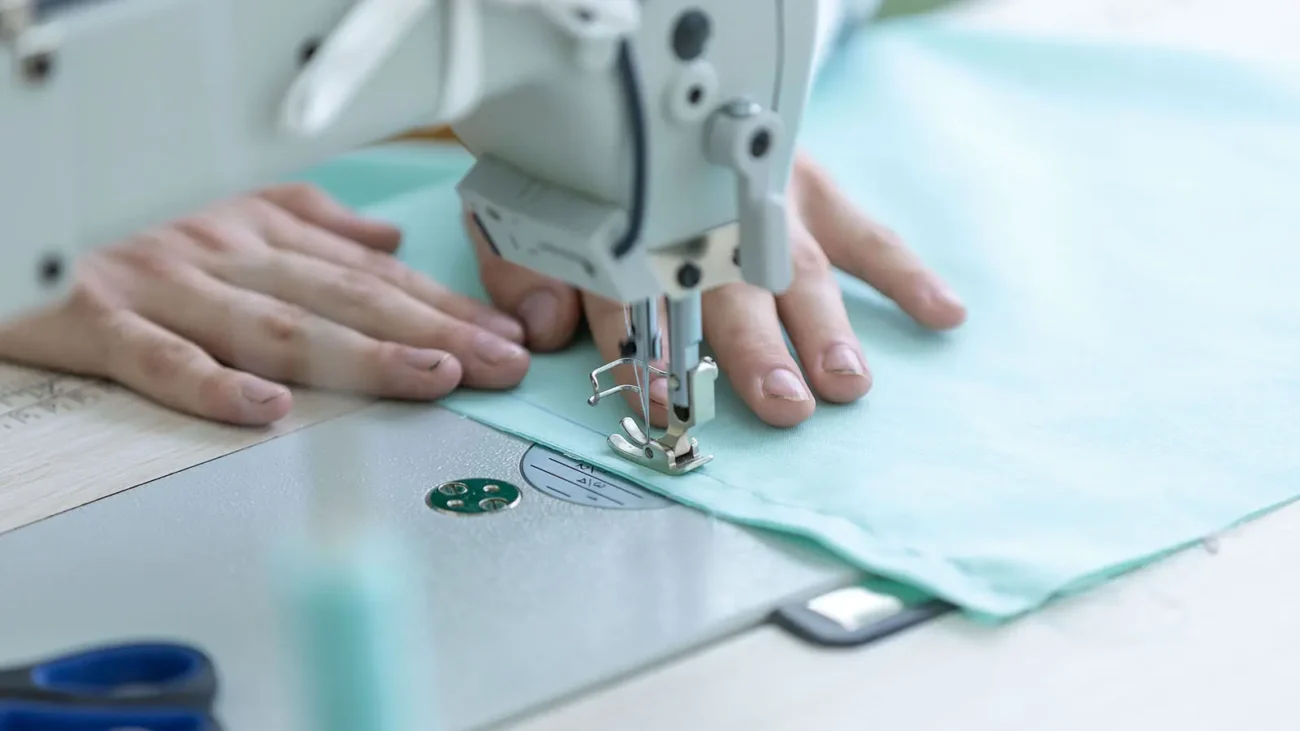
The lowest quotation should not automatically win.
Before choosing a baby clothing manufacturer China, look at the supplier’s ability to handle the complete production process.
A good China baby clothing manufacturer should be able to explain its material sourcing, sampling, production, quality control, and testing process.
Does the factory regularly produce:
Relevant experience can make sampling and production smoother.
The quotation should make clear what is included.
At minimum, check:
A detailed quotation makes it much easier to compare different baby clothing manufacturers on the same basis.
Also consider:
When comparing baby clothing manufacturing in China, these factors can be just as important as the initial unit price.
A reliable supplier can save money by preventing problems that would otherwise appear during bulk production.
If your product range extends beyond baby clothing, you can also explore the other manufacturing sites in our supply network:
For baby clothing specifically, you can also learn more about our baby clothing factory and manufacturing capabilities.
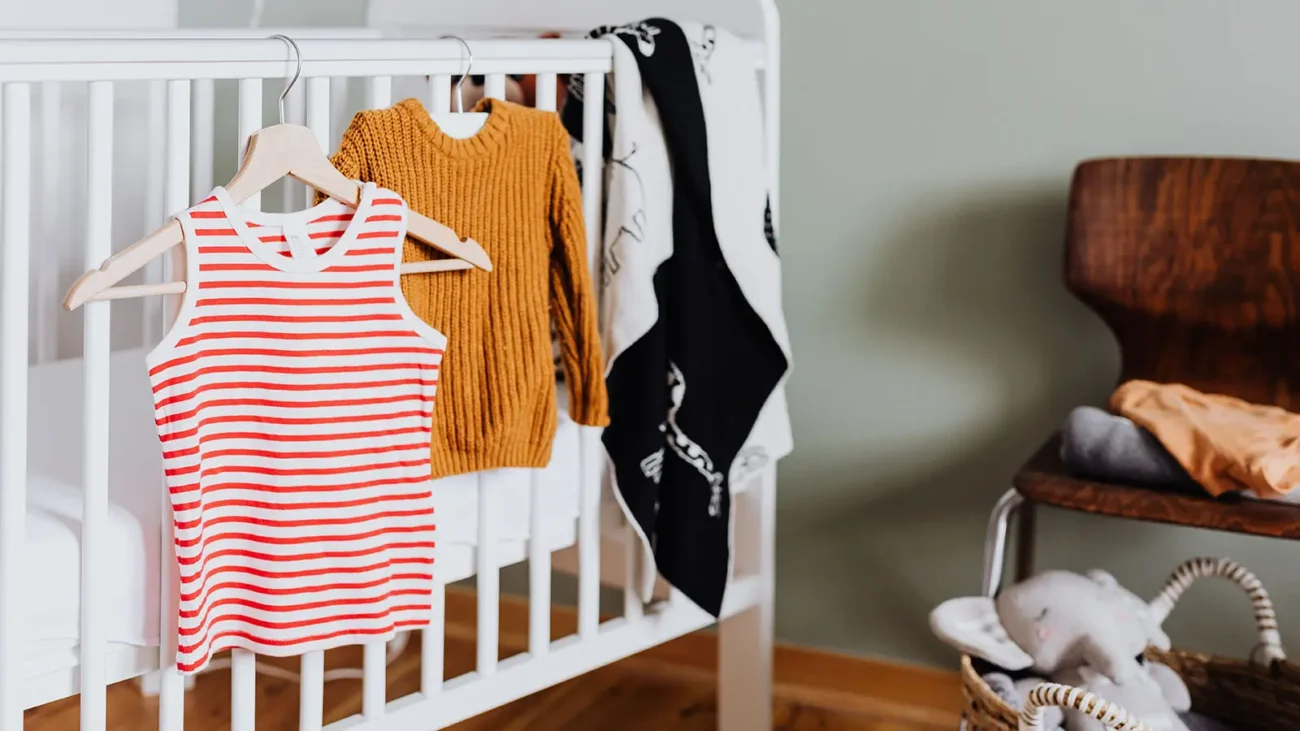
The real baby clothing manufacturing cost is not just the number on a factory quotation.
Fabric, construction, MOQ, customization, trims, packaging, testing, and logistics all have a part in the final number.
For a growing baby brand, the better question is not:
“Which factory has the lowest price?”
It is:
“Which manufacturer can give me the right product at a predictable total cost?”
That difference matters. A well-developed product with sensible construction, suitable materials, clear specifications, and controlled production is often more profitable than a garment that simply looked cheap on the first quotation.
If you are planning baby clothing manufacturing in China, working with the right baby clothing factory in China from the development stage can help you control both product quality and the overall baby clothing manufacturing cost.

 scan wechat qrcode