20% Off for New Inquiries – Today Only!
20% Off for New Inquiries – Today Only!
During baby clothing production, fabric problems are rarely discovered when the material first arrives at the factory.
In many cases, issues appear later — after washing, during quality inspection, or when customers start using the product.
A fabric may feel soft during sampling but shrink after washing. A color may look perfect in the approved sample but fade during bulk production. A material that meets design expectations may still fail to meet safety requirements for the target market.
This is why Baby Clothing Fabric Testing has become an essential part of modern baby apparel development. Proper Baby Clothing Fabric Testing helps manufacturers confirm that fabrics meet safety, durability, and performance expectations before mass production.
For a professional baby clothing manufacturer, fabric evaluation is not only about checking whether a material looks good. It is about confirming that the fabric can meet the requirements of the final product, including comfort, durability, safety, and compliance.
For international brands working with a China baby clothing factory, understanding fabric testing helps avoid expensive problems after production begins. Brands can also learn more about baby apparel development and sourcing considerations through our baby clothing manufacturing insights.
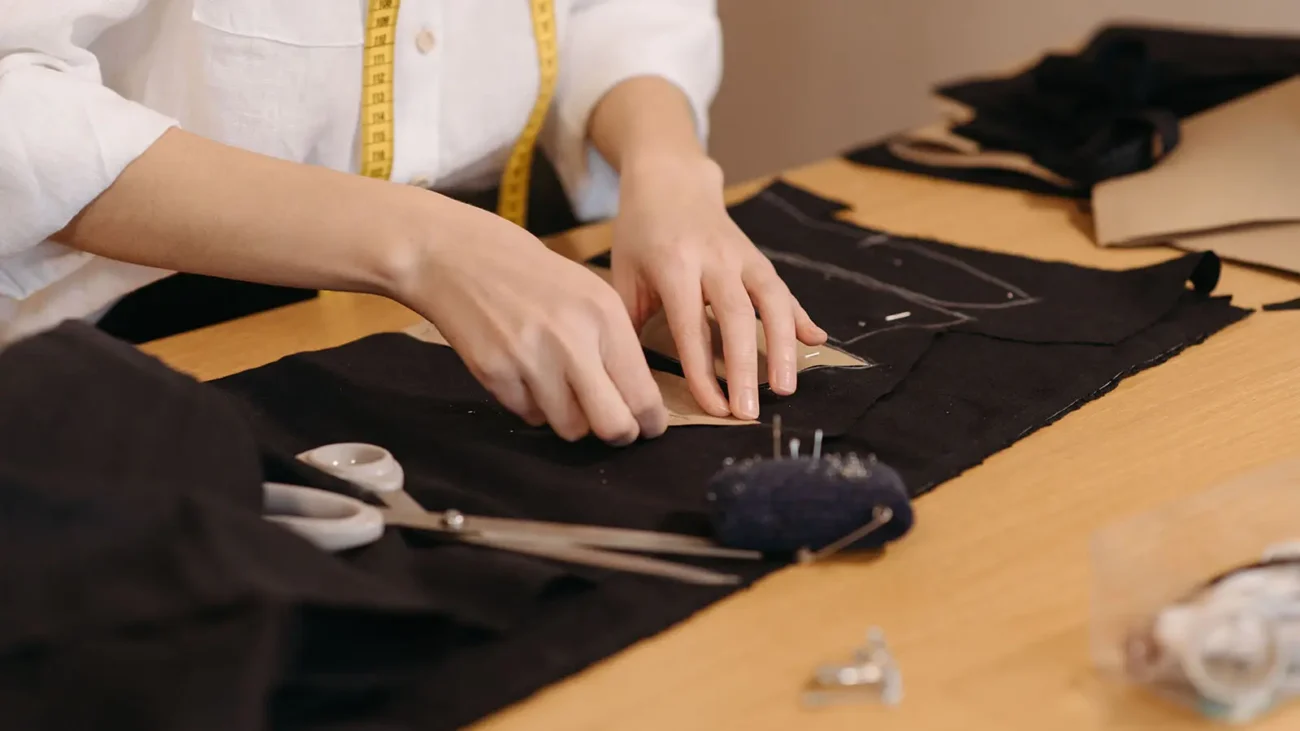
Baby clothing has higher expectations than many other apparel categories.
Parents usually care about:
A small fabric issue can affect the entire product experience.
For example:
A baby romper with poor shrinkage control may no longer fit correctly after washing.
A fabric with weak color fastness may lose its appearance after several washes.
A material without proper chemical testing may create compliance concerns when entering certain markets.
Experienced manufacturers usually recommend professional Baby Clothing Fabric Testing before bulk production because solving material problems early is much easier than correcting finished garments later.
For brands developing products for international markets, proper testing is also closely connected with baby clothing compliance requirements.
Fabric testing is usually completed before bulk manufacturing begins.
The purpose is to confirm whether the selected material can perform according to the product requirements.
Depending on the garment category and target market, manufacturers may evaluate:
A baby bodysuit made from organic cotton may require different evaluations compared with a waterproof baby product or performance-based children’s apparel.
The testing approach should match:
A professional baby clothing manufacturer does not simply choose fabric based on appearance or price. The material needs to support the final product quality and customer expectations.
Fiber composition testing is one of the basic checks in Baby Clothing Fabric Testing.
This test confirms whether the actual fabric content matches the product specification.
For example, a fabric supplier may provide information stating that a material contains:
Testing helps verify that the actual material matches the agreed requirements.
This is especially important for brands selling premium baby products.
If a brand markets a product as organic cotton baby clothing, the material information needs to be accurate and consistent.
Many brands refer to certifications such as Global Organic Textile Standard (GOTS) when developing organic textile products.
A reliable manufacturer checks fabric information before production instead of relying only on supplier documentation.
Color performance is one of the most common quality concerns in baby clothing.
Color fastness testing evaluates whether the fabric maintains its color during daily use.
Common checks include:
This matters because baby clothing is washed frequently.
A fabric that performs poorly may cause:
For brands producing multiple colors within one collection, consistent color performance is also important.
A factory may approve a beautiful sample, but bulk production requires the same color stability across thousands of pieces.
Shrinkage is one of the issues manufacturers pay close attention to during fabric evaluation.
Natural fibers, especially cotton-based materials, may change size after washing.
Shrinkage testing helps manufacturers understand how the fabric behaves after washing and drying.
This information is used to confirm:
For baby products, size consistency is particularly important.
A small change in measurement can affect comfort and customer satisfaction.
Before bulk production, experienced manufacturers usually check shrinkage performance and make adjustments if necessary.
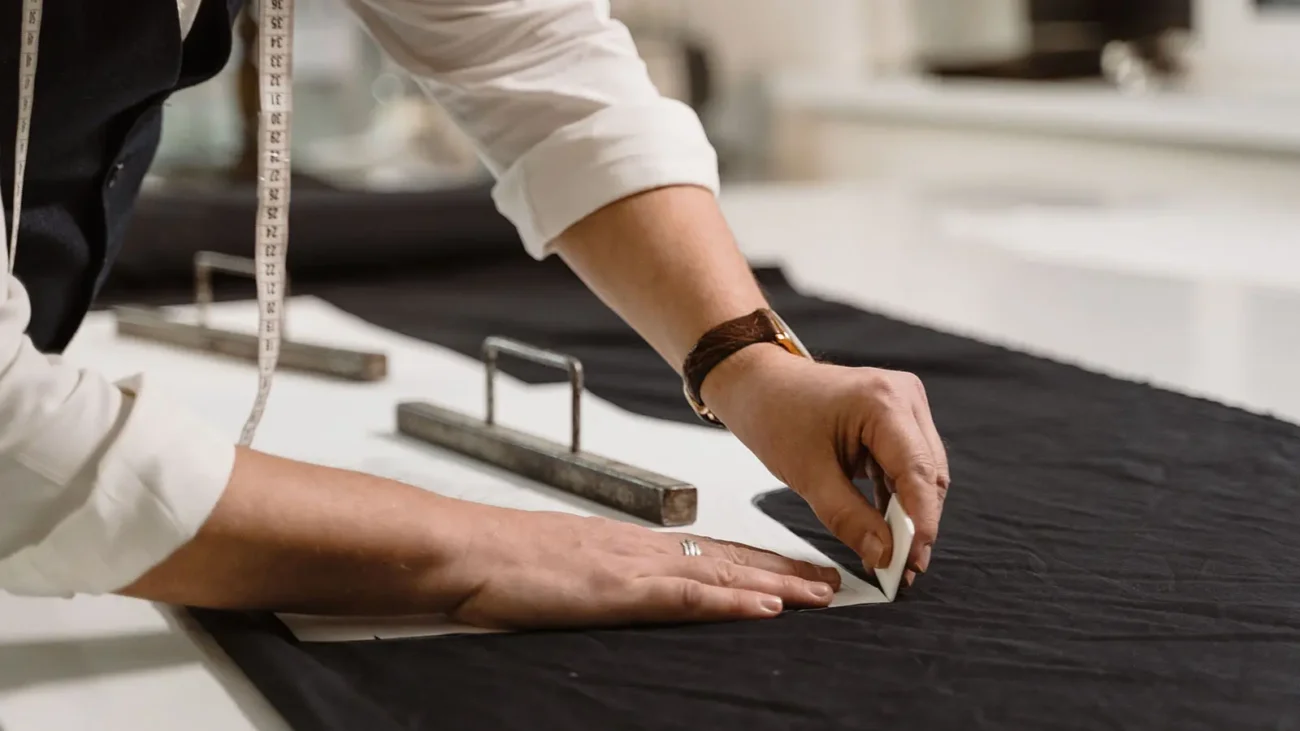
Pilling affects both appearance and perceived quality.
Small fiber balls can appear on fabric surfaces after repeated wearing and washing.
Pilling resistance testing helps determine whether a fabric can maintain a clean appearance over time.
This is especially important for products such as:
Soft fabrics are often preferred for baby products, but softness alone is not enough.
A good baby fabric needs to balance comfort with durability.
A material that feels excellent at the beginning but develops heavy pilling after a few washes may not provide a good customer experience.
Baby clothing needs to handle movement, washing, and regular use.
Tensile strength testing measures how much force a fabric can withstand before breaking.
Tear resistance testing evaluates how well the material handles stress.
These tests are useful for products that require stronger performance, such as:
A fabric that is too weak may create problems during production or after the product reaches customers.
Manufacturers consider both comfort and durability when selecting materials for different product categories.
For a professional baby clothing manufacturer, fabric strength is especially important because product quality needs to remain consistent throughout the entire lifecycle.
Chemical safety is one of the most important areas of Baby Clothing Fabric Testing, especially when manufacturers prepare products for markets with strict baby clothing compliance requirements.
Because baby clothing comes into close contact with sensitive skin, brands and manufacturers need to pay close attention to restricted substances and material safety.
Chemical testing may include checking for:
Different markets may have different requirements.
For example, brands selling baby products in the United States need to consider regulations and safety requirements from the U.S. Consumer Product Safety Commission (CPSC).
Many international buyers also refer to OEKO-TEX Standard 100 when evaluating textile safety.
For brands entering markets with strict safety expectations, working with a manufacturer familiar with baby apparel safety testing and baby clothing compliance can reduce potential risks during product development.
Fabric weight is an important factor that affects the final feel and performance of baby clothing.
GSM, or grams per square meter, helps manufacturers understand fabric thickness and weight.
Different products require different fabric weights.
For example:
Lightweight fabrics are often selected for:
Heavier fabrics are usually more suitable for:
GSM testing helps ensure that the approved sample matches the bulk production material.
Without proper control, different production batches may have differences in:
For international brands, consistent fabric weight is important because customers expect the same product quality when they reorder.
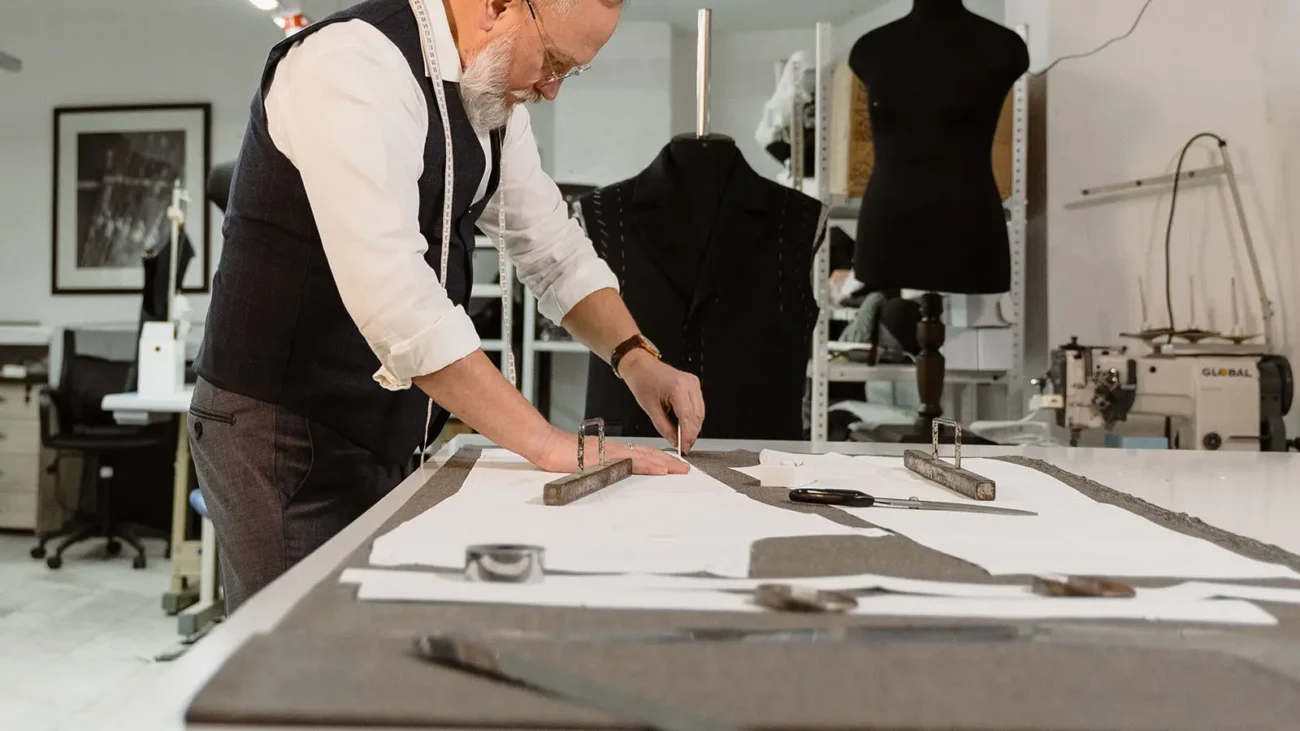
Stretch performance is important for many modern baby clothing products.
Fabrics with stretch are commonly used for:
Stretch testing measures how much a fabric can extend under pressure.
Recovery testing evaluates whether the fabric can return to its original shape after stretching.
Poor recovery performance can cause garments to:
For baby apparel, comfort and fit are closely connected.
A fabric that provides good stretch and recovery can improve both wearing experience and product durability.
Some baby clothing products require additional functional testing based on their intended use.
Examples include:
Functional testing may evaluate:
The required tests depend on the product category.
For example, a lightweight summer baby garment needs good breathability, while an outdoor baby jacket may require stronger protection against moisture.
Experienced manufacturers usually recommend testing based on the final application instead of applying the same testing method to every product.
Many fabric-related problems can be prevented before bulk production begins.
However, some brands focus too much on initial fabric price and overlook long-term product performance.
Common issues include:
A material may look suitable during sampling but behave differently after repeated washing.
Possible problems include:
A sample represents the approved product, but bulk production requires consistent material performance across large quantities.
Proper fabric inspection and Baby Clothing Fabric Testing help reduce differences between samples and finished products.
Lower material costs may appear attractive at the beginning.
However, poor fabric performance can lead to:
The most cost-effective material is not always the cheapest option.
A better approach is selecting fabric based on:
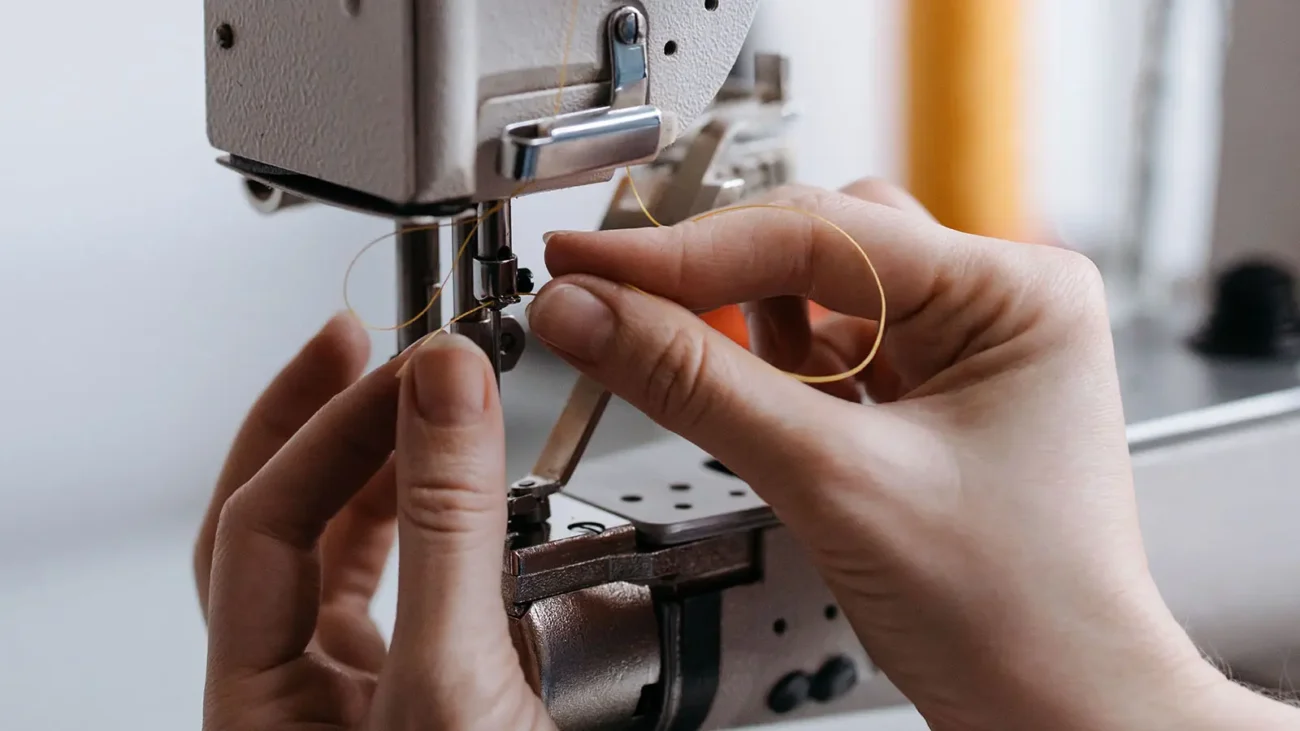
China Baby Clothing Factory (CBCF) works with international brands developing customized baby apparel collections.
Fabric selection and Baby Clothing Fabric Testing are important parts of the product development process.
CBCF supports brands with:
CBCF works with brands to evaluate materials, support baby apparel safety testing, and meet different baby clothing compliance requirements.
Through custom baby clothing manufacturing services, brands can develop products based on their target market, quality expectations, and compliance requirements.
With experience supporting international baby apparel projects, CBCF understands that choosing the right fabric is not only about product appearance.
It also affects:
Brands can learn more about our manufacturing experience through our baby clothing factory profile.
For brands expanding beyond baby apparel, China Baby Accessories Factory (CBAF) provides manufacturing solutions for baby accessories.
When brands develop children’s collections, China Kids Wear Factory (CKWF) supports kidswear manufacturing requirements.
For broader apparel categories, Clothing Factory X (CFX) provides OEM and ODM apparel manufacturing solutions.
Fabric testing helps confirm that materials meet expectations for:
Testing before production reduces the risk of quality problems after products reach the market.
A professional baby clothing manufacturer usually considers Baby Clothing Fabric Testing requirements based on fabric type, product purpose, and target market.
Common tests include:
The exact testing requirements depend on the product type, material selection, and target market.
No.
Different products have different performance requirements.
For example:
A lightweight baby bodysuit may focus more on softness, breathability, and color performance.
A baby jacket may require stronger durability and functional testing.
The testing plan should match the final product application.
Fabric testing should usually be completed before bulk production.
Testing early allows manufacturers and brands to identify possible issues before large quantities are produced.
Brands should consider:
Working with an experienced custom baby clothing manufacturer can help brands make more practical material decisions.
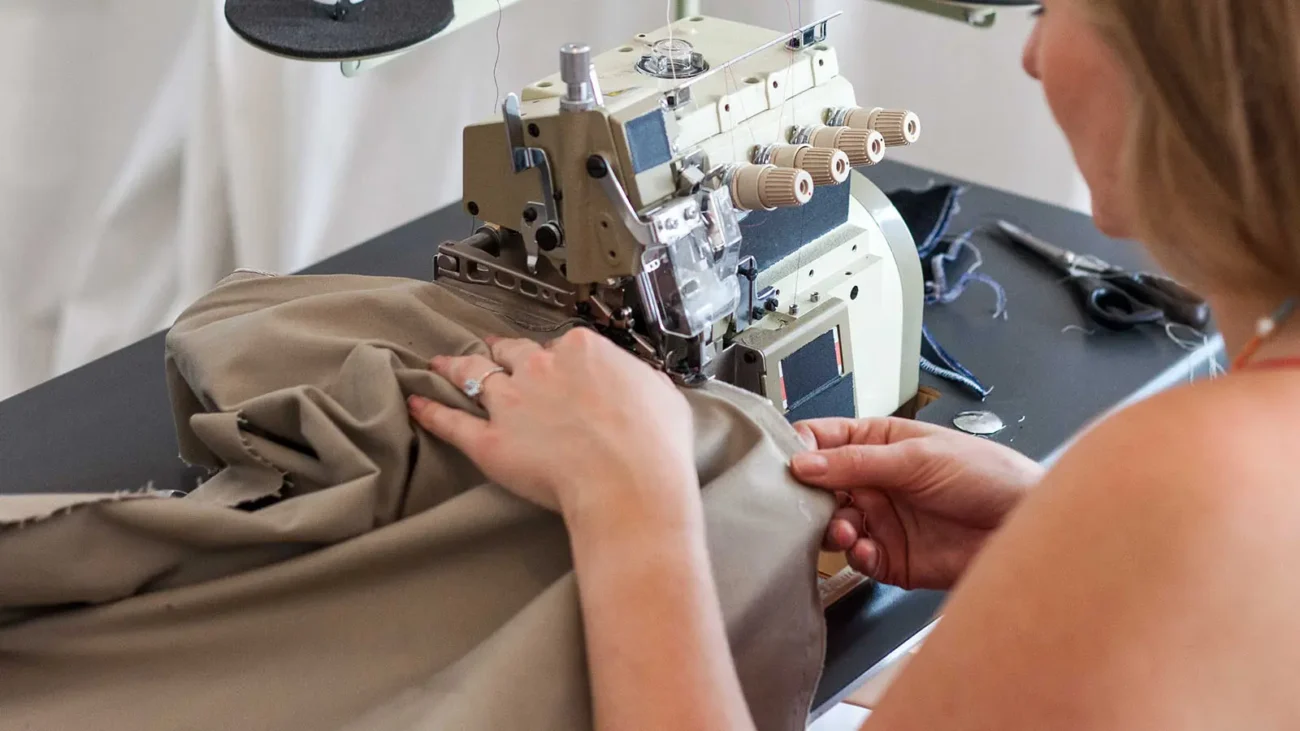
Baby Clothing Fabric Testing is an essential step in developing safe, comfortable, and reliable baby products.
The right fabric is not only about softness or appearance.
It needs to provide:
For international brands, working with an experienced baby clothing manufacturer helps ensure that materials are properly evaluated before production begins.
A reliable China baby clothing factory can support brands from material selection and testing to finished product manufacturing, helping create baby apparel that meets customer expectations and builds long-term market trust.

 scan wechat qrcode