20% Off for New Inquiries – Today Only!
20% Off for New Inquiries – Today Only!
Building a successful baby clothing brand requires more than creative designs. Behind every high-quality baby apparel collection is a professional custom baby clothing manufacturing process that transforms product concepts into safe, comfortable, and market-ready products.
For startups, boutique brands, and established retailers, the biggest challenge is often not creating designs but finding a reliable manufacturing partner.
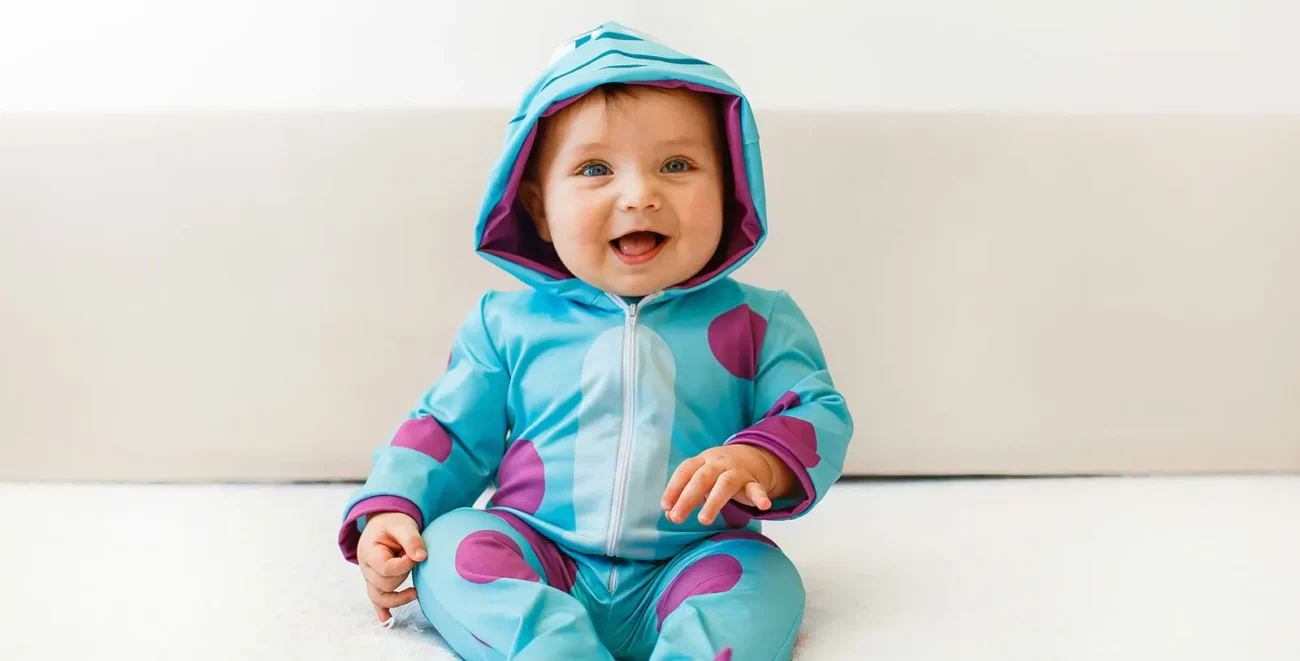
A professional custom baby clothing manufacturer needs to understand more than garment production. They should have experience in fabric selection, product development, garment construction, quality control, and international market requirements.
The process of custom baby clothing manufacturing includes multiple stages:
Choosing the right custom baby clothing manufacturer helps brands reduce development risks, control production costs, and create products that meet customer expectations.
This guide explains how professional baby clothing manufacturing works and what brands should consider before starting a production project.
The baby apparel market is becoming increasingly competitive.
Modern consumers expect baby products to provide:
For brands, creating unique products is an important way to stand out. However, developing custom baby apparel requires professional manufacturing knowledge.
A reliable manufacturer helps brands solve common challenges:
Unlike general apparel, baby clothing requires additional attention because products are directly related to infant comfort and safety.
Professional manufacturers understand these requirements and help brands balance design creativity with production practicality.
Many baby brands also expand beyond clothing into related product categories. Working with specialized suppliers for baby accessories manufacturing allows brands to build more complete product collections.
Every successful baby clothing collection starts with an idea.
However, transforming an idea into a finished product requires professional evaluation, technical development, and manufacturing experience.
The first stage of custom baby clothing manufacturing is converting creative concepts into production-ready designs.
Brands usually provide:
Before production begins, manufacturers evaluate whether the design can be produced efficiently.
Professional factories review:
A design that looks attractive in a digital file may create challenges during mass production.
For example:
An experienced custom baby clothing customization services team can provide technical suggestions to improve designs while maintaining the original brand concept.
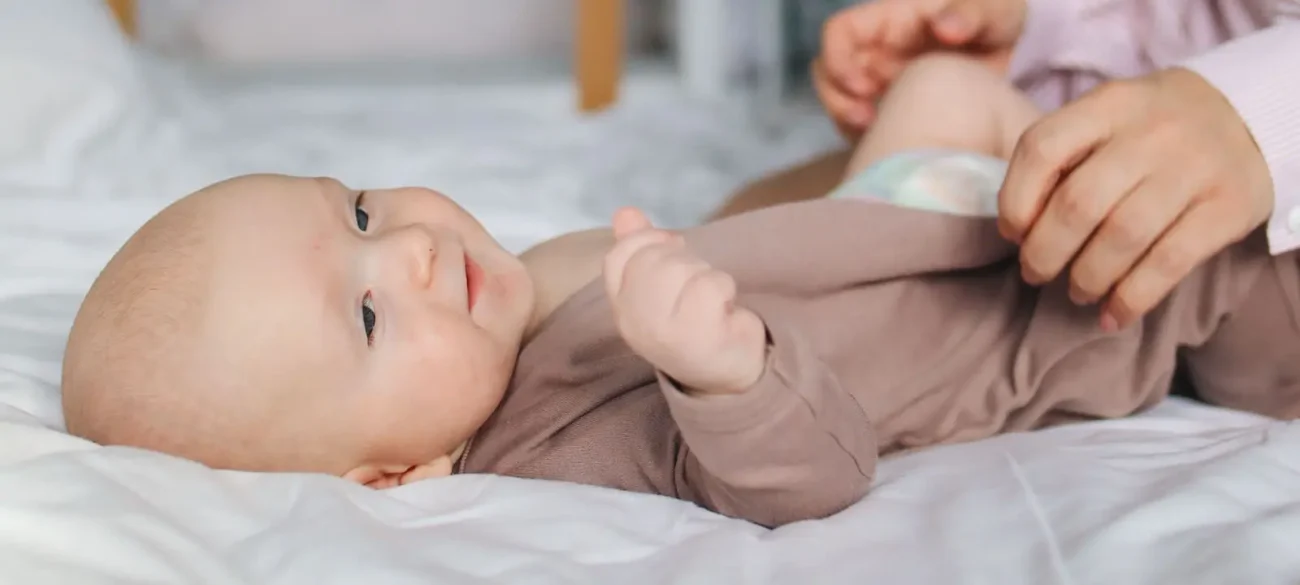
Fabric selection is one of the most important decisions in custom baby clothing manufacturing.
Baby products require materials that balance:
Professional manufacturers help brands select fabrics based on product positioning, target customers, and market requirements.
Organic cotton is widely used in baby apparel because of its:
It is commonly used for:
Bamboo fabric is popular for premium baby products because it provides:
It is often used for:
Premium baby collections often use Modal and Tencel because of their:
For global baby brands, fabric safety is a critical factor.
Professional manufacturers evaluate:
Standards such as OEKO-TEX® Standard 100 help evaluate textile products for harmful substances and improve confidence for brands and consumers.
For organic textile products, certifications such as Global Organic Textile Standard (GOTS) provide guidelines covering organic fibers, processing requirements, and responsible production practices.
Selecting reliable materials at the beginning helps brands maintain consistent product quality during bulk production.
Before bulk production begins, sample development is one of the most important stages.
A professional OEM baby clothing manufacturer develops samples based on:
The sampling stage allows brands to evaluate:
Many production problems can be discovered during sampling.
Common issues include:
A professional manufacturer uses the sample stage to improve the product before bulk production.
This reduces risks and prevents expensive changes later.
After sample approval, the project moves into bulk manufacturing.
Production requires coordination between:
Working with an experienced baby clothing factory China partner helps brands achieve better production efficiency and quality consistency.
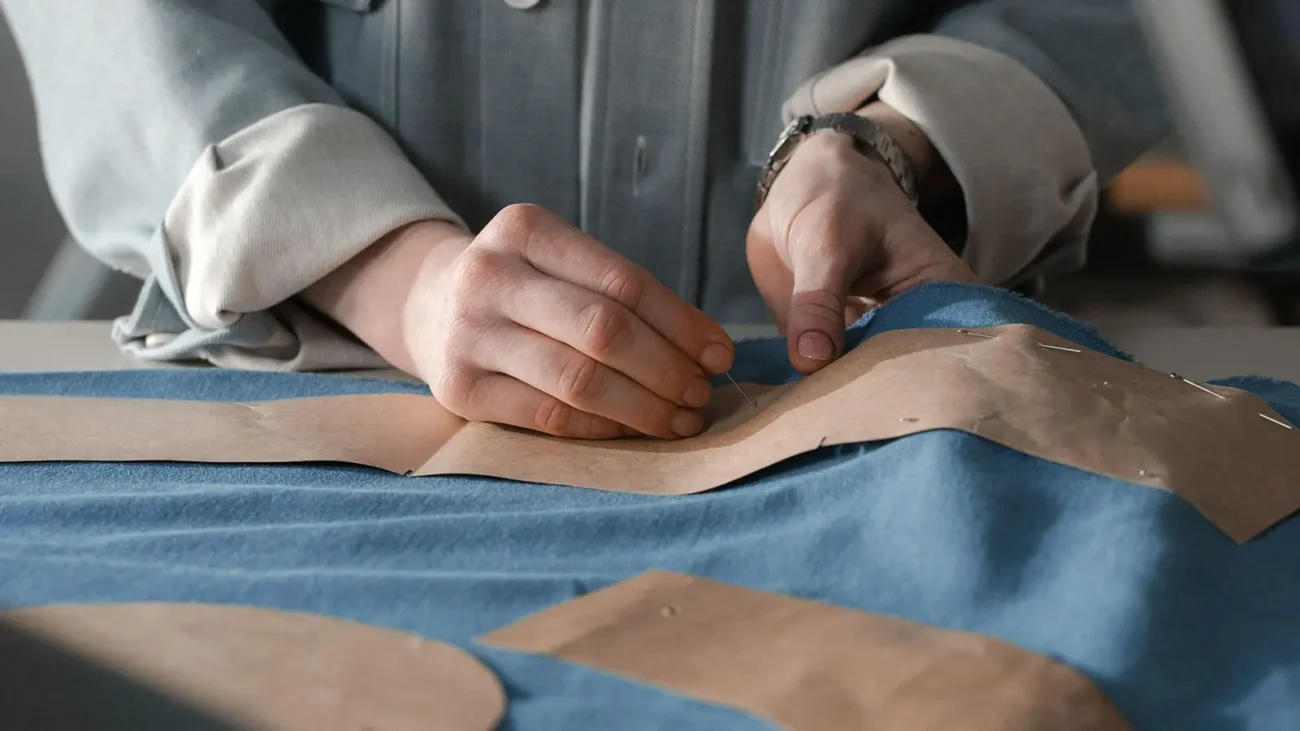
Before production starts, factories organize:
Clear communication helps prevent:
Quality control is essential in professional custom baby clothing manufacturing.
Manufacturers usually inspect products at different stages.
Factories check:
Teams monitor:
Before shipment, finished products are checked for:
Professional quality management systems help factories maintain stable production standards and improve long-term manufacturing reliability.
Choosing the right production partner can directly influence product success.
Many brands want premium materials while maintaining competitive pricing.
A professional manufacturer helps balance:
MOQ is an important consideration, especially for startups.
Production costs depend on:
Experienced manufacturers help brands find practical solutions based on business goals.
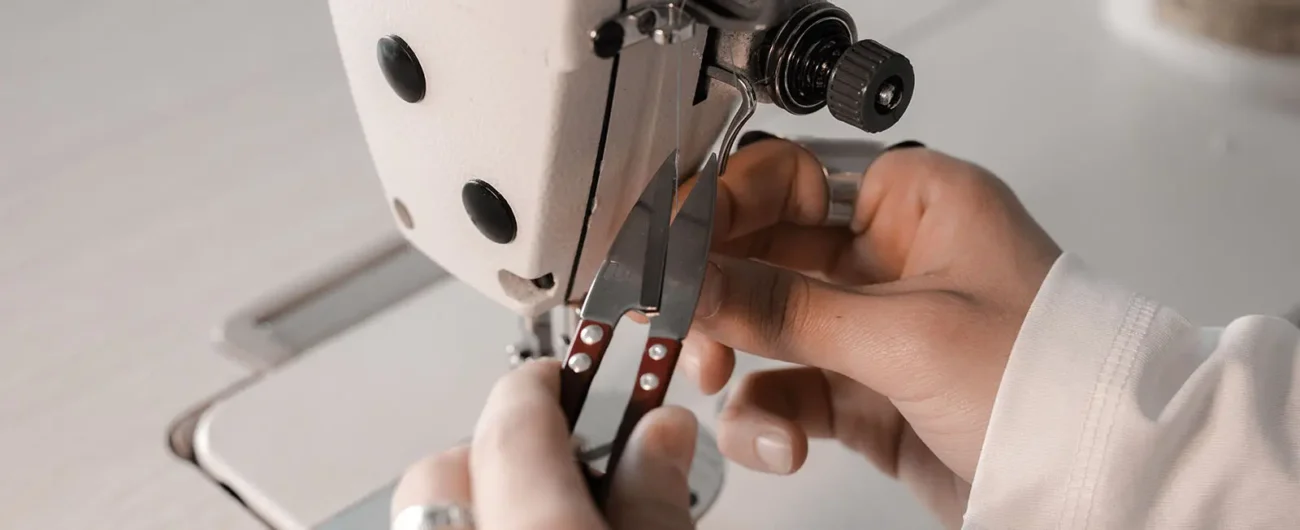
Producing one excellent sample is different from producing thousands of identical products.
Reliable manufacturers need:
Before contacting a manufacturer, brands should prepare:
Clear requirements allow manufacturers to provide more accurate recommendations and quotations.
Good preparation also improves communication efficiency throughout the project.
For brands managing multiple product categories and international sourcing requirements, professional baby product supply chain solutions can help simplify supplier coordination and export processes.
Selecting the right manufacturing partner is one of the most important decisions for a baby brand.
A suitable supplier should provide more than production capacity. They should also offer technical support, product development experience, and reliable quality management.
Brands should evaluate suppliers based on experience in:
Experienced manufacturers understand the challenges of baby clothing production.
A professional OEM baby clothing manufacturer should support:
This allows brands to create unique products instead of competing with standard products.
A reliable manufacturing partner should provide:
A manufacturer that supports development becomes an extension of the brand team.
China has developed a mature apparel supply chain with experienced production teams and complete sourcing networks.
For international brands, working with a professional baby clothing factory China partner provides advantages including:
China Baby Clothing Factory (CBCF) supports global brands with customized baby apparel development and OEM manufacturing solutions.
With experience in baby apparel production, CBCF provides support from product development to bulk manufacturing.
Brands can learn more about the company’s capabilities through the experienced baby clothing manufacturing team and explore additional baby clothing manufacturing insights.
For companies expanding beyond baby apparel, related manufacturing resources include:
These connected capabilities help brands build broader apparel collections through specialized production partners.
Successful baby clothing brands are built on more than creative ideas.
They require:
A professional custom baby clothing manufacturer supports brands through:
Choosing the right manufacturing partner helps brands create safer, more comfortable, and more competitive baby apparel products.
With support from an experienced custom baby apparel manufacturer, brands can transform product ideas into successful collections ready for global markets.

 scan wechat qrcode