20% Off for New Inquiries – Today Only!
20% Off for New Inquiries – Today Only!
Choosing the right baby clothing fabric is one of the most important steps in developing successful baby apparel products.
For baby brands, fabric affects much more than product appearance. It directly influences:
An experienced baby clothing manufacturer understands that a good design can only become a successful product when the material performs well during both wearing and production.
Many brands focus first on:
However, professional manufacturers know that fabric selection determines whether a product can achieve consistent quality during bulk production.
A fabric that feels excellent in a sample may create problems later, including:
This is why working with an experienced baby apparel manufacturer is important during the early development stage.
A reliable manufacturing partner helps brands evaluate:
This guide explains how a professional baby clothing factory China partner selects materials and what brands should consider when developing custom baby apparel.
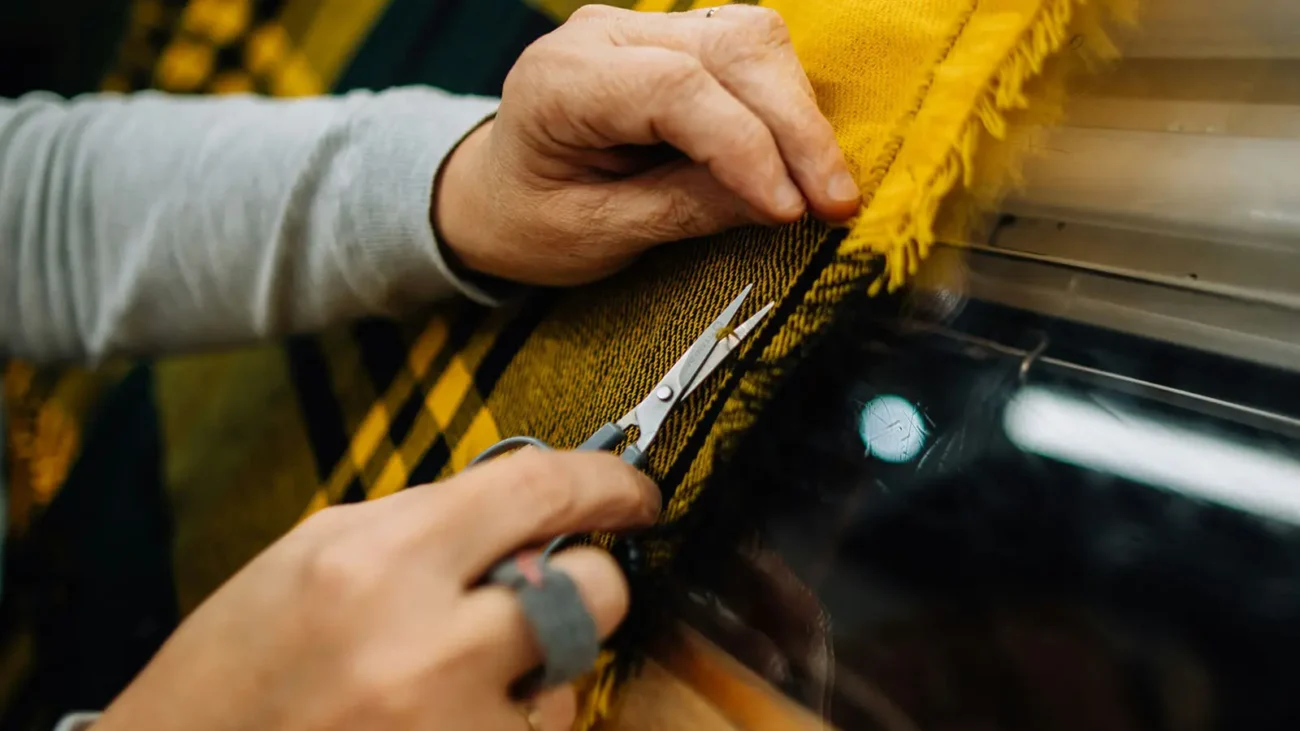
Baby apparel has higher material requirements compared with many other clothing categories.
Because baby skin is sensitive, manufacturers carefully evaluate materials before production.
The ideal baby clothing fabric should provide a balance between:
Softness is one of the first factors considered when selecting fabrics for baby products.
Items such as:
are worn close to the skin, so fabrics need to provide a comfortable wearing experience.
Manufacturers usually evaluate:
However, softness alone is not enough.
A professional baby clothing manufacturer also considers whether the fabric can maintain comfort after:
A material that feels soft during sampling but loses performance after washing may not be suitable for commercial production.
Babies need clothing that helps maintain comfort in different environments.
Breathable fabrics allow better air circulation and help manage moisture.
This is especially important for:
Common breathable materials include:
A professional baby apparel manufacturer evaluates fabric performance according to the final product purpose.
For example:
A summer romper requires lightweight breathability, while winter baby clothing may require warmth and insulation.
Safety is a key consideration when selecting materials for baby apparel.
A professional baby clothing manufacturer evaluates:
International standards help brands understand textile safety requirements.
For example, OEKO-TEX® Standard 100 is widely recognized for testing textile products against harmful substances.
For organic baby apparel collections, Global Organic Textile Standard (GOTS) provides requirements related to organic fibers, processing, and responsible production practices.
For brands entering international markets, certified materials can improve customer confidence and support retail requirements.
Different fabrics provide different advantages.
A professional ODM baby clothing manufacturer selects materials according to:
Organic cotton is one of the most popular materials used in baby clothing production.
It is widely chosen because it offers:
Common applications include:
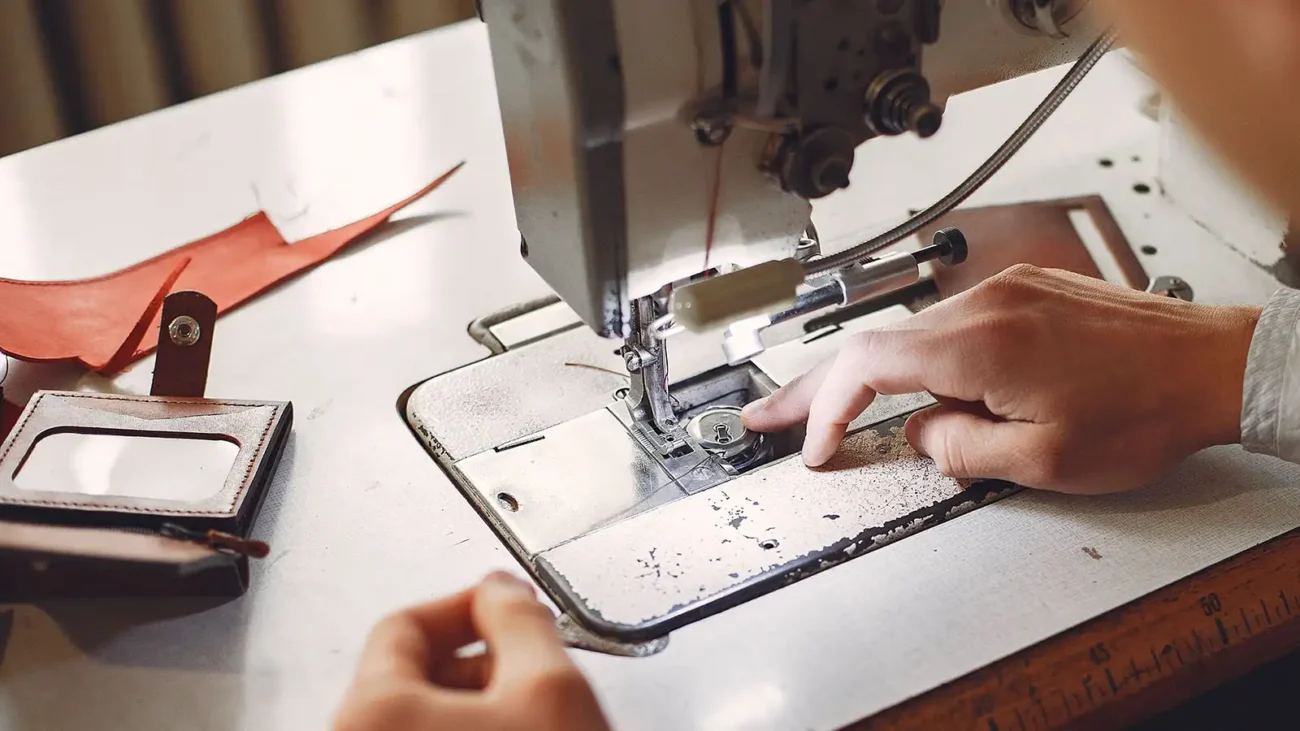
Many modern baby brands focus on natural and sustainable materials.
Organic cotton supports brands looking for:
However, manufacturers evaluate more than the fiber itself.
Important factors include:
A professional baby clothing manufacturer helps brands select suitable organic cotton fabrics based on product requirements.
Bamboo fabric has become increasingly popular in premium baby apparel collections.
Its advantages include:
Bamboo is commonly used for:
For premium brands, bamboo can create a more comfortable product experience.
However, manufacturers need to evaluate:
Not every bamboo fabric performs the same during bulk production.
Modal is widely used in baby sleepwear and lightweight apparel.
Its advantages include:
Modal is suitable for:
For brands developing premium collections, Modal provides a balance between comfort and modern fabric performance.
Tencel, also known as Lyocell, is becoming more popular among environmentally focused brands.
It provides:
Tencel is often used for:
Manufacturers evaluate whether Tencel matches:
Although natural fabrics are popular, cotton blends are also widely used in baby clothing manufacturing.
Blended fabrics can improve:
Common combinations include:
For active baby products, blended fabrics can sometimes provide better performance than pure materials.
A skilled ODM baby clothing manufacturer helps brands select the right balance between comfort and manufacturing requirements.
Selecting a suitable baby clothing fabric requires more than choosing a material based on appearance.
Professional manufacturers evaluate fabrics through multiple development stages before bulk production begins.
This process helps brands avoid:
A professional manufacturer considers both product performance and manufacturing feasibility.
Fabric weight is an important factor when developing baby apparel.
Manufacturers usually evaluate GSM (grams per square meter) to determine whether a fabric matches the product purpose.
Lightweight fabrics are commonly used for:
Medium-weight fabrics are suitable for:
Heavier fabrics are often selected for:
Choosing the correct fabric weight helps ensure the final product matches seasonal and market expectations.
Many baby products require flexibility.
For example:
need fabrics that allow movement while maintaining shape.
Manufacturers evaluate:
Poor stretch recovery may cause garments to lose their original shape after repeated use.
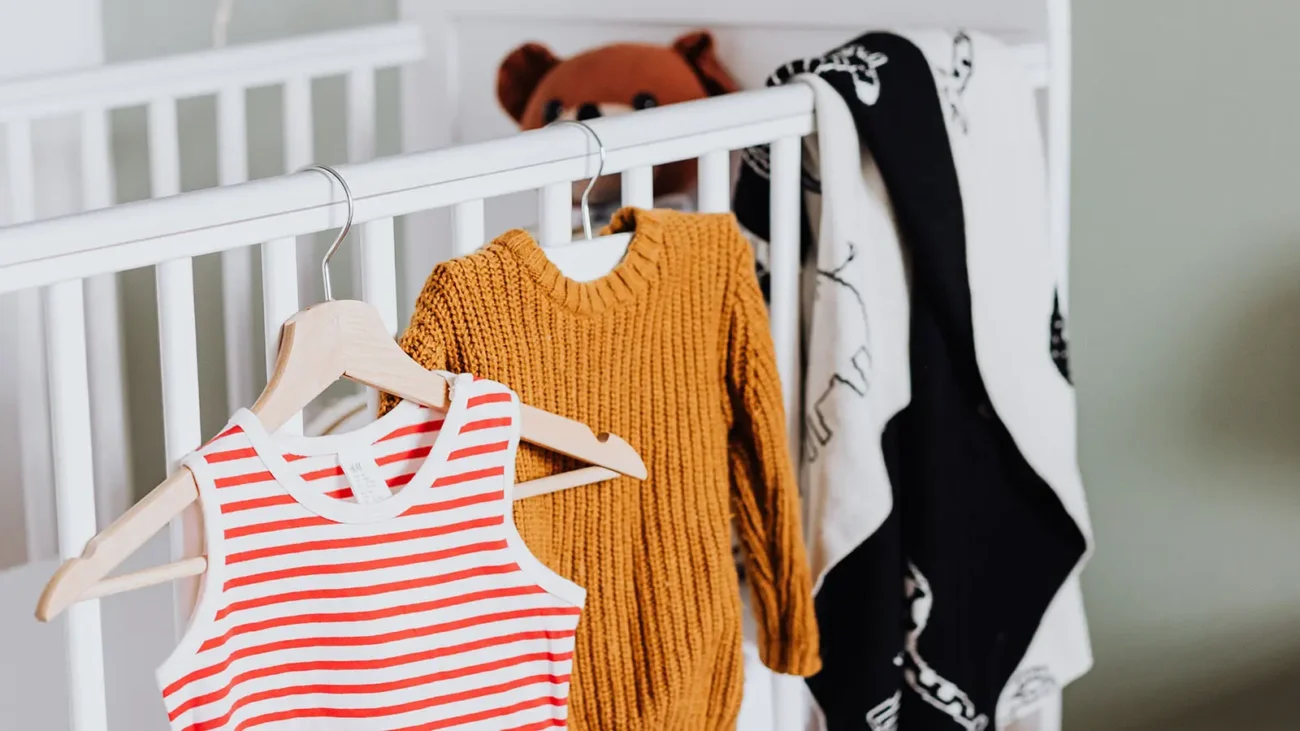
Fabric shrinkage is one of the most common production concerns.
Before bulk manufacturing, factories evaluate how materials behave after washing.
Excessive shrinkage can affect:
Experienced manufacturers consider shrinkage during:
This helps ensure the final products match approved samples.
Baby clothing is washed frequently, so color stability is important.
Manufacturers check fabric performance after:
Good color fastness helps maintain:
Different baby products require different material characteristics.
A professional baby apparel manufacturer selects fabrics based on the product’s function.
Baby bodysuits require:
Recommended fabrics:
These fabrics provide comfort while allowing babies to move freely.
Sleepwear requires fabrics that provide comfort for long periods.
Common choices include:
Important characteristics:
Daily baby clothing requires a balance between comfort and durability.
Common materials include:
These fabrics are suitable for:
Baby outerwear requires stronger performance.
Manufacturers may select:
Important considerations include:
Many brands expand beyond clothing into complete baby product collections.
Baby accessories may require specialized materials such as:
For brands developing products beyond apparel, specialized baby accessories manufacturing support can help maintain consistent quality across product categories.
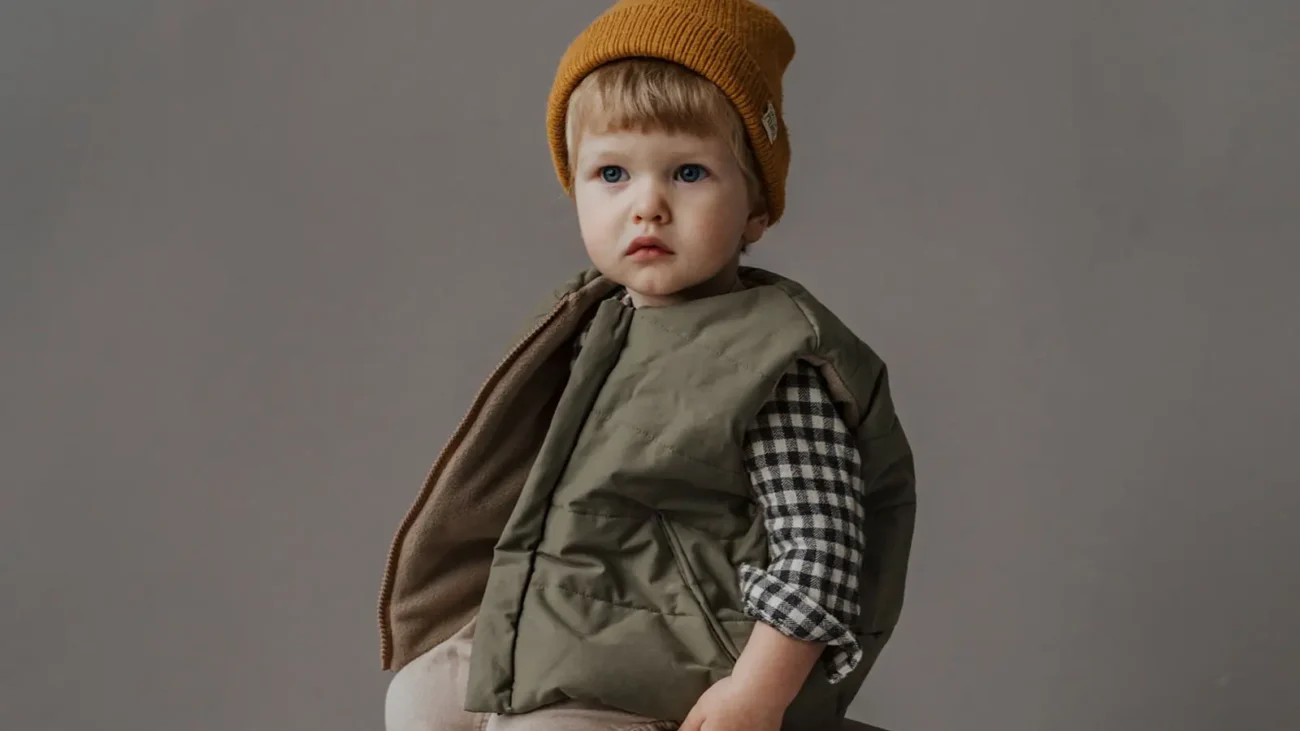
Working with an experienced baby clothing factory China partner provides advantages in fabric sourcing and production management.
China has developed a mature textile supply chain with access to:
Professional manufacturers support brands through:
For international brands managing multiple product categories, baby product supply chain solutions can help improve sourcing efficiency and export coordination.
Fabric selection is closely connected with product development.
A professional ODM baby clothing manufacturer does not only produce finished garments. They also provide technical support during development.
Manufacturing support may include:
An experienced manufacturer can recommend materials based on:
This reduces development risks before bulk production.
Cost is an important factor, but the cheapest material is not always the best choice.
Low-quality fabrics may lead to:
Professional manufacturers help brands balance:
Premium materials can improve product value, but they must match the target market.
For example:
A luxury baby brand may choose Tencel or bamboo.
A mass-market brand may prefer high-quality cotton blends.
The correct choice depends on:
A fabric that works well for one sample may create problems in large production.
Manufacturers evaluate:
This is why early fabric testing is important before placing large orders.
Fabric knowledge is only one part of successful baby apparel production.
A reliable manufacturing partner should understand the complete process:
China Baby Clothing Factory (CBCF) supports global brands with custom baby apparel development and manufacturing services.
From fabric selection to bulk production, CBCF helps brands create products that meet quality and market requirements.
Brands can also explore:
to understand how professional manufacturers support product development.
Many baby brands eventually expand their product categories.
A complete apparel supply chain may include:
For broader clothing development needs, brands can explore:
These specialized manufacturing resources help brands develop wider product collections.
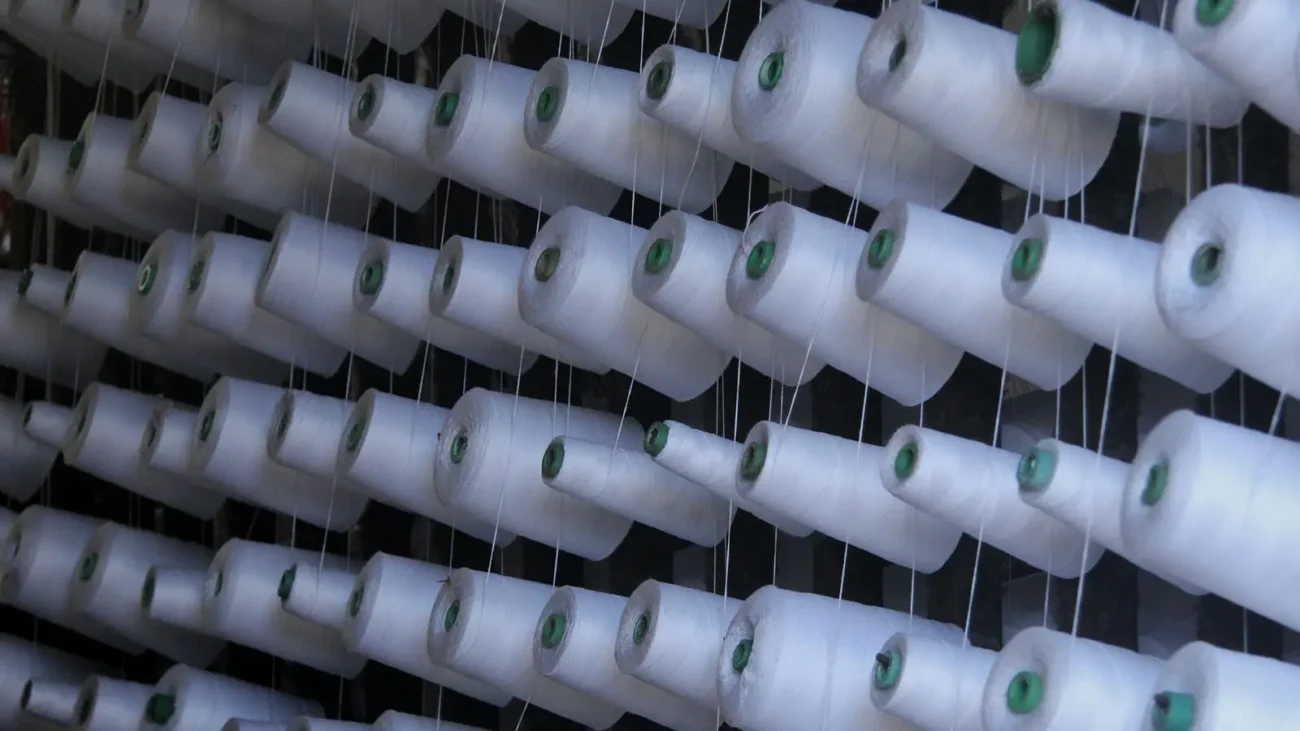
The best fabric depends on product requirements.
Common choices include:
Manufacturers select materials based on comfort, safety, durability, and target market.
Yes. Organic cotton is widely used because it provides softness, breathability, and comfortable wearing performance.
Many brands choose organic cotton for sustainable baby apparel collections.
Bamboo, Modal, Tencel, and soft cotton fabrics are commonly used for baby pajamas because they provide comfort and moisture management.
Yes.
Experienced manufacturers often help brands source:
This support helps brands create differentiated products.
Common textile certifications include:
Certification requirements depend on the target market and product positioning.
Fabric selection is the foundation of successful baby apparel development.
The right material should provide the balance between:
An experienced baby clothing manufacturer helps brands make better decisions by combining textile knowledge with manufacturing experience.
From organic cotton and bamboo to sustainable premium fabrics, professional material selection allows brands to create safer and more competitive baby clothing products.
Working with a reliable baby apparel manufacturer and baby clothing factory China partner helps transform product ideas into high-quality collections ready for global markets.

 scan wechat qrcode