20% Off for New Inquiries – Today Only!
20% Off for New Inquiries – Today Only!
Finding the right China Baby Clothing Factory is one of the most important steps for brands, retailers, and importers planning to develop baby apparel products.
China has a mature garment manufacturing industry, but choosing the right China Baby Clothing Factory is critical because not every supplier has the experience, quality control system, and product development capability required for baby clothing production.
Baby apparel requires higher standards than regular clothing. Fabric safety, workmanship, sizing accuracy, compliance, and production consistency can directly influence customer satisfaction and brand reputation.
Before working with a baby clothing manufacturer China, buyers should carefully evaluate the supplier to avoid quality issues, production delays, and unnecessary costs.
This guide explains the 10 essential checks brands should complete before choosing a manufacturing partner.
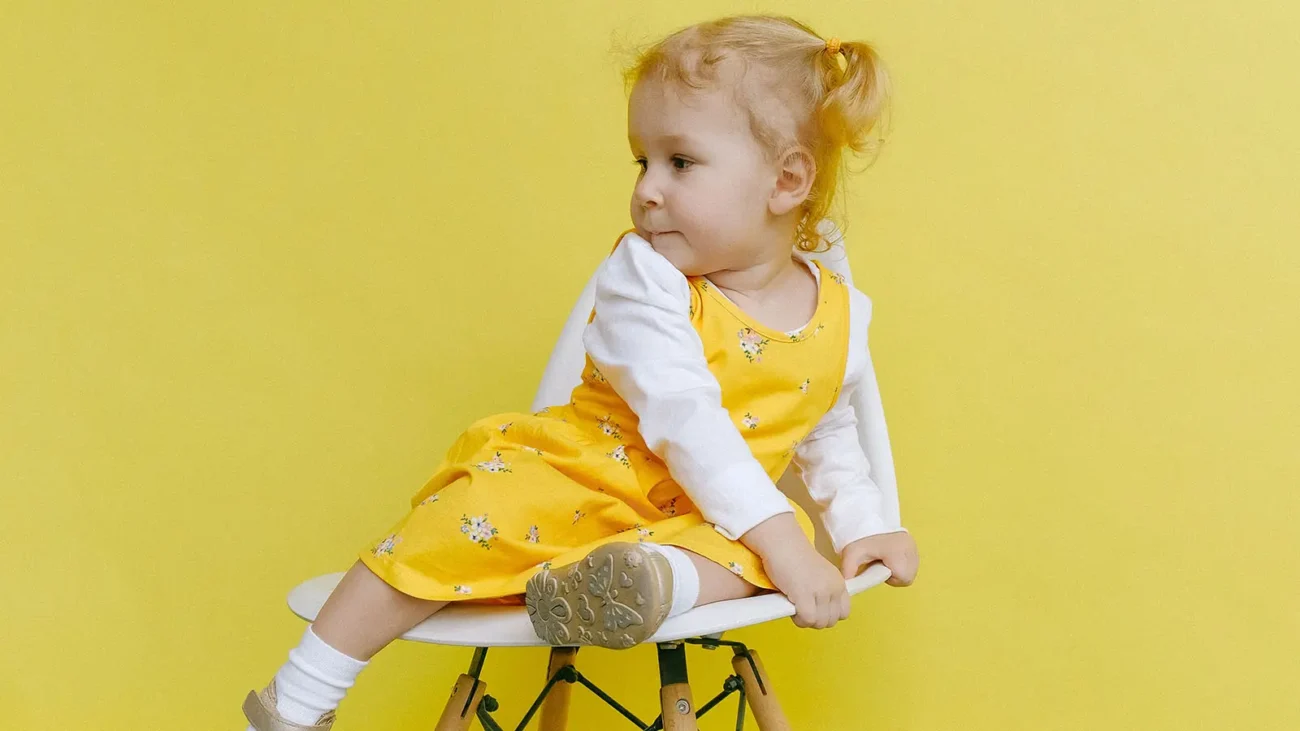
Baby clothing is different from general apparel because products are used by babies with sensitive skin.
Parents usually expect:
For brands, manufacturing problems can create long-term challenges, including product returns, customer complaints, and loss of customer trust.
A professional China Baby Clothing Factory should provide more than production capacity. The factory should understand baby product requirements, international standards, and brand development needs.
For more information about CBCF’s manufacturing background, visit our baby clothing factory experience.
The first step is confirming whether the supplier is a real manufacturer with relevant experience.
Some suppliers operate mainly as trading companies and outsource production to different factories. This can make communication, quality control, and production management more difficult.
A professional baby clothing manufacturer China should be able to provide clear information about:
Important factors include:
A factory with stable production systems is more likely to support long-term cooperation.
Baby clothing requires specific production knowledge.
A manufacturer should have experience with products such as:
Brands looking for related children’s apparel solutions can also explore kids clothing manufacturing resources.
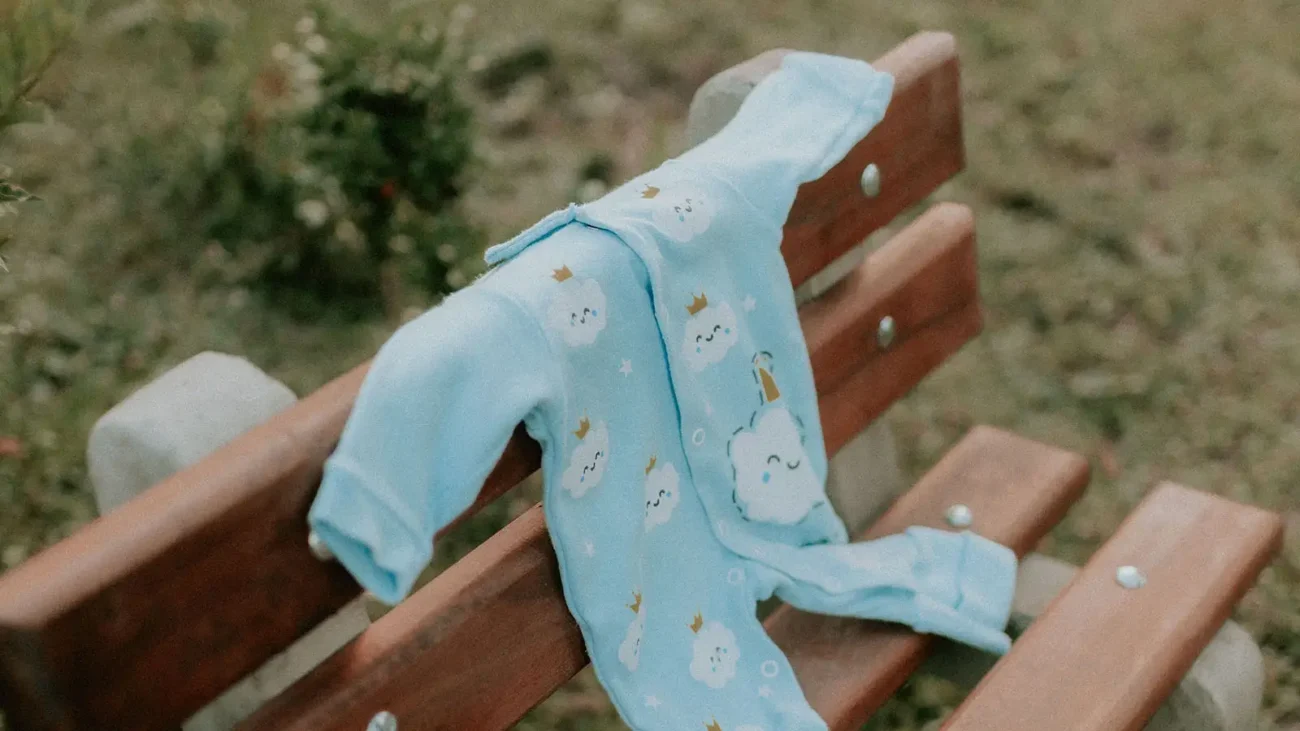
Quality control is one of the most important factors when selecting a manufacturing partner.
A reliable China Baby Clothing Factory should have inspection procedures throughout the entire production process. This is one of the key differences between an experienced China Baby Clothing Factory and a basic garment supplier.
Before production begins, factories should check:
Fabric problems discovered after cutting can increase production costs and delay delivery schedules.
During manufacturing, quality checks should include:
These details directly affect product safety and customer experience.
Before shipment, finished products should be checked for:
A complete quality system helps brands maintain consistent product standards.
Fabric selection is a critical part of baby clothing manufacturing.
A professional custom baby clothing manufacturer should understand material requirements for different markets.
Common baby clothing materials include:
Many international brands require fabrics to be tested for harmful substances.
The OEKO-TEX® Standard 100 certification is widely used in the textile industry to verify that products meet strict safety requirements.
Before production, buyers should confirm:
Reliable fabric sourcing helps brands build customer confidence.
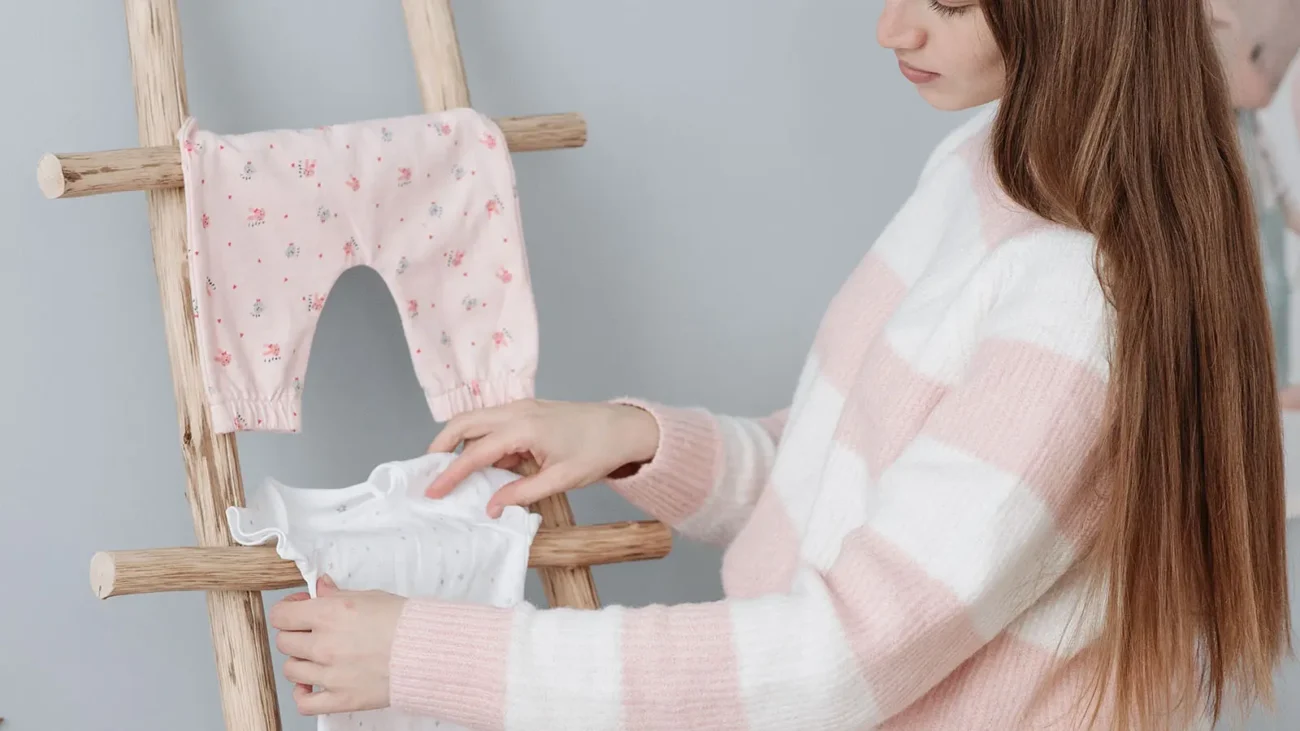
Many baby brands are not looking for standard products. They need unique designs that match their own market positioning.
A capable private label baby clothing manufacturer should provide flexible customization options.
Common services include:
Private label production may include:
Brands can learn more about CBCF’s custom baby clothing manufacturing services.
A professional OEM baby clothing factory should provide more than simple manufacturing.
During product development, brands often need support with:
Experienced manufacturers can identify potential production issues before bulk manufacturing starts.
This reduces unnecessary revisions and helps improve production efficiency.
MOQ is an important consideration, especially for emerging brands.
Before placing an order, buyers should understand:
A flexible supplier can help brands test new products before investing in large inventory.
Clear communication is essential during product development and manufacturing.
Many sourcing problems are caused by unclear requirements rather than production limitations.
A professional supplier should provide:
Good communication helps prevent misunderstandings during sampling and bulk production.
International buyers need suppliers that understand global shipping and compliance requirements.
A professional baby apparel supplier China should understand:
For brands selling baby products in the United States, understanding children’s product regulations is essential.
The CPSC children’s product safety requirements provide official guidance for companies producing and importing children’s products.
Export experience helps reduce delays caused by documentation or compliance problems.
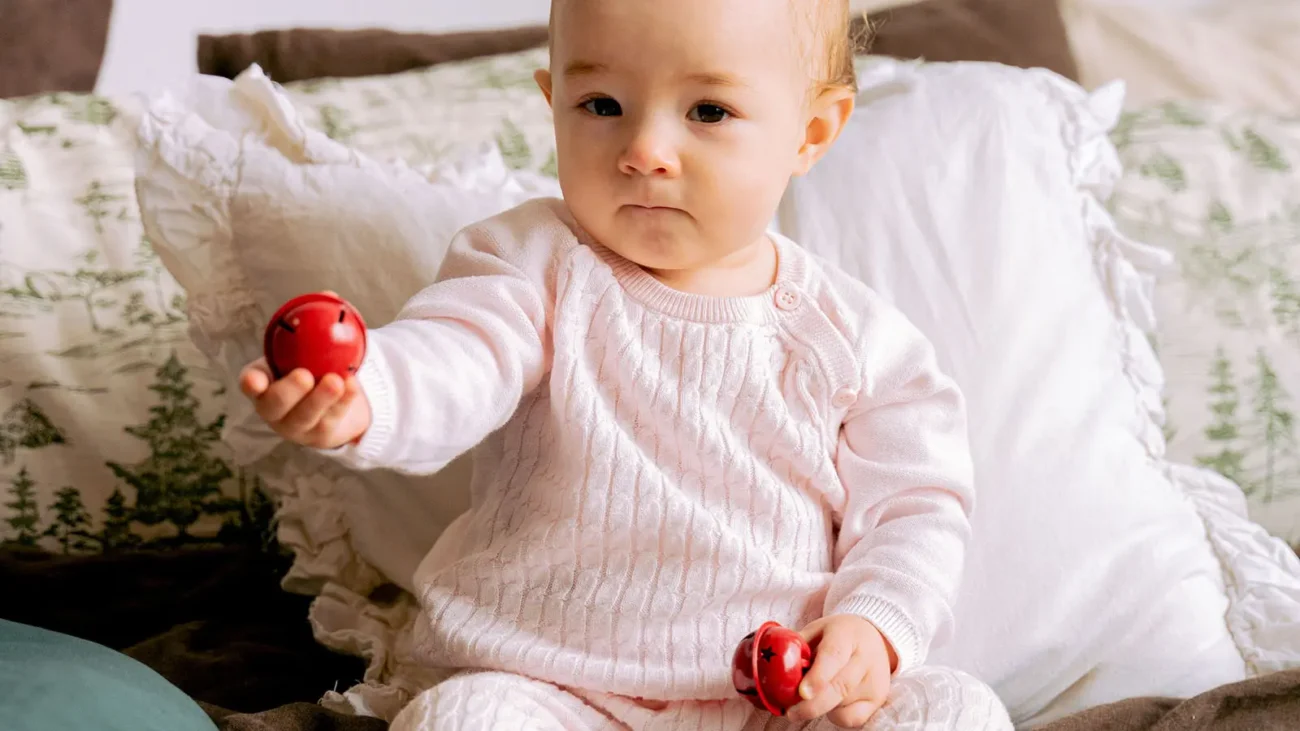
Before cooperation, buyers should review the supplier’s previous projects.
Useful information includes:
A manufacturer with similar production experience usually understands technical requirements better.
Price is important, but it should not be the only decision factor.
For baby clothing brands, a reliable manufacturing partner should provide:
A long-term relationship with a professional China Baby Clothing Factory can help brands build a stronger supply chain.
Before placing an order, buyers should ask:
CBCF supports international brands that need reliable baby apparel manufacturing solutions.
As a professional China Baby Clothing Factory, CBCF provides:
Brands interested in learning more about baby clothing production can also explore our baby clothing manufacturing insights.
Related baby product categories can be explored through baby accessories manufacturing solutions.
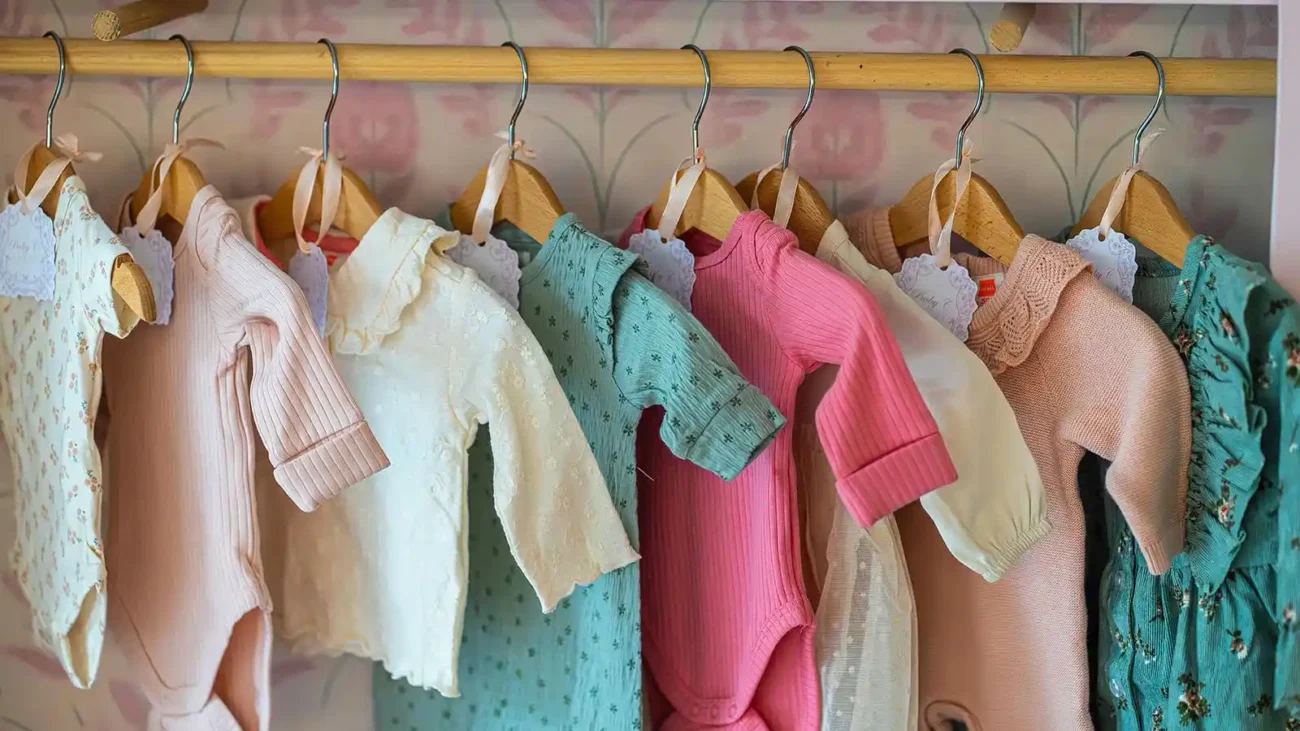
Before confirming your supplier, review:
Choosing a China Baby Clothing Factory is not only about finding a supplier.
The right China Baby Clothing Factory can help brands improve product quality, reduce sourcing risks, and build a stable supply chain for long-term business growth.
 scan wechat qrcode