20% Off for New Inquiries – Today Only!
20% Off for New Inquiries – Today Only!
Choosing a factory for a baby clothing brand is not simply about finding a supplier that can produce garments.
Many brands already have product concepts, sketches, target customers, and packaging ideas before contacting a manufacturer. However, turning these ideas into finished products requires experience in materials, garment construction, sampling, and production management.
A design that looks attractive may still need adjustments before it can be manufactured efficiently. The fabric may not match the expected cost. A special design detail may create production difficulties. A sample may look acceptable but fail to maintain consistency during bulk production.
These situations are common when brands work with factories that lack experience in baby apparel.
A reliable Custom Baby Clothing Manufacturer should do more than produce clothing. The right partner should understand product development, material selection, quality requirements, and the challenges involved in bringing baby products from concept to market.
Before choosing a factory, brands should ask the right questions to avoid unnecessary costs and production problems.
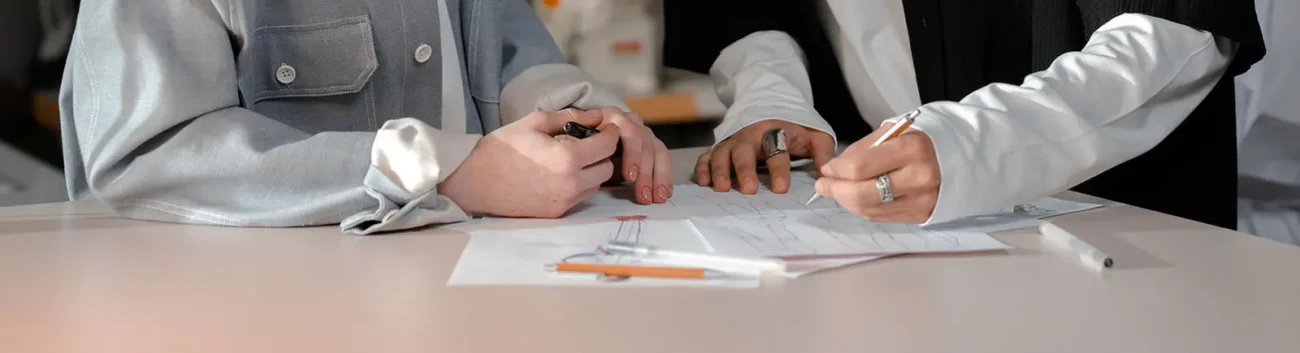
The first thing brands should evaluate is not the quotation. It is the factory’s experience with baby products.
A manufacturer that produces general apparel may not fully understand the special requirements of baby clothing.
Baby garments are designed for sensitive skin and daily use. Details that seem small can influence comfort, safety, and customer satisfaction.
An experienced baby clothing manufacturer should understand:
For example, a baby romper may appear simple, but several details need careful attention:
A factory with baby apparel experience can identify these issues during development instead of discovering problems after production.
This is one reason why many brands prefer working with a Custom Baby Clothing Manufacturer that focuses specifically on baby products rather than general garment production.
Before selecting a supplier, brands should review:
A supplier should be able to explain how it manages baby apparel projects instead of only showing finished product photos.
Many brands contact manufacturers after completing their designs.
However, a design concept is not always ready for production.
A professional factory should review the product idea and provide practical suggestions before manufacturing begins.
A capable Custom Baby Clothing Manufacturer should help with every stage from initial concept review to final sample approval, including:
For example, a brand may request a lightweight organic cotton baby bodysuit.
During development, the factory may suggest:
These adjustments can reduce problems during bulk manufacturing.
The sample stage is where brands and factories confirm whether the product can actually be produced.
Brands should evaluate:
A factory that communicates actively during sampling usually provides stronger support throughout production.
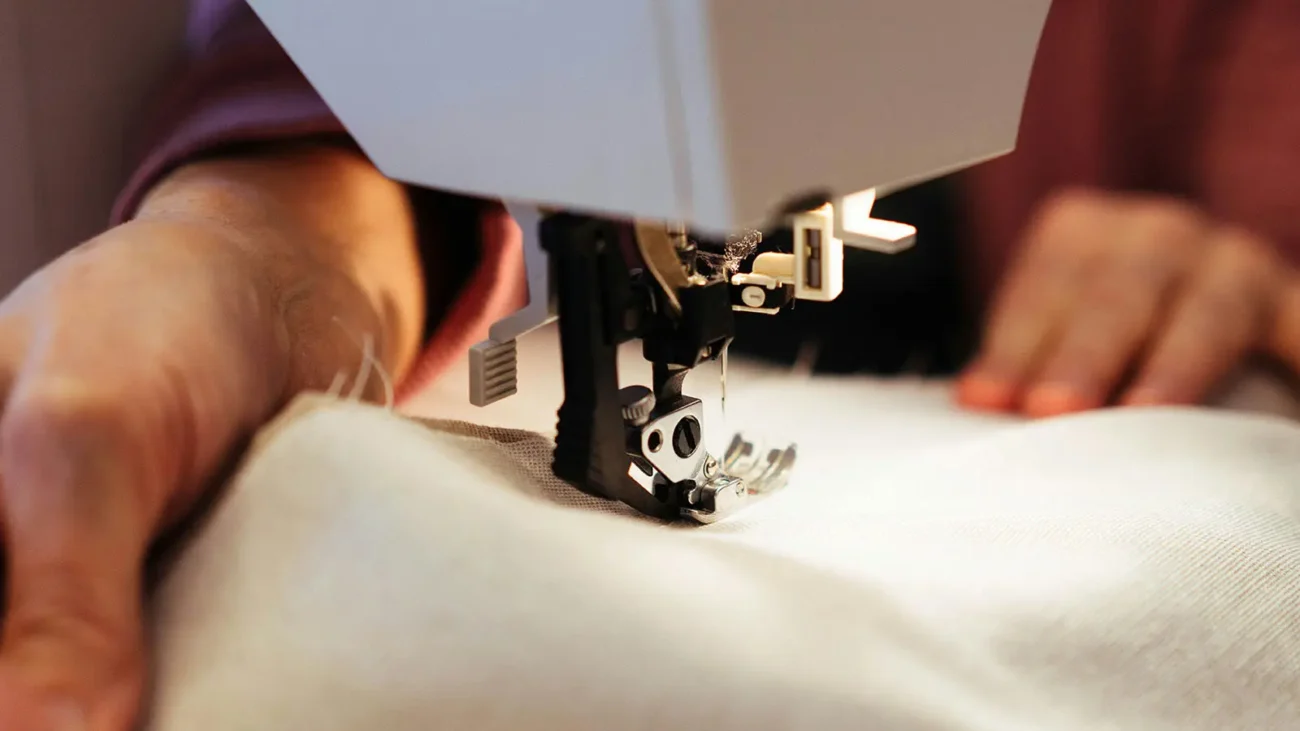
Fabric selection has a direct impact on baby clothing quality.
Many brands focus only on softness, but a suitable fabric also needs to perform well during production and repeated washing.
Important factors include:
For example, two cotton fabrics may feel similar but perform differently after manufacturing.
One may maintain shape better. Another may provide better color stability.
Many brands choose:
For brands developing eco baby clothing, understanding material standards is important.
Information about organic textile requirements can be found through the Global Organic Textile Standard (GOTS).
For textile safety requirements, brands can review OEKO-TEX.
A knowledgeable Custom Baby Clothing Manufacturer should be able to explain why a specific material fits the product, production method, and target market instead of simply providing a fabric list.
Many baby brands are not looking for standard products.
They want their own designs, labels, packaging, and product identity.
This is where OEM and private label capability becomes important.
An experienced OEM baby clothing manufacturer should support:
For brands planning long-term collections, choosing a Custom Baby Clothing Manufacturer with OEM and private label experience can make product expansion much easier.
A private label baby clothing manufacturer should understand that branding includes the complete product.
This includes:
A product should represent the brand consistently from the first sample to final delivery.
Before starting cooperation, brands should understand who is actually producing the garments.
Some suppliers manufacture directly. Others arrange production through external factories.
The difference can affect communication and production control.
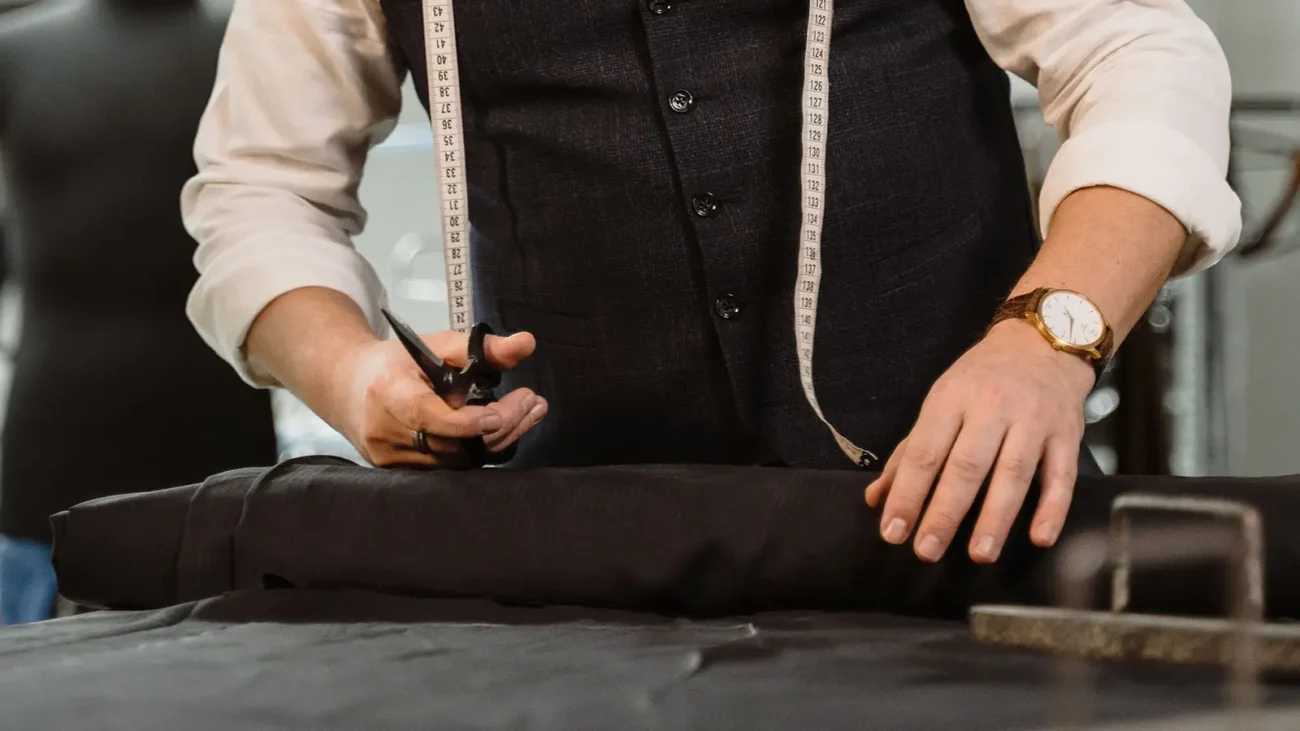
Working directly with a baby clothing factory China supplier can provide better visibility into:
This becomes especially important when products require multiple revisions.
Before placing an order, ask:
A reliable China baby clothing supplier should provide clear answers about its production process.
Quality problems are one of the biggest risks in apparel manufacturing.
For baby products, even small issues can affect customer trust.
A professional factory should have quality checks throughout production.
A complete quality process may include:
Brands should ask:
A professional Custom Baby Clothing Manufacturer should be able to explain each quality checkpoint clearly before production begins.
For children’s product safety information, brands can review requirements from the Consumer Product Safety Commission (CPSC).
MOQ is one of the first questions many brands ask.
However, the lowest MOQ is not always the best option.
Production requirements depend on:
Brands should confirm:
A flexible custom baby clothing manufacturer can help growing brands test products while preparing for future expansion.
A lower MOQ may increase unit costs because production preparation expenses are spread over fewer pieces.
A professional manufacturer should explain how MOQ affects pricing instead of only providing a number.
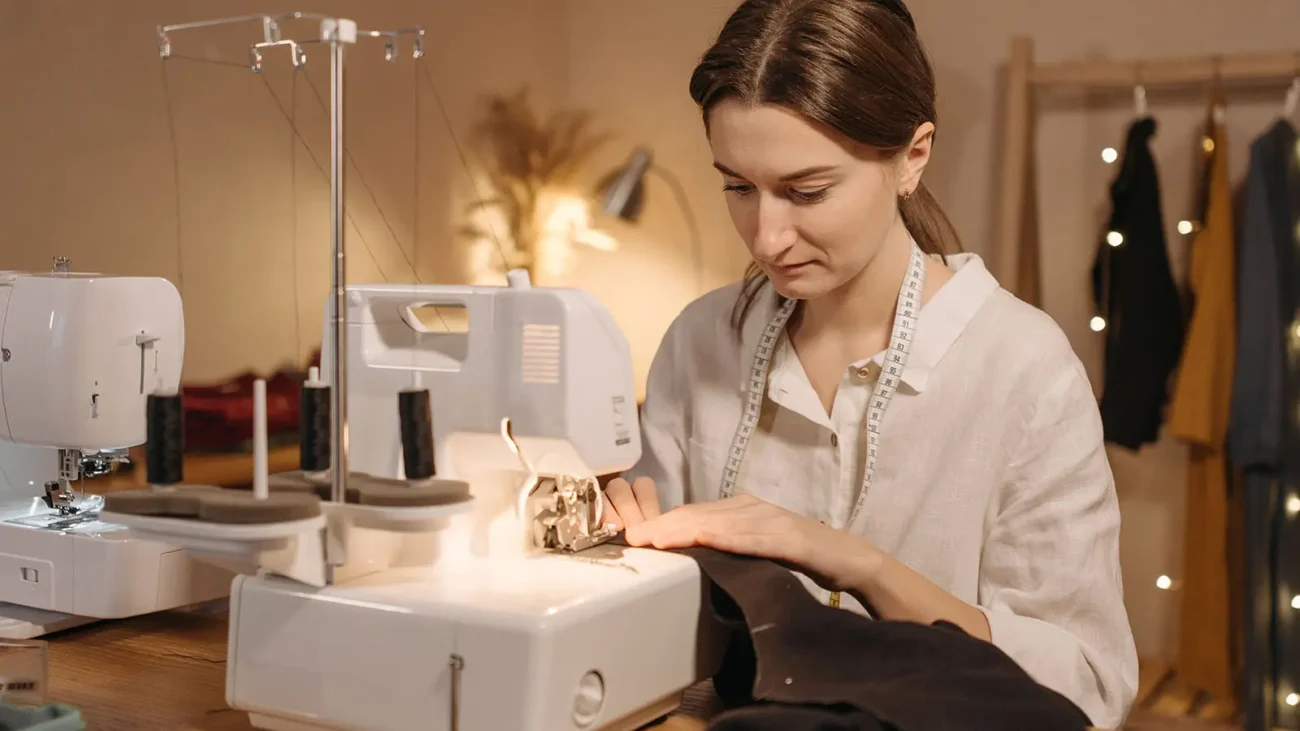
International manufacturing depends heavily on communication.
Many production delays happen because information is unclear.
Brands should pay attention to:
During sampling, communication quality is especially important.
A good factory should confirm details instead of making assumptions.
Manufacturing involves many small decisions:
Clear communication helps prevent mistakes before they become expensive problems.
Baby clothing brands often sell internationally.
Different markets may have different requirements regarding:
Brands should ask whether the factory has experience with their target market.
A reliable baby clothing manufacturer should understand common production requirements and support necessary documentation.
The first order is only the beginning of a manufacturing relationship.
A supplier that completes one project successfully may not always support future growth.
Growing brands may need:
A reliable private label baby clothing manufacturer should be able to support future projects.
When a factory understands your products, it becomes easier to maintain:
Choosing a Custom Baby Clothing Manufacturer requires more than comparing prices.
Brands need a supplier that understands product development, material selection, production control, and international market expectations.
China Baby Clothing Factory (CBCF) works with international brands on customized baby apparel production, OEM projects, and private label manufacturing.
For brands developing new collections, CBCF provides custom baby clothing manufacturing services covering product development, sampling, and production support.
Brands can also explore CBCF manufacturing insights for more information about baby clothing materials and production knowledge.
To learn more about CBCF’s manufacturing experience, visit CBCF About Us.
For wider apparel manufacturing solutions, brands can also explore Clothing Factory X.
Brands should ask about factory experience, product development, fabric sourcing, MOQ, quality control, customization capability, and communication process.
Yes. Experienced manufacturers can provide suggestions about materials, construction, and production methods.
OEM focuses on producing according to brand requirements. Private label includes custom branding elements such as labels, packaging, and product specifications.
Review production experience, sample quality, communication ability, factory transparency, and quality control procedures.
Choosing the right Custom Baby Clothing Manufacturer is a decision that affects product quality, customer satisfaction, production efficiency, and future brand growth.
Before placing an order, brands should evaluate:
The best factory is not always the one offering the lowest price.
It is the manufacturer that can provide reliable production support, consistent quality, and practical solutions throughout the product development process.

 scan wechat qrcode