20% Off for New Inquiries – Today Only!
20% Off for New Inquiries – Today Only!
Choosing the right fabric is one of the most important decisions when developing baby apparel products.
For brands, Bamboo vs Cotton Baby Clothing is not simply a comparison between two materials. The fabric decision affects product comfort, durability, production cost, sustainability positioning, and customer perception.
A newborn bodysuit, baby romper, sleepwear set, or blanket may require completely different fabric characteristics. A premium baby brand may prioritize softness and skin comfort, while an everyday essentials brand may focus more on durability, easy care, and cost control.
Both bamboo and cotton have become popular choices in baby apparel manufacturing. However, each fabric has different advantages depending on product design, target market, and manufacturing requirements.
For brands working with a professional custom baby clothing manufacturer, understanding fabric performance before production helps create better products and reduce unnecessary development changes.
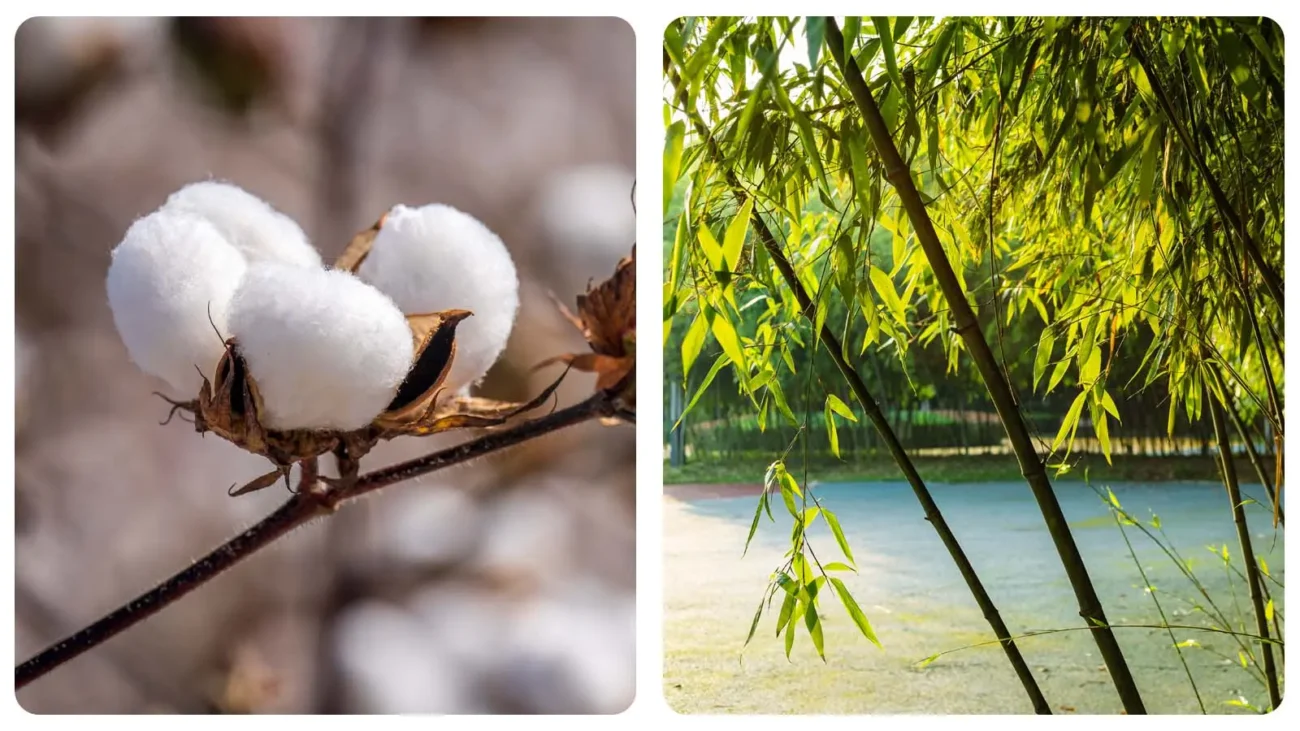
Bamboo and cotton are both cellulose-based fibers widely used in baby apparel.
Although they are often compared together, they have different properties because they come from different raw materials and manufacturing processes.
A professional baby clothing manufacturer should evaluate fabrics based on the final garment requirements rather than choosing materials only because they are popular.
Bamboo fabric has become increasingly popular among brands developing premium baby products and eco baby clothing collections.
Most bamboo fabrics used in apparel are regenerated cellulose fibers, such as bamboo viscose or bamboo rayon.
The popularity of bamboo comes from several characteristics:
These features make bamboo fabrics commonly used for:
Many brands choose bamboo because it creates a soft and comfortable wearing experience, especially for products that directly touch sensitive baby skin.
However, bamboo fabric quality can vary significantly depending on:
For this reason, an experienced custom baby clothing manufacturer should review the actual fabric specification instead of relying only on the material name.
Cotton remains one of the most widely used materials in baby clothing production.
Its popularity comes from its balance of:
Cotton can be produced into many different fabric constructions, including:
This flexibility makes cotton suitable for many baby products.
Common applications include:
For brands developing organic cotton baby clothing, cotton also provides strong consumer recognition because organic cotton is already widely understood in the global baby market.
A reliable baby clothing factory China supplier can usually provide multiple cotton options based on different product requirements and price levels.
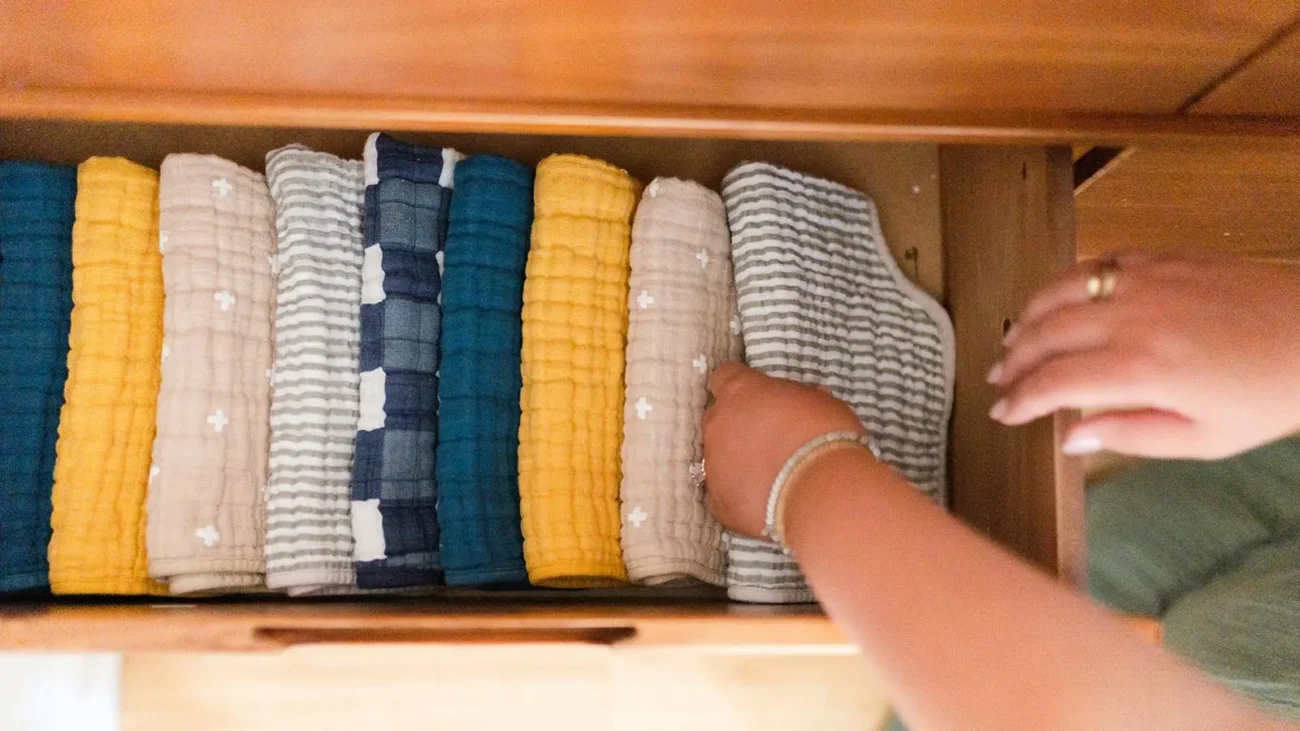
When comparing Bamboo vs Cotton Baby Clothing, softness is often the first factor brands consider.
However, softness does not depend only on fiber type.
Fabric construction, yarn quality, finishing process, and garment design all influence the final feeling.
Bamboo-based fabrics are often known for their smooth surface and soft touch.
This makes bamboo popular for:
For brands positioning products in a higher-value segment, bamboo can help create a premium customer experience.
Many parents associate bamboo baby products with softness and comfort.
Cotton can also provide excellent softness when produced with suitable yarn quality and finishing methods.
High-quality cotton options include:
For brands creating organic cotton baby clothing, cotton can provide both natural fiber positioning and reliable everyday performance.
The difference between bamboo and cotton is often smaller than expected when comparing high-quality fabrics.
The final garment quality depends heavily on manufacturing control.
Baby clothing needs to maintain comfort in different environments.
Breathability and moisture performance are especially important for:
Bamboo-based fabrics are often selected for lightweight products because they provide a smooth and breathable feeling.
They are commonly used in:
For brands developing eco baby clothing, bamboo can support a soft and premium product story.
However, brands should evaluate the actual fabric structure because different bamboo fabrics can perform differently.
Cotton naturally provides good breathability and moisture absorption.
This is one reason cotton has remained popular in baby apparel for decades.
Cotton works well for products that require:
For large-scale production, many brands choose cotton because it provides stable sourcing and predictable manufacturing results.
A professional baby clothing factory China supplier can usually manage cotton production efficiently because of its mature supply chain.
Baby clothing requires frequent washing.
Therefore, fabric durability is an important consideration when comparing Bamboo vs Cotton Baby Clothing.
Cotton has a long history in apparel manufacturing because it can maintain reliable performance through repeated washing.
Depending on fabric quality, cotton garments can provide:
This makes cotton suitable for everyday baby products.
Bamboo fabrics can also perform well, but performance depends greatly on the specific fabric construction.
Some lightweight bamboo fabrics are designed mainly for softness rather than maximum durability.
Brands should evaluate:
A finished garment test is always more valuable than judging fabric from a small swatch.
There is no single answer in the Bamboo vs Cotton Baby Clothing discussion.
The better option depends on the product category and brand positioning.
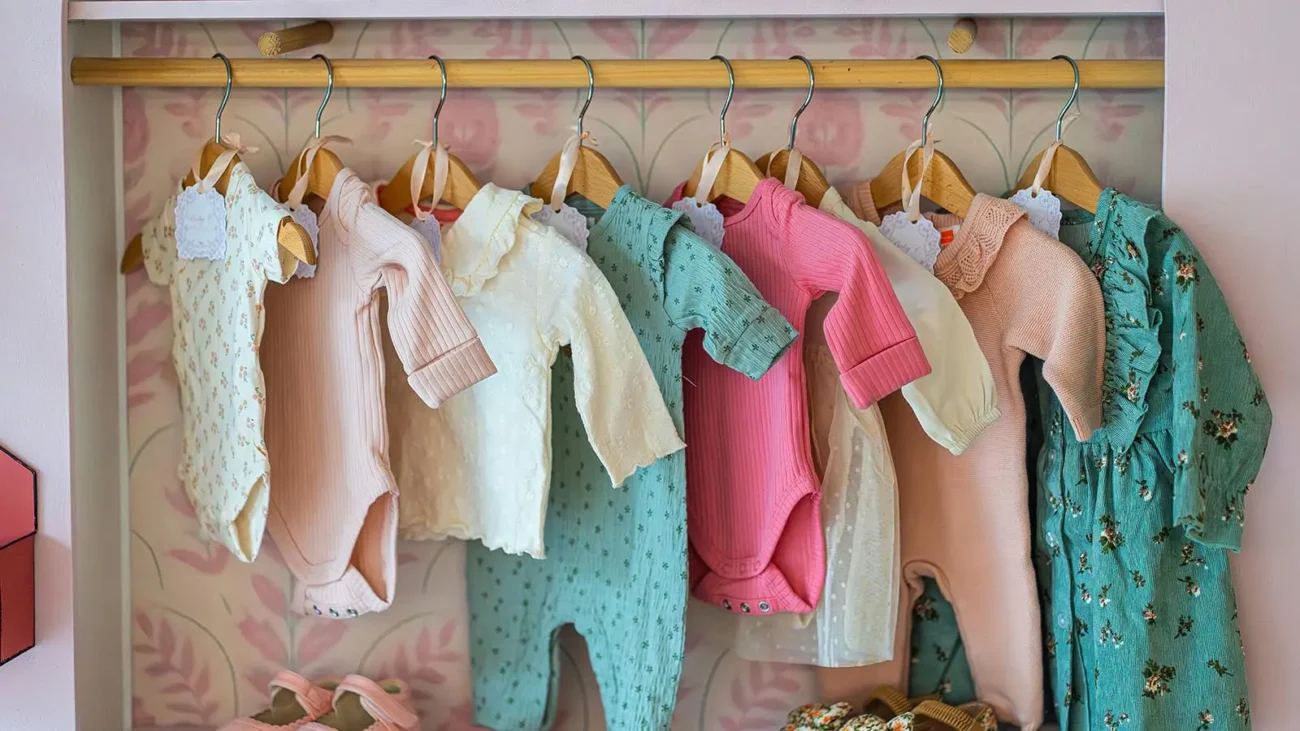
Baby bodysuits and rompers are among the most common newborn products.
They usually require:
Bamboo can be a strong option for premium newborn products.
Cotton jersey and cotton blends are often selected for brands requiring durability and flexible pricing.
A knowledgeable custom baby clothing manufacturer can help brands select fabrics according to target customers and retail positioning.
Sleepwear requires long-lasting comfort because babies wear these garments for extended periods.
Bamboo fabrics are frequently used for premium pajamas because of their lightweight and smooth feeling.
Cotton remains popular for everyday sleepwear because it is practical and easy to maintain.
The best choice depends on:
Fabric selection is also important for baby accessories, including:
Some products benefit from bamboo softness, while others require cotton durability and structure.
For brands expanding from baby clothing into related product categories, China Baby Accessories Factory provides additional manufacturing solutions for baby accessories.
Choosing the right material depends on the product function.
For example:
This is why professional material evaluation is important during product development.
From a manufacturing perspective, fabric selection affects more than product comfort.
It also influences:
An experienced baby clothing factory China supplier evaluates materials based on both customer expectations and production requirements.
Cotton has one of the most mature supply chains in the apparel industry.
Factories can usually source cotton fabrics in many:
This makes cotton easier to manage for large production programs.
For brands expanding from baby apparel into children’s collections, similar fabric considerations apply to kidswear development. China Kids Wear Factory provides kids clothing manufacturing solutions for brands developing customized children’s apparel.
Bamboo fabrics require more careful evaluation because different suppliers may use different processing methods.
A factory should confirm:
Cost is another important factor when choosing between bamboo and cotton.
Cotton usually provides more pricing flexibility because it is widely available in different qualities.
Bamboo-based fabrics are often positioned as premium materials, which may increase fabric costs.
However, brands should not evaluate fabric only by material price.
The final product cost also depends on:
A slightly higher fabric cost may be reasonable if it supports a premium brand position.
For example, a luxury newborn collection may benefit from bamboo fabric because the customer is purchasing comfort and product experience, not only the garment itself.
For brands creating unique collections, fabric choice is part of the complete product development process.
A professional custom baby clothing manufacturer should help evaluate whether bamboo or cotton matches:
Fabric selection should happen during the development stage.
Changing materials after sampling may create additional costs and delays.
Experienced manufacturers can provide recommendations about:
This is especially important for private label brands that need consistent product quality across multiple collections.
Sustainability has become a major consideration in baby apparel.
Many brands are developing eco baby clothing collections because consumers increasingly care about materials, sourcing, and production practices.
However, sustainability should be evaluated carefully.
A material should not be considered sustainable only because of its marketing message.
Bamboo is often promoted as an environmentally friendly material because bamboo plants grow quickly.
However, textile sustainability depends on the complete manufacturing process.
Important factors include:
Not all bamboo textiles have the same environmental impact.
Brands should understand the difference between raw material advantages and final textile production.
For brands developing organic cotton baby clothing, certification and sourcing transparency are important.
Organic cotton is often selected because it provides:
Brands interested in organic textile standards can review information from the Global Organic Textile Standard (GOTS).
For textile safety and harmful substance testing information, brands can refer to OEKO-TEX.
For children’s product safety requirements, brands can also review information from the Consumer Product Safety Commission (CPSC).
The right choice depends on the product goal.
Instead of asking which fabric is universally better, brands should ask which material better supports their product strategy.
Bamboo may be suitable for brands focusing on:
Bamboo is often attractive for brands that want a stronger comfort-focused product story.
Cotton may be the better choice for brands requiring:
Cotton remains one of the most practical materials for everyday baby apparel.
Brands do not always need to choose only bamboo or cotton.
Blended fabrics can combine different advantages:
A skilled custom baby clothing manufacturer can help brands compare different fabric solutions based on product requirements.
Choosing the right fabric requires both material knowledge and manufacturing experience.
China Baby Clothing Factory (CBCF) works with international brands developing customized baby apparel, OEM projects, and private label collections.
Through custom baby clothing manufacturing services, CBCF supports product development, fabric selection, sampling, and production.
For brands researching baby apparel materials, CBCF manufacturing insights provides additional information about baby clothing production and industry knowledge.
For broader garment manufacturing solutions beyond baby products, Clothing Factory X provides apparel manufacturing capabilities across different clothing categories.
Not always. Bamboo provides a soft and premium feel, while cotton offers versatility, durability, and flexible pricing. The best option depends on the product purpose.
Yes, bamboo-based fabrics can be suitable for newborn products when the fabric quality, processing, and safety requirements are properly controlled.
Neither material is automatically better. Organic cotton and bamboo fabrics have different advantages depending on product requirements and brand positioning.
Both fabrics can work well. Bamboo is often selected for premium soft sleepwear, while cotton remains popular for practical everyday products.
The decision depends on the target market, product positioning, budget, and expected performance. A professional custom baby clothing manufacturer can help evaluate the best option.
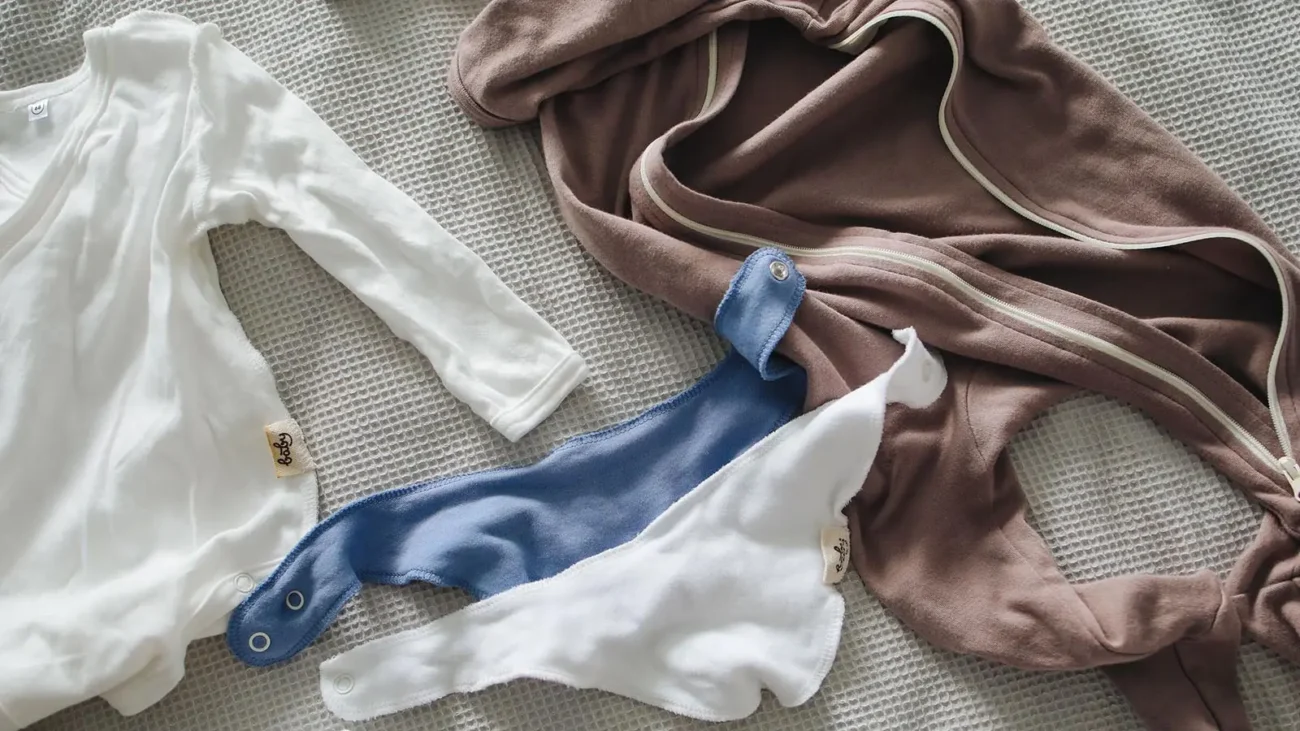
The decision between Bamboo vs Cotton Baby Clothing should be based on product requirements rather than simple marketing trends.
Bamboo-based fabrics can be an excellent choice for premium, lightweight, and comfort-focused baby products.
Cotton remains a practical option for brands needing durability, flexibility, and reliable production.
For brands developing eco baby clothing, organic cotton baby clothing, or other customized baby apparel collections, the most important step is understanding how the fabric performs in the final product.
Working with an experienced custom baby clothing manufacturer helps brands select materials that match their design goals, customer expectations, and manufacturing reality.
A reliable baby clothing factory China partner can provide not only production capacity but also practical fabric knowledge throughout the product development process.

 scan wechat qrcode