20% Off for New Inquiries – Today Only!
20% Off for New Inquiries – Today Only!
Custom Baby Clothing Cost is one of the first questions many baby brands consider before developing a new collection.
However, the final manufacturing price is rarely determined by one simple number.
A custom baby garment can have very different costs depending on fabric selection, design complexity, order quantity, customization requirements, and compliance standards.
For example, a basic cotton baby bodysuit with standard trims may have a completely different cost structure compared with an organic cotton romper featuring custom labels, special accessories, and premium packaging.
For brands working with a custom baby clothing manufacturer, understanding these cost factors helps create more accurate budgets and avoid unexpected expenses during product development.
When comparing suppliers, international buyers should look beyond the unit price. A quotation from a baby clothing manufacturer reflects not only materials and labor, but also product requirements, production complexity, quality standards, and factory capabilities.
For brands sourcing from a China baby clothing factory, understanding what influences manufacturing costs is an important step toward building a reliable and efficient supply chain.
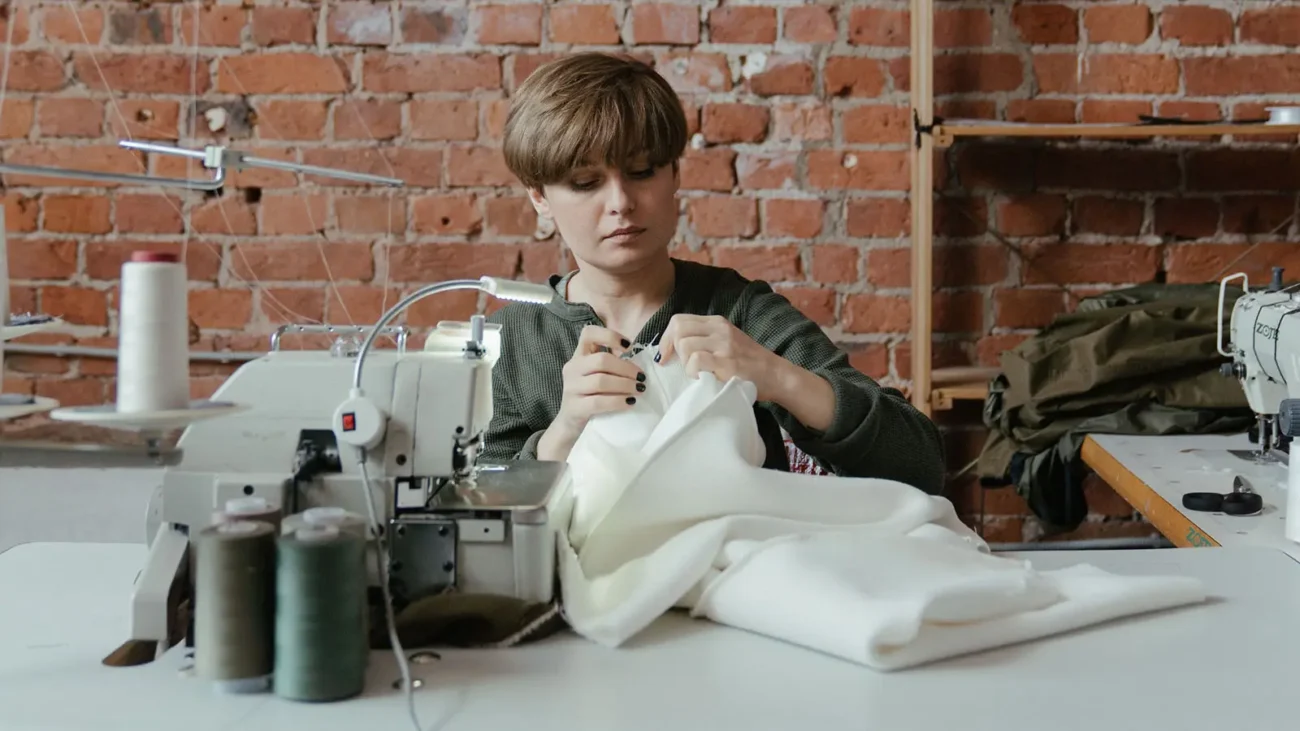
The cost of custom baby clothing usually comes from several main areas:
Many pricing differences between suppliers come from differences in product specifications.
For example, two factories may quote different prices for the same baby romper because they are using different assumptions:
This is why brands should compare quotations based on the complete product specification rather than only looking at the final unit price.
Fabric is usually one of the biggest factors affecting Custom Baby Clothing Cost.
For baby apparel, fabric selection is not only about appearance or softness.
Brands also consider:
Common materials used in baby clothing include:
Different materials have different price levels.
For example, organic cotton usually costs more than conventional cotton because it involves stricter supply chain requirements and certification standards.
Many brands developing premium baby collections consider certifications such as Global Organic Textile Standard (GOTS) for organic textile products.
For general textile safety, international buyers often refer to OEKO-TEX Standard 100 when evaluating materials.
Choosing the most expensive fabric is not always the best solution.
The right fabric depends on:
An experienced baby clothing manufacturer can help brands select materials that balance quality and cost.
A premium fabric may improve product value, but the choice should match the brand strategy.

Design complexity is another major factor affecting Custom Baby Clothing Cost.
Simple products usually require fewer production resources.
For example, a basic baby T-shirt with standard construction is easier to produce than a multi-layer jacket or a romper with several functional details.
Cost can increase when a design includes:
Small design decisions can create noticeable cost differences.
For example:
A standard snap button may have a different cost compared with a customized branded button.
A simple printed logo may cost less than detailed embroidery.
A professional custom baby clothing manufacturer can often suggest alternatives that maintain the product appearance while improving production efficiency.
MOQ is one of the most important factors influencing Custom Baby Clothing Cost.
Many new brands prefer small orders because they want to test the market before investing heavily in inventory.
A smaller MOQ provides advantages:
However, smaller quantities usually have a higher unit cost.
The reason is that some production costs are fixed.
Factories need to prepare:
When these costs are spread across more units, the average cost decreases.
For example, a production order of several thousand pieces usually achieves better cost efficiency than a few hundred pieces.
The best MOQ depends on:
A reliable China baby clothing factory can help brands find a practical balance between order quantity and manufacturing cost.
Customization is one of the biggest reasons why similar baby garments can have different prices.
Many brands choose custom manufacturing because they want products that are unique to their market.
Common customization options include:
Each additional customization requirement adds extra material and production considerations.
For example:
A basic baby bodysuit with a standard label may have a lower cost than a private label product with:
However, customization also creates stronger brand recognition.
The key is choosing customization details that provide real value to customers.
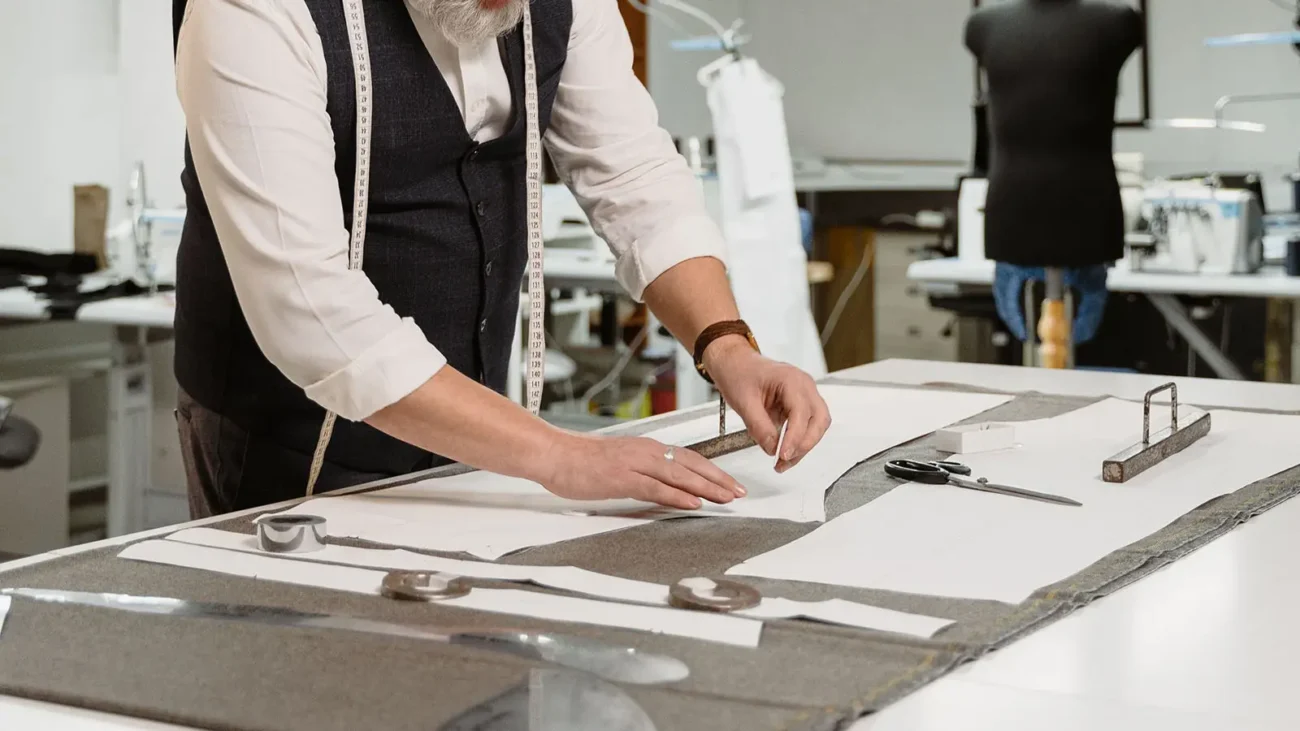
Before bulk production, custom baby clothing usually requires product development.
Sampling helps brands confirm:
Development costs can change depending on:
Brands with clear product specifications usually complete development more efficiently.
Before starting a project, it helps to prepare:
A professional manufacturer can provide suggestions during development and help avoid unnecessary revisions.
Sampling is not only an additional cost.
It is also a way to reduce larger production risks later.
Baby products usually require higher attention to safety compared with general apparel.
Compliance requirements can influence baby apparel manufacturing cost because brands may need:
Different markets have different requirements.
For example, brands selling baby products in the United States need to consider requirements from the U.S. Consumer Product Safety Commission (CPSC).
Other markets may also have specific requirements related to:
Although compliance may increase initial costs, it helps brands reduce risks after products enter the market.
For international buyers, working with a manufacturer familiar with baby clothing compliance can make the development process easier.
Factory capability can also influence manufacturing costs.
Different suppliers may provide different quotations because their production experience, equipment, and management systems are different.
An experienced baby clothing manufacturer can often provide better value through:
The lowest quotation is not always the lowest overall cost.
A supplier with poor communication or inconsistent quality may create additional expenses through:
Choosing a factory should include evaluating experience, communication, and production reliability.
Packaging is another factor that affects the final product cost.
Many baby brands invest in packaging because it influences the customer’s first impression.
Common packaging options include:
Basic packaging keeps costs lower.
However, premium packaging can support stronger brand positioning.
Brands should consider packaging as part of the overall product strategy rather than simply an additional expense.
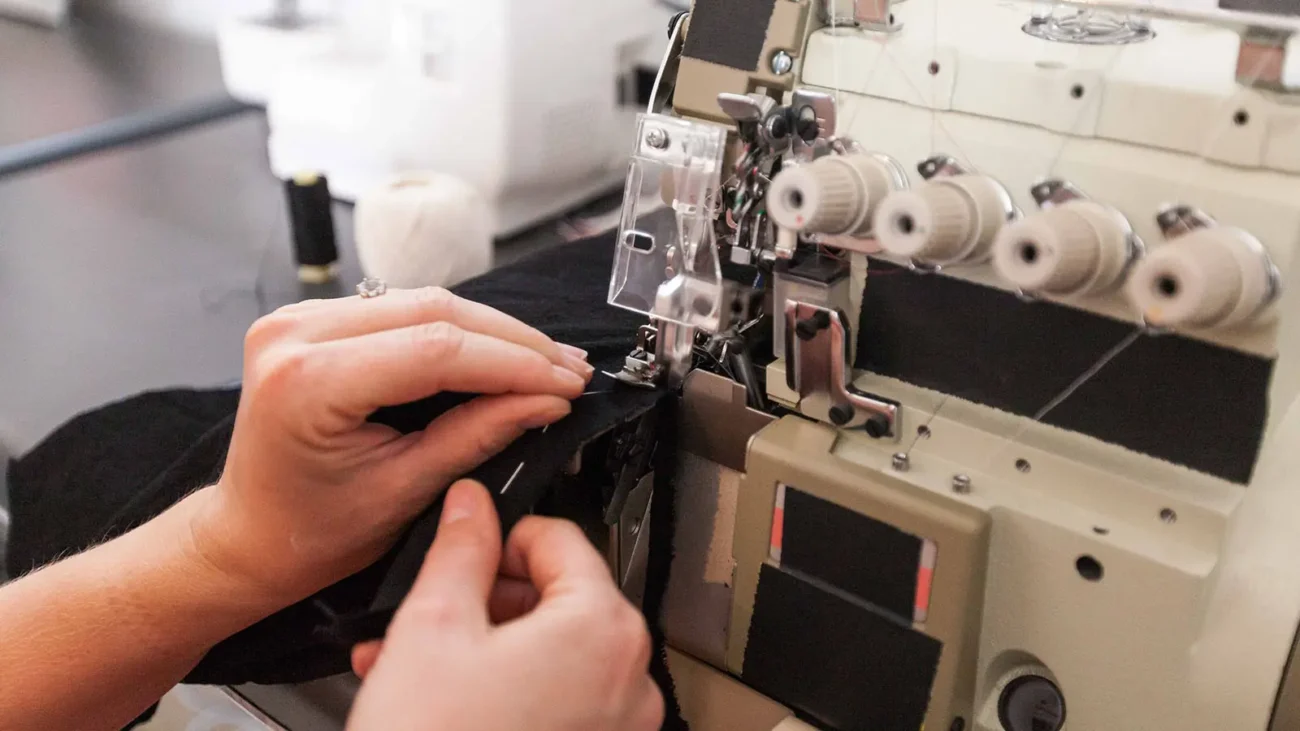
Reducing manufacturing costs does not always mean choosing cheaper materials.
Better cost control usually comes from better planning.
Brands can improve cost efficiency by:
Select fabrics based on:
A realistic production quantity helps balance:
Small adjustments in design and customization can sometimes reduce costs without affecting product quality.
A knowledgeable manufacturing partner can provide suggestions before problems happen.
For brands developing customized baby collections, China Baby Clothing Factory (CBCF) supports product development, fabric sourcing, OEM and ODM manufacturing, and quality management.
Brands can explore CBCF custom baby clothing manufacturing services for customized product development support.
For brands expanding into related categories, China Baby Accessories Factory (CBAF) provides baby accessory manufacturing solutions.
When brands move into children’s apparel collections, China Kids Wear Factory (CKWF) supports kidswear manufacturing.
For wider apparel categories, Clothing Factory X (CFX) provides broader OEM and ODM manufacturing solutions.
The biggest factors are usually:
Different quotations may be based on different assumptions about:
Brands should compare complete specifications rather than only unit prices.
Brands can reduce costs by:
Not necessarily.
A lower MOQ reduces inventory risk, but the unit cost may be higher.
Brands should choose a quantity that matches their business stage.
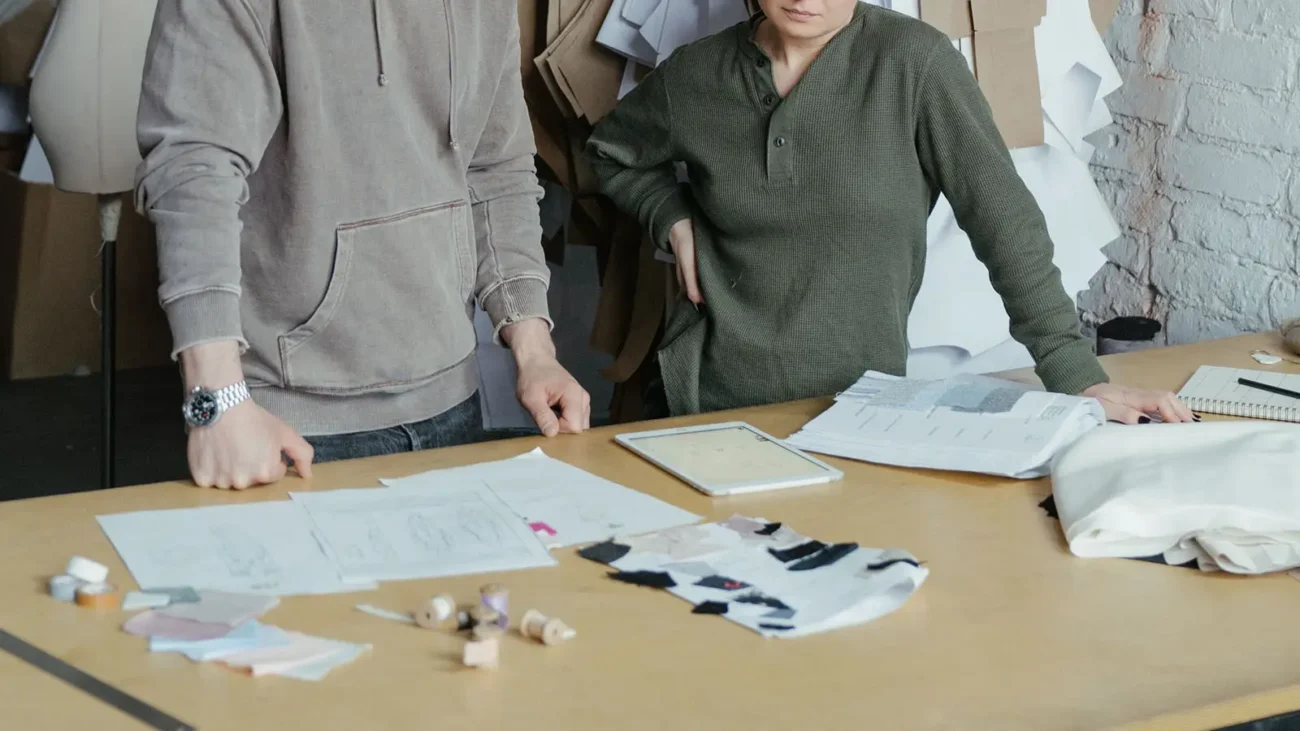
Custom Baby Clothing Cost depends on many decisions made throughout product development.
The main factors include:
For international baby brands, understanding these factors helps create better budgets and make smarter manufacturing decisions.
The right custom baby clothing manufacturer is not only a supplier.
A reliable partner helps brands balance quality, cost, and production efficiency while building a stronger long-term supply chain.

 scan wechat qrcode