20% Off for New Inquiries – Today Only!
20% Off for New Inquiries – Today Only!
Choosing the right China Baby Clothing Factory is one of the most important decisions for any baby apparel brand.
For international brands, finding a suitable manufacturing partner is not only about getting a competitive quotation. The right supplier directly affects product quality, development efficiency, production stability, compliance management, and long-term business growth.
Many brands experience challenges during production because they select suppliers based only on price. Common problems include inconsistent quality, unclear communication, delayed sampling, unsuitable materials, and unexpected production costs.
A professional Baby Clothing Manufacturer should provide more than garment production. A reliable factory should support the complete manufacturing journey, including fabric sourcing, product development, sampling, bulk production, quality inspection, and export coordination.
This guide explains the key factors brands should evaluate before choosing a China Baby Clothing Factory supplier and building a reliable manufacturing partnership.
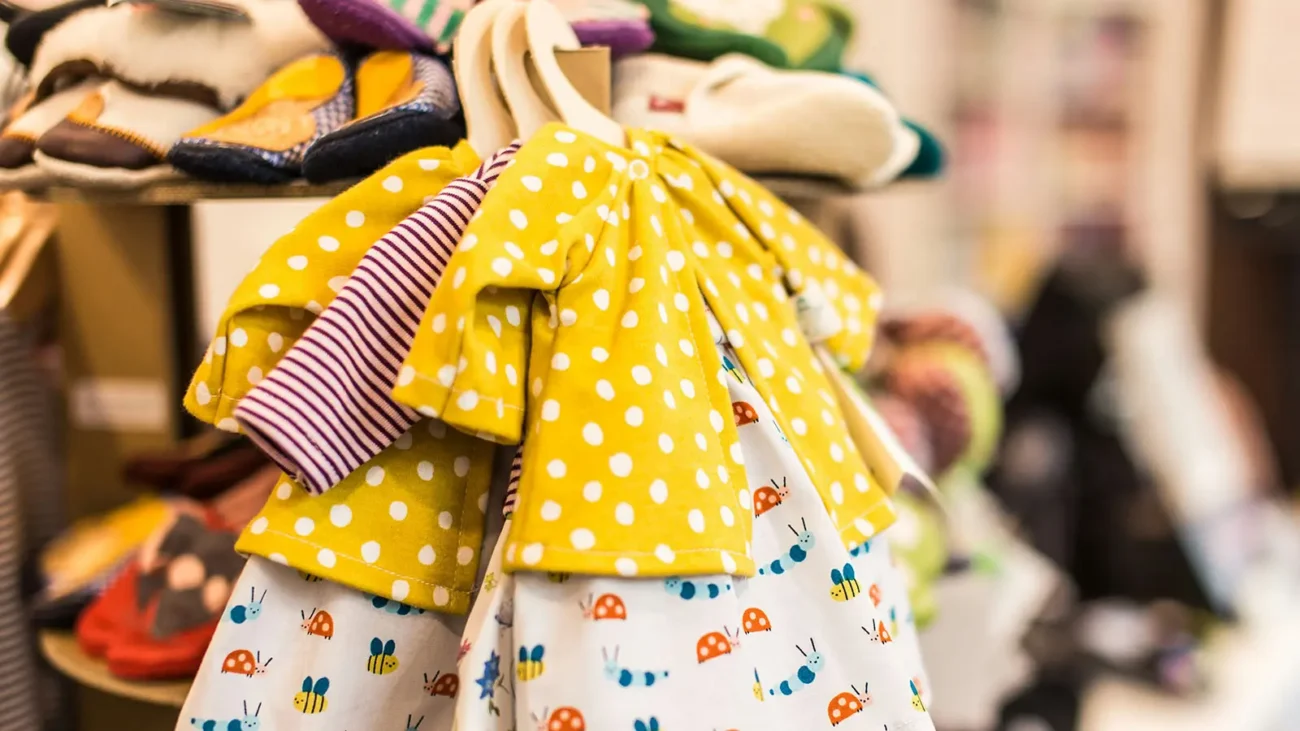
The first thing brands should evaluate is whether the supplier has real experience producing baby apparel.
Baby clothing requires different manufacturing knowledge compared with general apparel products. Since these products are designed for infants and young children, manufacturers need to consider comfort, fabric performance, garment construction, and safety requirements.
An experienced Baby Clothing Manufacturer should understand products such as:
Before selecting a factory, brands should ask:
A factory with relevant experience can identify potential production problems before they affect bulk orders.
For example, experienced manufacturers can help brands evaluate:
Manufacturing experience is one of the biggest differences between a basic supplier and a long-term production partner.
A supplier website may display many different products, but brands should confirm which products are actually produced by the factory.
A professional China Baby Clothing Factory should have clear control over key production stages.
These stages may include:
For brands developing unique products, production capability is especially important.
A complete custom manufacturing process usually includes:
Design Review → Technical Development → Sample Approval → Bulk Production → Final Inspection
A factory should not only follow design instructions but also provide technical suggestions when needed.
For example, a manufacturer may discover that:
Identifying these issues during development can reduce production risks.
Brands searching for customized solutions should evaluate whether the supplier provides a complete Custom Baby Clothing Manufacturer service, including product development, sampling, and production support.
For brands developing products beyond baby apparel, an experienced Apparel Manufacturer can provide broader garment manufacturing capabilities.
Fabric selection directly affects baby clothing quality.
A reliable Baby Clothing Factory China supplier should understand not only fabric composition but also how materials perform during production and daily use.
Important fabric factors include:
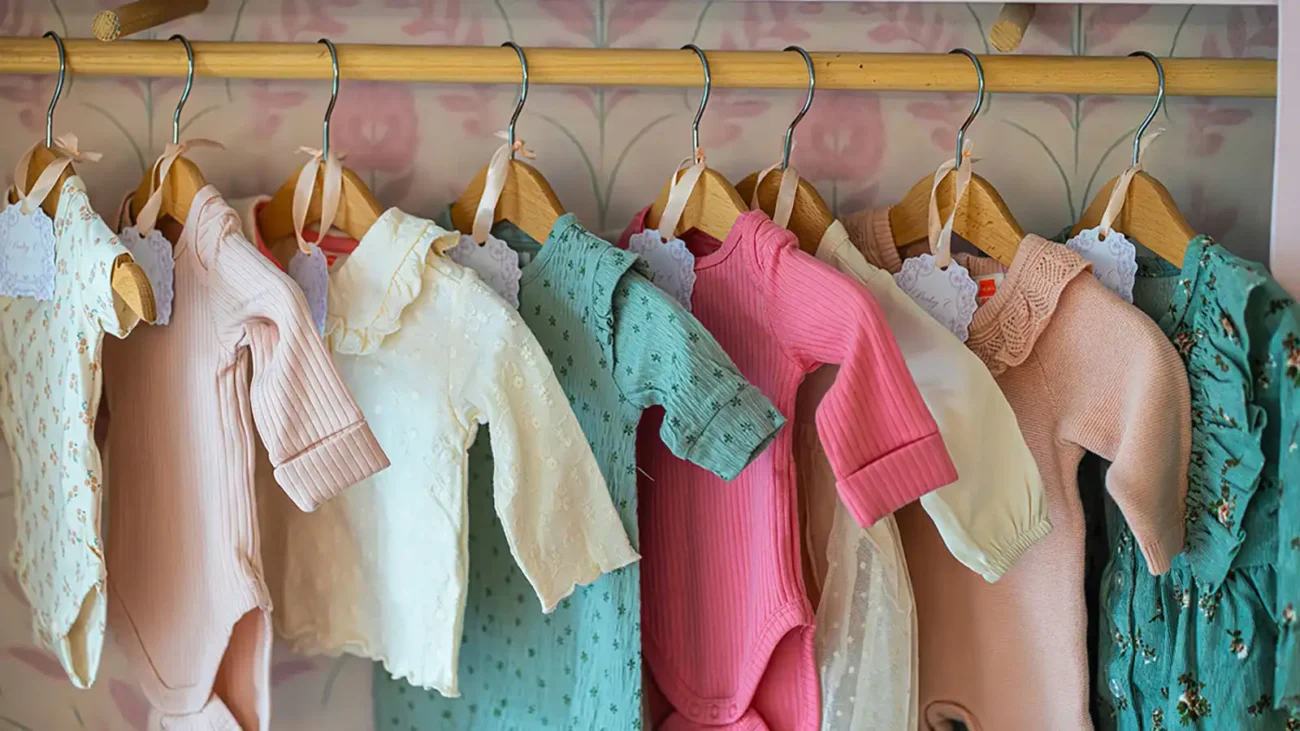
Common materials used in baby apparel include:
Different products require different fabric solutions.
For example:
A baby bodysuit usually requires soft and breathable materials, while outerwear products may require stronger structures and improved durability.
Brands should also review textile certifications when required.
OEKO-TEX STANDARD 100 is widely used for textile safety testing and evaluates textiles and finished products for harmful substances.
For organic textile products, brands may also evaluate recognized standards such as GOTS.
A professional manufacturer should be able to discuss:
Brands can also review the complete Baby Clothing Manufacturing Process to understand how fabric selection connects with production.
Sampling is one of the most important stages before bulk production.
A professional Baby Clothing Manufacturer should treat sampling as a technical development process, not simply producing a visual prototype.
During sample development, manufacturers should review:
A good manufacturer should provide recommendations when problems appear.
For example:
A factory may identify that:
Solving these issues during sampling is much easier than correcting them after bulk production begins.
Brands should understand the complete Baby Clothing Sample Development process before approving production.
A strong sampling process helps transform an initial design idea into a production-ready product.
Minimum Order Quantity (MOQ) is another important factor when selecting a supplier.
Different factories may calculate MOQ differently:
For emerging baby brands, flexible MOQ can be important because they may want to test products before committing to larger production volumes.
Before cooperation, brands should ask:
A low MOQ can be helpful, but it should not be the only selection factor.
Brands should evaluate MOQ together with:
A suitable China Baby Clothing Factory should provide a balance between production flexibility and consistent manufacturing standards.
Quality control is one of the most important factors when choosing a China Baby Clothing Factory.
Quality should not only be checked after garments are finished. Professional manufacturers normally control quality throughout the production process.
Before production starts, factories should check:
Poor fabric inspection can affect the entire production batch.
During manufacturing, quality teams should review:
Before shipment, finished garments should be checked for:
Brands should ask suppliers:
A structured Baby Clothing Quality Control system helps maintain consistency between samples and bulk production.
Working with a reliable China Baby Clothing Factory also helps brands establish repeatable quality standards for future collections.
Baby clothing requires careful attention to safety and compliance because products are designed for infants and young children.
Different markets may have different requirements regarding:
For brands selling in the United States, manufacturers and brands should understand applicable requirements from the Consumer Product Safety Commission (CPSC).
Depending on the product category, children’s apparel may require specific testing and documentation before being placed on the market.
A professional Baby Clothing Manufacturer should be able to support brands by providing:
However, brands should always confirm final requirements according to:
Compliance is not only a document issue. It is also connected with material selection, production control, and supplier management.
A factory’s production capacity becomes increasingly important as brands grow.
A supplier may successfully complete small orders but struggle when production volumes increase.
Before cooperation, brands should understand:
A professional manufacturer should be able to explain the complete production timeline:
Material Preparation → Cutting → Sewing → Inspection → Packing → Shipment
Clear production planning helps brands:
A reliable factory should also have systems that support repeat production.
For growing brands, consistency is often more valuable than simply completing one successful order.
Communication quality is often overlooked when selecting a supplier.
For custom baby apparel projects, manufacturers need to understand:
A professional factory should not only receive instructions but also provide technical feedback.
For example:
If a measurement conflicts with garment construction, an experienced production team should identify the issue before manufacturing begins.
Good technical communication helps reduce:
This is especially important for brands creating new products without an internal apparel development team.
The cheapest quotation is not always the best manufacturing choice.
Brands should evaluate whether a supplier can support future growth.
A long-term manufacturing partner should be able to support:
Many growing baby brands eventually need more than basic production.
They may require:
Manufacturers that can support these requirements become more valuable as brands expand.
Brands interested in building customized collections should understand how Private Label Baby Clothing production works, including custom branding, labels, packaging, and product specifications.
For brands requiring customized production models, understanding OEM Baby Clothing Manufacturer capabilities can also help during supplier evaluation.
Before selecting a supplier, brands should review the following areas:
| Evaluation Area | What Brands Should Check |
|---|---|
| Manufacturing Experience | Does the factory specialize in baby apparel? |
| Product Development | Can the factory support custom designs? |
| Fabric Knowledge | Can the supplier recommend suitable materials? |
| Sampling | Does the factory support revisions and improvements? |
| MOQ | Are order quantities suitable for the business stage? |
| Quality Control | Are production inspections clearly managed? |
| Compliance | Can the supplier support market requirements? |
| Capacity | Can production scale with future growth? |
| Communication | Can technical issues be handled efficiently? |
| Long-Term Support | Can the supplier support future collections? |
When evaluating a China Baby Clothing Factory, brands should review the entire manufacturing system instead of focusing only on production prices.
Many baby brands expand their product lines after establishing their core apparel collections.
Common extensions include:
These products may require different manufacturing knowledge compared with garments.
For brands expanding into complementary baby products, working with a specialized Baby Accessories Manufacturer can improve product development efficiency.
Similarly, some brands expand from infant products into older children’s collections.
For these projects, a specialized Kids Clothing Manufacturer can provide relevant production expertise.
When brands source multiple categories from China, supplier coordination can become more complex.
An experienced China Apparel Supply Chain Partner can help coordinate sourcing, export procedures, supplier communication, and international logistics.
Brands should evaluate manufacturing experience, production capability, fabric knowledge, sample development, quality control, compliance support, MOQ, and communication ability.
The right supplier should support the complete process from product development to bulk production.
MOQ depends on product type, fabric selection, customization requirements, and production planning.
Some factories calculate MOQ by style, color, or fabric, while others provide flexible solutions depending on the project.
Brands should discuss MOQ during the early development stage.
Sample timelines depend on product complexity, material availability, and revision requirements.
Simple garments usually require less time, while products involving special structures, embroidery, printing, or customized fabrics may require additional development time.
Yes.
Many professional manufacturers support private label production, including:
Private label manufacturing allows brands to create unique products under their own identity.
Quality control helps ensure products meet customer expectations before shipment.
A strong quality system checks materials, production details, measurements, appearance, and final packaging.
This is especially important for baby products because customers usually have higher expectations for comfort, safety, and durability.
Choosing the right China Baby Clothing Factory requires more than comparing unit prices.
Brands should evaluate:
A reliable China Baby Clothing Factory can become more than a production supplier. It can become a manufacturing partner that supports product development, production growth, and international expansion.
By carefully evaluating suppliers before ordering, baby brands can reduce production risks and build a stronger apparel supply chain.
For companies looking to create customized baby collections, choosing the right manufacturing partner is one of the most important steps toward long-term success.

 scan wechat qrcode