20% Off for New Inquiries – Today Only!
20% Off for New Inquiries – Today Only!
Finding a China baby apparel supplier is easy. Finding one that can consistently deliver the same quality after the first sample is much harder.
For international brands, choosing the right China baby apparel supplier means looking beyond the factory price. Fabric quality, sample accuracy, communication, production control, compliance, MOQ, and shipping can all affect the final result.
A factory may look good on a website and provide an attractive quotation. The real test comes later: when the first sample needs changes, when fabric has to be reordered, or when thousands of pieces need to be produced to exactly the same specification.
For an international brand, working with a China baby apparel supplier that understands baby-specific production requirements can reduce unnecessary development problems.
Here are 10 things worth checking before choosing a supplier.
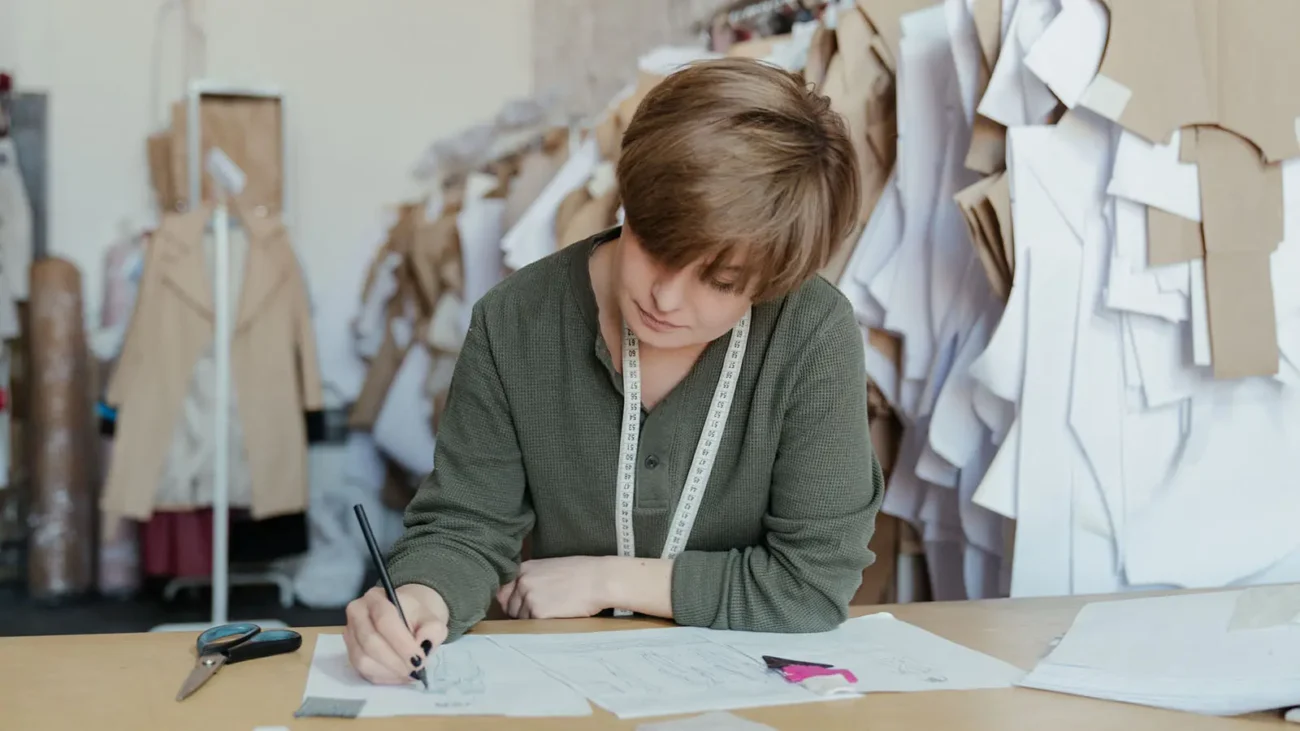
Baby clothing has its own production requirements.
Small garments leave less room for measurement errors. Lightweight fabrics can behave differently during cutting and sewing. Snaps, labels, elastic, and other trims also need careful handling.
A factory that mainly produces adult T-shirts may not automatically be the right choice for baby products.
Ask the supplier what baby products they produce regularly.
This could include:
More importantly, ask whether they have produced products similar to yours.
If your collection uses lightweight cotton jersey, rib fabric, printed graphics, or multiple snaps, experience with those specific constructions is more useful than a general claim of years in apparel manufacturing.
A China baby clothing manufacturer with relevant experience can usually identify these issues earlier and suggest practical changes before production starts.
An experienced baby clothing manufacturer is more likely to notice issues during development.
For example, a neckline may look correct on paper but become difficult to sew neatly after several washes. A particular snap may work on a sample but not be suitable for the final fabric weight.
These are the kinds of details that become easier to manage when the factory has produced similar garments before.
When dealing with a China baby apparel supplier, find out whether the company operates its own factory or mainly arranges production through other factories.
There is no universal rule that one model is better than the other. What matters is how much control the supplier has over your order.
Find out:
When comparing a China baby clothing factory, buyers should also ask how much of the production process is managed directly by the factory.
If the supplier says your order will be moved to another factory, ask why and how quality will be controlled.
A factory with enormous capacity may not necessarily be the best fit for a small or growing brand.
If your business requires smaller runs, frequent new designs, or several sample revisions, flexibility may matter more than maximum production volume.
A direct China baby clothing factory can sometimes provide faster feedback when production issues need to be corrected.
The right baby clothing factory is one that fits the way your brand actually buys.
Fabric accounts for a large part of the final feel and performance of baby clothing.
Two garments can have the same design and fiber composition but feel completely different because of differences in yarn, knitting, finishing, fabric weight, or washing treatment.
A good baby apparel supplier China source should be able to explain the fabric composition, weight, construction, and finishing used for your products.
An experienced baby apparel supplier China partner should also be able to explain why a particular fabric is suitable for the intended product and target market.
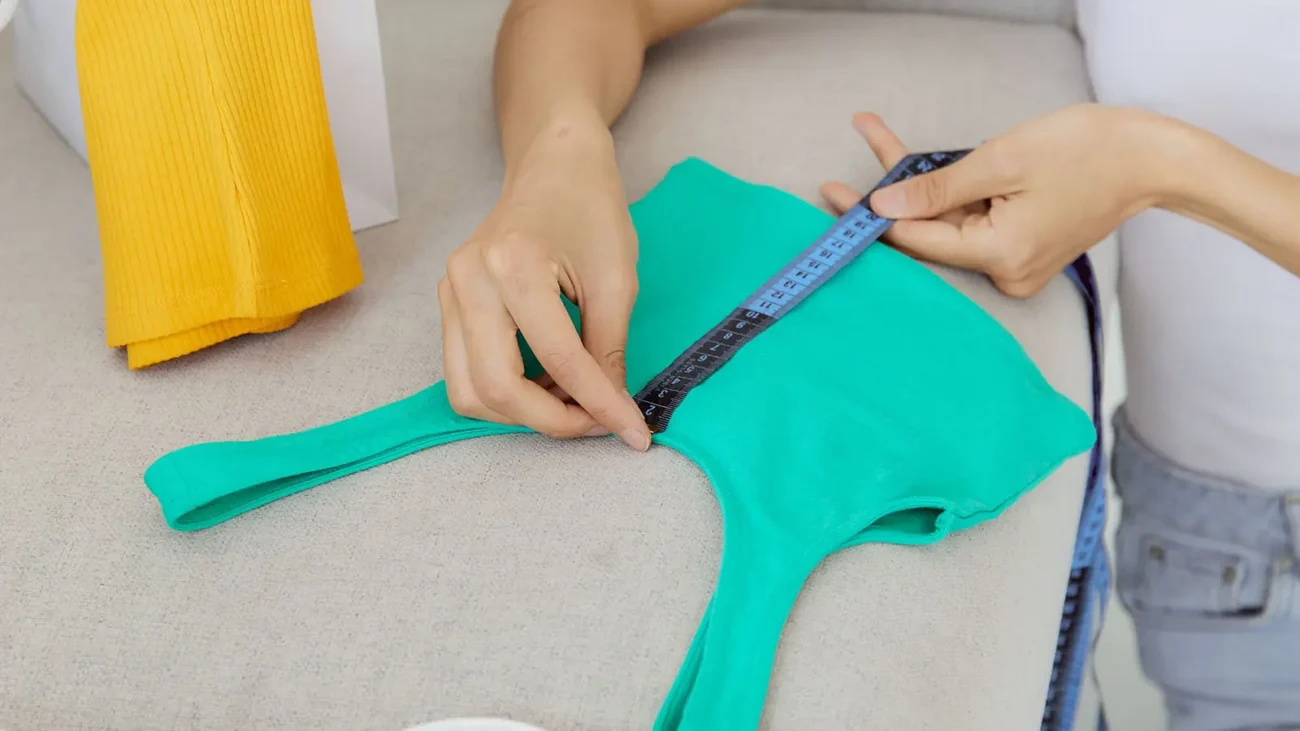
A supplier should be able to discuss:
Don’t settle for a description such as “soft cotton.”
If softness is important to the product, define what you mean through the fabric specification and approved sample.
A lower fabric price may look attractive at the quotation stage.
But if the material pills quickly, shrinks excessively, loses color, or changes after washing, the saving disappears very quickly.
For baby products, it makes more sense to evaluate how the fabric performs over time rather than judging it only by the price per kilogram.
The sample tells you much more than whether the factory can sew.
It shows how well the supplier understands your specifications.
A capable China baby clothing manufacturer should be comfortable working from technical specifications rather than relying only on reference samples.
A good China baby apparel supplier should be able to work with a tech pack, measurement chart, fabric specification, artwork, and construction details.
This is a useful test.
No factory gets every first sample perfect, especially with a new design.
What matters is how the factory responds when something needs changing.
Can they explain why the problem occurred?
Can they suggest a practical adjustment?
Can they make the second sample closer to the target instead of simply repeating the same construction?
Check:
The better the sample development process, the fewer surprises you are likely to have during bulk production.
“Good quality” is too vague to be useful.
Every supplier can say they care about quality. The better question is how they actually control it.
A baby clothing manufacturer may check fabric before cutting, inspect garments during sewing, and review finished products before packing.
The exact system differs between factories, but there should be some way of catching problems before the entire order is completed.
For international buyers, a China baby apparel supplier should be able to explain how quality is monitored from fabric inspection through final packing.
A professional China baby clothing factory should have a clear method for identifying and correcting repeated production problems.
For example, if a seam problem appears on the first production pieces, it is much cheaper to correct the sewing method immediately than to discover the same problem after thousands of garments have been finished.
Quality control is not just about finding defective pieces.
The bigger question is whether the factory can keep measurements, colors, construction, and finishing consistent across the whole order.
That matters much more than having one excellent sample.
Baby clothing is a regulated product category in many markets.
The exact requirements depend on where the garments will be sold and what type of product is being made.
Ask which tests or standards are relevant to your products and destination market.
Depending on the product, requirements may involve:
For products sold in the United States, brands should review the requirements provided by the U.S. Consumer Product Safety Commission (CPSC).
For textile testing information, AATCC is another useful industry reference.
The right baby apparel manufacturer should be able to discuss applicable testing requirements before materials and trims are finalized.
Don’t wait until the goods are finished to ask whether a particular component or fabric meets your requirements.
If testing is needed, discuss it while the product is still being developed.
That gives the factory time to select suitable materials and components rather than trying to fix a compliance issue after production.
MOQ can look simple on a quotation, but there may be several different minimums behind it.
A supplier may quote one MOQ per style while requiring a separate minimum for each color or fabric.
Clarify:
For smaller brands, choosing a China baby apparel supplier with reasonable MOQ flexibility can make a significant difference to inventory risk.
A flexible baby apparel manufacturer can be particularly useful for brands testing new products or expanding their collections gradually.
A supplier that offers an attractive unit price but requires thousands of pieces in every color may not actually be economical.
The initial order is only part of the relationship.
Ask what happens when you reorder the same style.
Can the factory reproduce the same fabric?
Can the same color be matched?
Can the supplier keep the original pattern and specifications?
A factory that can maintain consistency across repeat orders is much more valuable than one that simply offers a low price for the first production run.
Lead time affects product launches, inventory, marketing campaigns, and cash flow.
A supplier saying “30 days” doesn’t tell you much unless you know what those 30 days include.
Production time may depend on:
A simple cotton bodysuit and a multi-layer baby jacket will obviously require different production schedules.
A better question is:
“How long will it take from final sample approval to shipment?”
Also ask what happens if fabric or trims are not immediately available.
A realistic timeline is much more useful than an optimistic promise that later gets revised.
An experienced baby apparel supplier China partner should be able to explain which parts of the schedule are fixed and which depend on material availability.
Communication problems are responsible for more production mistakes than many buyers realize.
A measurement can be misunderstood. A revised artwork file can be missed. A trim specification can be interpreted differently.
These small misunderstandings can become expensive once production starts.
A good China baby apparel supplier should be comfortable discussing details such as:
A technically experienced China baby clothing manufacturer should be comfortable discussing measurements, fabric specifications, trims, construction, and packaging.
They should also ask questions when something is unclear.
In manufacturing, a supplier asking, “Do you mean 2 cm or 2.5 cm?” is usually a good sign.
It is much better than making an assumption and discovering the mistake after production.
For important specifications, written confirmation is useful.
When a sample changes, make sure both sides know which version has been approved.
This becomes particularly important when several styles are being developed at the same time.
Manufacturing is only part of the job.
If you are buying from China, the supplier also needs to understand international orders.
Depending on your arrangement, the supplier may need to handle or coordinate:
A China baby apparel supplier that regularly works with overseas brands will usually be more familiar with these details.
The factory with the lowest quotation may not have the lowest total cost.
Extra inspection, rework, poor packing, shipment delays, or inconsistent quality can easily cost more than the original price difference.
For international brands, the better comparison is the total sourcing cost and the amount of management required.
Once you have several potential suppliers, compare them using the same criteria.
| Factor | What to Check |
|---|---|
| Baby apparel experience | Similar products and constructions |
| Factory capability | Sampling and production facilities |
| Fabric sourcing | Quality, consistency, and availability |
| Sample development | Accuracy and revision support |
| Quality control | In-line and final checks |
| Compliance | Applicable testing and standards |
| MOQ | Style, color, fabric, and trim minimums |
| Lead time | Sampling and bulk production |
| Communication | Technical understanding |
| Export experience | International shipping and documentation |
When comparing a China baby apparel supplier, don’t look at unit price alone.
Compare product experience, quality control, communication, MOQ, production reliability, and the level of support available during development.
A supplier that is slightly more expensive but produces fewer defects may cost less overall.
Some warning signs are easy to overlook when a supplier is offering a very competitive quotation.
One issue does not automatically mean the supplier is unreliable.
But several of these problems appearing together should make you slow down before placing a large order.
Once you find a suitable supplier, the quality of the working relationship matters just as much as the initial quotation.
Clear specifications, approved samples, realistic timelines, and regular communication reduce unnecessary problems during production.
For brands developing new products, custom baby clothing manufacturing provides a starting point for discussing product specifications, fabrics, samples, and production requirements.
You can also explore baby clothing manufacturing insights for more information about materials, product development, and factory production.
To understand more about the company’s production background, visit CBCF’s factory information.
For brands working across different apparel categories, Clothing Factory X provides broader apparel manufacturing resources.
If your product range extends into older children’s apparel, kids clothing manufacturing may also be relevant.
For complementary baby products, baby accessories manufacturing provides another sourcing option.
For broader sourcing and supply-chain coordination, Joyo Roy offers additional manufacturing and export resources.
Choosing a China baby apparel supplier is not simply a matter of finding the lowest factory price.
International brands should look at the supplier’s actual baby apparel experience, fabric sourcing, sample development, quality control, compliance knowledge, MOQ, lead time, communication, and export experience.
The best supplier is usually not the one that promises everything immediately.
It is the one that can tell you what is realistic, point out potential production problems, communicate clearly when something changes, and reproduce the approved sample consistently in bulk.
For growing brands, a dependable China baby clothing manufacturer can be more valuable than a supplier offering the lowest initial quotation.
The right China baby clothing factory should be able to maintain consistent quality as your order volume increases.
That reliability becomes increasingly important as a baby clothing brand moves from its first small order to regular production.
A good supplier should not just make your clothes.
They should make the production process easier to manage.
 scan wechat qrcode