20% Off for New Inquiries – Today Only!
20% Off for New Inquiries – Today Only!
The baby apparel supply chain is changing as international brands pay more attention to sourcing, production flexibility, compliance, and delivery reliability.
For a baby clothing brand, production is rarely just a matter of sending a design to a factory. Fabric sourcing, sample development, testing, bulk production, quality control, packaging, and shipping all have to work together.
These changes are also creating new expectations for suppliers. Brands want better visibility, more flexible production, reliable materials, and clearer communication.
Understanding the latest baby apparel supply chain trends can help international brands make better sourcing decisions before committing to production.
Large production runs still make sense for established brands. But for newer labels, committing to thousands of pieces before a product has been tested can create unnecessary inventory risk.
Many brands now prefer to launch with a manageable quantity, see how customers respond, and then reorder.
This approach is changing the way buyers evaluate a baby apparel manufacturer.
A supplier may quote one minimum order quantity, but the actual requirements can depend on:
For example, a factory may accept a relatively small order for one style but require a larger fabric quantity for a custom color.
This is why brands should ask how the MOQ is calculated rather than looking at one number on a quotation.
A factory with very high production capacity is not automatically the best choice.
A growing brand may benefit more from a baby apparel manufacturer that can handle product development, smaller initial orders, and repeat production without changing the quality standard.
That kind of flexibility can make it easier to test new products without carrying too much inventory.
For brands with changing demand, a flexible baby apparel supply chain can also make repeat orders easier to plan.
Fabric used to be treated as one component of the product.
For many baby brands, that is no longer the case.
The choice of fabric affects how a garment feels, how it washes, how much it costs, how it fits, and sometimes which markets it can be sold in.
“100% cotton” does not tell a buyer everything they need to know.
Brands may also need to consider:
Two fabrics with the same fiber composition can perform very differently.
A lightweight jersey, for example, may be comfortable for summer baby clothing but require more careful handling during cutting and sewing.
Custom fabrics often require additional time for knitting, dyeing, finishing, and testing.
Stock fabrics may move faster, but they may offer fewer color or construction options.
An experienced baby apparel supplier should be able to explain these trade-offs before the brand commits to a material.
That conversation can prevent a common problem: approving a fabric for the sample and only later discovering that the same material will take several weeks to prepare for bulk production.
Sustainable baby apparel is no longer just about putting organic cotton or recycled polyester on the product specification.
Brands are starting to look at the wider baby apparel supply chain and how different production decisions affect the overall environmental impact.
Depending on the brand, sustainability may involve:
A garment made from a preferred material can still create unnecessary waste if a brand consistently overproduces and has to dispose of unsold inventory.
For a baby apparel manufacturer, sustainability is increasingly connected to material sourcing, production efficiency, waste reduction, and product durability.
Baby clothing gets washed frequently.
A fabric that looks excellent on a new sample but loses its shape after several washes may not provide the product life a brand expects.
For that reason, durability and washing performance deserve attention alongside material certifications.
A practical approach to sustainability is often less about finding one “perfect” material and more about making better decisions throughout the product lifecycle.
Compliance should not be treated as a final inspection problem.
If a fabric, trim, print, or label does not meet the requirements of the destination market, discovering the problem after production can be expensive.
This is one of the more important baby apparel supply chain trends for international brands.
The rules that apply to baby apparel can differ depending on where the products will be sold.
Depending on the product and market, brands may need to consider:
For products sold in the United States, brands should review the applicable requirements from the U.S. Consumer Product Safety Commission (CPSC).
For textile testing methods and technical information, AATCC is another useful industry resource.
Suppose a product uses a particular snap, print, or coating.
If the brand waits until the finished garments are ready to check whether the component meets the target requirements, there may be very few options left.
It is much easier to make the right material choice during development.
A knowledgeable baby clothing factory should be comfortable discussing these requirements before production starts.
This is one reason experienced baby clothing manufacturers discuss compliance before confirming materials and trims.
International buyers are asking more questions about where their products come from.
The focus is not always on having a complete map of every supplier. Often, brands simply want enough information to understand who is making the product and how quality is controlled.
Depending on the size of the brand, questions can include:
When evaluating a baby clothing factory, brands should look beyond machinery and production capacity.
The factory’s ability to control quality and maintain consistency is equally important.
A small brand may only need basic supplier transparency.
A larger company may have formal audit and documentation requirements.
Supply chain information is useful when something goes wrong.
If a fabric problem appears during bulk production, knowing the fabric lot and material source can help the factory trace the issue.
That is much more useful than simply knowing that “something went wrong with the fabric.”
Better visibility also gives a baby apparel manufacturer more information when investigating quality or material problems.
Baby apparel development often involves a surprising amount of information.
A single style may have a tech pack, measurement chart, artwork, fabric specification, trim list, sample comments, and packaging instructions.
If those files are not managed properly, mistakes become much more likely.
Consider a simple example.
The first sample has one neckline measurement.
The second sample changes the neckline.
The third sample changes the fabric.
Then the artwork is updated.
If the factory accidentally works from an older file, the bulk order may be made with specifications that were already rejected.
These changes are also influencing how a baby apparel manufacturer communicates with international buyers during product development.
A practical product development system should identify the latest approved:
This sounds basic, but it becomes increasingly important when a brand is developing several products at the same time.
Good communication from a baby apparel manufacturer is not just about responding quickly. It is also about keeping technical information accurate.
Many baby apparel supply chain problems eventually become inventory problems.
A fabric delay can push back production.
A production delay can push back shipping.
A shipping delay can leave a brand without enough stock for a product launch.
Brands should consider the complete timeline:
Asking a factory, “How many days is production?” does not always give the full picture.
The more useful question is how long the order is expected to take from final approval to arrival, and which stages could change that estimate.
A good production schedule should be realistic rather than overly optimistic.
Material availability, sample approval, unexpected production issues, and shipping conditions can all affect delivery.
An experienced baby clothing manufacturer should be able to explain where the biggest timing risks are instead of giving one fixed number without context.
This is particularly important when comparing different baby apparel supply chain trends, because shorter production times are not always better if they depend on unrealistic assumptions.
The relationship between a brand and its factory can go well beyond receiving a purchase order.
Many brands now involve their suppliers earlier in product development.
That makes sense when the factory has practical manufacturing knowledge that the brand’s design team may not have.
Depending on the project, a supplier may help with:
For example, a designer may choose a construction that looks good in a sketch but is difficult to reproduce consistently.
A factory with relevant experience can point this out before the design reaches bulk production.
A capable baby clothing manufacturer can therefore contribute more than sewing and assembly.
When a factory has produced several seasons for the same brand, it becomes familiar with:
That familiarity can make future development smoother.
It does not mean brands should stop checking quality.
It simply means that a supplier who already understands the brand does not have to relearn the same requirements with every new order.
The strongest baby apparel supply chain is not necessarily the one with the lowest factory quotation.
It is the one that balances quality, cost, flexibility, compliance, and delivery.
| Area | What to Check |
|---|---|
| Product development | Can the factory support samples and revisions? |
| Fabric | Can it source consistent materials? |
| MOQ | Does the minimum work for your sales volume? |
| Quality | How are problems identified and corrected? |
| Compliance | Are requirements discussed before production? |
| Capacity | Can the supplier support future growth? |
| Lead time | Are material and production timelines realistic? |
| Communication | Can technical details be handled clearly? |
| Export | Does the supplier understand international orders? |
| Long-term support | Can the relationship develop with the brand? |
When comparing a baby apparel manufacturer, brands should look at more than the initial quotation.
The supplier’s experience, communication, quality system, material sourcing, and ability to support repeat orders can have a much bigger effect on the final cost.
No baby apparel supply chain is completely free from risk.
The practical goal is to identify the risks early and avoid preventable mistakes.
The approved sample should establish the basic production reference:
If these details are unclear at the beginning, production problems become much harder to resolve later.
A low unit price can be attractive.
But a cheaper supplier may require more supervision, produce more defects, communicate less clearly, or create longer delays.
The real cost includes more than the number on the quotation.
For this reason, choosing the right baby clothing factory should be based on the complete sourcing process rather than unit price alone.
It can also include:
For a growing brand, a supplier that saves management time can sometimes be worth more than a supplier offering the lowest price.
Every approved change should be reflected in the production documents.
This is particularly important when several styles are being developed at once.
A small specification error can be repeated hundreds or thousands of times once bulk production begins.
For international brands, supply chain management starts well before the purchase order.
Fabric selection, product specifications, sample approval, testing, production planning, inspection, and shipping all influence the final result.
For brands developing new products, custom baby clothing manufacturing provides a starting point for discussing fabrics, samples, specifications, and production requirements.
You can also explore baby clothing manufacturing insights for practical information about materials, product development, and factory production.
To learn more about manufacturing capabilities and factory experience, visit CBCF’s factory information.
Brands with broader apparel requirements can also explore Clothing Factory X for wider apparel manufacturing capabilities.
For children’s apparel beyond the baby category, kids clothing manufacturing provides another manufacturing resource.
For bibs, blankets, and other complementary products, baby accessories manufacturing may also be relevant.
For broader sourcing and supply chain coordination, Joyo Roy provides additional manufacturing and export resources.
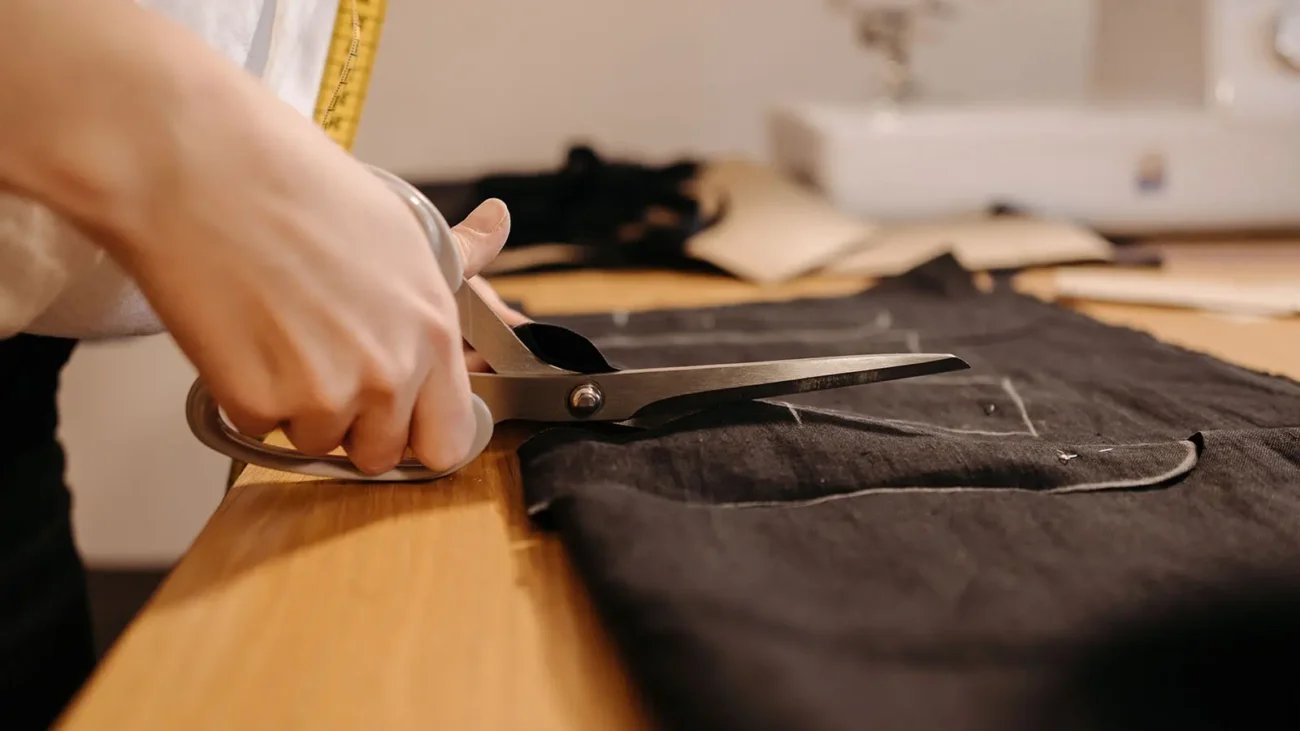
The baby apparel supply chain is becoming more connected.
Fabric decisions affect cost and lead time. Product development affects production efficiency. Compliance affects material selection. Inventory planning depends on realistic manufacturing and shipping schedules.
For international brands, understanding these connections can make supplier selection much easier.
The goal is not simply to find a factory that can produce a garment.
It is to build a supply chain that can deliver the right product, at the required quality, at a manageable cost, and within a realistic timeline.
A capable baby apparel manufacturer can play an important role in that process, particularly when the relationship extends beyond basic production and includes product development, sourcing, quality control, and long-term planning.

 scan wechat qrcode