20% Off for New Inquiries – Today Only!
20% Off for New Inquiries – Today Only!
When brands develop baby clothing, quality problems are rarely caused by one single mistake.
A fabric issue, unclear specification, unsuitable construction method, or weak communication during development can create problems that appear much later during production.
For baby apparel, these problems can directly affect customer satisfaction because parents expect products that are comfortable, safe, and durable.
This is why professional Baby Clothing Factory Quality Control is not only about checking finished garments before shipment. A strong quality system focuses on preventing problems from the beginning of product development.
An experienced baby clothing manufacturer understands that quality comes from better decisions made before mass production starts.

Baby clothing may look simple, but manufacturing requirements are often more demanding than regular apparel.
The reason is that baby products have less room for error.
Baby garments are worn close to sensitive skin.
Brands and manufacturers need to consider more than appearance.
Important factors include:
For example, a small stitching issue inside a baby bodysuit may affect comfort. A slight measurement difference may change the fit of a newborn garment.
These details may not always be visible during production, but they influence customer reviews after the product reaches the market.
A professional baby clothing factory China supplier understands these risks and builds quality management around prevention rather than correction.
Many people believe garment problems happen mainly during sewing.
In reality, many quality issues start earlier.
Common examples include:
A mature manufacturer evaluates these risks before production begins.
This early preparation helps brands avoid expensive modifications after bulk production has started.
Understanding why problems happen is more valuable than only checking defects at the end.
Fabric selection influences the comfort, durability, and appearance of baby clothing.
Different fabrics behave differently during manufacturing.
Common fabric-related problems include:
For example, a fabric may feel soft during sampling but react differently when produced in larger quantities.
An experienced custom baby clothing manufacturer evaluates materials based on the final product purpose.
Important considerations include:
This is especially important for brands developing:
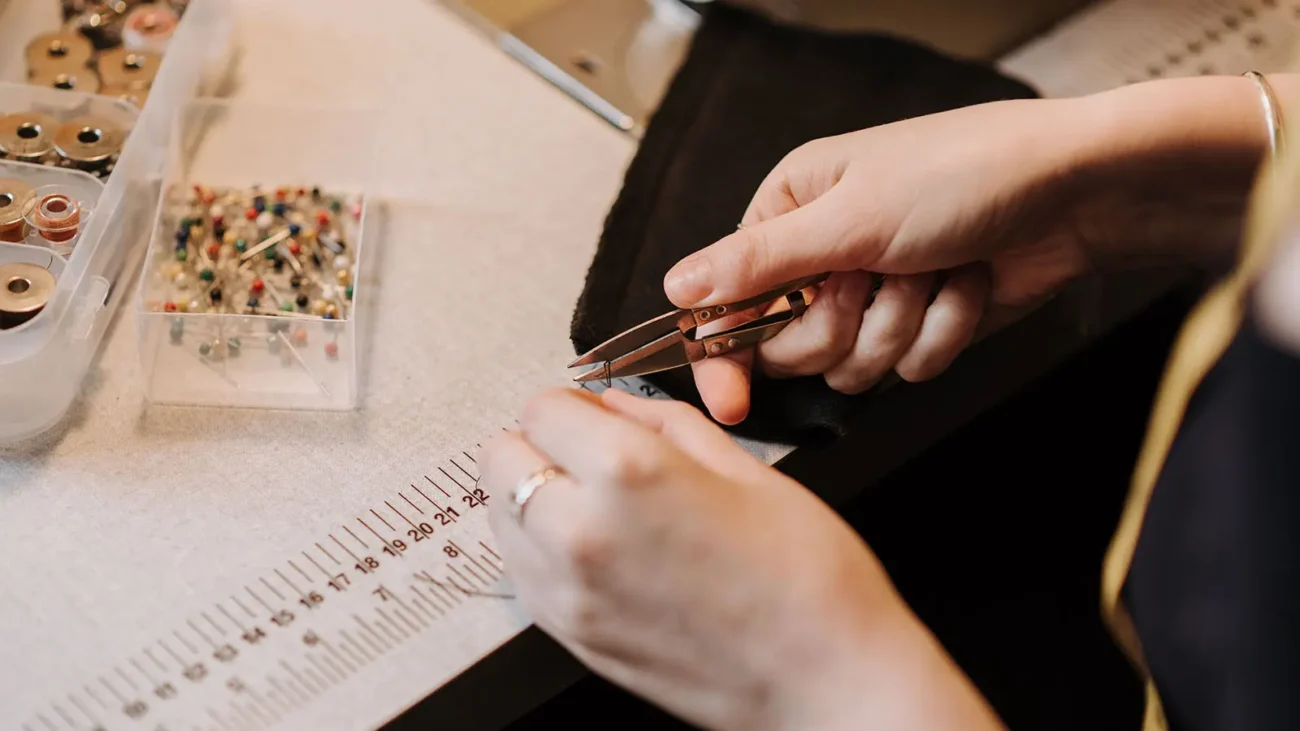
A design that looks simple on paper may become complicated during production.
Common challenges include:
Experienced factories review these details before production.
Instead of changing the original concept, manufacturers often suggest practical improvements that help the design become more stable during mass production.
For example:
This is where experienced OEM baby clothing manufacturer partners provide additional value beyond basic production.
Many quality problems are caused by information differences.
Brands usually focus on:
Factories focus on:
Both sides need clear communication.
Important information includes:
A reliable manufacturing partner helps translate brand ideas into products that can be produced consistently.
Strong Baby Clothing Factory Quality Control is built into the entire manufacturing process.
It is not something added only before shipment.
Before bulk production, experienced manufacturers review whether the product can be produced consistently.
This includes evaluating:
For example, a lightweight baby romper requires different production considerations compared with a thick baby jacket.
Understanding these differences early helps prevent unexpected problems later.
A professional baby clothing manufacturer uses experience from previous projects to identify possible risks before they affect production.
A sample is more than a product example.
It becomes the reference standard for bulk manufacturing.
Production teams need to follow approved details including:
However, maintaining consistency between samples and bulk orders requires experience.
Small changes in:
can influence the final result.
A strong Baby Clothing Factory Quality Control system ensures these differences are monitored before they become large-scale problems.
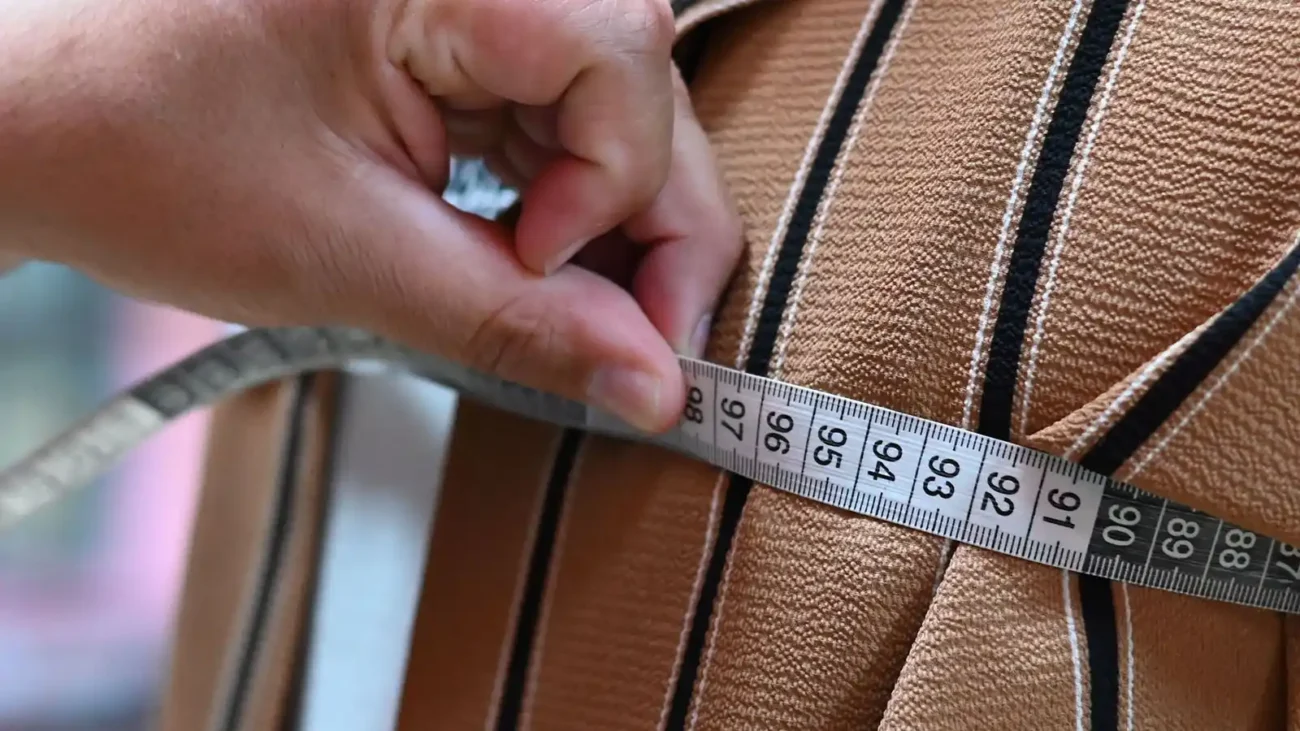
Quality management continues throughout production.
Factories monitor key areas such as:
The purpose is not only to identify defective products.
The more important goal is understanding why problems happen and preventing repeated mistakes.
This approach improves:
Inspection can find problems.
Experience helps prevent them.
This difference is important when brands select a manufacturing partner.
A factory experienced in baby apparel understands that these products require additional attention.
Important areas include:
A supplier that mainly produces general clothing may not always understand these details.
A specialized baby apparel factory understands where problems are most likely to happen.
Custom production requires stronger cooperation between brands and manufacturers.
A custom baby clothing manufacturer needs to manage:
Every brand has different expectations.
A capable factory needs to balance creative ideas with production reality.

Successful brands usually need long-term suppliers.
They need consistent quality across:
A reliable baby clothing factory China supplier maintains production records and product references to reduce differences between orders.
Choosing a supplier should not only be based on price.
Brands should understand how a factory manages:
For textile safety requirements, brands can refer to OEKO-TEX.
For organic textile certification, brands can review Global Organic Textile Standard (GOTS).
For children’s product safety requirements in the United States, brands can refer to the Consumer Product Safety Commission (CPSC).
Previous experience with similar products is valuable.
A factory familiar with baby apparel understands:
Brands should evaluate whether a supplier has experience with similar projects rather than only comparing quotations.
Production always involves questions and adjustments.
The difference between suppliers is often how they handle unexpected situations.
A professional partner communicates early when:
Solving problems early is usually more efficient than fixing them after delivery.
Quality management is a key part of professional baby apparel manufacturing.
China Baby Clothing Factory (CBCF) works with international brands on customized baby clothing, OEM projects, and private label collections.
Through custom baby clothing manufacturing services, CBCF supports product development, fabric selection, sampling, and production management.
Brands can also explore CBCF manufacturing insights to learn more about baby apparel production and manufacturing knowledge.
For broader apparel manufacturing solutions, Clothing Factory X provides additional garment production capabilities.
For brands expanding into children’s apparel, China Kids Wear Factory provides kids clothing manufacturing solutions.
Baby clothing requires higher attention because products are worn on sensitive skin and need to maintain comfort, safety, and durability.
Professional manufacturers prevent problems through better material selection, product evaluation, production experience, and continuous quality monitoring.
Common issues include fabric inconsistency, incorrect measurements, sewing defects, construction problems, and differences between samples and bulk production.
Not always. Lower prices may come with limitations in materials, communication, or quality management.
A strong manufacturer combines production capability, product knowledge, communication ability, and effective quality control systems.

Effective Baby Clothing Factory Quality Control is not simply about finding defects before shipment.
The best manufacturers focus on preventing problems before they happen.
From fabric decisions and product development to production management and repeat order consistency, every stage influences the final quality of baby apparel.
For brands choosing a baby clothing manufacturer, the right partner should provide more than manufacturing capacity.
A professional baby clothing factory China supplier should understand materials, production challenges, and quality expectations to help brands create reliable products for their customers.

 scan wechat qrcode