20% Off for New Inquiries – Today Only!
20% Off for New Inquiries – Today Only!
Launching a baby clothing collection involves much more than creating attractive designs and selecting comfortable fabrics.
For infant apparel brands, product safety and quality consistency directly affect customer trust. A garment that looks perfect during the sample stage may still face problems during bulk production if materials, accessories, or construction methods are not properly evaluated.
Before selling baby clothing in major markets such as the United States, Europe, the UK, Canada, and Australia, brands need to understand the testing requirements behind each product.
Baby Clothing Testing helps identify potential risks related to:
For brands working with an experienced baby clothing manufacturer, testing should not be treated as a final inspection step. It should be considered part of the product development process from the beginning.
A capable manufacturing partner can help evaluate materials, review production details, and prepare products that meet the expectations of international markets.
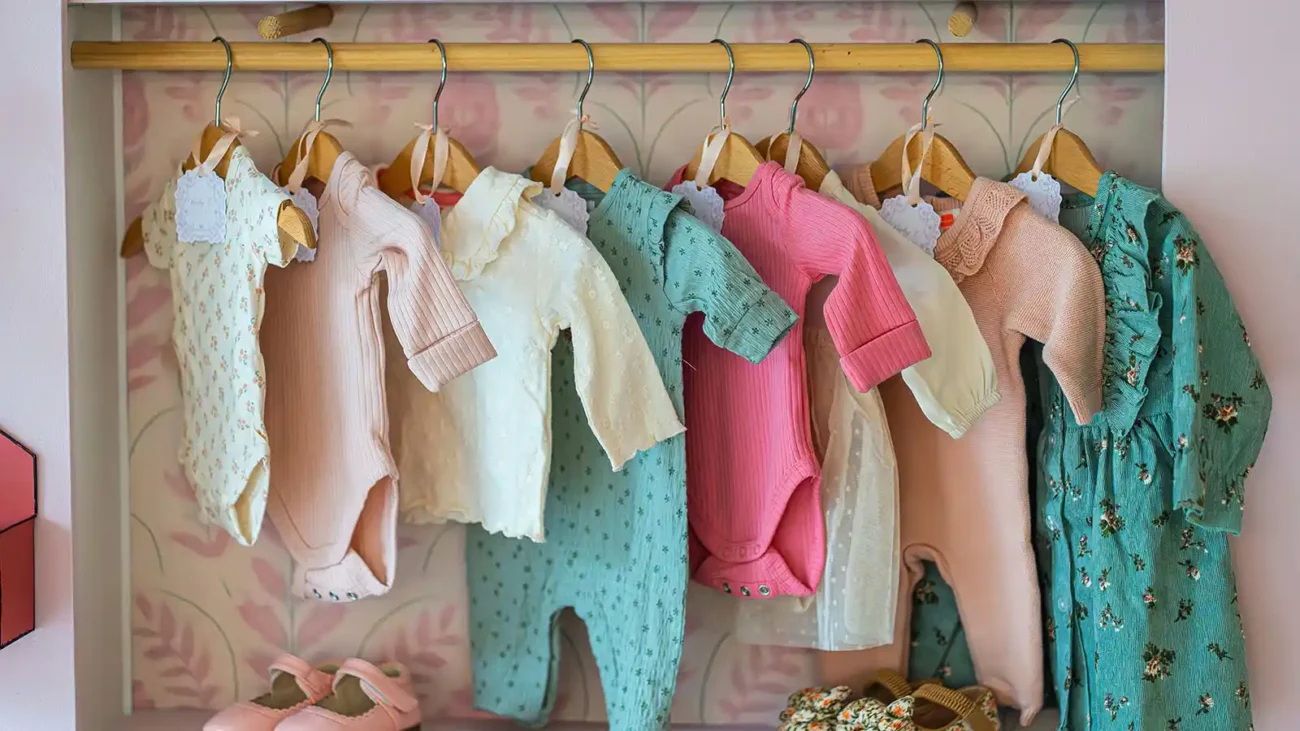
Baby clothing has stricter quality expectations compared with many adult garments.
Infants have sensitive skin, and parents expect baby products to be safe, comfortable, and durable. A small issue with fabric, accessories, or construction can affect the customer experience.
Common risks without proper testing include:
For overseas brands, these issues can create additional challenges:
A professional baby clothing factory usually evaluates these factors before bulk production begins. Early testing reduces the possibility of discovering problems after thousands of pieces have already been manufactured.
Visual inspection alone cannot identify every quality issue.
Many problems only appear through laboratory testing or detailed quality checks.
Baby clothing materials may require evaluation for:
These checks are especially important for products that have direct skin contact, including:
Garment structure is another important area during baby apparel testing.
Inspectors usually check:
For infant products, loose components can create safety risks.
Incorrect product information can also create compliance issues.
Brands should verify:
Accurate labeling is part of professional product management.
Different countries have different regulations.
A product that meets requirements in one market may need additional evaluation before entering another region.
Understanding market expectations before production helps brands avoid unnecessary adjustments.
The United States has strict requirements for children’s products.
Baby clothing brands selling in the U.S. market usually consider:
Brands can review CPSC children’s product safety requirements for detailed information about U.S. regulations.
The Consumer Product Safety Improvement Act (CPSIA) includes requirements related to children’s product safety.
Important testing areas include:
Certain components may require lead testing, including:
Some plastic components may require phthalate evaluation.
Examples include:
Many children’s products require testing from qualified laboratories.
An experienced OEM baby clothing manufacturer can help brands prepare materials and documentation before production and shipment.
European markets place strong attention on chemical safety and consumer protection.
Common considerations include:
Brands can review European Chemicals Agency (ECHA) REACH information for chemical compliance guidance.
REACH controls the use of certain chemicals in products sold within the European market.
For baby clothing, brands often evaluate:
Many international brands also use OEKO-TEX textile safety standards when evaluating fabrics intended for infant products.
Brands selling in the UK, Canada, and Australia should also review local requirements.
Important considerations include:
A baby clothing manufacturer China partner with export experience can help brands understand different market expectations and prepare suitable products.
Testing requirements depend on:
However, most baby apparel collections should consider several key evaluations.
Fabric selection is one of the first areas to review during Baby Clothing Testing.
Common fabric tests include:
These tests help confirm that materials are suitable for infant use.
Chemical testing may evaluate:
This is especially important for products worn directly against baby skin.
Some garment components may require heavy metal testing.
Common areas include:
Testing helps ensure products meet international safety expectations.
Safety is not only related to chemicals.
Baby clothing also needs to perform well during everyday use.
Color fastness testing checks whether fabric colors remain stable.
Common evaluations include:
Poor color performance can affect both product appearance and customer satisfaction.
Baby garments are washed frequently.
Shrinkage testing helps evaluate:
Garment construction quality affects product durability.
Testing may include:
These checks reduce the risk of product failures after delivery.
Testing should not only happen after production.
Experienced manufacturers apply quality control throughout the manufacturing process.
Before cutting begins, factories usually inspect incoming materials.
Common checks include:
Early fabric inspection helps reduce production waste.
The sample stage allows brands to review:
For companies working with a custom baby clothing manufacturer, sample improvement is an important step before bulk production.
Brands can explore custom apparel manufacturing services to understand how product concepts are developed into production-ready garments.
During manufacturing, quality teams monitor:
Problems found during production are easier and less expensive to correct than problems discovered after shipment.
Before goods leave the factory, final inspection usually covers:
A complete quality control process helps brands receive products that match approved samples.
Clothing Factory X (CFX) supports international brands with product development, manufacturing, and quality management solutions.
For baby apparel projects, the manufacturing process often includes:
Brands can also learn more about the apparel manufacturing process and how professional factories manage production from development to delivery.
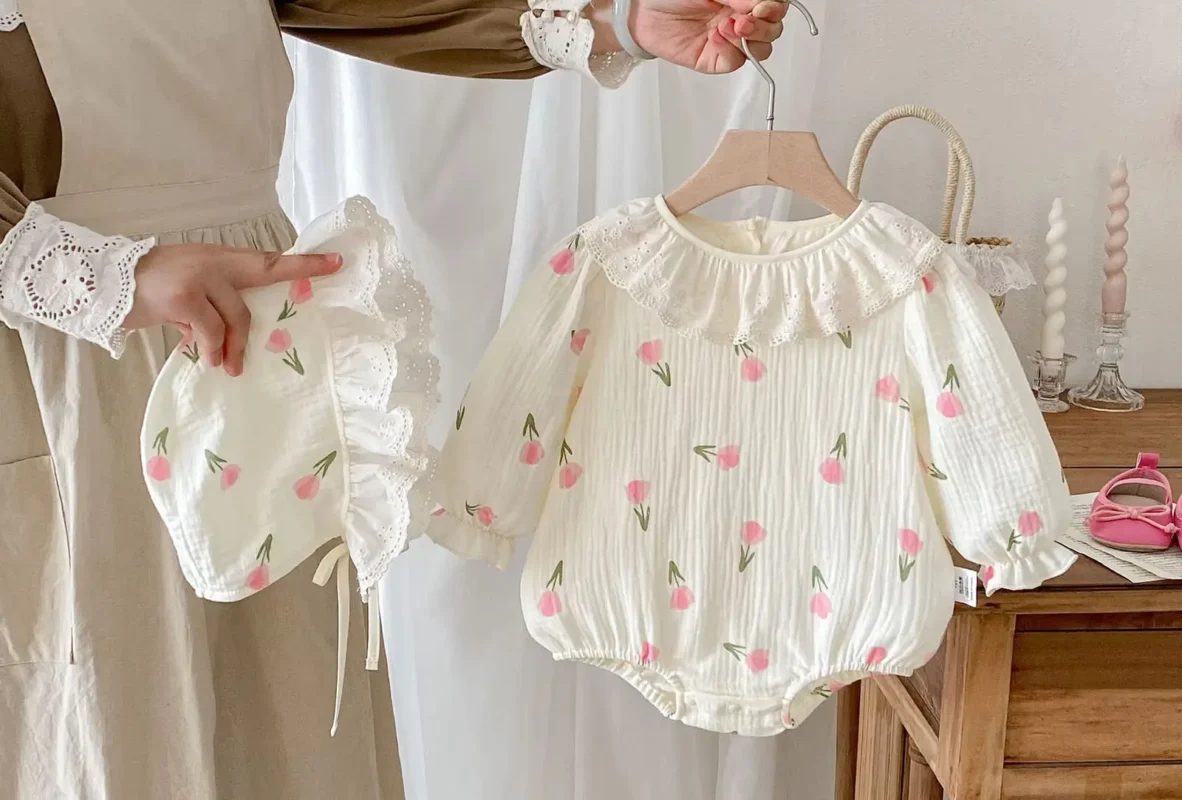
Successful OEM and ODM production requires more than manufacturing equipment.
Brands need a partner that understands:
This is especially important for brands developing customized infant apparel collections.
Selecting the right supplier is one of the most important decisions for a growing brand.
Brands should evaluate:
A capable manufacturer should understand:
Brands should ask about:
Important factors include:
The lowest price does not always create the best long-term value.
A reliable baby clothing factory helps brands create products that customers can trust.
Many brands expand beyond infant clothing into wider product categories.
Related manufacturing resources include:
These categories require the same attention to:
Testing depends on the product and destination market.
Common evaluations include:
Most baby products require some form of testing before entering major markets.
Requirements depend on:
Yes.
Experienced manufacturers can support:
Testing time depends on the product and required standards.
Simple material tests may take several days, while more complex compliance testing may require additional time.
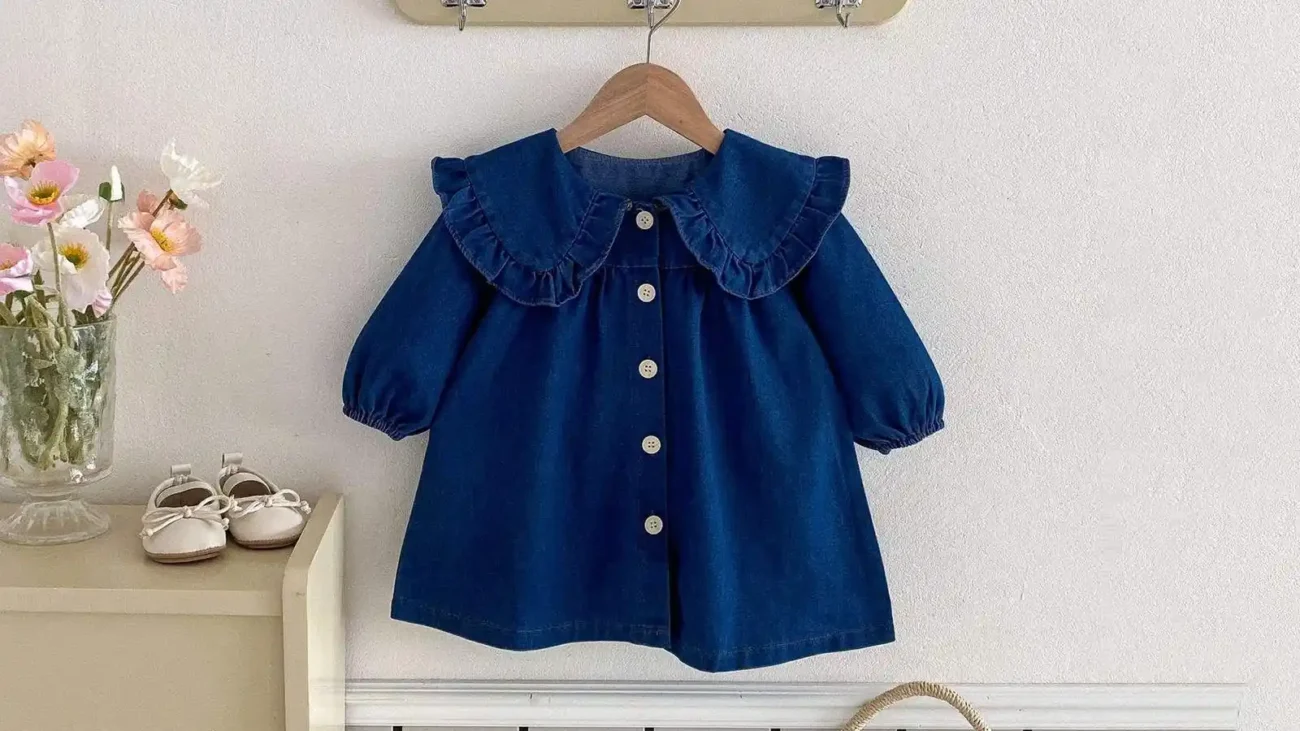
Baby Clothing Testing is an important part of preparing infant apparel for international markets.
Successful baby clothing brands need more than attractive designs. They need safe materials, reliable construction, and consistent manufacturing quality.
Working with an experienced baby clothing manufacturer helps reduce production risks and improves the chance of successful market entry.
A professional baby clothing factory provides more than manufacturing capacity. It supports brands with product development, quality control, compliance preparation, and long-term production solutions.

 scan wechat qrcode