20% Off for New Inquiries – Today Only!
20% Off for New Inquiries – Today Only!
Choosing the right manufacturing partner is a decision that can affect a baby clothing brand for years.
Many new brands start sourcing with a simple goal: find a supplier that can produce good-quality products at a reasonable cost.
However, as the business grows, brands usually discover that choosing a supplier is not only about price. Production communication, product development support, quality control, and manufacturing experience often determine whether a collection succeeds.
When sourcing baby apparel from China, brands usually consider two options:
Both models exist for a reason. A trading company can simplify sourcing, while a direct factory can provide deeper production involvement.
For brands developing private label baby clothing collections, understanding the difference between these two options helps avoid common sourcing problems and build a more reliable supply chain.
Baby clothing has different requirements compared with general apparel.
A T-shirt for adults and a baby bodysuit may look similar during production, but the expectations are very different.
Baby apparel brands usually pay close attention to:
A small quality issue can quickly affect customer reviews and brand reputation.
For this reason, choosing an experienced baby clothing manufacturer is not simply about finding a company that can make garments. It is about finding a partner that understands infant apparel production.
A capable supplier should be able to support areas such as:
Brands that choose the right manufacturing partner usually have fewer problems when expanding their product range.
Before comparing the two options, brands should understand how each supplier model works.
A direct Baby Clothing Factory manages the manufacturing process internally.
The factory team is involved in:
The biggest advantage is direct communication with the people who make the products.
If a brand wants to change:
the discussion can happen directly with the production team.
This is particularly useful for brands developing new products rather than simply buying existing designs.
A trading company connects buyers with manufacturing suppliers.
They usually handle:
For some businesses, this model is convenient.
For example, a buyer who needs many different product categories may prefer one company managing multiple suppliers.
However, the buyer may not always communicate directly with the factory producing the garments.
This can create differences in:

Production control is one of the biggest differences between the two models.
When brands work directly with a factory, they communicate with the production team responsible for manufacturing.
This means discussions about:
can happen faster.
For example, if a sample does not fit correctly, the factory pattern team can review the issue directly and suggest adjustments.
There is less information transfer between different parties.
With a trading company, information usually moves between:
Buyer → Trading Company → Factory
This structure can work well for standard products.
However, when a project involves multiple sample revisions or technical changes, communication may take longer.
For customized baby clothing, direct factory cooperation often provides better efficiency.
Many baby brands today are creating their own collections instead of selling standard products.
This means they need more than production capacity.
They need a custom baby clothing manufacturer that can help during development.
A direct factory can support:
For example, a brand may have a design idea but not know whether a specific fabric works well for baby sleepwear.
An experienced factory can provide practical production feedback before bulk manufacturing begins.
Brands can explore custom baby clothing manufacturing solutions for more information about product development support.
Quality control is especially important in baby apparel.
A professional factory usually controls quality throughout production.
Common inspection stages include:
Because the factory manages production directly, problems can often be identified earlier.
For example:
If fabric shrinkage appears during testing, the factory can adjust the material or production method before mass production.
When working through a trading company, quality control depends on how closely the trading company manages its manufacturing partners.
Price is always an important factor, but experienced buyers know that the lowest quotation is not always the lowest total cost.
Brands should also consider:
Working directly with a China baby clothing factory usually gives brands clearer visibility into manufacturing costs.
The quotation is connected directly to:
A trading company may include additional service costs because they manage supplier relationships.
For long-term cooperation, transparent pricing helps brands plan better.
Private label baby brands often need products that are different from competitors.
This requires a supplier with OEM experience.
An experienced OEM baby clothing manufacturer can support:
This allows brands to create products based on their own market positioning.
A factory that understands OEM production can help identify potential manufacturing issues before they become expensive problems.
Communication is often underestimated during sourcing.
Many production delays happen because information is unclear.
Direct factory communication allows brands to discuss:
For example, if a brand needs a small design adjustment after sample approval, direct communication with the factory usually makes the change easier to manage.
Successful brands usually do not change suppliers for every collection.
A reliable manufacturing relationship becomes more valuable over time.
A long-term baby clothing supplier understands:
This makes future projects more efficient.
A direct factory is usually a better option for brands that need control over product development and manufacturing.
Private label brands usually need:
A direct factory can help turn product ideas into production-ready garments.
Growing brands often move through different stages:
A factory partner that understands the brand can support this growth process.
Direct manufacturing is especially suitable for products requiring:
A trading company can still be a practical option in certain situations.
A trading company may work well when:
However, brands should understand the trade-off between convenience and production control.
Before choosing a supplier, brands should evaluate more than price.
Look for experience in:
A factory familiar with overseas markets usually understands buyer expectations better.
Important areas include:
A supplier should have the ability to support both current orders and future growth.
Baby clothing requires careful attention to safety.
Brands should review:
For brands selling in the United States, requirements from the U.S. Consumer Product Safety Commission (CPSC) are an important reference for children’s product safety.
When selecting baby apparel fabrics, many brands also consider OEKO-TEX® textile safety standards to evaluate materials used for sensitive skin.
For European markets, brands should also understand chemical requirements such as European Chemicals Agency (ECHA) REACH regulations.
A reliable baby clothing manufacturer China partner should understand these requirements and provide suitable production support.
For overseas baby brands, working with a professional China baby clothing factory provides advantages in communication, customization, and production control.
China Baby Clothing Factory (CBCF) supports global brands with OEM, ODM, and private label baby apparel manufacturing.
The focus is helping brands develop reliable products through:
Brands can also learn more about baby clothing manufacturing processes and how professional factories manage product development.
For companies expanding beyond baby apparel, related manufacturing resources include apparel manufacturing solutions, kids clothing manufacturing, and baby accessories manufacturing.
A direct factory can provide better cost transparency because there is no additional intermediary involved.
However, the final cost depends on:
No.
Trading companies can provide useful services, especially for buyers who need simplified sourcing.
The key is choosing the supplier model that matches your business needs.
Brands should review:
Many startups benefit from direct factory cooperation because it provides better control over product quality and development.
However, the best choice depends on the brand’s resources and sourcing goals.
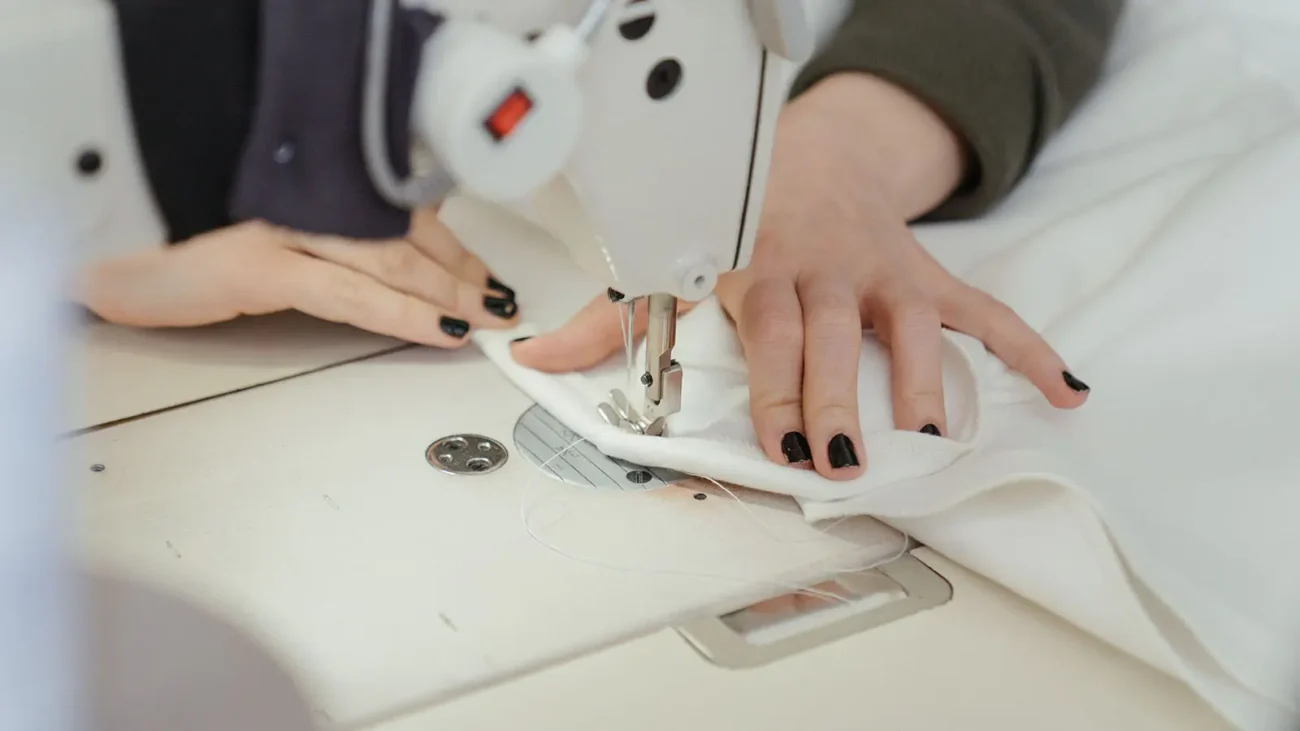
Choosing between a Baby Clothing Factory and a trading company depends on what your brand needs most.
Trading companies can provide convenience and supplier management, while direct factories usually provide stronger production control, customization support, and manufacturing transparency.
For brands building private label baby apparel collections, working with an experienced baby clothing manufacturer creates a stronger foundation for long-term growth.
A professional China baby clothing factory does more than produce garments. It helps brands develop better products, maintain quality standards, and build a reliable supply chain.

 scan wechat qrcode