20% Off for New Inquiries – Today Only!
20% Off for New Inquiries – Today Only!
Fabric selection is one of the first decisions that can influence the quality and performance of a baby clothing collection.
Many brands start with product design and focus on appearance first. However, during actual production, the selected material often determines whether the final product can meet customer expectations.
A fabric may feel soft when reviewing samples but behave differently after washing. It may shrink, lose shape, affect sizing accuracy, or create difficulties during bulk production.
For infant apparel, these details are critical.
A suitable Baby Clothing Fabric should provide:
For brands working with an experienced baby clothing manufacturer, choosing suitable Baby Clothing Fabric requires understanding different infant apparel materials, production requirements, and the final use of each product.
A professional apparel manufacturer China partner can help brands evaluate materials before production begins and reduce unnecessary development risks.
Brands looking for a complete production solution can also explore OEM baby clothing manufacturing solutions to understand how factories support product development from concept to production.
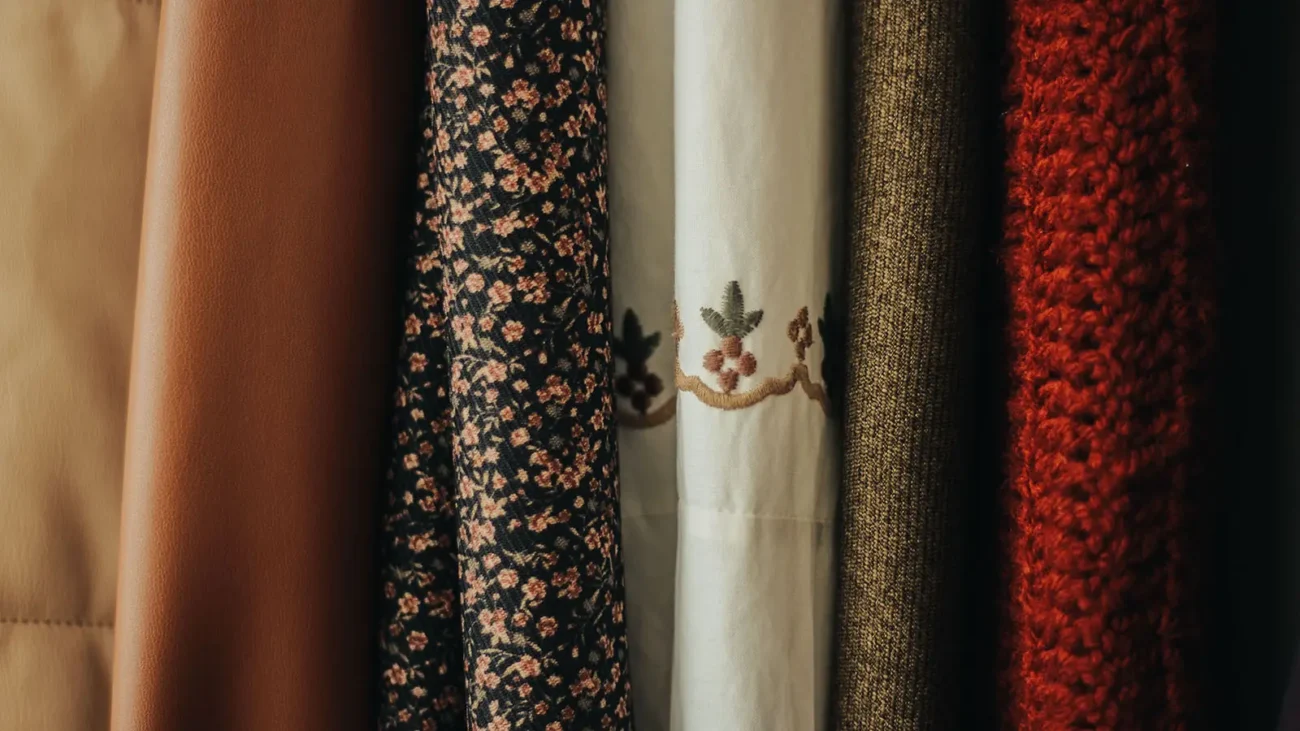
Baby clothing has higher material requirements compared with many adult garments.
Infants usually wear clothing close to their skin for long periods, so fabrics need to balance comfort, durability, and safety.
When evaluating Baby Clothing Fabric, manufacturers usually consider:
Fabric selection affects more than the feeling of the garment.
It also influences:
This is why experienced brands usually involve their manufacturing partner during the early development stage.
Choosing a fabric is both a product decision and a manufacturing decision.
Different materials behave differently during sampling and bulk production.
The sample stage is where many material issues are discovered.
For example:
A professional factory evaluates these factors before approving bulk production.
The goal is not only creating an attractive sample but ensuring the same quality can be achieved consistently at production scale.
Brands can also learn more about the apparel manufacturing process and how material decisions influence final garment results.
Bulk manufacturing requires stable material performance.
A reliable fabric supply chain should maintain:
Small differences between fabric batches can affect the appearance of finished garments.
For brands building long-term collections, stable material sourcing is an important part of quality management.
Different infant apparel materials also perform differently during production. A professional baby clothing factory evaluates fabric structure, durability, and comfort before recommending materials for a specific product category.
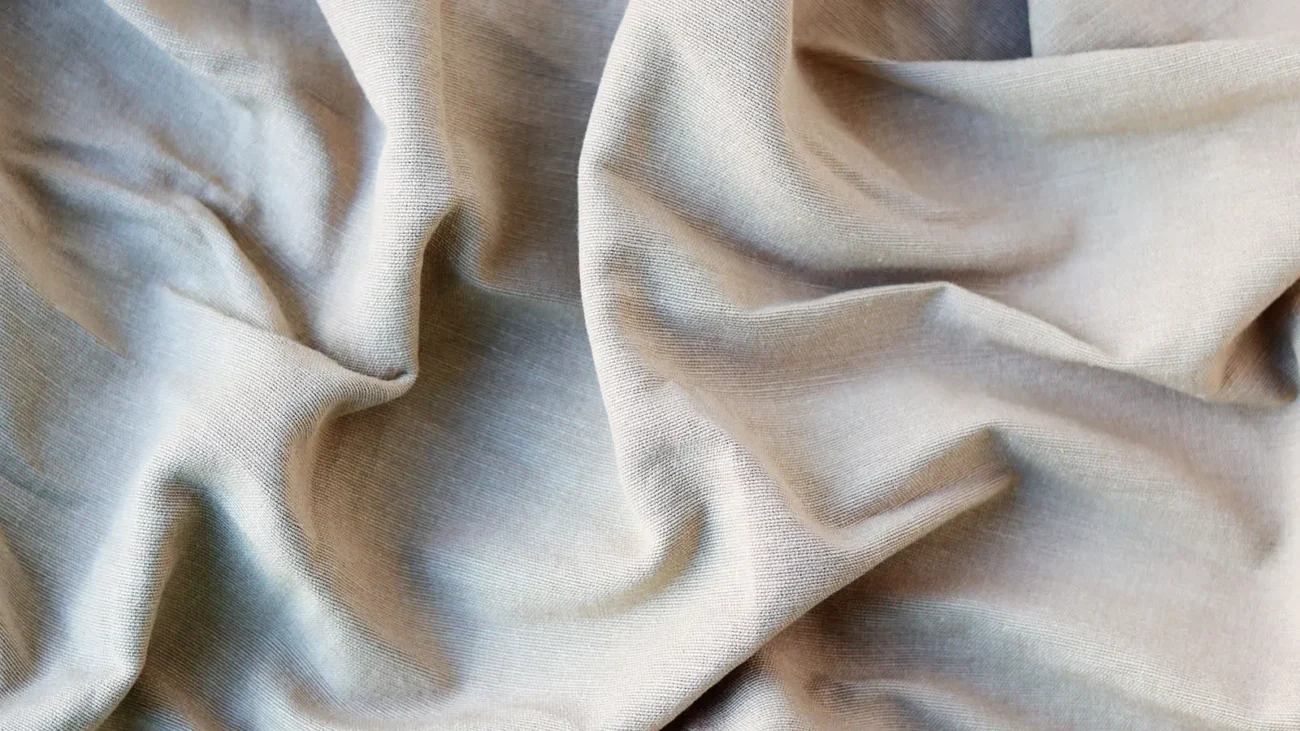
Different baby products require different material solutions.
There is no single fabric that works for every category.
The right choice depends on:
Organic cotton remains one of the most popular materials for premium infant apparel.
Many brands choose organic cotton baby clothing because it offers:
Organic cotton is commonly used for:
For brands targeting environmentally conscious customers, organic cotton can support a stronger sustainability position.
However, choosing organic cotton requires more than selecting a fabric label.
Brands should evaluate:
The Global Organic Textile Standard (GOTS) provides requirements for organic fibers, textile processing, and responsible production.
More information about Global Organic Textile Standard (GOTS) certification.
For textile safety evaluation, brands can also refer to OEKO-TEX textile safety standards when evaluating materials for infant apparel.
For brands creating long-term collections, working with an experienced private label baby clothing manufacturer can help ensure fabric selection, labeling, and production consistency.
Bamboo fabric has become increasingly popular among baby clothing brands.
It is often selected for:
Common advantages include:
However, bamboo fabrics can vary significantly depending on fiber quality and manufacturing methods.
A reliable baby clothing factory evaluates whether bamboo fabric is suitable for the intended product instead of selecting materials only based on marketing descriptions.
Modal and Tencel are frequently used in premium baby clothing collections.
These materials are valued for:
They are commonly used for:
Many brands combine these materials with other fibers to improve durability and production performance.
Although natural fibers are widely used in infant apparel, synthetic materials also have specific applications.
Polyester blends are commonly used for:
Benefits include:
The important factor is selecting the right material for the product function.
A waterproof outer layer requires different fabric performance compared with a soft indoor baby romper.
For overseas brands, selecting materials without manufacturing experience can create unnecessary development risks.
Clothing Factory X (CFX) supports global brands with apparel development, fabric evaluation, and production solutions.
The focus is not simply recommending popular materials.
The goal is finding fabrics that work throughout the complete manufacturing process.
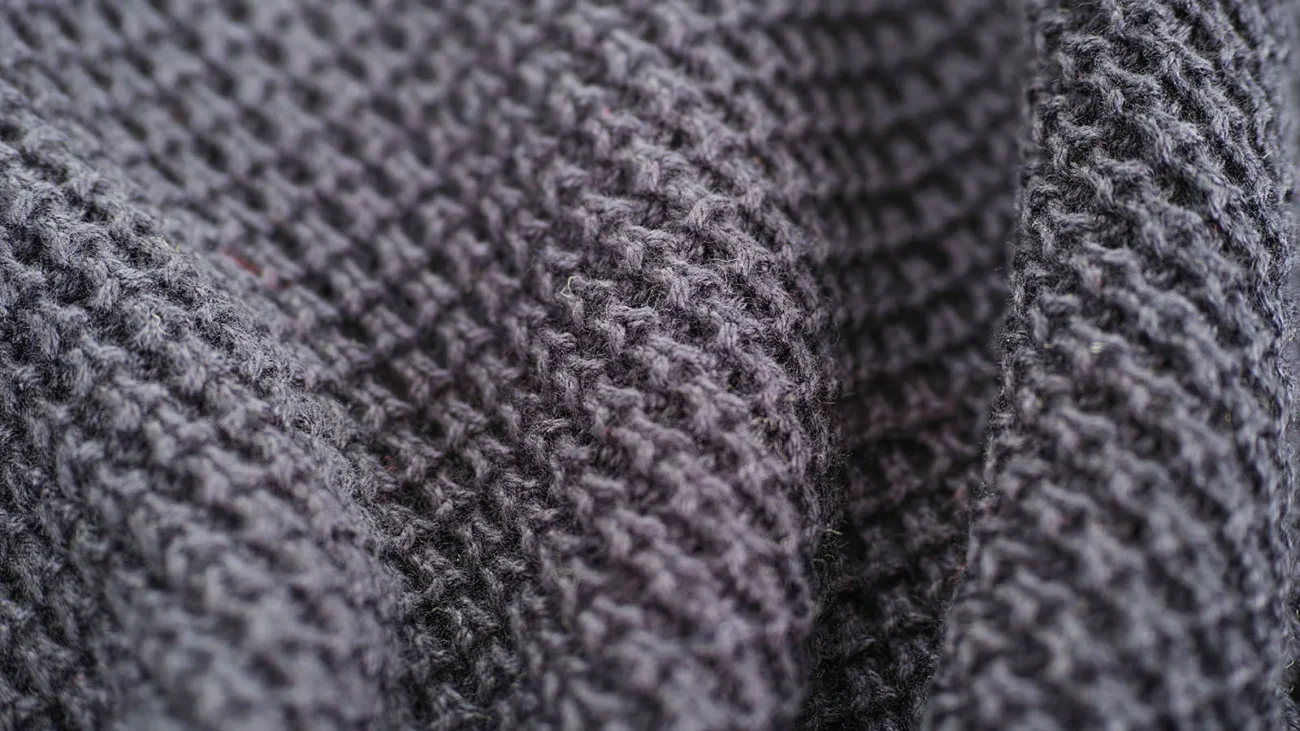
Different baby products require different fabric characteristics.
The correct Baby Clothing Fabric depends on the product function, target customers, and expected usage conditions.
Baby bodysuits and rompers are among the most common infant apparel products.
Because babies wear these products frequently, brands usually prioritize:
Common fabric choices include:
For brands developing a complete infant collection, selecting suitable infant apparel materials at the beginning can reduce production adjustments later.
Baby sleepwear requires fabrics that provide comfort during extended wearing.
Common fabric choices include:
Important requirements include:
Sleepwear fabrics need to remain comfortable after repeated washing because parents usually expect these products to maintain softness over time.
Baby outerwear requires different material performance compared with basic indoor clothing.
Common fabric choices include:
Important requirements include:
A professional baby clothing manufacturer understands that fabric selection must match the final product application rather than simply choosing the cheapest material.
Professional baby clothing production requires material evaluation before manufacturing begins.
A suitable Baby Clothing Fabric should be tested before large-scale production to reduce quality risks.
Common fabric checks include:
These checks help reduce:
A reliable manufacturer should also provide quality control support throughout production, including fabric inspection and finished garment evaluation.
Brands can learn more about baby clothing quality control and manufacturing standards before starting a new collection.
For brands selling in regulated markets, product safety requirements should also be considered.
The U.S. Consumer Product Safety Commission (CPSC) provides information about consumer product safety requirements in the United States.
More information about U.S. consumer product safety requirements is available from the Consumer Product Safety Commission.
Because infant skin is more sensitive, brands should also consider health and safety factors during product development.
Brands can also review guidance from the American Academy of Pediatrics (AAP) regarding infant health and safety considerations.
Sustainability has become an important consideration for many baby brands.
More companies are exploring:
However, sustainable materials still need to meet practical product requirements.
A fabric must perform well during:
For example, a sustainable material that loses shape quickly may create a poor customer experience.
The best approach is balancing environmental goals with:
Experienced manufacturers help brands evaluate whether sustainable materials can support both brand values and production requirements.
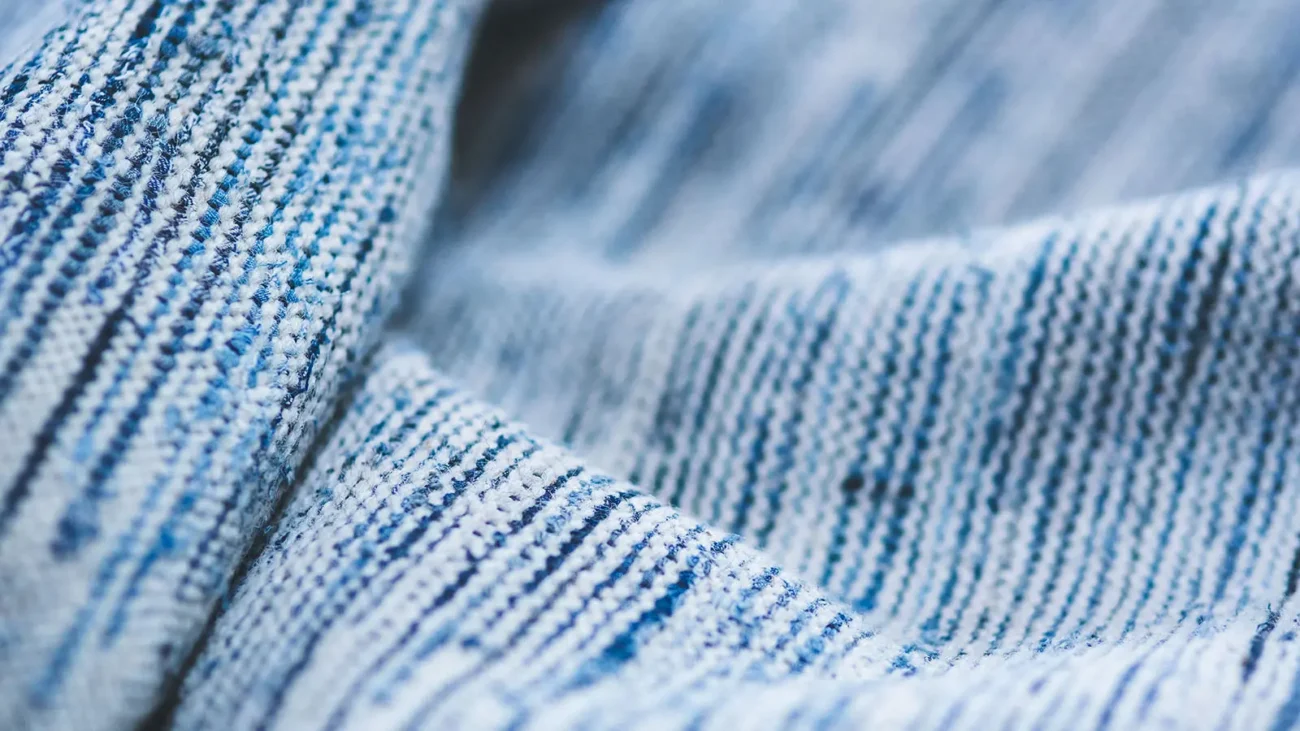
Fabric knowledge is one difference between a basic supplier and a professional manufacturing partner.
When selecting a baby clothing manufacturer, brands should evaluate several areas.
A capable factory should understand:
A factory that understands infant apparel materials can provide better recommendations during product development.
This is especially important for brands creating multiple product categories, including:
A strong manufacturing partner can assist with:
For companies looking for a custom baby clothing manufacturer, development support can reduce unnecessary trial and error.
Brands can also explore custom apparel manufacturing services to understand how product ideas are developed into production-ready garments.
Brands should review:
The lowest production price does not always create the best long-term result.
A reliable baby clothing factory should help brands balance:
Consistent quality depends on the complete manufacturing process.
Many brands eventually expand into additional children’s and baby product categories.
Working with suppliers that understand related categories can help brands build stronger product lines.
Related manufacturing resources include:
These categories require similar attention to:
There is no single fabric that works for every product.
The best Baby Clothing Fabric depends on the product category, target market, and brand requirements.
Organic cotton, bamboo, modal, and blended fabrics can all be suitable depending on product design and application.
Organic cotton is a popular option because of its softness and natural fiber properties.
It is especially suitable for brands focusing on comfort, sustainability, and premium positioning.
However, brands should still evaluate fabric quality, certification, and manufacturing performance.
Brands should consider:
Working with an experienced baby clothing manufacturer can help brands make better material decisions before production begins.
Yes.
Experienced manufacturers can recommend materials based on:
A professional custom baby clothing manufacturer does more than produce garments. It helps brands develop products that are practical, consistent, and ready for market.
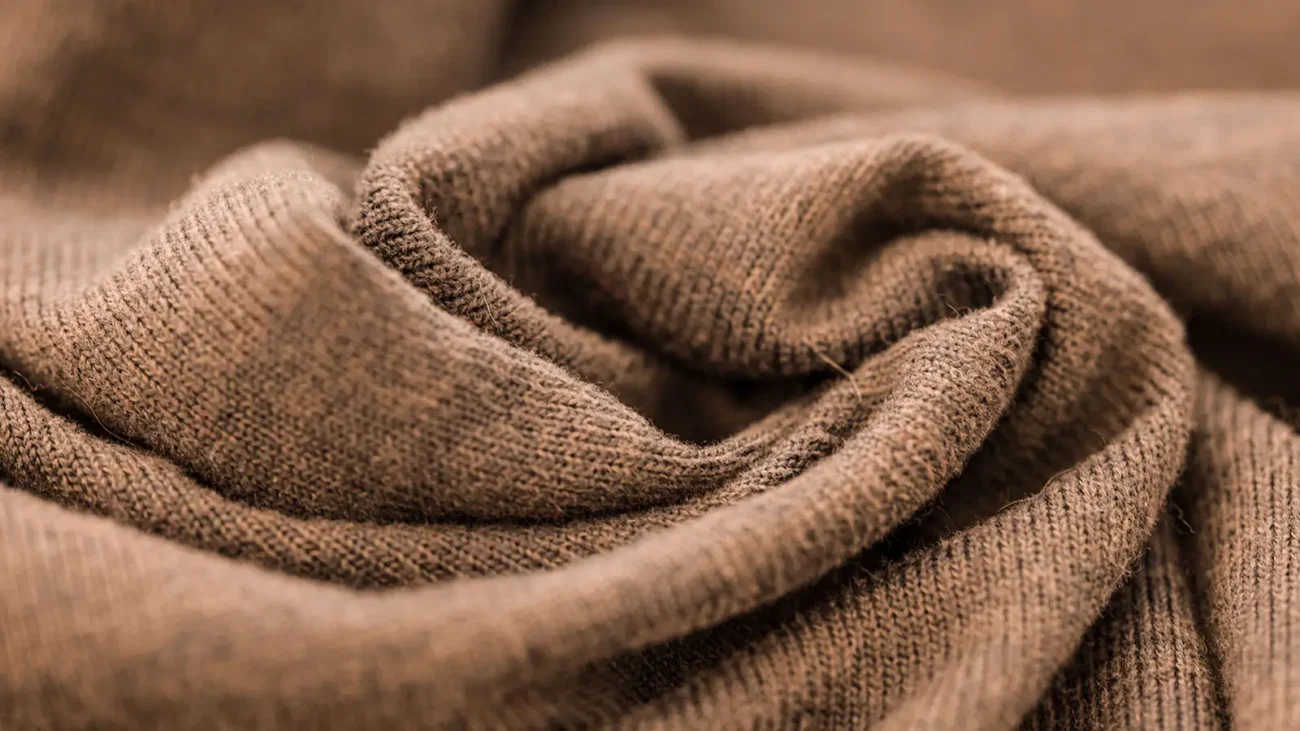
Selecting the right Baby Clothing Fabric is an important part of developing successful infant apparel products.
The best material is not always the most expensive option.
It is the fabric that matches the product purpose, production requirements, and customer expectations.
For global brands, working with an experienced manufacturing partner helps reduce development risks and create more reliable products.
A good fabric choice becomes the foundation of comfortable, safe, and market-ready baby clothing.
A professional baby clothing factory provides more than production capacity. It supports brands with material selection, product development, quality control, and long-term manufacturing solutions.
For companies planning future collections, choosing the right baby clothing manufacturer can become a key factor in building a reliable and scalable baby apparel business.

 scan wechat qrcode