20% Off for New Inquiries – Today Only!
20% Off for New Inquiries – Today Only!
When overseas brands develop baby clothing collections, the first discussions are usually about design, fabric selection, and production costs.
However, during actual manufacturing, safety requirements often determine whether a product can move smoothly from sampling to bulk production.
A baby garment may look simple, but many details can affect product safety:
For brands selling internationally, understanding Baby Clothing Safety Standards before production can prevent costly changes later and help ensure baby apparel compliance throughout the manufacturing process.
Many compliance problems are not discovered during the design stage. They usually appear when a factory starts material evaluation, sample development, or bulk production preparation.
An experienced baby clothing manufacturer can help brands identify potential risks earlier and develop products that meet both customer expectations and market requirements.
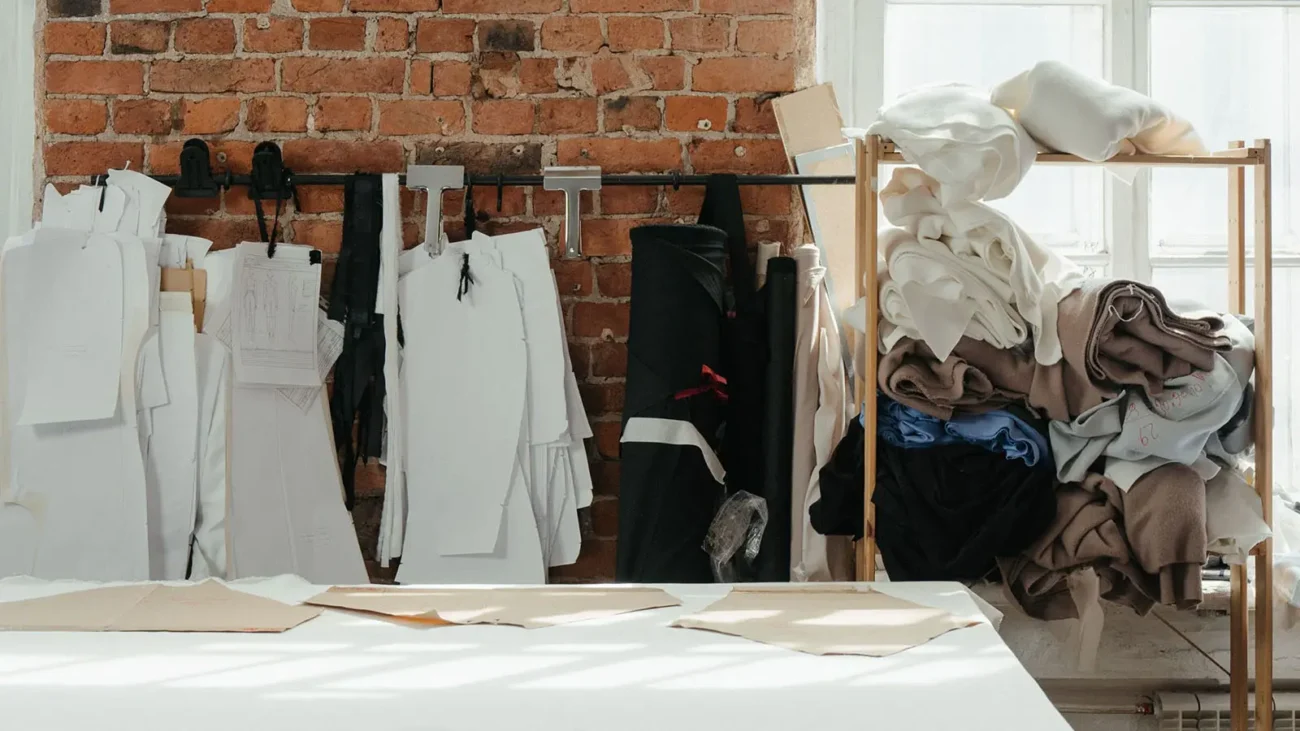
Baby clothing has stricter requirements compared with regular apparel, which is why Baby Clothing Safety Standards are a key consideration for every international baby clothing manufacturer.
The reason is simple: babies and young children have sensitive skin, and their garments are worn frequently and for long periods.
A safe baby garment needs to consider more than appearance.
Manufacturers and brands need to evaluate:
For international brands, safety expectations may also change depending on the target market.
For example, children’s products sold in the United States need to consider requirements from organizations such as the U.S. Consumer Product Safety Commission (CPSC).
European markets and individual retailers may also have their own compliance expectations.
This is why brands should discuss safety requirements with their manufacturing partner before production begins.
Many new brands assume safety testing happens only after the product is finished.
In reality, many potential problems can be avoided during the early development stage.
Before bulk production, manufacturers usually review:
For example, a decorative element may look attractive in a design file but create a safety concern when used on baby clothing.
The factory needs to consider:
This type of review is where manufacturing experience becomes valuable.
A custom baby clothing manufacturer can help brands adjust designs before sampling instead of discovering problems after production starts.
Fabric is the foundation of Baby Clothing Safety Standards, because material selection directly affects comfort, chemical safety, and final product performance.
Because baby garments have direct contact with skin, material selection affects:
For a baby clothing manufacturer, fabric approval is one of the first important steps before production.
Common fabrics used in baby clothing include:
However, choosing fabric is not only about softness.
During production, manufacturers also consider:
For example, a lightweight cotton fabric may work well for baby bodysuits but may not be suitable for structured outerwear.
The right fabric depends on how the garment will be used.
Some fabric problems cannot be identified only by touching a sample.
A fabric may feel excellent during sampling but perform differently after:
Common issues include:
In real production, factories usually confirm fabric performance before approving large orders.
Finding a problem during sample development is much easier than correcting thousands of finished garments.
Many baby brands now prefer sustainable materials, especially organic cotton.
However, material selection is only one part of responsible production.
The final garment quality also depends on:
For brands developing certified products, such as GOTS organic baby clothing collections, the entire production process needs to be considered.
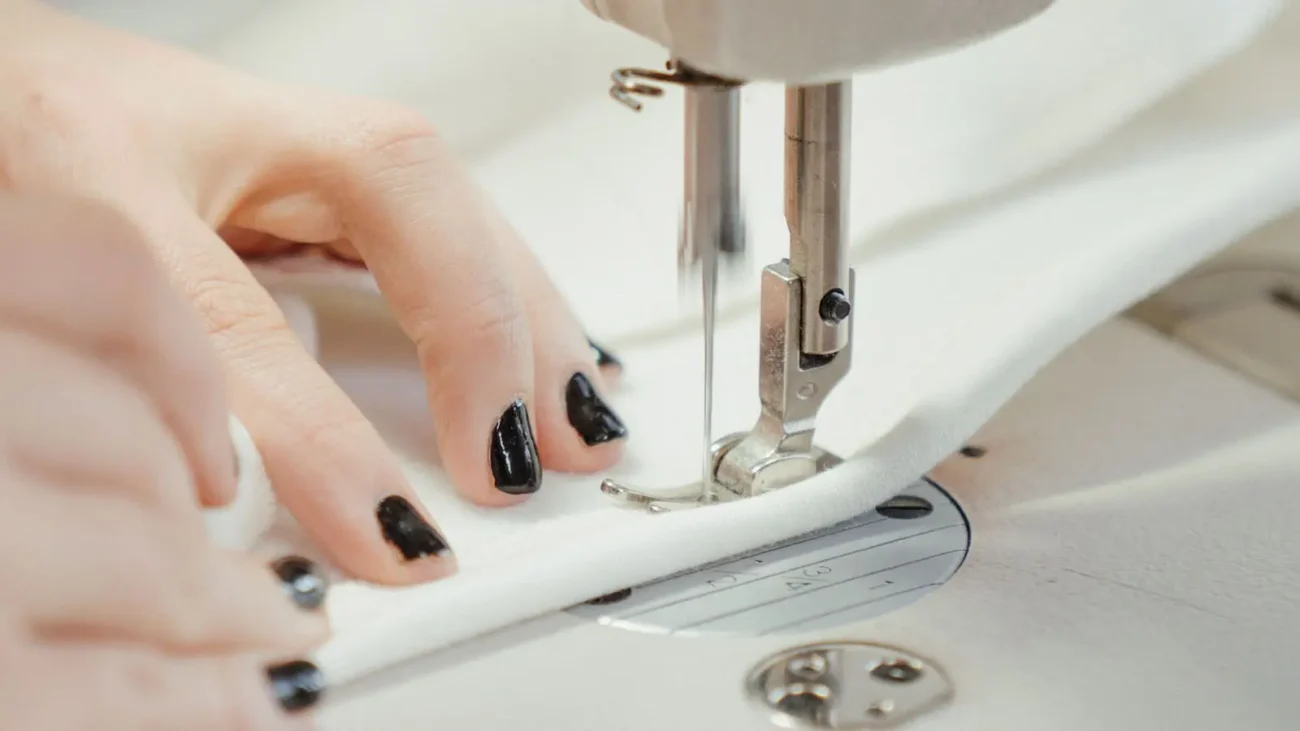
Chemical control is one of the most important areas of Baby Clothing Safety Standards, especially for brands working with a professional baby clothing manufacturer.
During textile production, different processes may involve:
Each stage needs proper management.
International buyers often pay close attention to harmful substances that may remain in textiles.
Testing may include:
Requirements depend on:
A reliable manufacturer should understand these requirements before production instead of waiting until shipment inspection.
Many baby clothing brands refer to OEKO-TEX Standard 100 when evaluating textile safety.
OEKO-TEX focuses on testing textiles for harmful substances.
It is often used as an additional reference when brands select materials for baby products.
For many international brands, baby apparel safety standards are reviewed together with testing reports before approving a China baby clothing factory.
However, textile testing alone does not guarantee a successful product.
A safe garment also depends on:
Small components are one of the most important safety considerations within Baby Clothing Safety Standards for infant products.
Manufacturers need to carefully evaluate:
A component that becomes loose during use may create a safety risk.
During product development, factories review:
For example, a brand may request decorative buttons because they improve appearance.
However, depending on the product category, safer alternatives may include:
A good manufacturing partner helps balance design requirements with safety considerations.
Flammability is another important area within Baby Clothing Safety Standards, especially for products designed for sleeping or extended wear.
Different countries and regions may have different expectations for children’s apparel flammability performance.
For brands selling internationally, understanding these requirements before production begins can prevent costly changes later.
For example, children’s sleepwear sold in the United States needs to consider specific requirements from organizations such as the U.S. Consumer Product Safety Commission (CPSC).
Manufacturers need to evaluate:
A fabric that performs well for everyday baby clothing may not be suitable for products with additional safety requirements.
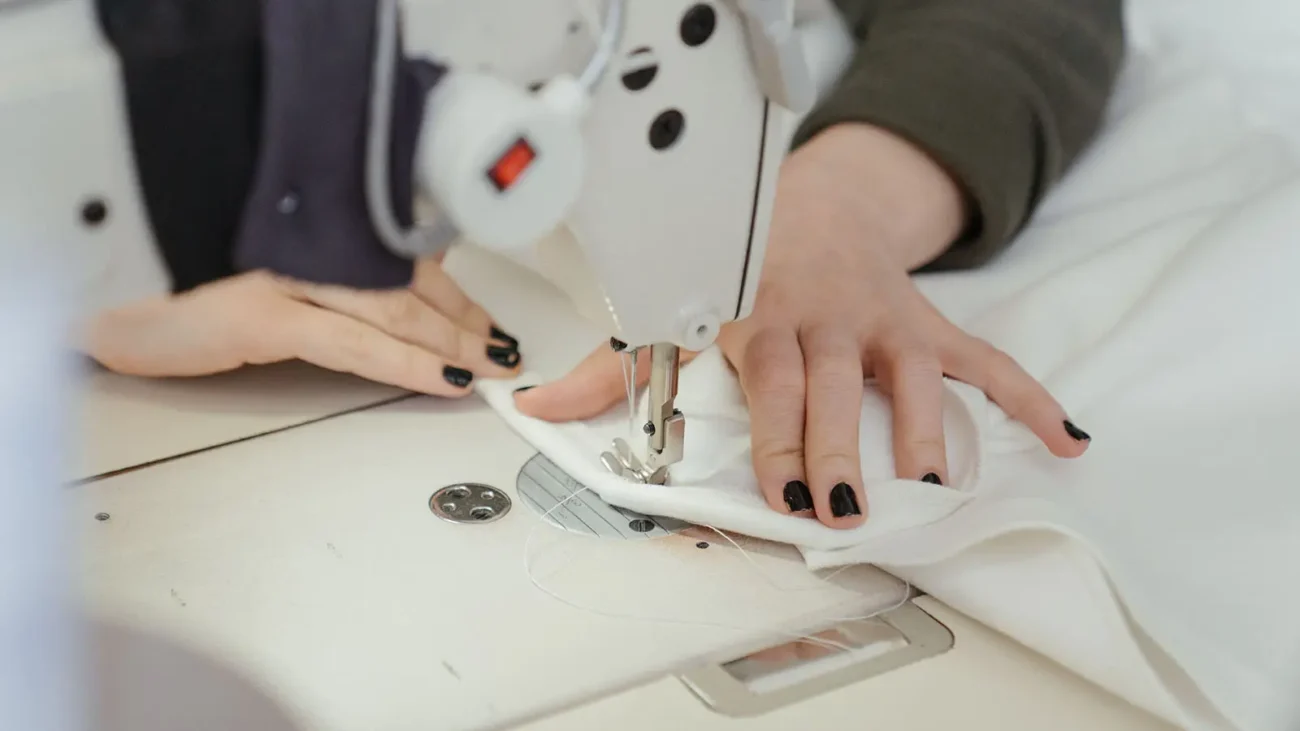
Fabric performance is closely connected with garment safety.
During product development, manufacturers usually review:
For example, baby pajamas, bodysuits, and outerwear may require different material considerations.
A lightweight cotton fabric may provide excellent comfort for daily wear, but another fabric construction may be more suitable when durability or specific performance requirements are needed.
This is why material selection should happen together with product planning instead of being decided only by appearance.
An experienced baby clothing manufacturer can help brands select practical materials based on:
Labels are small details, but they are an important part of baby clothing compliance.
Incorrect labeling can create problems even when the garment itself is well manufactured.
For international baby clothing brands, labels need to provide accurate product information and match the actual garment.
Brands usually need to confirm:
For example, if a product is marketed as organic cotton baby clothing, the material information should match supporting documents.
Accurate labeling helps:
Baby clothing is washed frequently, so care information directly affects customer experience.
Incorrect washing instructions may lead to:
During production preparation, manufacturers usually review care labels together with fabric specifications.
For private label brands, this step is especially important because labels represent the brand identity.
A reliable private label baby clothing manufacturer should help review label information before bulk production.
Safety is not only related to materials and testing.
The design and construction of a garment can also affect product safety.
During development, manufacturers need to review:
Some designs may look attractive but require adjustment before production.
Common examples include:
For example, a design created for visual appeal may not consider how babies move, crawl, or sleep.
A garment needs to be comfortable while also maintaining safe construction.
Manufacturing experience helps identify these problems before bulk production.
Sampling is not only about checking whether the product looks correct.
It is also an opportunity to evaluate:
During sample approval, brands and factories can discuss improvements before large quantities are produced.
This reduces the risk of expensive modifications after production begins.
Quality control is one of the final steps protecting product consistency before shipment.
However, effective quality management does not start at the end.
A reliable China baby clothing factory should include safety checks as part of daily quality control instead of treating baby clothing compliance as a final inspection task.
Quality control may include several stages.
Before production starts, factories check whether incoming materials match approved specifications.
This may include:
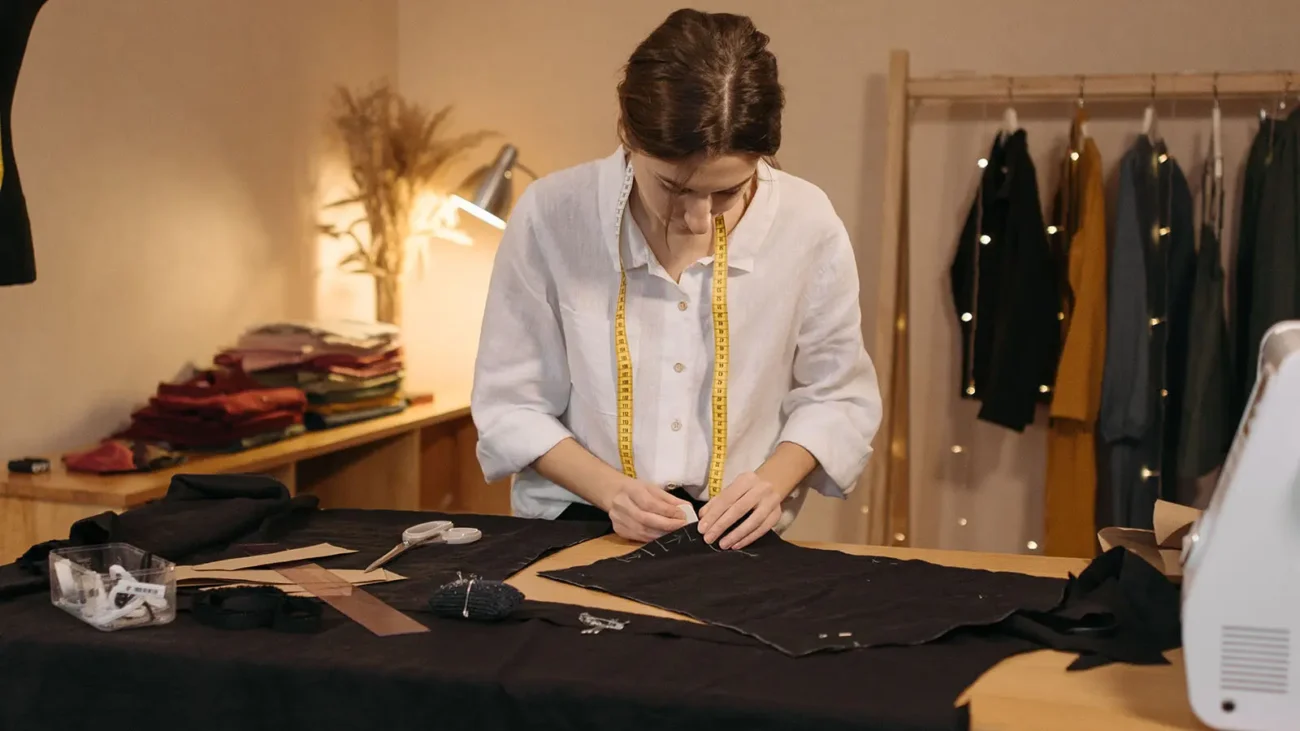
During production, teams monitor:
Before shipment, manufacturers review:
For international buyers, this process helps reduce unexpected quality issues after delivery.
Depending on market requirements, brands may request additional testing.
Testing may include:
Independent testing can provide additional confidence when products enter new markets.
Modern baby clothing production requires more than manufacturing capability.
International brands increasingly care about supply chain transparency.
Documentation helps show:
For brands, proper documentation supports:
A factory with organized production records can respond more efficiently when buyers need information.
This becomes especially important for brands developing:
When selecting a supplier, brands should evaluate more than production capacity and price.
Important questions include:
A reliable manufacturing partner should help brands reduce risks from product development to final shipment.
China Baby Clothing Factory (CBCF) works with international brands developing customized baby apparel collections.
The factory focuses on practical manufacturing support, including:
Before production begins, CBCF works with brands to review:
CBCF supports brands that need a reliable baby clothing manufacturer for custom projects, private label collections, and long-term production cooperation.
For brands creating customized baby apparel collections, the custom baby clothing manufacturing service provides support from product concepts to finished production.
Brands can learn more about manufacturing capabilities through the CBCF factory introduction.
Additional production knowledge and baby apparel development information are available through baby clothing manufacturing insights.
Many baby brands expand their product lines after establishing their first collections.
For companies developing children’s apparel, Clothing Factory X (CFX) provides broader custom apparel manufacturing solutions.
Brands moving from baby products into children’s clothing can explore China Kids Wear Factory (CKWF) for kids apparel manufacturing support.
For brands developing complete infant product collections, China Baby Accessories Factory (CBAF) provides baby accessory manufacturing solutions.
For companies requiring sourcing coordination and international supply chain support, Joyo Roy provides manufacturing and export support.
The required standards depend on the target market, product category, and retailer requirements.
Common areas include:
Brands should confirm requirements before production begins.
Brands should evaluate more than price and MOQ.
Important factors include:
A reliable China baby clothing factory should be able to explain how safety requirements are managed during production.
In many cases, products with stronger safety requirements may involve additional costs.
These costs may come from:
However, these steps help brands reduce product risks and build stronger customer trust.
Many safety problems are discovered during production rather than during design.
Experienced manufacturers understand common issues and can suggest improvements before they become expensive mistakes.
Meeting Baby Clothing Safety Standards requires more than creating attractive designs.
Safe baby apparel depends on every stage of manufacturing:
For international baby brands, choosing the right manufacturing partner can make product development smoother and reduce compliance risks.
A reliable baby clothing manufacturer helps brands balance safety requirements, product quality, design goals, and market expectations.
By working with an experienced China baby clothing factory, brands can develop safer baby apparel collections with stronger production control and greater confidence in global markets.

 scan wechat qrcode