20% Off for New Inquiries – Today Only!
20% Off for New Inquiries – Today Only!
Many baby brands start looking for organic cotton products because customers are paying more attention to fabric safety, sustainability, and responsible sourcing.
However, when a brand moves from product ideas to actual manufacturing, the biggest challenge is usually not finding organic cotton fabric.
The difficult part is making sure the entire production process meets the requirements of GOTS Organic Cotton Baby Clothing.
A factory producing GOTS-certified baby apparel needs to control much more than the fabric itself. Material sourcing, supplier documents, production methods, and manufacturing records all need to work together.
Many new brands misunderstand one important point:
Organic cotton fabric does not automatically mean the finished garment is GOTS certified.
The certification applies to the complete textile supply chain, from raw materials to processing and final production.
For brands working with an organic cotton baby clothing manufacturer, understanding how GOTS production works before placing an order can help avoid certification issues, unexpected costs, and production delays.
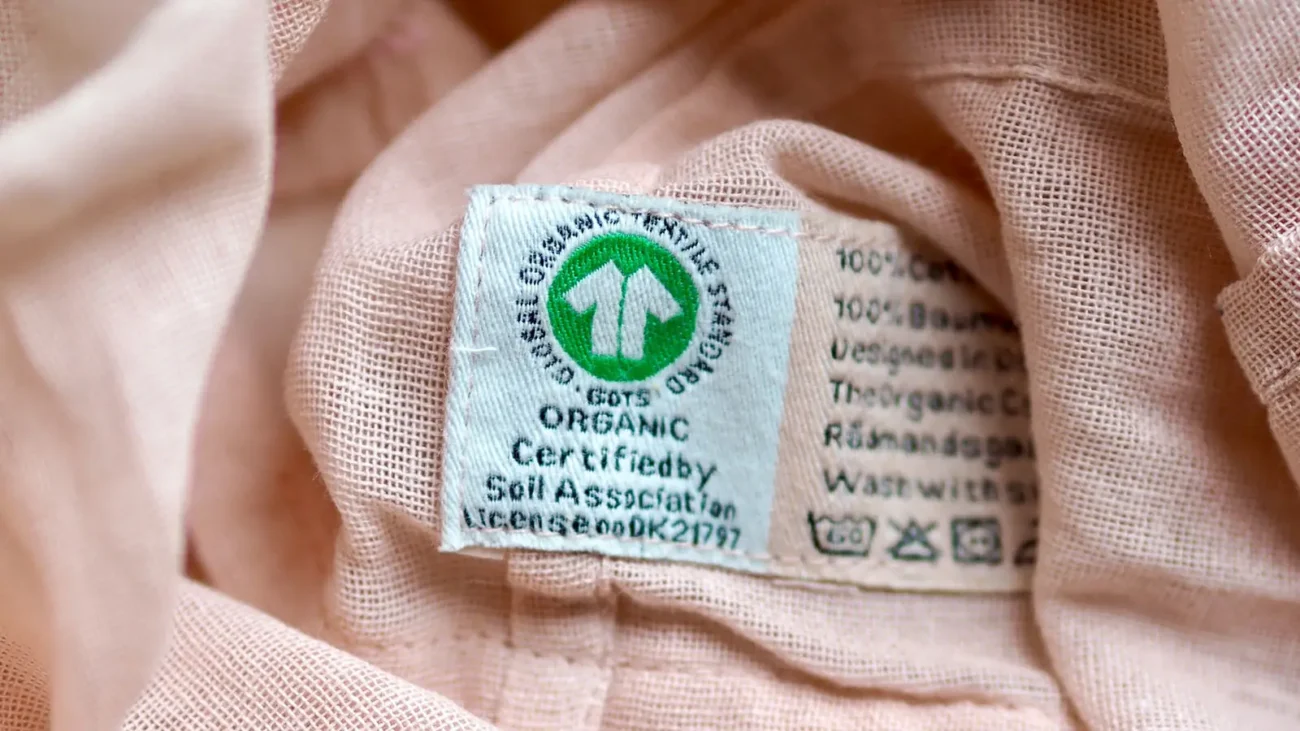
The main difference between standard baby clothing and GOTS-certified products is the level of control required throughout production.
In regular garment manufacturing, brands usually focus on:
For GOTS Organic Cotton Baby Clothing, manufacturers also need to consider:
According to the Global Organic Textile Standard (GOTS), certification covers the entire textile production process rather than only the organic fiber itself.
This means a garment cannot become GOTS certified simply because the fabric supplier provides organic cotton material.
The factory must also ensure that production procedures follow the required standards.
One of the most common misunderstandings among new baby brands is confusing certified fabric with certified clothing.
For example:
A brand purchases GOTS-certified organic cotton jersey fabric.
The fabric itself may meet the requirements.
However, during garment production, the factory still needs to manage:
Only when the complete process follows the standard can the finished product qualify as GOTS certified.
This is why brands should work with a GOTS certified baby clothing manufacturer that understands the complete production process.
The demand for sustainable baby products has grown because consumers are becoming more careful about what materials come into contact with their children.
Baby clothing is a special category because garments are often worn directly against sensitive skin.
Brands choosing GOTS-certified production usually focus on three areas.
Parents increasingly want to know:
A recognized certification gives brands a stronger way to communicate product information.
However, certification should work together with manufacturing quality.
A soft fabric alone does not create a successful baby product.
The final garment also depends on:
Many retailers and distributors now request more transparency from suppliers.
For sustainable baby collections, buyers may ask for:
Working with an experienced organic cotton baby clothing manufacturer makes this process easier because the factory understands what information international buyers need.
For many brands, organic baby clothing is not only a product decision.
It is part of their long-term positioning.
Companies often use sustainable materials to build collections focused on:
For these brands, GOTS certification can support a stronger market message.
Producing GOTS Organic Cotton Baby Clothing requires more planning than standard baby apparel production.
A professional factory usually starts by reviewing the project before bulk manufacturing begins.
The early discussion normally includes:
This stage is important because some decisions made during development can affect whether the product can meet certification requirements.
The first manufacturing challenge is usually material sourcing.
A factory needs to confirm:
For a China baby clothing factory, maintaining a reliable certified supply chain is essential.
Organic cotton availability can vary depending on:
For example, a brand requesting a special organic cotton color may need additional development time compared with choosing an existing certified fabric option.
The OEKO-TEX Standard 100 is also commonly considered by baby clothing brands when evaluating textile safety.
GOTS and OEKO-TEX are often mentioned together, but they focus on different areas.
GOTS mainly focuses on organic textile processing, environmental requirements, and supply chain standards.
OEKO-TEX Standard 100 focuses on testing textiles for harmful substances.
Many baby brands consider both types of standards when developing safer products.
Another area that brands often overlook is accessories.
A baby garment is not made from fabric alone.
Manufacturers also need to consider:
A garment may use certified organic cotton but still require careful review of other components used during production.
For example, labels and accessories may need to meet specific requirements depending on the certification scope and product design.
This is one reason why GOTS production requires stronger communication between:
Traceability is one of the most important parts of GOTS manufacturing.
During production, the factory needs to understand:
This is especially important for factories producing both conventional and certified garments.
A reliable manufacturing system should prevent certified materials from being mixed with standard materials.
For brands, this provides greater confidence that the final product matches the original certification requirements.
Although GOTS-certified baby clothing has strong market potential, the manufacturing process requires more preparation than standard apparel production.
From a factory perspective, most challenges happen in three areas:
Understanding these challenges helps brands create more realistic production plans.
One question many new brands ask is why sustainable baby clothing often requires a higher MOQ.
The reason is not only the fabric price.
GOTS production usually involves additional planning requirements, including:
For example, a factory producing conventional cotton baby clothing may have more flexible material options.
However, for GOTS Organic Cotton Baby Clothing, the factory needs to confirm that the selected fabric, production process, and supporting documents meet certification requirements.
This can affect:
For startups, the solution is usually not avoiding certification completely.
A better approach is discussing production strategy with an experienced custom baby clothing manufacturer.
Possible options include:
Many brands want unique designs, but customization can add complexity.
Common examples include:
Each additional customization step may require more development work.
For example, a brand requesting a completely new organic cotton fabric color may need:
A factory with experience in GOTS certified baby clothing manufacturer projects can help brands decide which custom features are practical and which may create unnecessary delays.
Certification is important, but it is only one part of successful manufacturing.
A factory may have access to certified materials, but the production team also needs experience handling:
For overseas buyers, choosing a partner is not only about asking:
“Do you have GOTS?”
The better questions are:
These questions reveal whether a factory truly understands certified production.
Before choosing a manufacturer, brands should discuss several practical points.
A reliable supplier should be able to explain:
Brands should understand how the manufacturer handles:
GOTS projects may require different quantities depending on:
Discussing MOQ early prevents surprises later.
For brands creating unique collections, the manufacturer should be able to support:
China Baby Clothing Factory (CBCF) works with international brands developing baby apparel collections, including sustainable and customized products.
For GOTS-related projects, production usually starts with understanding the brand’s product goals.
Before bulk manufacturing, the factory needs to review:
CBCF supports brands through different stages of development, including:
For brands developing customized collections, the custom baby clothing manufacturing service provides support from product concept to production.
Brands can also learn more about CBCF’s production experience through the factory introduction.
Additional information about baby apparel development and manufacturing can be found through baby clothing manufacturing insights.
Many baby brands start with organic cotton products and later expand into additional categories.
As collections grow, brands may need support for:
For brands expanding beyond baby clothing, Clothing Factory X (CFX) provides broader custom apparel manufacturing solutions.
Brands developing older children’s collections can explore China Kids Wear Factory (CKWF) for children’s clothing production.
For complete infant product lines, China Baby Accessories Factory (CBAF) provides manufacturing solutions for baby accessories.
For sourcing coordination and international supply chain support, Joyo Roy helps brands connect with manufacturing resources.
GOTS Organic Cotton Baby Clothing refers to baby apparel produced under the requirements of the Global Organic Textile Standard.
The certification covers more than organic cotton fabric.
It also involves:
No.
Organic cotton refers to the fiber material.
GOTS certification applies to the complete production process, including manufacturing and documentation.
A garment using organic cotton does not automatically become GOTS certified.
Brands should evaluate:
A good manufacturing partner should understand both certification requirements and practical production challenges.
Yes.
However, small brands should plan carefully.
Important factors include:
Working with an experienced organic cotton baby clothing manufacturer can help startups choose a realistic approach.
It can increase costs because of:
However, many brands choose GOTS production because it supports premium positioning and stronger customer trust.
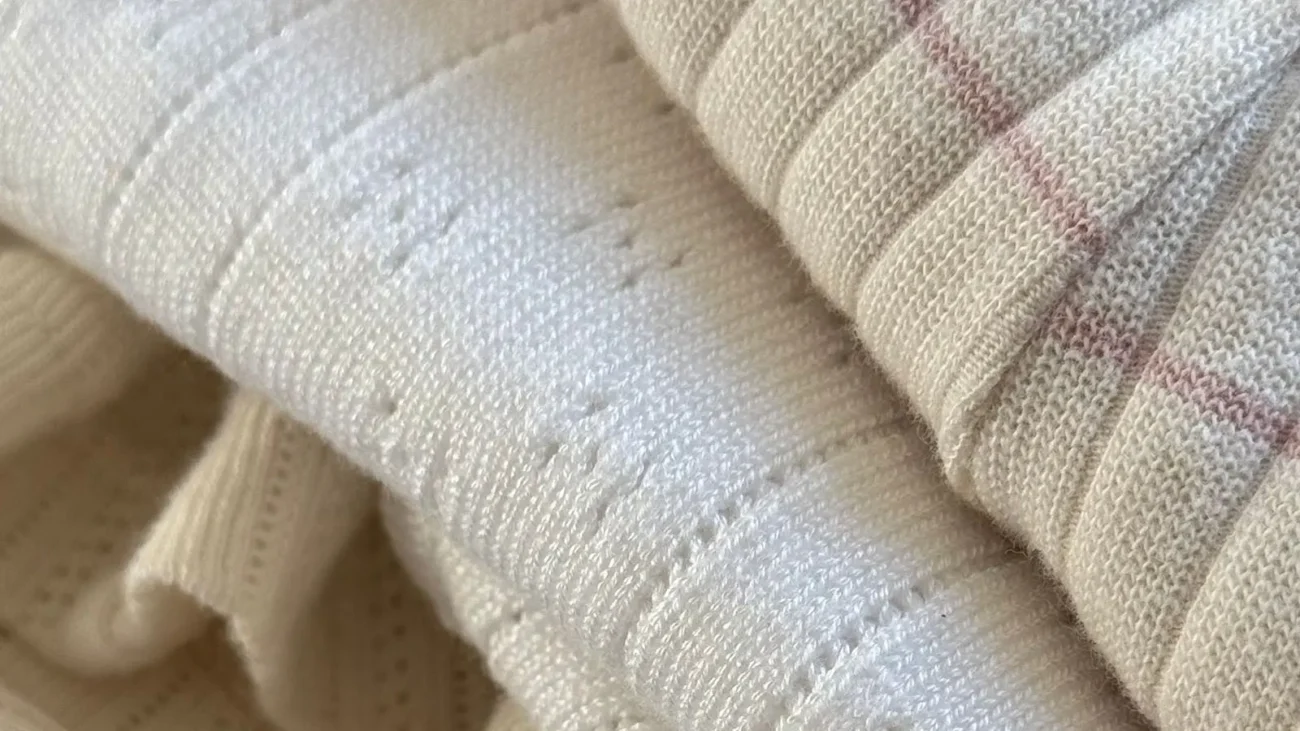
Producing GOTS Organic Cotton Baby Clothing requires more than purchasing organic cotton fabric.
The real challenge is managing the complete production process:
For baby brands, choosing the right manufacturing partner can determine whether a sustainable product launch runs smoothly.
A factory with GOTS production experience can help brands balance certification requirements, product quality, MOQ expectations, and commercial goals.
By working with a reliable China baby clothing factory, brands can develop organic baby clothing collections with stronger supply chain control and greater confidence for international markets.

 scan wechat qrcode