20% Off for New Inquiries – Today Only!
20% Off for New Inquiries – Today Only!
The baby apparel market is changing quickly as brands face higher expectations from consumers, stricter safety requirements, and more complex supply chain challenges.
For international baby brands, choosing the right manufacturing strategy is becoming more important than ever. A reliable baby clothing manufacturer is no longer only responsible for producing garments. Manufacturers are now expected to support product development, material selection, quality control, sustainability requirements, and long-term supply chain planning.
In 2027, successful baby clothing brands will need to work with suppliers that understand changing market demands and can provide flexible production solutions.
From sustainable fabrics and advanced textile technology to smaller production runs and stronger compliance standards, the future of baby clothing manufacturing will focus on quality, responsibility, and innovation.
For brands sourcing from a baby clothing factory China, understanding these trends can help improve product decisions, reduce production risks, and build stronger relationships with manufacturing partners.
This article explores 10 important baby clothing manufacturing trends that global brands should watch in 2027.
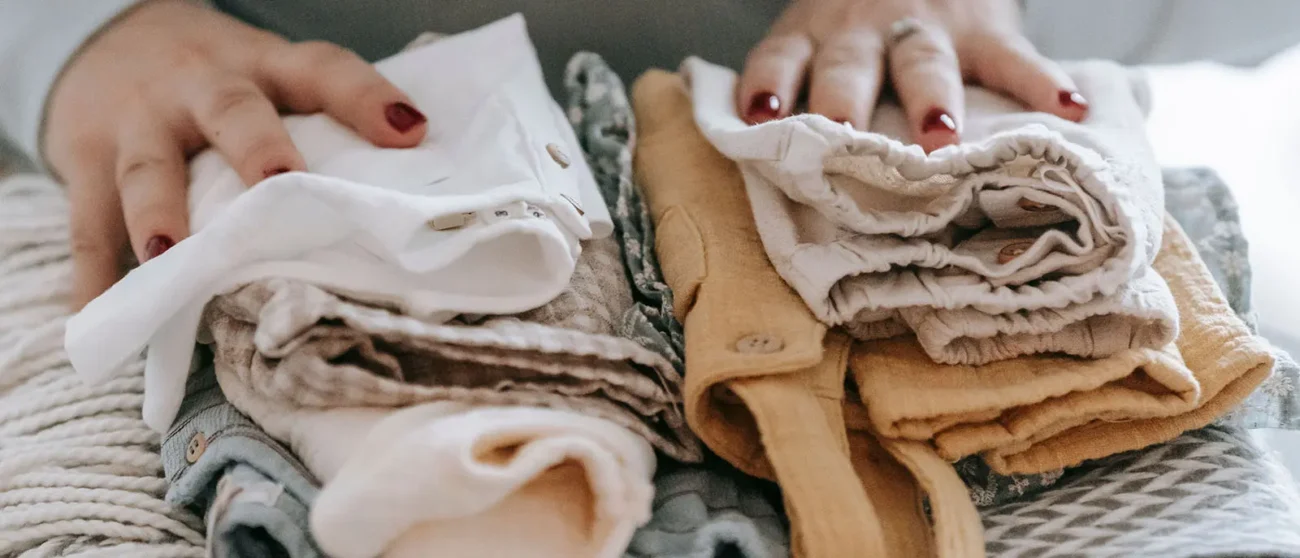
The baby apparel industry has always required higher standards compared with regular clothing categories.
Parents expect baby products to be:
At the same time, baby brands face new challenges:
A professional baby apparel manufacturer must understand these changes and help brands develop products that meet both consumer expectations and market regulations.
For brands, selecting the right manufacturing partner is becoming a strategic decision rather than only a purchasing decision.
Sustainability has moved from a marketing advantage to an important purchasing factor.
More baby brands are choosing environmentally responsible materials because consumers increasingly care about where products come from and how they are made.
Organic cotton continues to be one of the most popular choices for baby apparel.
Benefits include:
Many brands also look for certified materials to support product credibility.
For example, Global Organic Textile Standard (GOTS) provides internationally recognized requirements for organic fibers and responsible textile processing.
Beyond organic cotton, manufacturers are also developing products using:
A capable baby clothing manufacturer should help brands balance sustainability goals with production performance.
The baby apparel market is becoming more competitive.
Instead of selling generic products, many brands are building unique collections through custom baby clothing manufacturing.
Private label baby clothing allows brands to create products with:
This approach helps companies differentiate themselves in crowded markets.
A professional custom baby clothing manufacturer can support brands from initial concepts through final production.
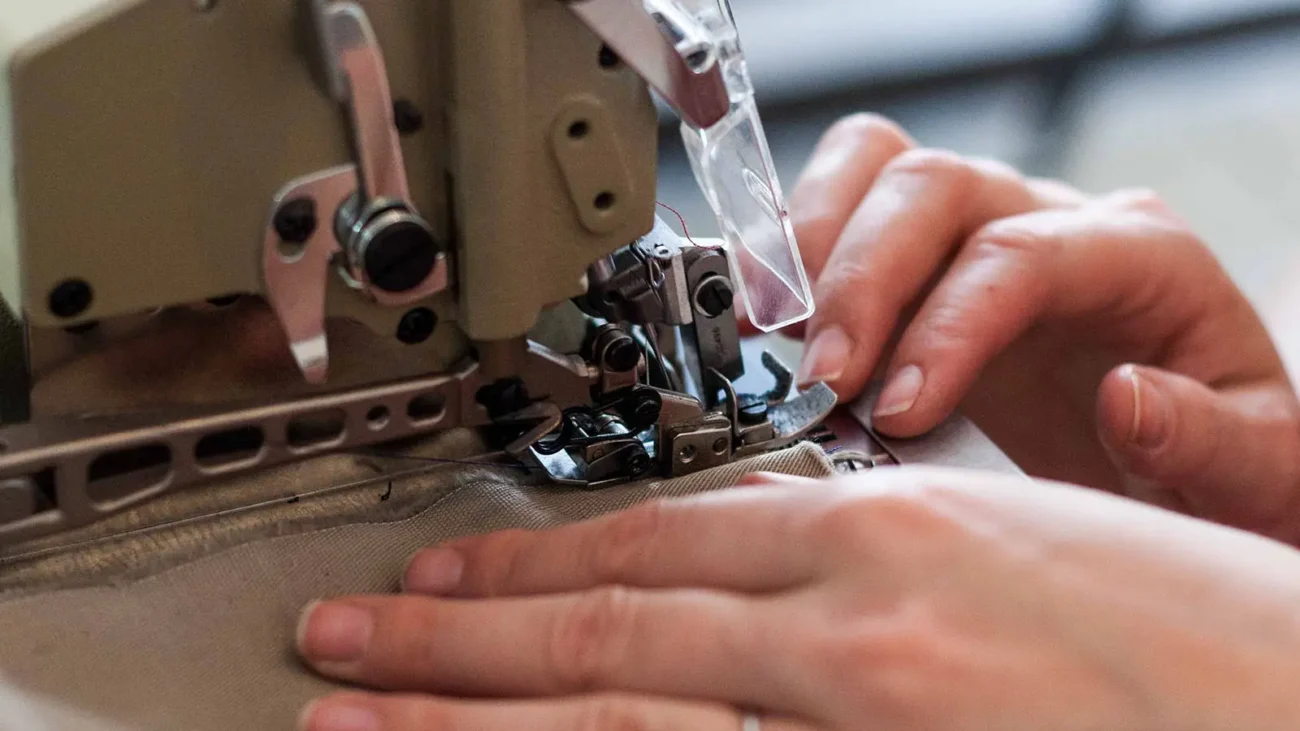
OEM and ODM services are becoming increasingly valuable.
An OEM baby clothing manufacturer can produce garments according to brand specifications.
ODM services provide additional support, including:
For brands without large internal product teams, working with an experienced manufacturing partner can reduce development challenges.
Brands looking for custom product development support can explore CBCF customization services.
Baby products require strict attention to safety.
In 2027, compliance will continue to influence how manufacturers select materials and develop products.
Important considerations include:
Textile testing standards such as OEKO-TEX® Standard 100 help brands verify that materials meet safety requirements.
Different markets have different regulations.
For example:
Experienced manufacturers help brands understand production requirements before bulk manufacturing begins.
The traditional apparel industry often focused on large-volume orders.
However, many emerging baby brands now require more flexible solutions.
Start-up brands often need:
A flexible baby clothing factory China partner can help new brands reduce inventory risks.
Smaller production runs allow brands to:
This approach is becoming increasingly common among online brands and growing retailers.
Fabric technology continues to influence baby clothing development.
Modern baby apparel is expected to provide both comfort and functional benefits.
Manufacturers are exploring fabrics with:
These features are especially important for:
Advanced materials allow brands to create products that combine:
A knowledgeable baby apparel manufacturer can recommend suitable materials based on product requirements.
Technology is improving communication between brands and manufacturers.
Digital tools help simplify:
Traditional development cycles can take significant time.
Digital communication allows brands and factories to:
For international buyers, efficient communication is essential.
Manufacturers that provide clear updates and professional support can help brands avoid delays during development.
Quality control has always been important in baby apparel production.
However, as competition increases, strong quality systems are becoming a major advantage.
Professional manufacturers monitor different stages:
The goal is not only producing one good sample.
The challenge is maintaining the same quality throughout bulk production.
A reliable baby clothing manufacturer should have systems that ensure consistency from the first piece to the final shipment.
Brands increasingly want to understand how products are made.
Transparency helps companies build trust with customers.
Brands are paying more attention to:
Certifications and audits can support responsible sourcing decisions.
For more information about factory capabilities and manufacturing experience, brands can review CBCF factory information.
Future supply chains will focus more on:
Manufacturers with organized supply chain systems will have stronger advantages.
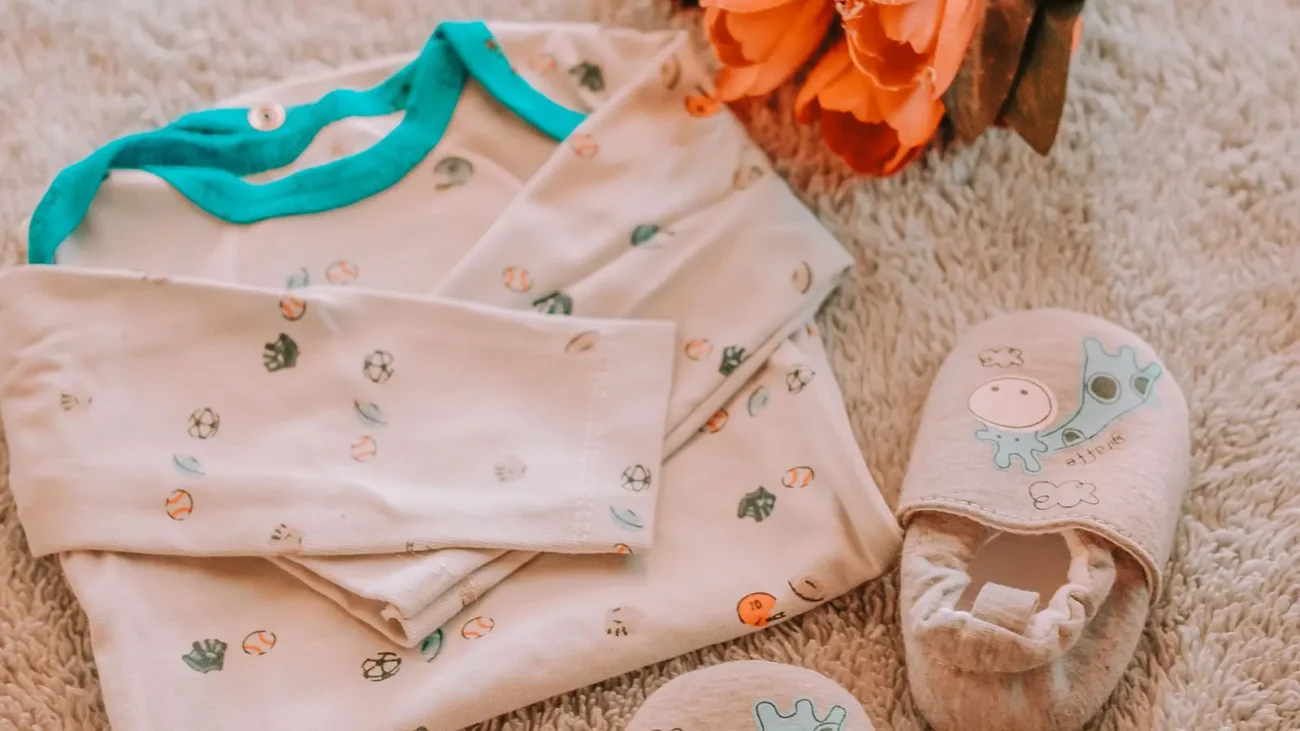
Many brands are moving beyond individual products.
Instead of only selling baby clothing, companies are developing complete baby lifestyle collections.
Collections may include:
Brands may also expand into:
For companies expanding beyond baby clothing, related manufacturing resources include:
Broader apparel development support is also available through Clothing Factory X apparel manufacturing solutions.
In the past, many brands selected suppliers mainly based on price.
However, long-term success requires stronger partnerships.
The ideal supplier should provide:
A trusted baby clothing factory China partner can help brands respond to market changes more effectively.
Long-term cooperation allows manufacturers and brands to improve:
The future of baby apparel manufacturing will focus on collaboration.
Brands will increasingly rely on manufacturers that can provide:
China Baby Clothing Factory (CBCF) works with international brands to provide professional baby apparel manufacturing solutions, from product development to bulk production.
Brands can also explore more industry knowledge through CBCF baby clothing manufacturing insights.
The main trends include:
A professional manufacturer helps brands improve product quality, reduce production risks, and develop competitive products.
Yes. More brands are using organic and responsible materials to meet consumer expectations and market requirements.
A professional OEM supplier should support:
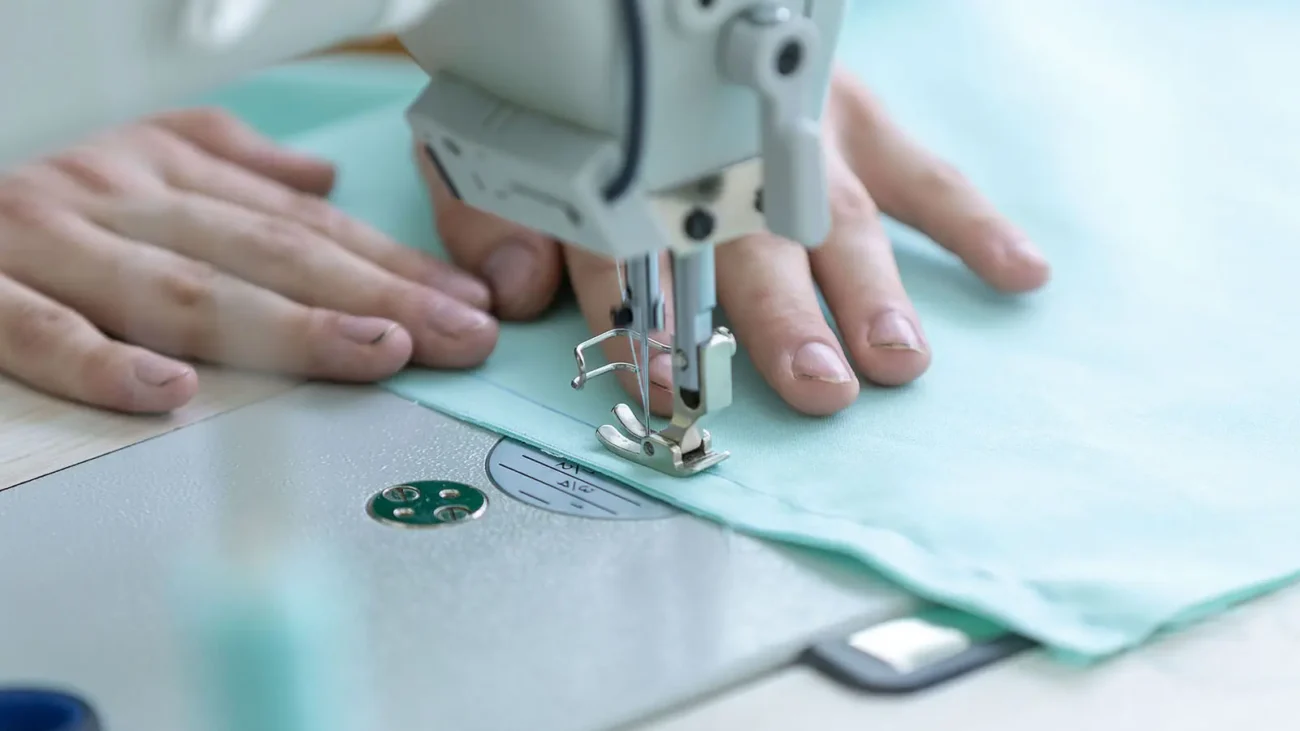
The baby apparel industry is entering a new stage where quality, sustainability, and manufacturing expertise are becoming more important.
For international brands, working with an experienced baby clothing manufacturer can provide the support needed to develop better products and build reliable supply chains.
The brands that succeed in 2027 will not only choose suppliers based on price. They will choose manufacturing partners that understand innovation, safety, customization, and long-term growth.
By working with a professional baby clothing factory China, brands can create high-quality baby apparel collections that meet the expectations of modern consumers.

 scan wechat qrcode