20% Off for New Inquiries – Today Only!
20% Off for New Inquiries – Today Only!
Finding the right supplier is one of the most important decisions for international baby brands.
A reliable baby clothing manufacturer is not only responsible for producing garments but also plays an important role in product development, material selection, quality control, and supply chain management.
For brands entering the baby apparel market, China has become a major sourcing destination because of its mature textile industry, experienced manufacturing teams, and flexible production capabilities.
However, choosing a suitable supplier is not simply about finding a factory with competitive pricing.
International brands need to evaluate many factors, including:
Baby clothing requires higher standards than many other apparel categories because products are designed for infants and toddlers. Comfort, safety, durability, and consistency are essential for building customer trust.
A professional baby clothing factory China partner should be able to support brands from the first design idea through sampling, bulk production, and shipment.
This guide explains 10 essential steps international brands should follow when selecting the right baby clothing manufacturer in China.
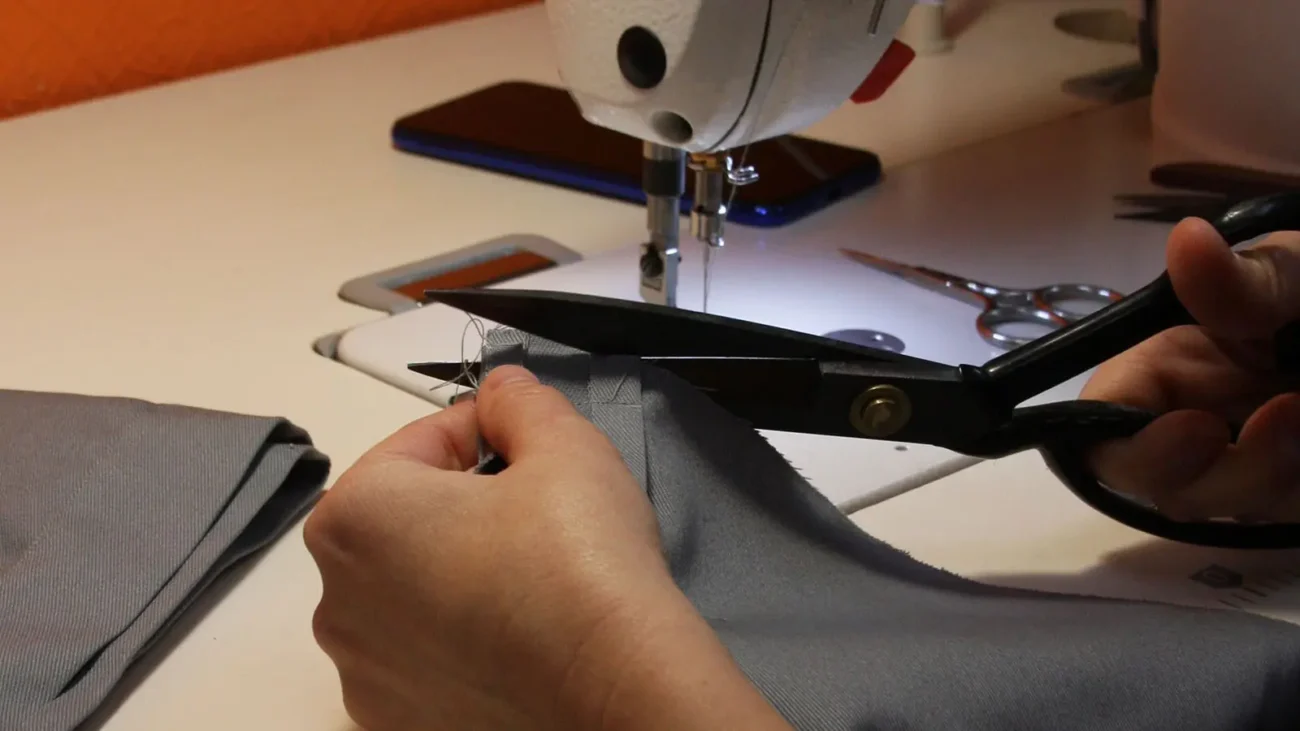
The right manufacturing partner can directly influence product quality, production efficiency, and brand reputation.
A professional baby apparel manufacturer provides more than sewing services. Experienced suppliers support the complete manufacturing process, including:
Many problems in baby clothing production happen before bulk manufacturing starts.
Common challenges include:
Working with an experienced manufacturer helps brands reduce these risks and create products that meet customer expectations.
For international buyers, a reliable supplier should act as a long-term manufacturing partner rather than only a production source.
Before searching for suppliers, brands should clearly understand their product requirements.
A manufacturer can provide better recommendations when they know:
Clear requirements also make supplier comparison more efficient.
Baby apparel includes many product types, such as:
Different products require different production experience.
For example, baby bodysuits require attention to:
Baby outerwear requires more focus on:
Choosing a manufacturer familiar with your product category can improve development efficiency.
Fabric selection is one of the most important decisions in baby clothing manufacturing.
Brands should consider:
Professional manufacturers can help evaluate:
For baby products, textile safety is especially important.
Standards such as OEKO-TEX® Standard 100 help verify that textiles are tested for harmful substances.
For brands developing organic collections, Global Organic Textile Standard (GOTS) provides internationally recognized requirements for organic fibers and responsible textile processing.
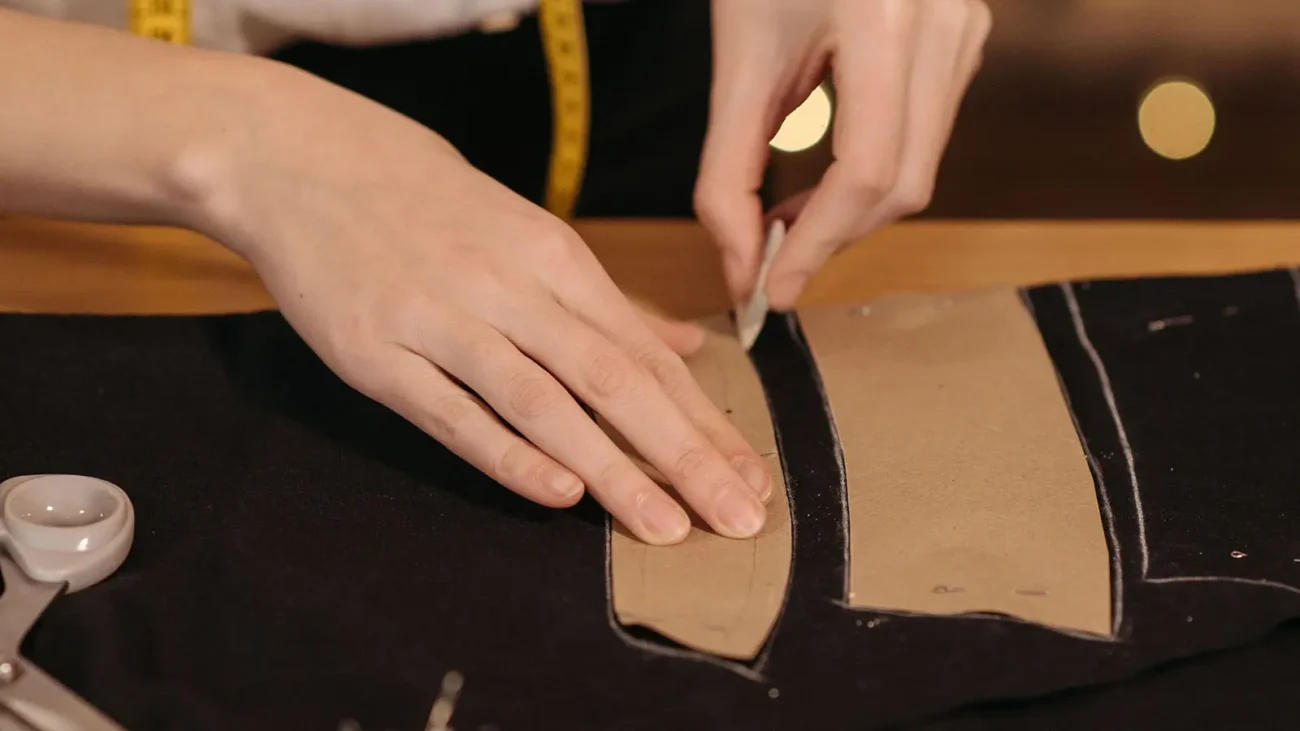
Different markets have different expectations.
For example:
An experienced baby clothing manufacturer should understand different market requirements and provide suitable production solutions.
Not every supplier provides the same services.
Brands should understand the difference between different types of manufacturers before choosing a partner.
A direct baby clothing factory China supplier manages the manufacturing process internally.
Working with a factory provides advantages such as:
Brands should review:
An OEM baby clothing manufacturer produces garments based on brand specifications.
OEM services usually include:
OEM manufacturing is suitable for brands that already have product concepts and need professional production support.
An ODM or custom baby clothing manufacturer provides additional development assistance.
Services may include:
For new brands, ODM support can help shorten the product development process.
Experience is one of the most important factors when selecting a supplier.
A manufacturer with extensive baby apparel experience understands:
Brands should review:
A factory specializing in baby clothing usually has better knowledge of:
For more information about manufacturing capabilities and company background, brands can review the CBCF factory experience and manufacturing capabilities.
Professional manufacturers should support more than bulk production.
Development services may include:
This support helps brands create products that are attractive and commercially practical.
Brands should confirm whether a factory can support their order requirements.
Important factors include:
A suitable partner should support both small development orders and future business growth.
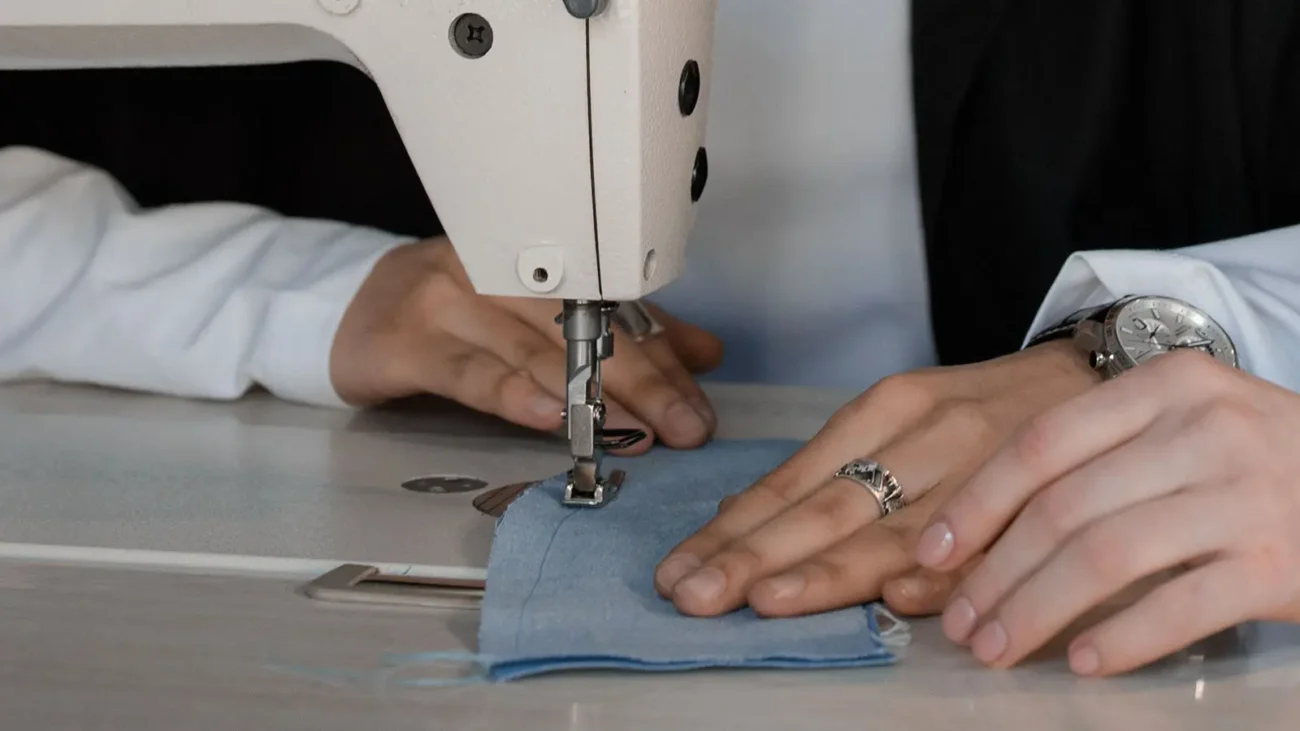
Baby products require careful attention to safety and compliance.
Before cooperation, brands should review:
Common certifications include:
These standards help brands communicate product safety and sustainability.
International buyers often evaluate supplier responsibility through audits such as:
Responsible manufacturing practices are becoming increasingly important for global brands.
A strong material supply chain is an important advantage for any baby apparel manufacturer.
Experienced suppliers understand how different fabrics perform during production.
Many brands are developing sustainable baby collections using:
A professional manufacturer should balance sustainability, comfort, and production requirements.
Before bulk production, manufacturers should evaluate:
Proper fabric testing reduces quality risks after shipment.
Customization capability is essential for brands building unique products.
A professional OEM baby clothing manufacturer should support:
The sampling stage allows brands to confirm:
A professional manufacturer should provide sample improvements before bulk production.
Many international brands choose private label manufacturing because it allows them to create:
For brands looking for customized product development support, CBCF provides custom baby clothing manufacturing services.
Before placing an order, brands should understand manufacturing conditions.
Important factors include:
MOQ depends on:
Start-up brands may require flexible quantities, while established brands may need larger production capacity.
A typical process includes:
Clear communication helps prevent unnecessary delays.
Quality control is essential in baby clothing manufacturing.
A professional baby clothing factory China should monitor quality throughout production.
Important inspection stages include:
Quality control helps reduce:
International manufacturing requires effective communication.
A reliable supplier should provide:
Experienced manufacturers understand the requirements of overseas buyers.
Good communication is especially important during:
For brands needing broader sourcing and export support, Joyo Roy supply chain solutions provide additional resources.
For brands expanding into other clothing categories, additional manufacturing resources include:
The best supplier relationship is built over time.
A long-term manufacturing partner can help brands improve:
Successful partnerships are based on:
Instead of searching for a supplier for only one order, brands should look for a partner that can support future growth.
Choosing the right supplier is a critical step for international baby brands.
A professional baby clothing manufacturer China partner provides:
China Baby Clothing Factory (CBCF) supports global brands with custom baby apparel manufacturing solutions, helping transform product ideas into production-ready collections.
Brands can also explore more manufacturing insights through the CBCF baby apparel manufacturing insights.
Brands should evaluate:
A supplier should be selected based on overall capability, not only price.
Important questions include:
OEM manufacturers produce according to brand specifications.
ODM manufacturers provide additional development support, including design and product improvement suggestions.
Production time depends on:
Professional manufacturers provide production schedules before bulk orders begin.
Finding the right supplier requires careful evaluation of manufacturing experience, product capability, quality systems, and communication support.
The best baby clothing manufacturer is not only a factory but also a long-term partner that helps brands develop reliable products.
By choosing an experienced baby clothing factory China, international brands can create safe, comfortable, and competitive baby apparel collections while building a stable supply chain for future growth.

 scan wechat qrcode