20% Off for New Inquiries – Today Only!
20% Off for New Inquiries – Today Only!
For baby brands, creating a successful product requires more than an attractive design and suitable fabric.
The real challenge begins when products move from sampling to bulk production.
A professional baby clothing manufacturer understands that maintaining consistent quality during mass production is essential for brand reputation, customer satisfaction, and long-term business growth.
Baby clothing requires higher quality standards because products are designed for sensitive skin and frequent daily use.
Brands need to ensure their products meet expectations for:
Without an effective quality control system, even a well-designed product can face problems such as:
This is why experienced manufacturers perform detailed inspections before and during bulk production.
A reliable baby clothing factory China partner does not only produce garments. They manage quality throughout the complete manufacturing process, including:
This guide explains how a professional baby apparel manufacturer controls quality before bulk production and the key checks brands should understand when selecting a manufacturing partner.
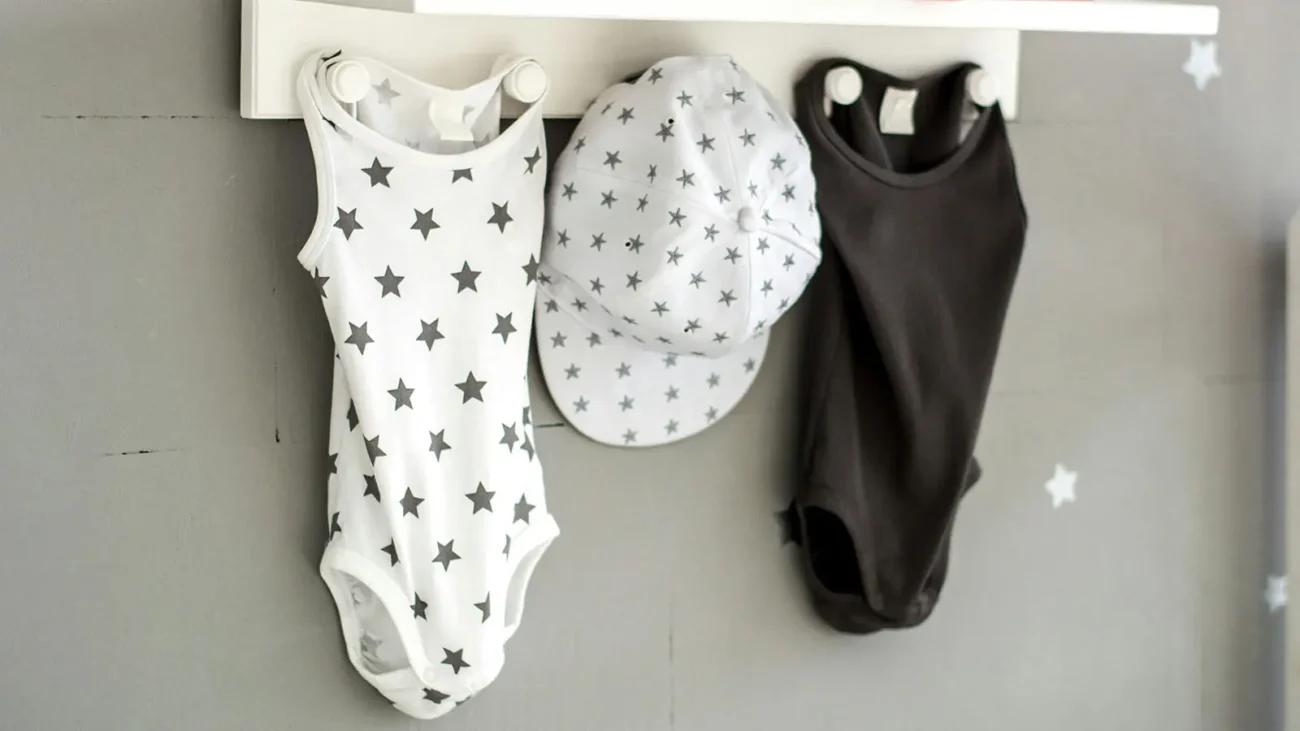
Quality control starts long before products enter the sewing line.
Before bulk manufacturing begins, professional factories review all product requirements to ensure production teams understand the approved standards.
The preparation stage usually includes:
Clear preparation reduces production risks and helps ensure that the final products match the brand’s expectations.
A professional OEM baby clothing manufacturer usually creates a detailed production plan before starting bulk orders.
This allows manufacturers to control:
Fabric is the foundation of every baby clothing product.
Before cutting begins, manufacturers inspect incoming fabrics to confirm they meet the required standards.
A professional baby clothing manufacturer evaluates several important fabric factors.
Manufacturers verify whether the fabric composition matches the approved specification.
Examples include:
Correct fabric composition ensures that products provide the expected comfort and performance.
Before production, fabrics are checked for visible problems such as:
Finding these issues before cutting helps prevent large production losses.
Depending on the product category, manufacturers may evaluate:
For baby apparel, fabric safety is especially important.
Materials certified by OEKO-TEX® Standard 100 help brands verify that textiles meet recognized safety requirements.
For organic baby collections, Global Organic Textile Standard (GOTS) provides standards for organic fibers and responsible textile processing.
The first quality check is confirming that the selected fabric performs according to product requirements.
Manufacturers evaluate:
A fabric that performs well during sampling must also remain stable during large-scale production.
Experienced manufacturers understand that material consistency directly affects final product quality.
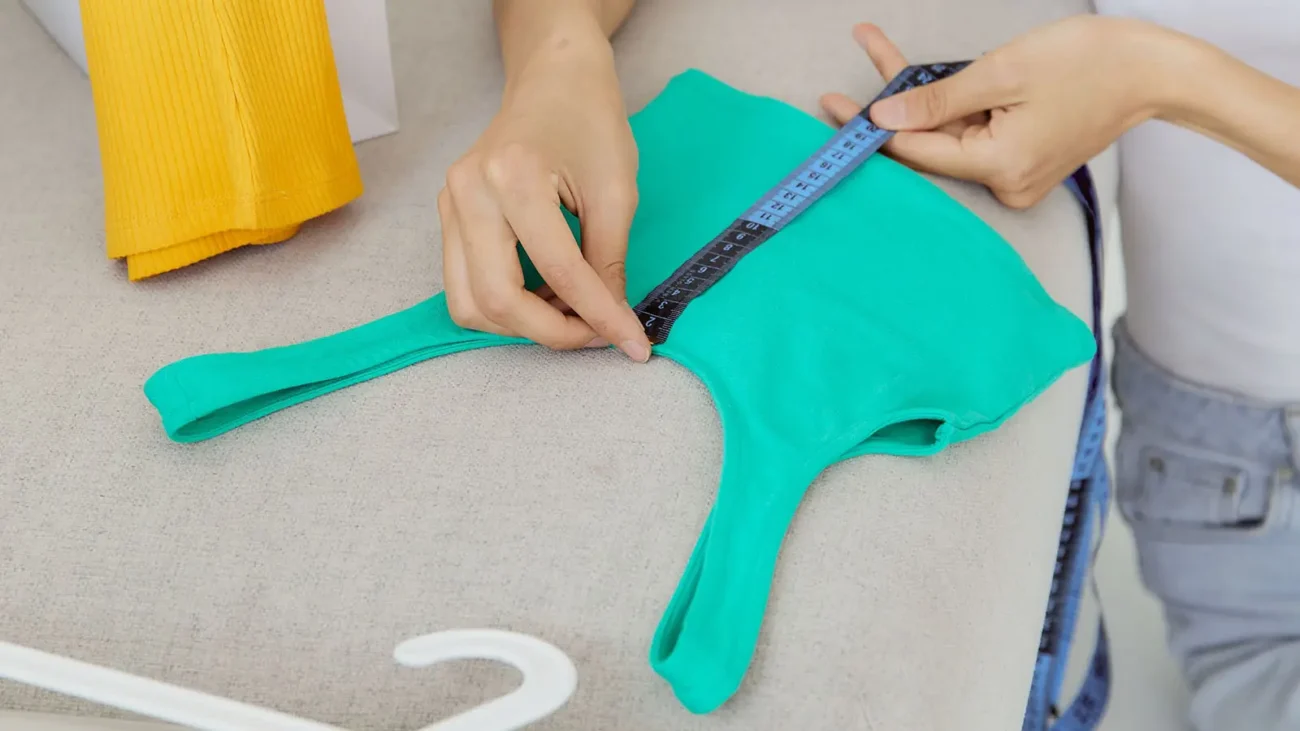
Accurate sizing is critical for baby clothing.
Before and during production, manufacturers compare finished garments against approved measurement charts.
Common measurement points include:
Incorrect measurements can lead to:
A professional OEM baby apparel factory uses measurement control throughout production to maintain consistency between samples and bulk orders.
Cutting accuracy directly affects garment appearance and sizing.
Manufacturers inspect:
Poor cutting can create:
Professional factories use experienced technicians and quality checks to ensure accurate garment construction.
Sewing quality determines product durability and appearance.
During production, quality teams inspect:
For baby clothing, special attention is given to areas with frequent movement, including:
A reliable OEM baby clothing manufacturer ensures sewing standards remain consistent throughout the production process.
Strong seams are important for baby clothing because products are frequently washed and used every day.
During quality control, manufacturers evaluate:
Weak seams can affect product lifespan and customer experience.
A professional baby apparel manufacturer checks whether garments can maintain their structure after repeated use.
This is especially important for products such as:
where seams experience frequent movement and stretching.
Many baby clothing collections include decorative elements such as:
Manufacturers inspect these details to ensure:
For baby products, decorative elements must also consider comfort and safety.
Printing materials should be suitable for baby apparel and should not affect the softness or usability of the garment.
Small components require special attention during baby clothing production.
Manufacturers inspect accessories including:
Quality teams check whether these components are:
Loose accessories can create safety concerns, so professional factories perform strict inspections before shipment.
For brands developing complete baby product collections, specialized baby accessories manufacturing support can help maintain consistent quality across different product categories.
Baby clothing requires frequent washing, so wash testing is an important quality control step.
Manufacturers evaluate how products perform after washing, including:
Wash testing helps identify potential problems before products reach customers.
A professional baby clothing manufacturer understands that a product should not only look good when new but also maintain quality after repeated use.
Packaging is the final protection stage before shipment.
Manufacturers check:
Correct packaging helps prevent damage during transportation and ensures products arrive ready for distribution.
For international brands, accurate packaging also supports smoother warehouse operations and inventory management.
The final inspection is one of the most important quality control stages.
Before bulk orders leave the factory, manufacturers perform final checks based on production standards.
Many factories use AQL (Acceptable Quality Limit) inspection methods to evaluate product quality through sampling.
Final inspection usually covers:
This process helps identify problems before products are shipped to customers.
A professional OEM baby apparel factory uses final inspections to ensure that bulk production matches approved samples and customer requirements.
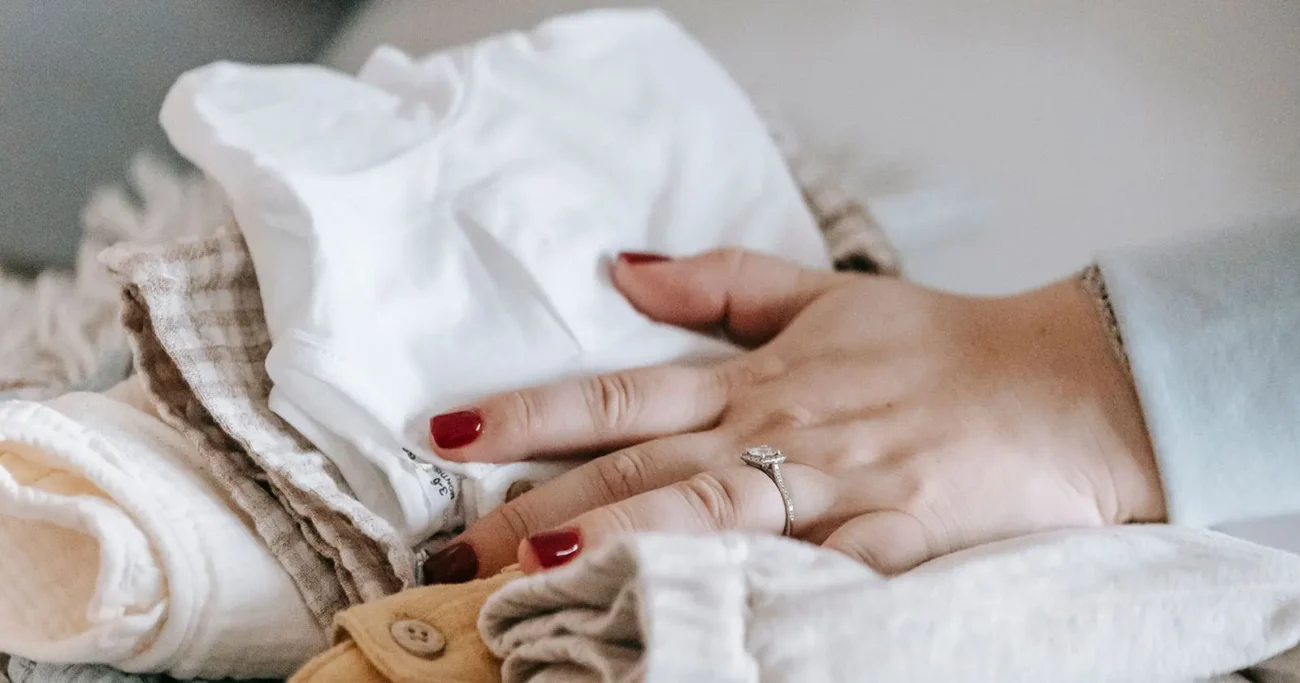
A reliable baby clothing factory China does not depend only on final inspection.
Professional quality management covers every production stage.
The complete quality process usually includes:
This approach allows manufacturers to identify problems earlier and reduce production risks.
For example:
If a fabric problem is discovered during incoming inspection, the factory can solve the issue before cutting begins.
If sewing problems appear during production, quality teams can correct them before completing the entire order.
This proactive approach improves:
Choosing the right manufacturing partner is an important decision for baby brands.
A professional OEM baby clothing manufacturer provides more than production capacity.
They support brands with:
Experienced manufacturers understand the challenges international brands face, including:
China Baby Clothing Factory (CBCF) provides custom baby apparel manufacturing support for global brands, helping customers move from initial concepts to finished products.
Brands can also explore:
For wider apparel production needs, brands can also consider:
For businesses requiring broader supply chain coordination and export support, baby product supply chain solutions can provide additional assistance.
A professional baby clothing manufacturer usually checks:
These inspections help ensure stable quality during bulk production.
A professional baby clothing factory China manages quality through multiple stages, including material inspection, production monitoring, inline checks, and final inspection before shipment.
This system helps reduce defects and maintain consistency between samples and bulk orders.
Baby apparel has higher requirements because products are used close to sensitive skin.
Quality control helps ensure:
An experienced OEM baby clothing manufacturer can provide support with:
This helps brands reduce development risks and create better products.
AQL inspection is a sampling-based quality inspection method used to determine whether a production batch meets acceptable quality standards.
It is commonly used for bulk garment inspections before shipment.
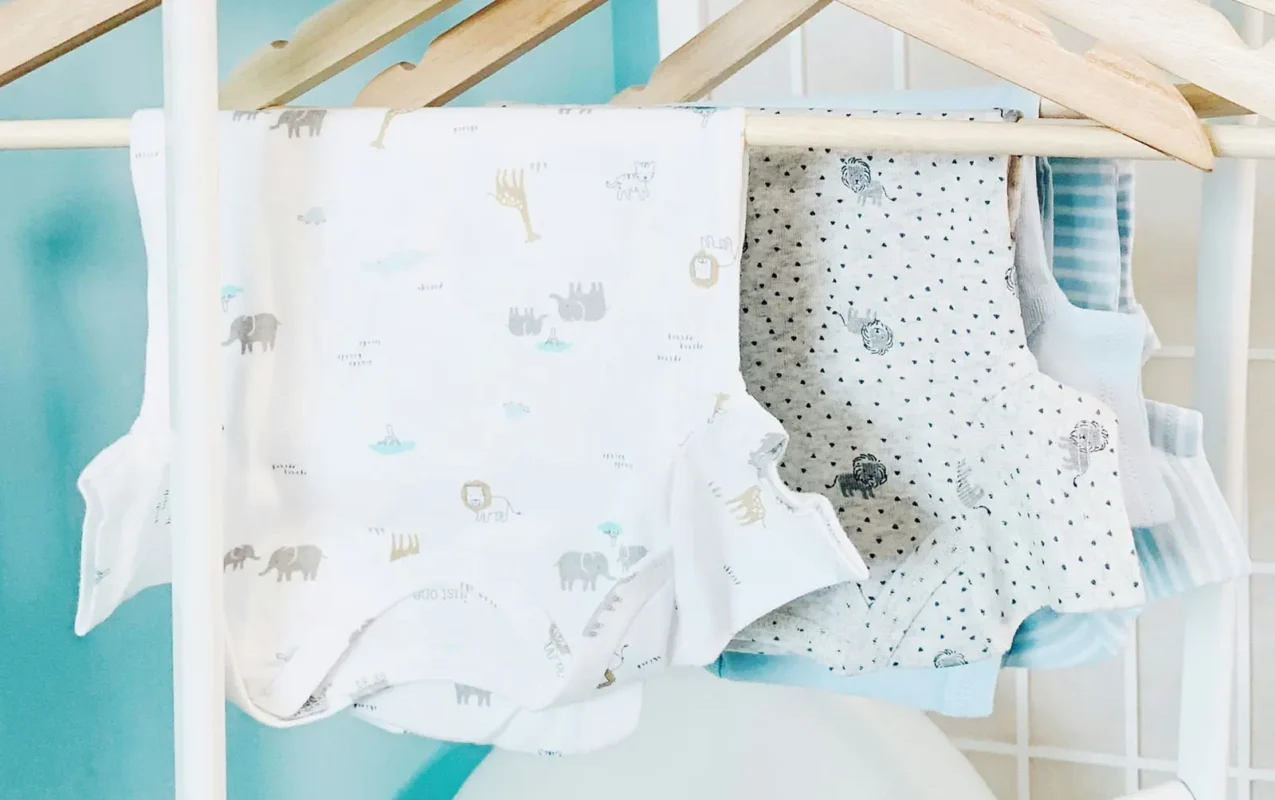
Quality control is the foundation of successful baby apparel manufacturing.
A professional baby clothing manufacturer focuses on every stage of production, from fabric inspection to final shipment.
The most important quality checks include:
For baby brands, choosing an experienced manufacturing partner helps reduce production risks and maintain consistent product quality.
A reliable OEM baby apparel factory combines manufacturing expertise, quality systems, and technical support to transform product ideas into safe, comfortable, and market-ready baby clothing collections.
By partnering with the right baby clothing factory China, brands can build stronger products and develop long-term success in the competitive baby apparel market.

 scan wechat qrcode