20% Off for New Inquiries – Today Only!
20% Off for New Inquiries – Today Only!
The baby apparel market is becoming more competitive, and brands are looking for better ways to create products that customers trust.
In the past, many companies entered the market by purchasing standard baby clothing and adding their own labels. This approach was simple, but it often made it difficult for brands to build a unique identity.
Today, more companies are investing in Private Label Baby Clothing Manufacturing because they want greater control over product design, materials, quality, and brand positioning.
Private label is no longer only about adding a logo to existing products. For many growing baby brands, it means developing collections that match their customers, market expectations, and long-term business goals.
This change is also influencing what brands expect from manufacturing partners. Instead of searching only for a supplier with production capacity, companies are looking for an experienced private label baby clothing manufacturer that can provide product knowledge, customization support, and reliable manufacturing.
The rise of e-commerce has created opportunities for many new baby brands.
Small and medium-sized companies can now reach customers globally through their own websites, online marketplaces, and social media channels. However, this also creates a challenge:
How can a brand stand out when many competitors offer similar products?
Private label provides one effective solution.
By developing their own collections, brands can control:
For baby products, this difference matters.
Parents often make purchasing decisions based on trust. They want products that feel safe, comfortable, and reliable for their children.
A unique product range helps brands create stronger relationships with customers instead of competing only on price.
Many new baby brands start with a simple goal: create products that solve specific customer needs.
Some focus on:
Private label allows these companies to develop products that match their vision instead of choosing from existing supplier catalogs.
Working with the right baby clothing manufacturer gives brands more opportunities to create products that fit their market.
The baby clothing category has many similar products.
Common items such as:
are offered by thousands of suppliers worldwide.
If brands sell the same products as competitors, price becomes the main factor.
Private label helps companies create differentiation through:
This is why many companies prefer working with a private label baby clothing manufacturer instead of purchasing standard products.
The demand for Private Label Baby Clothing Manufacturing continues to grow because brands want more flexibility and control.
Different markets have different expectations.
For example:
A premium European baby brand may focus on organic fabrics and minimalist designs.
A North American brand may prioritize durability and practical features.
A boutique brand may require unique colors and exclusive collections.
A standard product cannot always meet these different requirements.
A professional custom baby clothing manufacturer can help brands develop products based on their target customers.
This includes support with:
Brands can explore custom baby clothing manufacturing solutions to understand how customized products are developed.
Successful baby brands understand that customers in different regions may have different preferences.
Factors that influence product decisions include:
A manufacturer with international experience can help brands adjust products for different markets.
The future of baby apparel manufacturing is being influenced by several important trends.
More brands are moving away from generic products.
Instead of selecting the same styles available to many companies, brands increasingly want customized collections.
Demand is growing for:
A professional custom baby clothing manufacturer helps brands turn ideas into production-ready products.
Many product problems can be avoided during the early development stage.
An experienced manufacturer can help brands evaluate:
This cooperation helps brands create better products before launching them.
Fabric selection is one of the most important factors in baby apparel.
Because babies have sensitive skin, brands pay close attention to:
Many brands are exploring:
A knowledgeable baby clothing manufacturer should understand how different fabrics perform in real products.
Choosing the wrong material can create problems such as:
For international brands, textile safety standards are becoming an important consideration.
Many companies refer to OEKO-TEX® textile safety standards when evaluating fabrics used for baby products.
The growth of online baby brands has changed sourcing requirements.
Many startups do not begin with large production volumes.
They often need to:
This creates demand for flexible suppliers.
A reliable China baby clothing factory should be able to support both new brands and established companies.
Small brands often need partners who understand their growth stage.
A suitable manufacturing partner can support:
Flexibility helps brands reduce risk when entering new markets.
Baby clothing requires higher attention to safety compared with many other apparel categories.
Brands selling internationally need to understand:
For brands selling in the United States, children’s product safety information from the U.S. Consumer Product Safety Commission (CPSC) is an important reference.
For European markets, companies should also consider chemical regulations such as European Chemicals Agency (ECHA) REACH requirements.
A professional manufacturer should understand these requirements and help brands prepare suitable products.
Modern brands expect more from manufacturing partners.
Production ability is important, but experience and problem-solving capability are equally valuable.
A strong manufacturing partner should understand the challenges involved in creating new baby products.
Brands may need support with:
Experienced suppliers can identify potential problems before they affect production.
Many private label brands need more than standard production.
They require OEM and ODM support.
An experienced OEM baby clothing manufacturer can help brands with:
This allows brands to create collections that better match their market position.
International manufacturing depends heavily on communication.
Brands need suppliers that can provide:
Good communication reduces mistakes and improves cooperation.
China continues to be one of the world’s major apparel manufacturing centers.
For baby apparel brands, working with a China baby clothing factory provides access to:
The advantage is not only production cost.
It is also the ability to work with experienced partners who understand international markets.
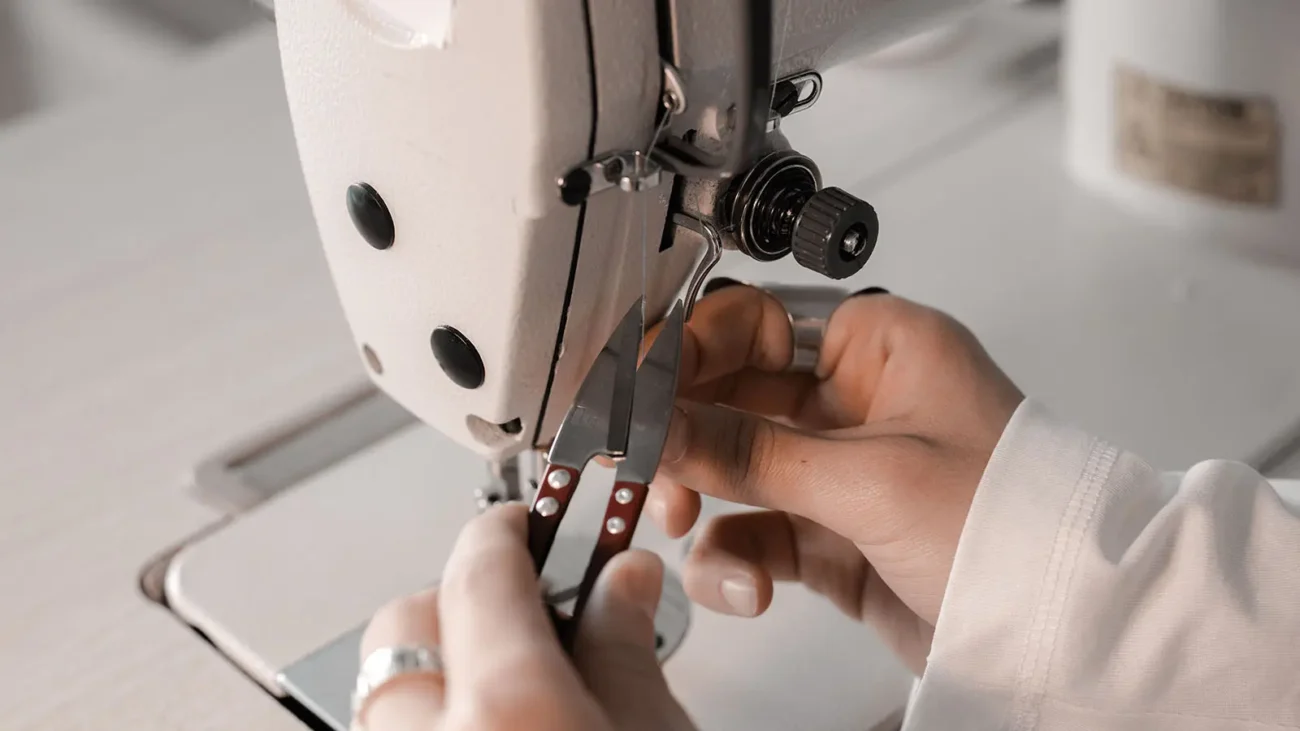
Baby apparel production requires coordination between:
A mature supply chain helps brands manage product development more efficiently.
A professional baby clothing manufacturer should understand overseas buyer expectations.
This includes:
International experience helps reduce sourcing risks.
Selecting a supplier requires more than comparing prices.
Brands should evaluate whether a supplier has experience with:
Experience often determines how effectively a manufacturer can solve problems.
For private label brands, customization is essential.
A suitable partner should support:
Successful brands usually build long-term relationships with suppliers.
When a manufacturer understands a brand’s expectations, future projects become easier.
Long-term cooperation can improve:
China Baby Clothing Factory (CBCF) provides OEM, ODM, and private label baby apparel manufacturing solutions for global brands.
CBCF supports brands with:
Brands can also explore baby clothing manufacturing insights to learn more about product development and sourcing.
For companies expanding into related categories, additional manufacturing resources include:
These resources help brands build a broader children’s product supply chain.
Private label baby clothing manufacturing means a brand works with a manufacturer to create products under its own brand identity.
The brand controls important elements such as:
Private label provides more control and differentiation.
Ready-made products may be faster to launch, but private label allows brands to create unique collections.
Brands should evaluate:
Many brands choose China because of its experienced supply chain, manufacturing capability, and ability to support customized production.
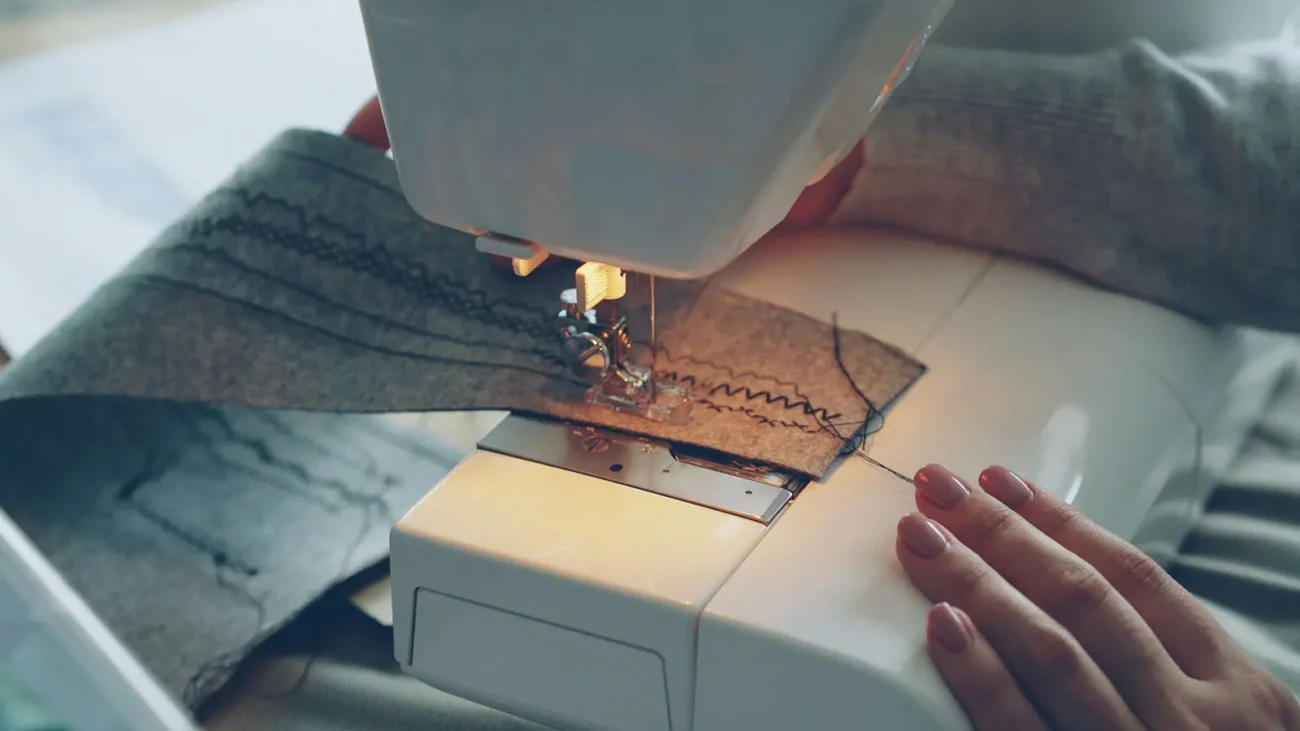
Private Label Baby Clothing Manufacturing is becoming an important strategy for brands that want to create unique products and build stronger customer relationships.
The future of baby apparel will not only depend on production capacity. Brands will need manufacturing partners that understand customization, quality requirements, and international market expectations.
An experienced private label baby clothing manufacturer can help companies develop better products, reduce sourcing risks, and create collections that stand out.
For brands planning long-term growth, choosing the right China baby clothing factory partner will remain an important decision.

 scan wechat qrcode