20% Off for New Inquiries – Today Only!
20% Off for New Inquiries – Today Only!
AI in Baby Clothing Manufacturing: 7 Smart Ways China Factories Improve Production
AI in Baby Clothing Manufacturing is changing how modern baby apparel factories develop products, manage production, and improve quality control.
For international baby clothing brands, artificial intelligence is not simply about adopting new technology. The real value is how digital tools can support better product development, manufacturing efficiency, and communication between brands and factories.
According to research from McKinsey & Company, artificial intelligence and automation are expected to influence how companies improve productivity, decision-making, and operational efficiency across different industries.
However, successful manufacturing still depends on experience.
For international baby brands, choosing the right manufacturing partner is not only about finding a supplier with production capacity. Brands need a factory that understands fabrics, product development, quality requirements, and market expectations.
An experienced China baby clothing factory combines manufacturing knowledge with modern tools to help brands create reliable baby apparel collections.
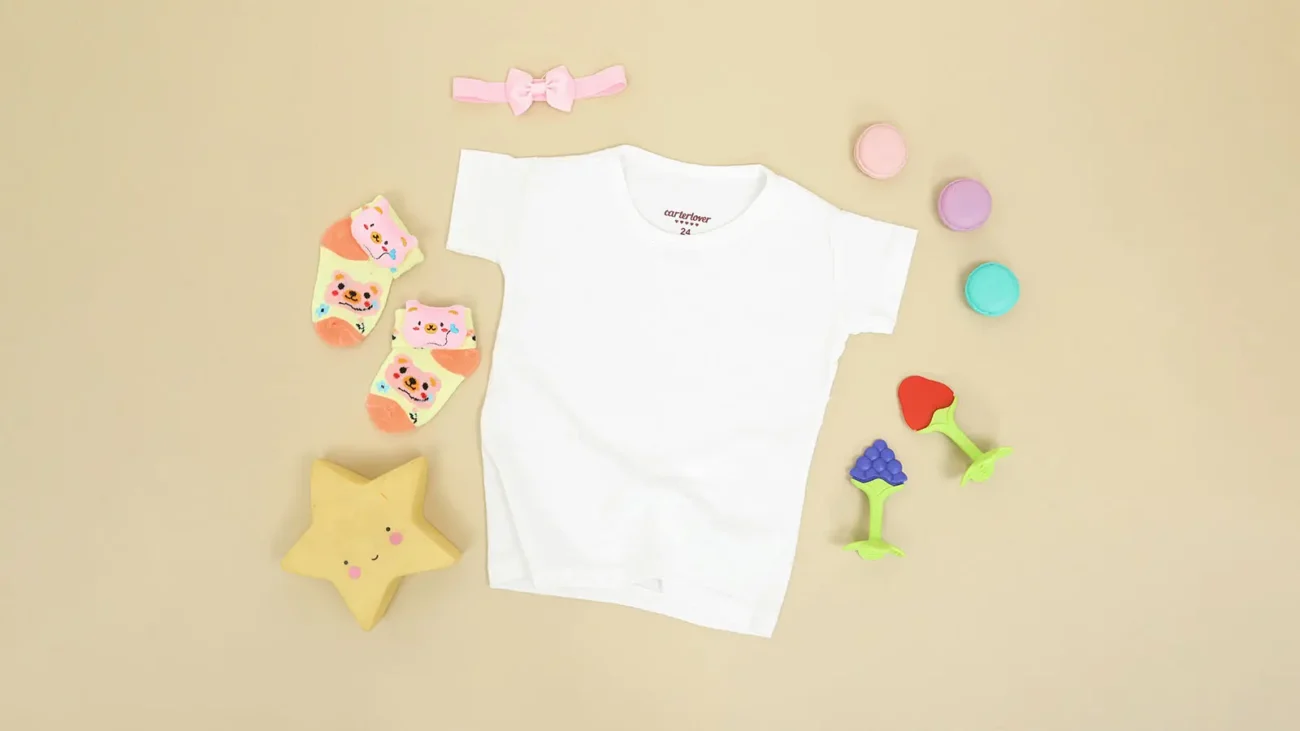
Baby clothing production requires attention to many details.
Compared with general apparel, baby products often require higher standards in:
Baby brands also face increasing market pressure:
Technology can help factories manage information more efficiently, but it does not replace experienced manufacturing teams.
A professional baby clothing manufacturer still needs skilled people who understand:
The future of AI in Baby Clothing Manufacturing is not replacing factory workers or technicians.
It is about using digital tools to support better decisions.
Modern factories are introducing technology into different stages of production.
Common applications include:
For example, when a brand develops a new baby clothing collection, the factory needs to manage many details:
Digital systems help organize these details and reduce communication problems.
However, technology alone cannot determine whether a product will succeed.
A software system may provide data, but experienced technicians still need to decide:
Manufacturing experience remains the foundation.
Product development is one of the earliest stages where technology can support brands and factories.
Many baby brands have strong creative ideas but need manufacturing support to turn concepts into production-ready products.
AI-assisted tools can help teams review different product directions before creating physical samples.
For example, brands may explore:
This allows brands and factories to communicate ideas more efficiently.
However, production experience is still necessary.
A design may look attractive but create challenges during manufacturing because of:
Experienced factories can identify these problems early and suggest practical improvements.
One common challenge for new brands is developing products that are difficult to manufacture.
Before production begins, factories usually evaluate:
AI tools can help organize product information and identify possible issues.
But final decisions still depend on experienced production teams.
For example, a technician may recommend adjusting a garment detail to improve production efficiency while keeping the original design concept.
This type of support is especially valuable for brands working with a custom baby clothing manufacturer.
Fabric selection directly affects baby clothing quality.
The right material needs to balance:
When selecting materials for baby clothing, brands also need to consider textile safety requirements. The OEKO-TEX Standard 100 certification system is widely recognized for testing textiles for harmful substances.
A modern factory may work with hundreds of different fabric options.
Technology can help organize information such as:
This makes material comparison more efficient.
For example, when developing baby sleepwear, brands may need to compare several fabrics based on softness, breathability, and washing performance.
Digital tools can provide information, but experienced teams still need to evaluate whether a fabric works well in actual production.
Incorrect material choices can create problems later.
Common issues include:
Early material evaluation helps reduce these risks.
A factory with strong fabric knowledge can help brands choose materials that match both product expectations and manufacturing requirements.
Sampling is a critical stage in baby clothing manufacturing.
Before bulk production, brands usually need to confirm:
Technology is improving how factories manage this process.
Digital tools can support:
For brands developing multiple sizes, this can reduce repetitive work.
However, pattern development still requires technical expertise.
Experienced pattern makers understand how different fabrics influence:
This knowledge cannot be replaced by software.
For overseas brands, sample communication can sometimes become complicated.
Feedback may involve:
Digital systems help both sides record changes more clearly.
This improves cooperation between brands and manufacturers during development.
Quality control is one of the most important stages in baby clothing manufacturing.
For baby brands, product quality directly affects customer trust. A small issue with stitching, measurements, or fabric performance can influence the overall customer experience.
Technology is helping factories improve quality management, but experienced quality teams remain essential.
During bulk production, factories need to monitor many details, including:
Digital systems can help record:
This information allows factories to identify repeated problems and improve future production.
For example, if a specific construction detail causes repeated quality issues, production teams can review previous records and adjust the manufacturing process.
Although technology can support quality control, experienced inspectors are still necessary.
Baby clothing requires attention to details that cannot always be evaluated through automated systems.
Quality teams need to consider:
A reliable baby clothing manufacturer combines digital tools with experienced quality management.

Production planning becomes more complex as brands develop larger collections.
Factories need to coordinate:
Technology can help improve coordination between different production stages.
Digital production systems can provide better visibility into:
This helps factories identify possible delays earlier.
For international brands, better production planning means more predictable delivery timelines.
However, production experience remains essential.
A system may show production data, but experienced managers understand how to adjust schedules when unexpected situations happen.
Many overseas brands want clearer information after placing orders.
They often need updates about:
Technology helps factories organize these updates more efficiently.
For brands working with a China baby clothing factory, transparent communication creates stronger long-term cooperation.
Baby clothing production involves more than garment manufacturing.
A complete supply chain may include:
Managing these connections efficiently is becoming increasingly important.
Many manufacturing problems come from unclear information.
Common examples include:
Digital tools can help organize product information and improve communication between brands and factories.
For international companies, this reduces unnecessary revisions and helps projects move forward faster.
Technology can support:
This creates better visibility throughout the manufacturing process.
However, technology works best when combined with experienced teams that understand international brand requirements.
The development of AI is creating new opportunities for brands that want to build unique baby clothing collections.
For emerging companies, the biggest advantage is improved efficiency during product development.
Private label brands usually need more than basic garment production.
They often require support with:
An experienced private label baby clothing manufacturer can combine digital tools with production expertise to help brands develop products more efficiently.
Technology can help organize ideas and information, but manufacturing experience determines whether a product can succeed in real production.
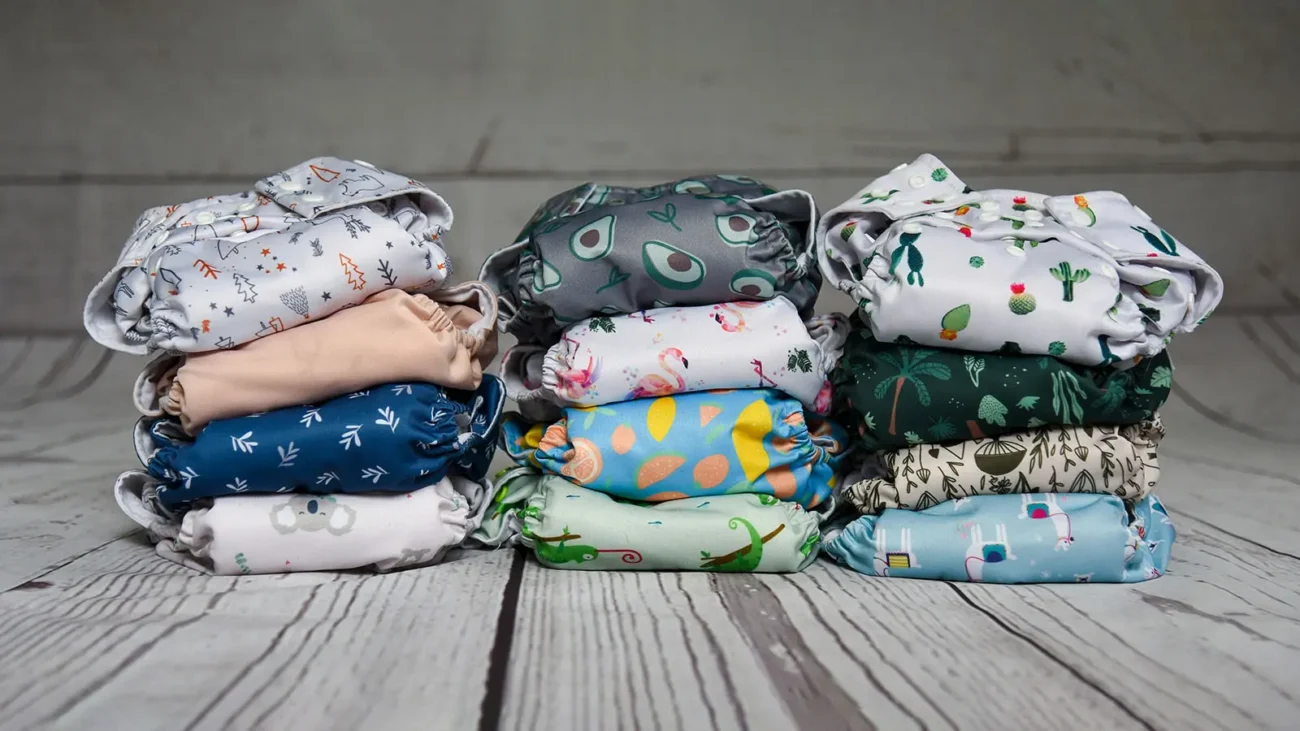
Many baby brands are moving away from standard products.
They want collections with:
A professional custom baby clothing manufacturer can support these requirements through:
For brands looking for customized production support, CBCF provides custom baby clothing manufacturing services.
China Baby Clothing Factory (CBCF) works with international brands that need reliable baby apparel manufacturing support.
Technology is changing the industry, but successful production still depends on manufacturing knowledge.
CBCF combines:
For brands searching for a reliable baby clothing manufacturer, choosing the right partner is about more than production capacity.
A strong manufacturing partner should understand:
The role of AI in manufacturing is supporting experienced teams rather than replacing them.
For example:
AI tools can help organize product information.
Experienced technicians decide whether a design is suitable for production.
Digital systems can record quality information.
Professional inspectors evaluate actual garment performance.
The combination of technology and human expertise creates better results.
Many international brands need flexible manufacturing support.
They may require:
CBCF provides OEM and ODM support for brands developing baby clothing collections.
Brands can learn more about CBCF’s manufacturing background through the factory introduction.
For more baby apparel industry knowledge, brands can explore baby clothing manufacturing insights.
Brands looking for broader apparel production solutions can also explore apparel manufacturing services.
Companies expanding into children’s apparel can learn more about kids clothing manufacturing.
Businesses developing additional baby product categories can explore baby accessories manufacturing.
Although AI is becoming more common in apparel production, some parts of manufacturing will always depend on human experience.
Producing baby clothing requires practical knowledge developed through years of manufacturing.
Experienced teams understand:
Technology can provide information, but professionals know how to apply that information in real production.
Baby products require careful attention to detail.
Quality teams evaluate:
Organizations such as the U.S. Consumer Product Safety Commission (CPSC) provide safety requirements and guidance for children’s products sold in the United States.
For brands selling baby products internationally, understanding safety expectations is an important part of responsible manufacturing.
No.
AI can improve manufacturing efficiency in areas such as production management, information organization, and quality tracking.
However, experienced teams are still required for:
AI can support:
It helps factories and brands work more efficiently.
Technology capability can be valuable, but it should not be the only selection factor.
Brands should also evaluate:
A factory with both technology and production expertise can provide stronger long-term value.
Digital tools can improve communication and reduce repetitive work.
However, successful custom products still require experienced designers, technicians, and quality teams.
A professional custom baby clothing manufacturer remains essential for turning ideas into finished products.
AI is changing the future of AI in Baby Clothing Manufacturing, but technology alone does not create successful products.
The strongest manufacturing results come from combining:
For international brands, choosing an experienced China baby clothing factory remains one of the most important decisions when developing new collections.
A reliable manufacturing partner provides more than production capacity.
It provides:
Whether launching a new baby clothing line or expanding an existing brand, working with an experienced private label baby clothing manufacturer helps transform ideas into reliable products ready for the global market.

 scan wechat qrcode