20% Off for New Inquiries – Today Only!
20% Off for New Inquiries – Today Only!
For many baby brands, the biggest challenge is not creating a product idea. It is turning that idea into a garment that can be produced consistently, meet quality expectations, and arrive on time.
Custom Baby Clothing Production involves much more than sewing garments. Behind every successful baby product are multiple steps, including design evaluation, fabric sourcing, pattern development, sample approval, bulk manufacturing, and quality inspection.
A professional China baby clothing factory works with brands throughout the entire process to make sure designs are realistic for manufacturing and suitable for bulk production.
Understanding how a factory handles an order from the beginning to final shipment helps brands communicate more effectively and avoid common production problems.
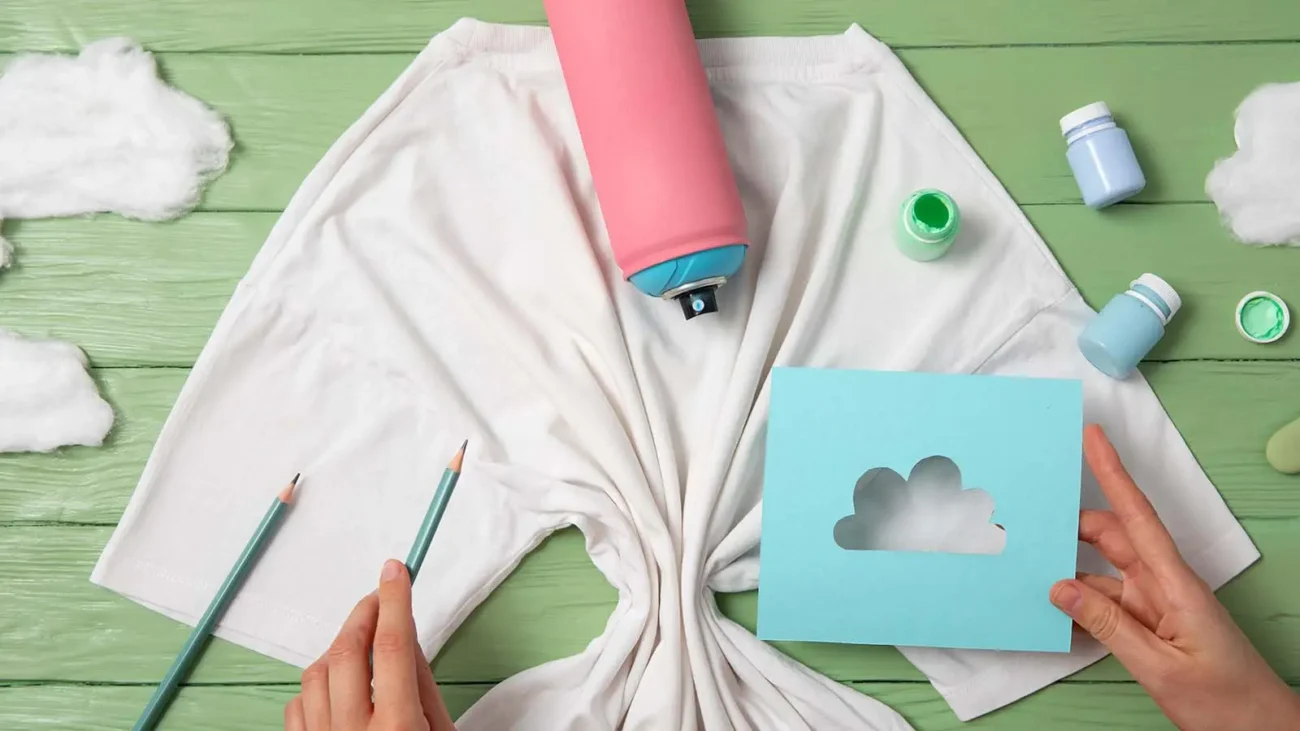
Custom Baby Clothing Production means creating baby apparel based on a brand’s own requirements instead of purchasing existing factory products.
The customization process may include:
Unlike standard products, custom manufacturing gives brands more control over their collections.
This is why many growing baby brands choose to work with a custom baby clothing manufacturer instead of relying on ready-made products.
A professional factory supports the complete development process, including:
The baby apparel market is becoming increasingly competitive.
Many brands want products that are different from common market offerings and better represent their own identity.
Custom production allows brands to develop products with:
However, not every design idea can move directly into production.
Some designs may require:
An experienced baby clothing manufacturer can review these challenges and suggest improvements without changing the original product concept.
The goal is to create a product that looks good while remaining practical for bulk manufacturing.
Baby clothing requires careful attention to materials because customers expect:
Through custom production, brands have more control over:
For brands developing baby apparel, textile safety is also an important consideration. The OEKO-TEX Standard 100 certification system is widely recognized for testing textiles and evaluating materials for harmful substances.
Many brands work with a private label baby clothing manufacturer because they need support beyond basic production.
Private label manufacturing may include:
The factory becomes a production partner that helps brands move from concept to finished products.
A professional factory follows a structured workflow when managing custom orders.
Although every project has different requirements, most Custom Baby Clothing Production follows several important stages.
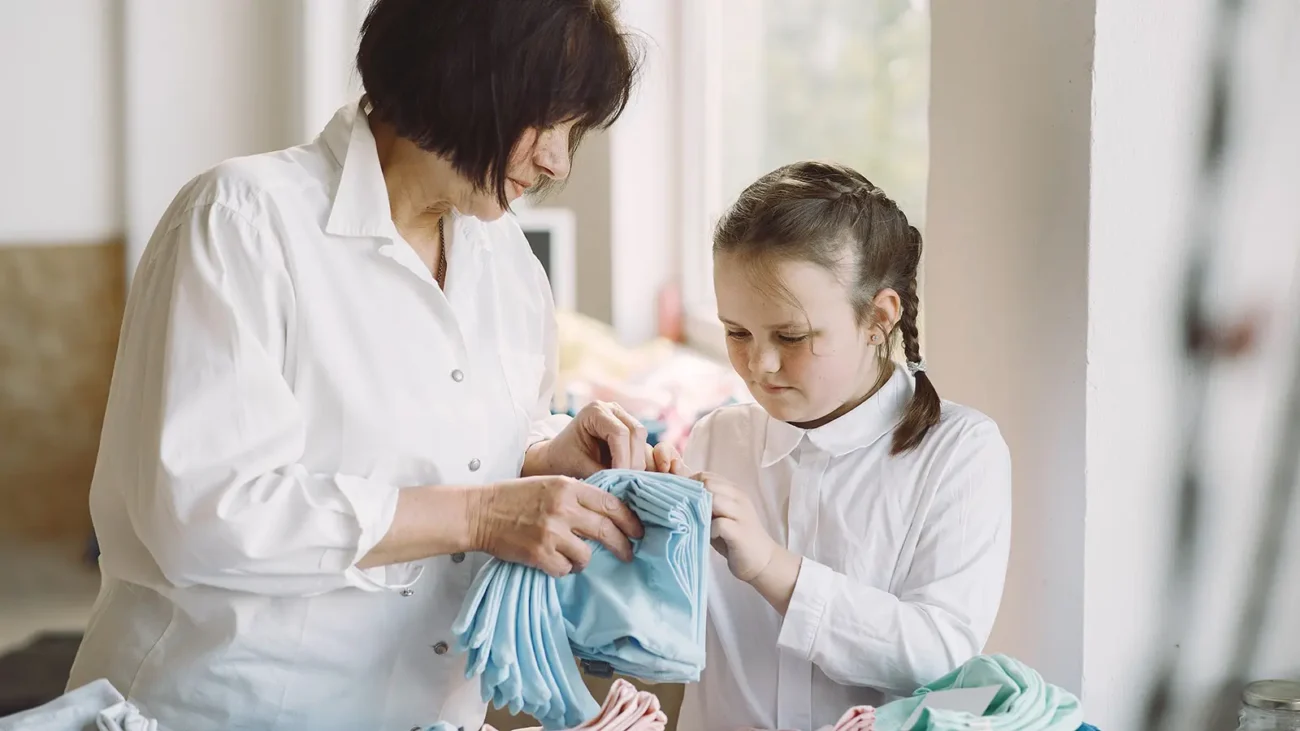
Before making samples, the factory first reviews the product information provided by the brand.
Common documents include:
This stage helps the factory understand the complete product expectation.
A detailed tech pack is one of the most important documents in custom production.
It normally includes:
Clear technical information reduces misunderstandings between brands and manufacturers.
If important details are missing, problems may appear during sampling or bulk production.
Before development begins, the factory evaluates whether the design can be produced efficiently.
The production team reviews:
For example, a brand may request premium materials and complicated details while expecting a low production price.
An experienced factory can suggest practical alternatives to balance:
This early evaluation helps reduce unnecessary changes later.
Fabric decisions directly influence the final baby clothing product.
The right material needs to provide:
A reliable China baby clothing factory usually helps brands evaluate different fabric options before sampling.
Different products require different material characteristics.
For example:
Newborn bodysuits usually require soft and breathable fabrics because they are worn close to sensitive skin.
Baby jackets or outerwear may require stronger materials with better structure.
Common baby clothing materials include:
When choosing materials, factories consider:
Brands focusing on organic baby apparel may also consider standards such as the Global Organic Textile Standard (GOTS), which covers organic fibers and responsible textile processing.
After design and fabric details are confirmed, the factory creates the first sample.
The sample allows brands to check:
The first sample is usually not the final version.
Brands may request adjustments such as:
Sample revisions are a normal part of professional Custom Baby Clothing Production.
After the sample is approved, the factory begins preparing for bulk manufacturing.
This stage requires coordination between different departments, including:
A professional baby clothing manufacturer does not move directly from sample approval to mass production without preparation.
The factory first confirms:
This helps ensure that bulk products match the approved sample.
Before cutting begins, fabrics are checked again to confirm consistency.
The cutting department prepares fabric according to:
During sewing, production teams monitor:
For baby clothing, small details matter.
Examples include:
Experienced production teams understand that baby garments need both good appearance and practical comfort.
Bulk production involves many moving parts.
Factories need to manage:
For overseas brands, communication is especially important because production decisions often need to be confirmed remotely.
A reliable China baby clothing factory provides updates during important stages, including:
Clear communication helps brands understand the order status and reduces unexpected problems.
Quality control is one of the most important steps in Custom Baby Clothing Production.
For baby products, customers expect garments to be comfortable, safe, and consistent.
A professional factory uses multiple quality checks throughout production.
Inline inspection allows quality teams to identify problems while production is still running.
Inspectors usually check:
Finding problems early helps prevent large quantities of defective products.
For example, if a sewing issue appears during production, the factory can adjust the process before more units are completed.
Before shipment, factories conduct final inspections to confirm that products meet approved requirements.
Final checks may include:
For brands selling baby products internationally, compliance requirements are also important.
The U.S. Consumer Product Safety Commission (CPSC) provides safety information and requirements for children’s products sold in the United States.
Understanding market requirements helps manufacturers and brands prepare products that meet customer expectations.
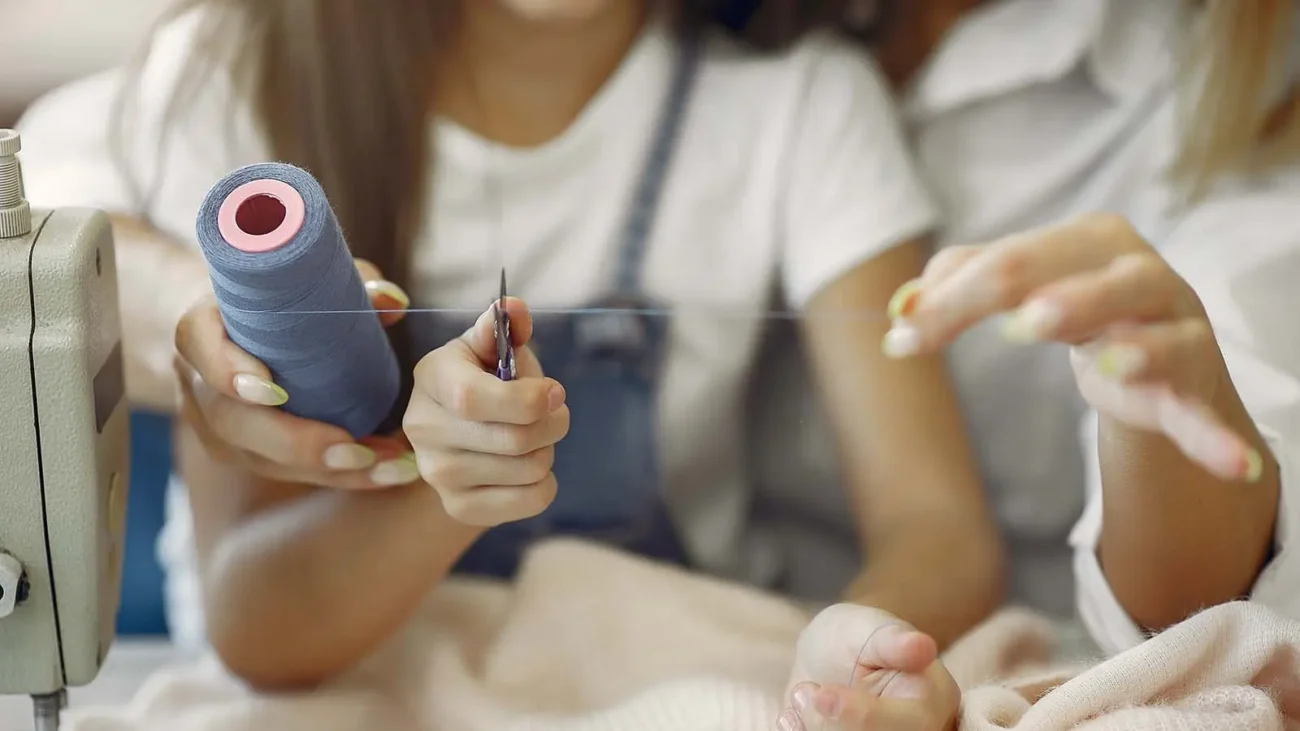
Choosing a manufacturing partner is one of the most important decisions for a baby brand.
A factory is not only responsible for producing garments.
It also supports:
An experienced custom baby clothing manufacturer understands how to balance design ideas with real production requirements.
The factory team can help brands evaluate:
Technology can improve communication and production management, but manufacturing experience remains essential.
China Baby Clothing Factory (CBCF) works with international brands that need professional baby apparel manufacturing support.
CBCF focuses on helping brands develop and produce baby clothing collections through:
For brands starting a new collection, CBCF provides custom baby clothing manufacturing services to support different product requirements.
A successful manufacturing relationship requires more than production capacity.
Brands also need a partner that understands:
Brands can learn more about CBCF’s production background through the factory introduction.
For additional knowledge about baby apparel development and manufacturing, brands can explore baby clothing manufacturing insights.
Some brands eventually expand from baby apparel into broader product categories.
For companies developing complete apparel collections, Clothing Factory X (CFX) provides wider apparel manufacturing solutions.
Brands moving from baby products into children’s collections can also explore kids clothing manufacturing services.
For businesses developing complementary baby products, baby accessories manufacturing solutions provide additional production options.
The timeline depends on:
A typical process includes:
Simple products usually require less development time, while complex designs may need additional sampling rounds.
A factory usually needs:
Complete product information helps the factory provide more accurate suggestions and reduce development delays.
Yes.
Many international brands work with factories that provide private label services.
A private label baby clothing manufacturer can support:
This allows brands to create unique collections without owning their own production facilities.
Ready-made products are existing designs produced by factories.
Custom baby clothing production allows brands to control:
Custom manufacturing requires more development work but gives brands greater product flexibility.
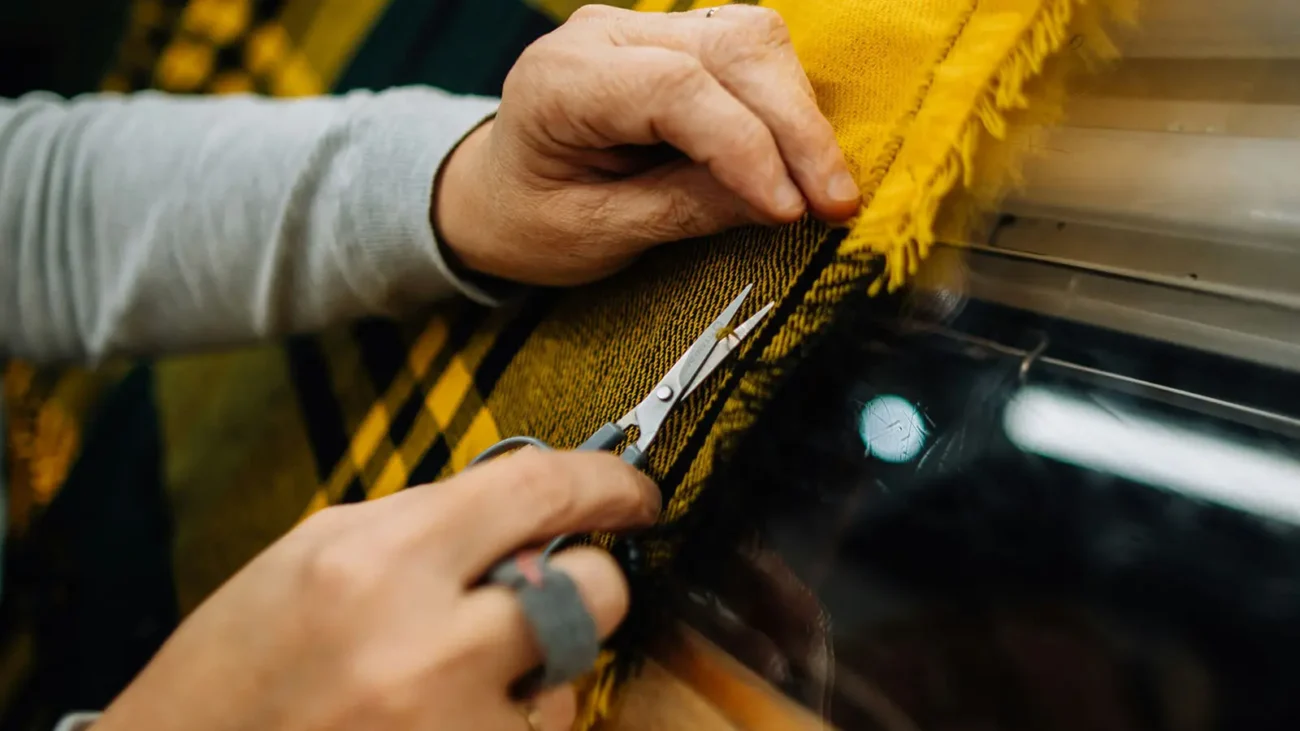
Successful Custom Baby Clothing Production requires careful cooperation between brands and manufacturers.
From the first design discussion to final shipment, every stage affects the final product quality.
A professional China baby clothing factory helps brands manage:
For baby brands looking to build unique collections, choosing an experienced manufacturing partner is an important step.
A reliable factory does not simply produce garments.
It helps transform product ideas into finished baby clothing that meets quality expectations and is ready for the global market.
 scan wechat qrcode