20% Off for New Inquiries – Today Only!
20% Off for New Inquiries – Today Only!
For many baby brands, finding a manufacturing partner is one of the biggest decisions after creating a product concept.
A good design is only the beginning. Turning that idea into a finished baby garment requires the right materials, production knowledge, quality control, and communication between the brand and the factory.
Many companies choose to Import Baby Clothing From China because China has a mature apparel supply chain and extensive experience producing garments for international markets.
However, successful manufacturing is not simply about finding the lowest price supplier.
The brands that build stable products usually spend more time choosing the right manufacturing partner, confirming materials, and understanding the production process before placing bulk orders.
Working with an experienced China baby clothing factory can help brands avoid common problems and create a more reliable supply chain.
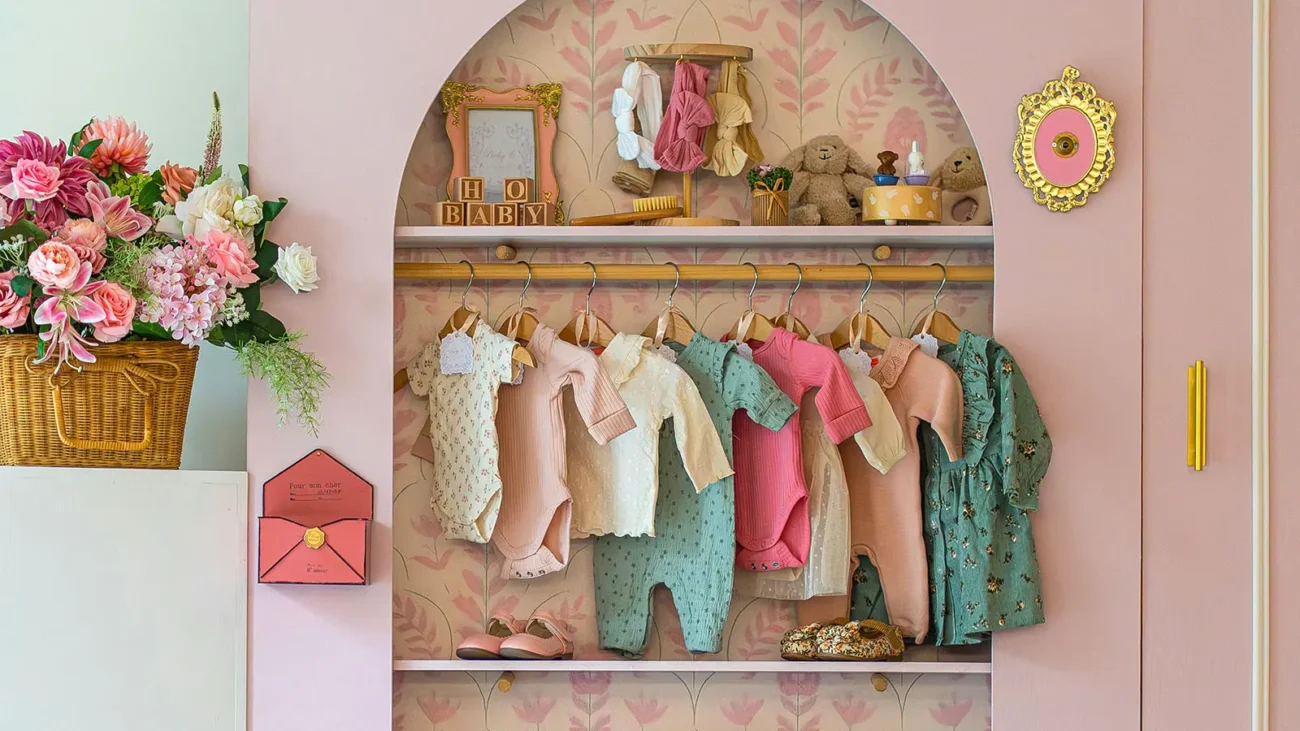
China remains one of the world’s major apparel manufacturing hubs.
For baby clothing brands, the advantage is not only production cost.
A mature manufacturing environment provides access to:
For example, a brand developing organic cotton baby bodysuits may need support from several areas:
A factory located within a complete supply chain can coordinate these details more efficiently.
However, not every supplier offers the same level of support.
Some suppliers focus mainly on producing standard products, while others provide full development support from concept to finished product.
For brands building a unique collection, the difference is important.
One common mistake we see from new brands is contacting factories before they have clearly defined their products.
A manufacturer can provide better recommendations when the product direction is clear.
Before starting discussions, brands should consider several areas.
Baby clothing covers many different product types.
Examples include:
Each category has different production requirements.
A baby sleepwear project may require different fabric and construction considerations compared with everyday baby clothing.
A factory with experience in the specific product category can usually identify potential issues earlier.
Fabric is one of the first topics discussed during baby clothing development.
Many brands initially focus on appearance:
These are important, but baby products require additional consideration.
Manufacturers often help brands review:
Common materials used in baby clothing include:
Many international brands also consider textile certifications such as OEKO-TEX Standard 100 during material selection.
The right fabric choice affects not only product quality but also customer satisfaction after purchase.
A product designed for one market may need adjustments for another.
Brands selling in the US, Europe, or other regions may have different expectations regarding:
Discussing these requirements early helps avoid making changes after samples are completed.
This is especially important for baby products because customers expect a higher level of trust and safety.
Finding a supplier is often the most challenging part of the process.
Search results may show hundreds of companies claiming to manufacture baby clothing.
However, a suitable partner should be evaluated beyond website information or price quotations.
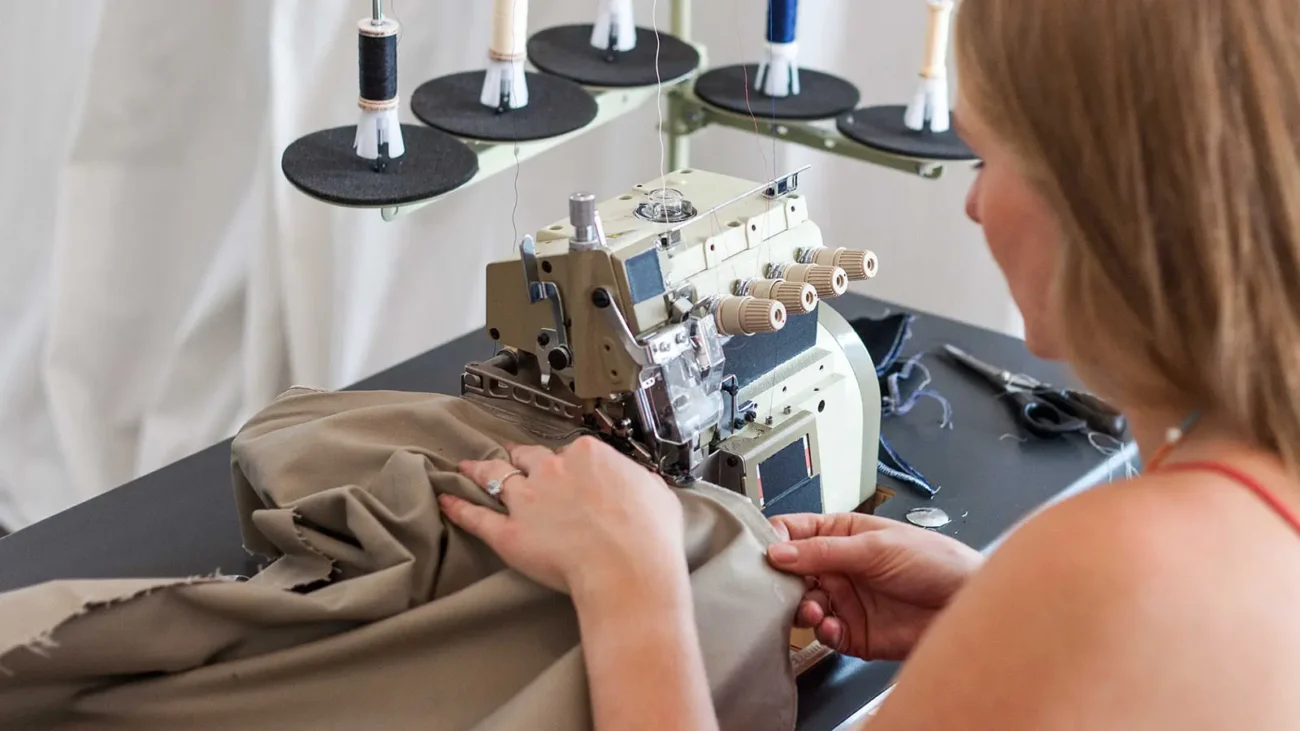
The lowest quotation is not always the lowest final cost.
A supplier with limited experience may create additional expenses through:
An experienced baby clothing manufacturer understands the details behind production.
For example:
A factory may notice that a design looks attractive but creates difficulties during sewing.
Instead of producing a problematic item, an experienced team can suggest adjustments before bulk manufacturing.
These small improvements often save brands time and money.
Baby clothing is not simply smaller adult clothing.
The category requires attention to:
For example, a baby romper needs to consider:
A manufacturer that regularly produces baby apparel will understand these details better than a general clothing supplier.
Before choosing a factory, brands can ask:
The answers usually reveal whether the supplier is a real manufacturing partner or simply a trading intermediary.
Many brands think manufacturing starts when they place a bulk order.
In reality, successful production begins much earlier.
The development stage determines whether a product can be produced efficiently and consistently.
Before creating samples, manufacturers usually confirm:
This stage is important because the fabric affects almost every part of the garment.
For example:
A fabric that works well for a baby T-shirt may not be suitable for a structured jacket.
An experienced factory can help brands choose materials that match both the design concept and production requirements.
Sample development is where ideas become real products.
During sampling, the factory evaluates:
For new brands, the first sample is rarely perfect.
Adjustments are normal.
A professional custom baby clothing manufacturer understands that sample revisions are part of product development, not a problem.
The goal is to create a product that looks right and can also be produced consistently at scale.
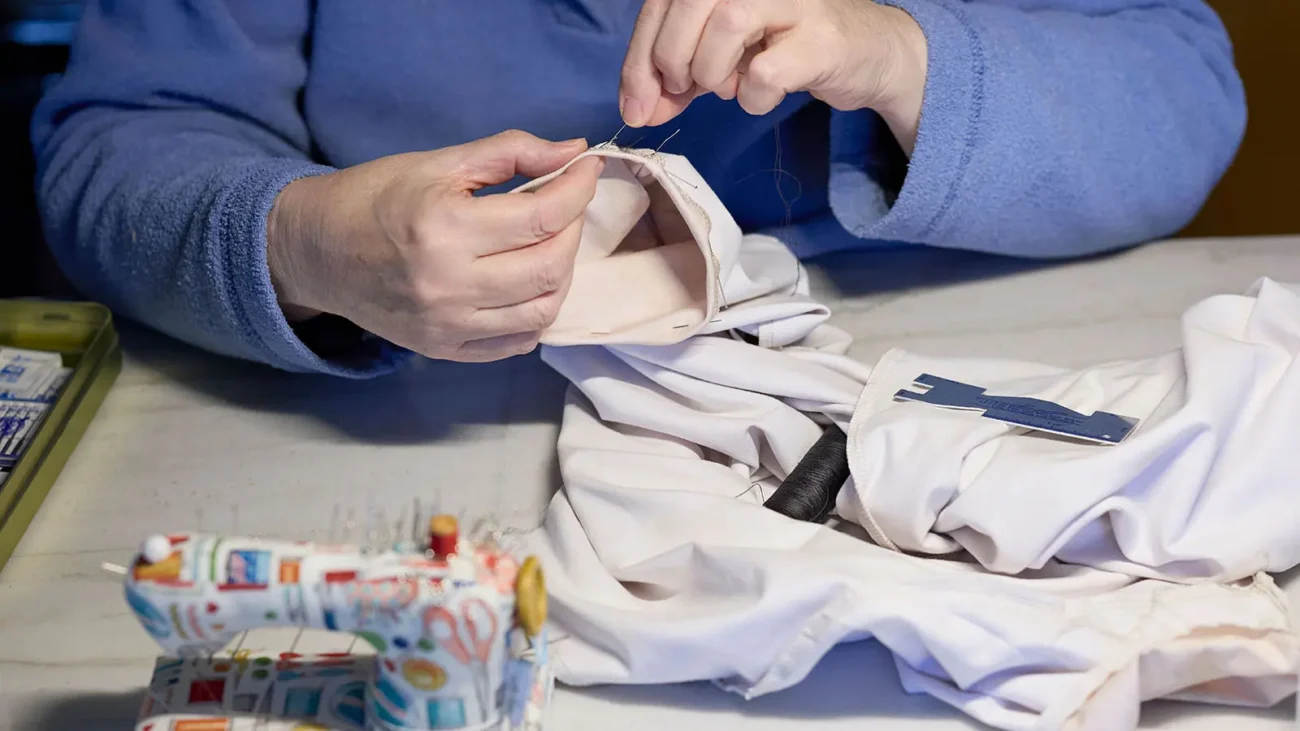
After sample approval, manufacturers prepare for bulk production.
This stage may include:
Clear communication between the brand and factory helps prevent unexpected changes.
Many production delays happen because important details are not confirmed before manufacturing begins.
MOQ and pricing are common concerns when brands Import Baby Clothing From China.
However, these factors depend on the product itself.
MOQ can vary depending on:
For example:
A basic baby T-shirt using available fabric may require a different MOQ compared with a fully customized baby collection.
Brands starting their first collection should discuss realistic options with manufacturers.
A flexible China baby clothing factory may provide solutions based on the brand’s stage of development.
Many factors influence manufacturing costs.
These include:
A professional supplier should explain these factors clearly instead of only providing a final number.
Understanding the cost structure helps brands make better product decisions.
When brands Import Baby Clothing From China, timing is an important part of supply chain management.
The complete process may include:
The exact timeline depends on product complexity and order requirements.
Planning early helps brands avoid problems with:
Quality control is especially important for baby products.
Customers expect baby clothing to be comfortable, safe, and consistent.
Professional factories usually monitor:
These checks help ensure that bulk production matches the approved sample.
Before shipment, finished products should be reviewed carefully.
Common inspection points include:
A strong quality control system protects both the manufacturer and the brand.
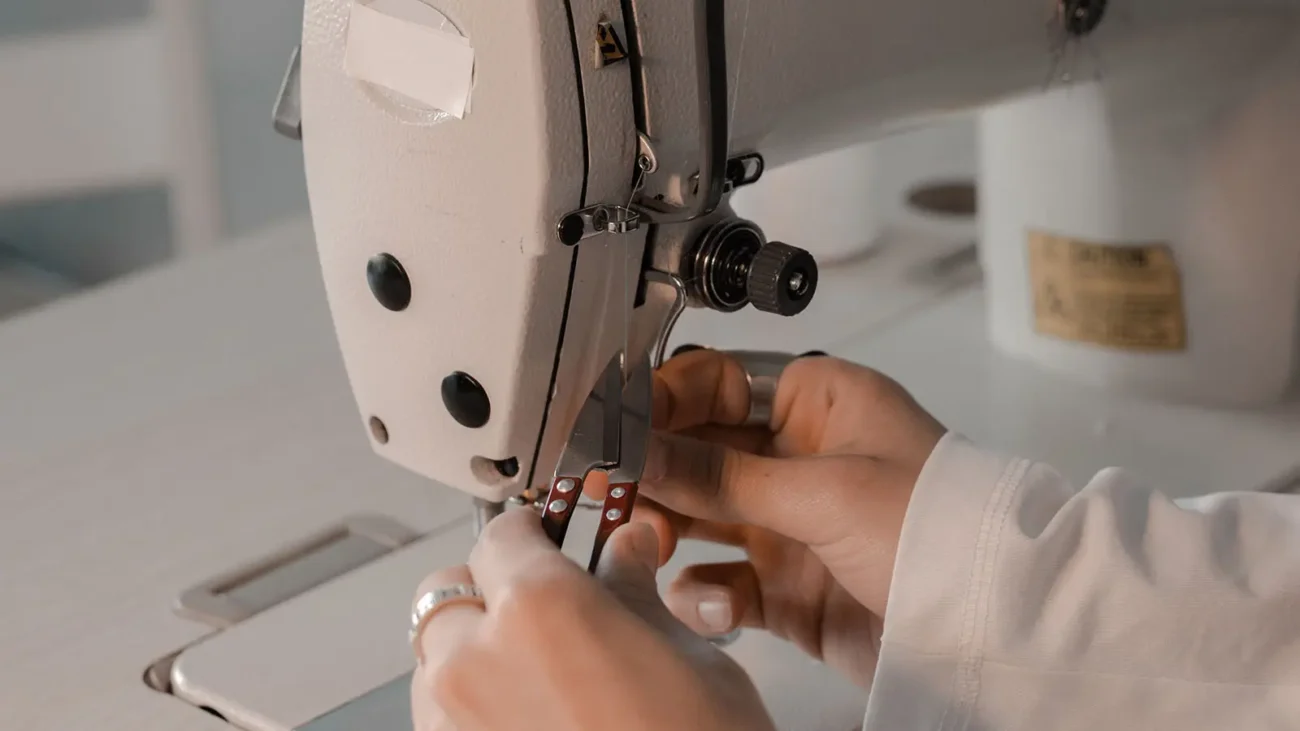
Many problems can be avoided with better preparation.
Price is important, but it should not be the only deciding factor.
A low-cost supplier may create problems if:
The right supplier provides value through manufacturing knowledge and reliable support.
Some brands try to save time by skipping detailed sample development.
This often creates bigger problems later.
Without a properly approved sample, it is difficult to confirm:
Sample development is an investment that reduces production risk.
International manufacturing requires clear communication.
Brands and factories need to confirm:
Good communication is often the difference between a smooth project and repeated corrections.
China Baby Clothing Factory (CBCF) works with international brands looking for reliable baby apparel manufacturing support.
CBCF focuses on helping brands develop and produce:
For brands planning to Import Baby Clothing From China, CBCF provides support throughout the manufacturing process, including:
As a specialized China baby clothing factory, CBCF understands that overseas brands need more than a production supplier.
They need a partner who can communicate clearly, understand product goals, and support long-term growth.
Brands interested in developing customized collections can explore custom baby clothing manufacturing services.
More information about CBCF’s capabilities is available through the CBCF factory introduction.
For additional industry knowledge, brands can read baby clothing manufacturing insights.
Related manufacturing resources:
Many international brands choose China because of its mature supply chain and manufacturing experience.
However, profitability depends on product positioning, supplier selection, quality control, and market strategy.
Brands should evaluate:
Choosing a specialized manufacturer is usually more effective than selecting suppliers only based on price.
MOQ depends on:
Brands should discuss their project requirements directly with manufacturers.
The timeline depends on:
Early planning helps brands manage production schedules more effectively.
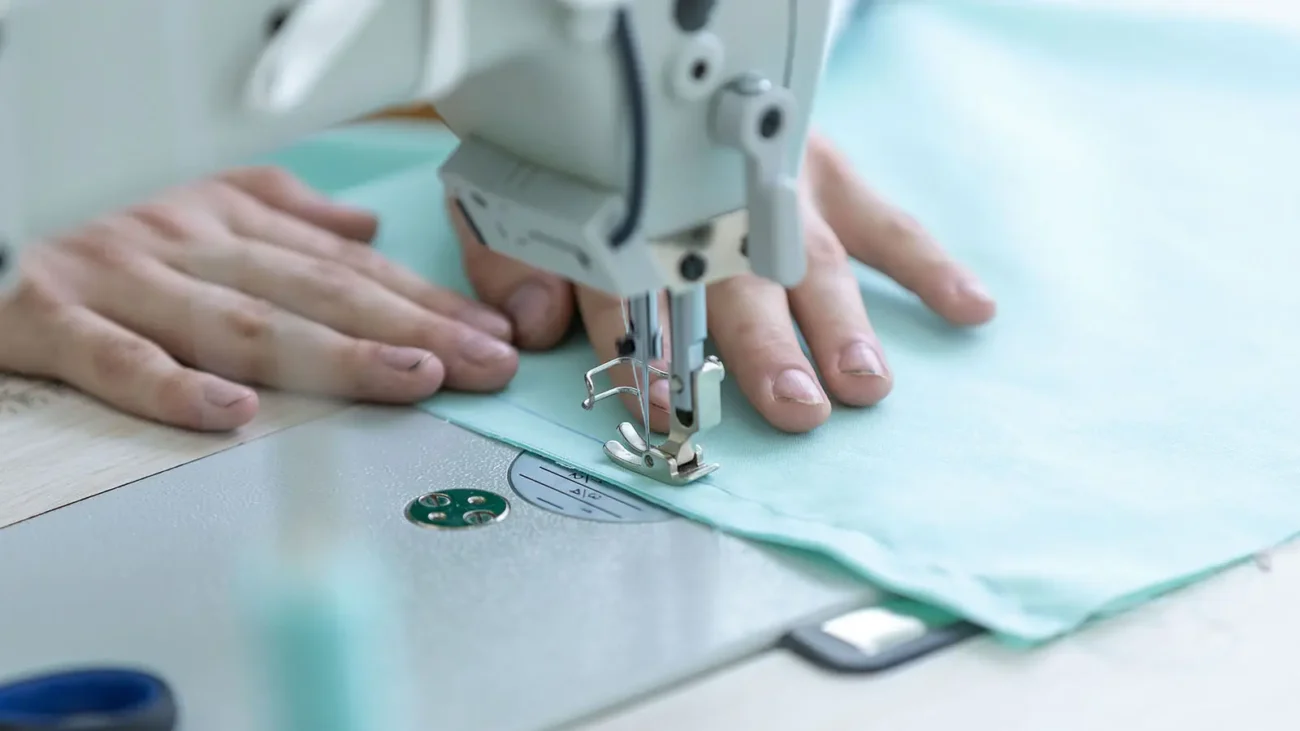
For brands planning to Import Baby Clothing From China, choosing the right manufacturing partner is one of the most important decisions.
Successful baby clothing production requires more than competitive pricing.
It requires:
A professional China baby clothing factory can help brands transform ideas into finished products ready for the market.
Whether a company is launching its first baby collection or expanding an existing product line, working with an experienced private label baby clothing manufacturer creates a stronger foundation for long-term growth.

 scan wechat qrcode