20% Off for New Inquiries – Today Only!
20% Off for New Inquiries – Today Only!
Many new baby brands start with a product idea.
It may come from a market opportunity, a customer demand, or a vision to create safer and more comfortable clothing for babies.
However, the biggest challenge usually appears when the idea moves from concept to production.
A brand may understand its customers well but still need support with important manufacturing decisions:
These questions are common among companies entering the baby apparel market.
Building a successful Private Label Baby Clothing Brand requires more than creating attractive designs. Brands also need reliable manufacturing knowledge, product development support, and a supplier that understands international market requirements.
This is why many companies choose private label baby clothing manufacturing instead of purchasing standard products from general suppliers.
By working with an experienced China baby clothing factory, brands can develop unique collections while benefiting from professional production experience.
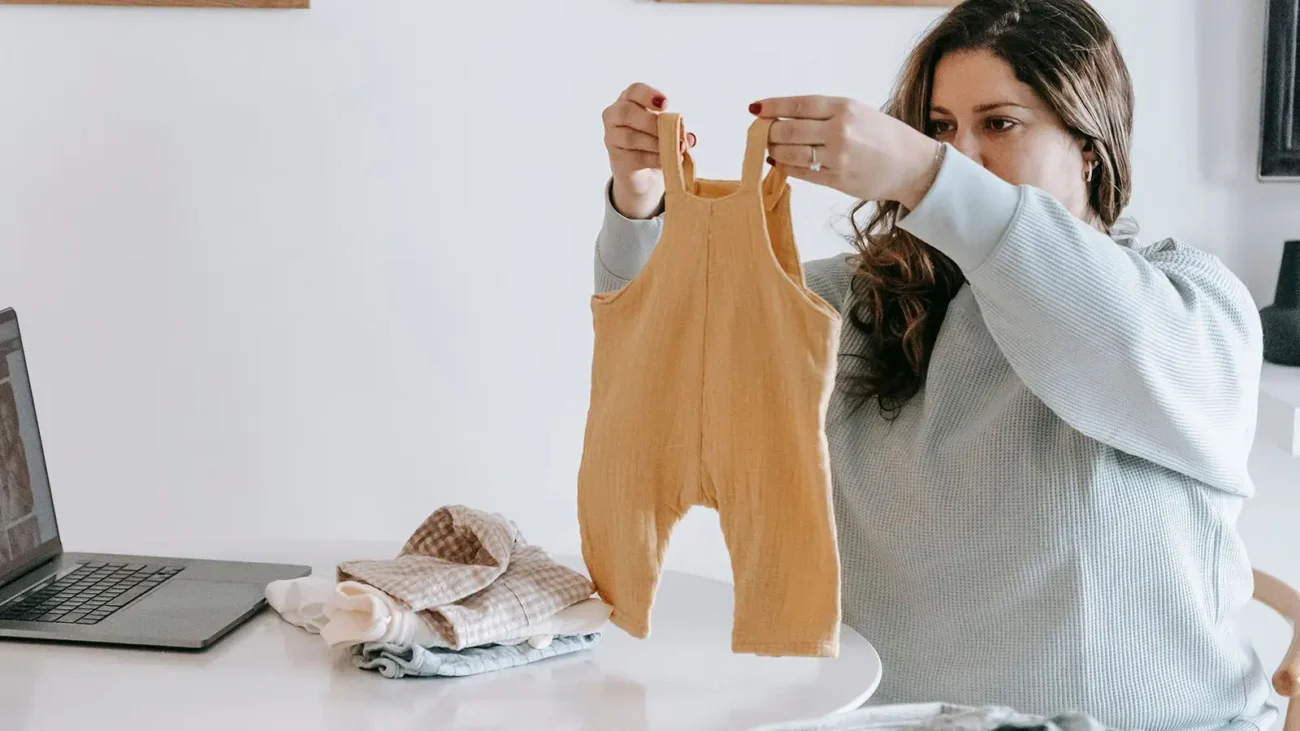
The baby apparel market has changed significantly.
Parents today are more careful about the products they purchase for their children. They pay attention to:
At the same time, online business models have created opportunities for smaller companies to build international baby brands.
A new company can now reach customers through:
However, competition has also increased.
Selling similar products from the same supplier makes it difficult for brands to create long-term value.
A Private Label Baby Clothing Brand allows companies to control their product identity instead of competing only on price.
Brands can customize:
This creates a stronger connection between the product and the target customer.
Many new baby brands approach manufacturers with:
The idea may be clear, but manufacturing requires additional technical decisions.
For example, a brand may want to create a premium newborn romper using a soft natural fabric.
Before production, a professional baby clothing manufacturer needs to evaluate:
Without manufacturing experience, brands may discover these issues after investing significant time and money.
An experienced private label baby clothing manufacturer can help identify potential problems during the early development stage.
This reduces unnecessary revisions and improves the possibility of successful product launches.
Creating baby apparel requires cooperation between creative ideas and production knowledge.
A designer may understand:
However, a manufacturer understands:
The combination of these skills creates stronger products.
For many emerging companies, working with a professional private label baby clothing manufacturer provides access to experience that would otherwise require years to build internally.
A suitable partner can help brands make practical decisions about:
Private label baby clothing manufacturing means a brand develops products under its own name while cooperating with a factory for production.
The brand controls:
The manufacturing partner supports:
Unlike purchasing ready-made products, private label allows brands to create collections that better match their target customers.
This approach is widely used by companies that want to build long-term brand value.
The process usually starts with product planning.
The brand and manufacturer discuss:
The manufacturer then helps transform the concept into samples.
During development, both sides review:
This cooperation is especially important for baby products because small details can influence comfort and customer satisfaction.
Many brands compare private label, OEM, and ODM before selecting a supplier.
Although these models are related, the level of manufacturer involvement is different.
Private label focuses on creating products under a brand’s identity.
The company decides:
The factory provides manufacturing expertise.
This model is suitable for companies that want unique products but do not operate their own production facilities.
OEM usually means the brand provides detailed product specifications.
The manufacturer produces according to those requirements.
OEM works well for brands that already have:
ODM includes deeper manufacturer involvement.
A professional OEM ODM baby clothing manufacturer may provide:
For new brands, ODM can make product development more efficient.
China remains one of the most important apparel manufacturing locations worldwide.
For international baby brands, working with a professional China baby clothing factory provides access to:
The advantage is not only manufacturing capacity.
It is also the ability to solve practical production challenges.
A reliable factory understands how to balance:
For companies expanding into children’s products, related manufacturing resources include apparel manufacturing solutions, kids clothing manufacturing, and baby accessories manufacturing.
Choosing a manufacturing partner is one of the most important decisions when building a Private Label Baby Clothing Brand.
A factory with experience in baby apparel understands that small details can affect the final product.
Examples include:
A general garment supplier may be able to produce clothing, but a specialized baby clothing manufacturer understands the additional considerations required for infant and toddler products.
This experience helps brands avoid common production problems and improve product quality before mass manufacturing.
A strong supply chain is one of the reasons many brands choose a China baby clothing factory.
Baby apparel production usually involves multiple stages:
An experienced manufacturer can coordinate these steps more efficiently.
For example, when developing a new baby collection, the factory can help evaluate:
Many international brands also review textile safety standards before selecting materials. Organizations such as OEKO-TEX® provide information about textile testing and safety requirements.
Creating a successful collection requires more than choosing products from a catalog.
Brands need to develop products that match their customers, pricing strategy, and market position.
Before contacting a supplier, brands should understand their own direction.
Important questions include:
A clear position helps the manufacturer provide better suggestions.
For example:
A premium baby brand may focus on:
A practical everyday brand may focus on:
Many new brands start with a focused product range.
Popular categories include:
Starting with fewer products allows brands to test the market and improve future collections.
Sample development is one of the most important stages in private label baby clothing manufacturing.
The first sample is usually not the final product.
Brands and manufacturers often review:
A professional private label baby clothing manufacturer will usually provide feedback based on production experience.
This may include:
These improvements can create better products while controlling manufacturing costs.
Brands looking for product development support can explore custom baby clothing manufacturing solutions.
Fabric selection directly affects customer experience.
Baby clothing materials often include:
The right material depends on the product purpose.
For example:
Baby bodysuits usually require:
Baby outerwear may require:
A knowledgeable baby clothing manufacturer can recommend suitable options based on product requirements.
After samples are approved, brands can move into bulk production.
However, production management remains important.
A professional factory should monitor:
Quality control is especially important for baby products because customers have high expectations regarding safety and reliability.
Finding the right supplier requires more than comparing prices.
The lowest quotation does not always create the best long-term result.
Brands should evaluate several factors.
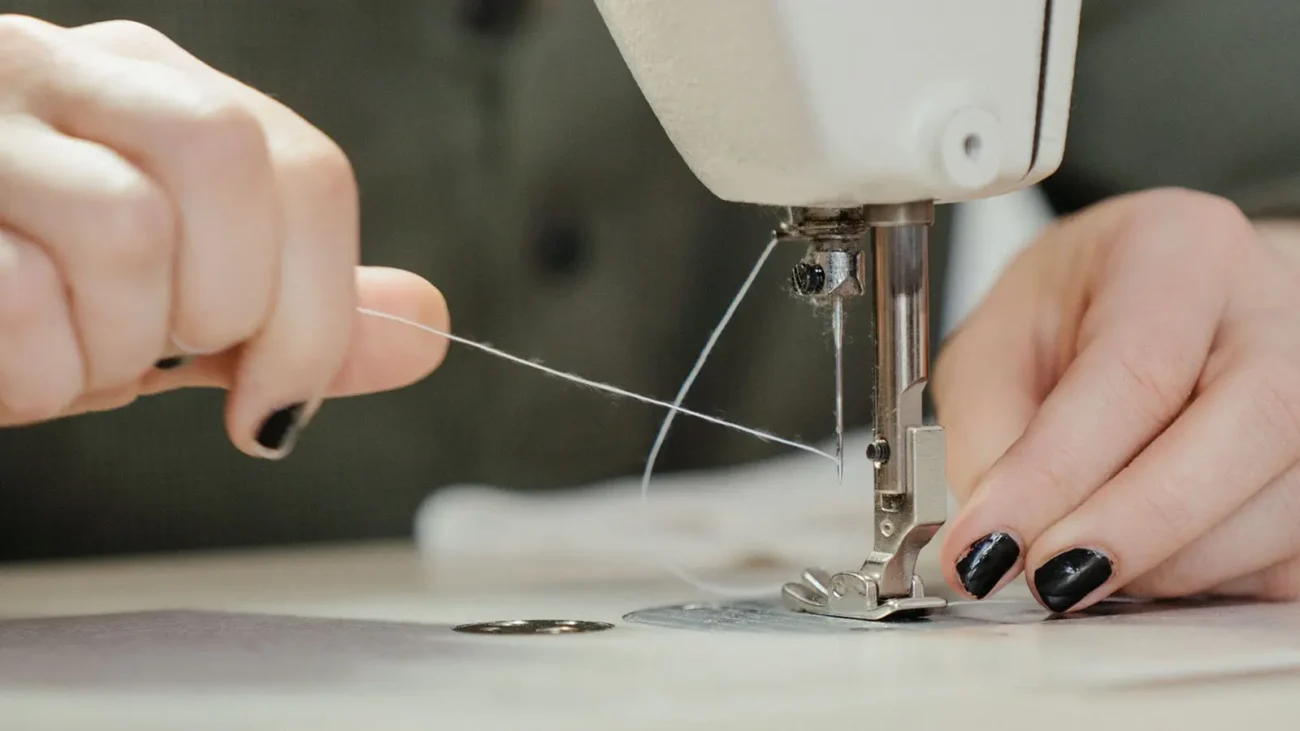
A suitable manufacturer should have experience producing baby products.
Brands should ask about:
A manufacturer familiar with baby products can provide more practical solutions during development.
Private label projects require flexibility.
Brands should confirm whether a supplier can support:
A factory that only produces standard items may not be suitable for a brand looking to build a unique collection.
Baby clothing requires careful attention to safety.
Brands should consider:
For companies selling children’s products in the United States, the Consumer Product Safety Commission (CPSC) provides guidance related to children’s product safety.
For European markets, brands should also understand chemical regulations such as ECHA REACH requirements.
International manufacturing depends heavily on communication.
A good supplier should provide:
Many successful brands develop long-term relationships with manufacturers because cooperation becomes more efficient over time.
The manufacturer gradually understands:
Price is an important consideration, but it should not be the only factor.
Very low-cost suppliers may create problems with:
A reliable manufacturing partner provides value through better development support and stable production.
Some new brands focus only on finding a factory that can produce garments.
However, product development is often where the biggest challenges happen.
A factory with technical experience can help improve:
Baby products require careful evaluation before entering the market.
Brands should consider:
Skipping these steps can create problems after products reach customers.
The baby apparel industry continues to evolve.
Brands are increasingly looking for products that combine safety, function, and responsible production.
Sustainability has become an important consideration for many baby brands.
More companies are exploring:
Consumers increasingly want products that align with their values.
Many new companies do not want to invest in large quantities immediately.
Flexible manufacturing allows brands to:
This approach reduces risk during early growth stages.
Customization continues to grow because brands want products that are difficult to copy.
A unique product line helps companies build:
China Baby Clothing Factory (CBCF) provides private label, OEM, and ODM baby clothing manufacturing solutions for international brands.
CBCF supports companies with:
As an experienced China baby clothing factory, CBCF helps brands move from initial concepts to production-ready collections.
Brands can learn more about CBCF experience and manufacturing capabilities through the company background.
For additional industry information, brands can explore baby clothing manufacturing insights.
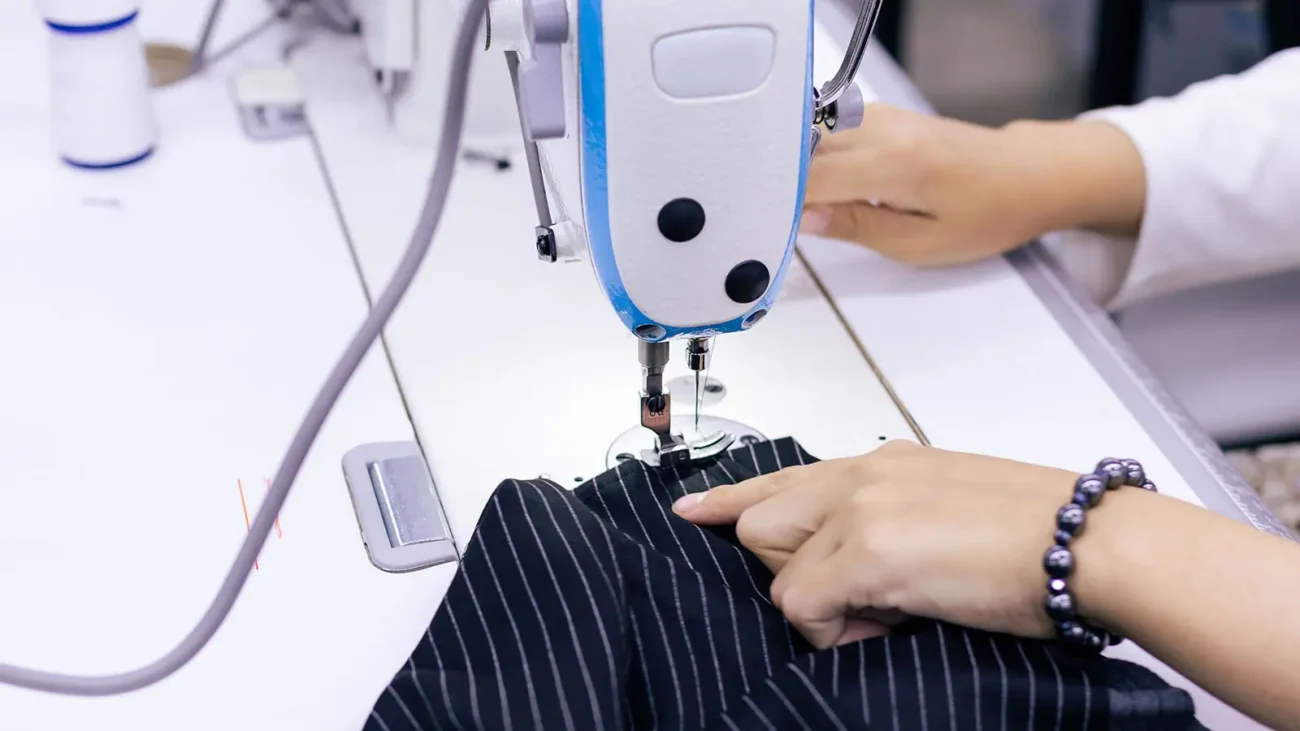
The cost depends on product categories, materials, customization requirements, and production quantities.
Brands usually need to consider:
Brands should evaluate:
A suitable supplier should provide more than production capacity.
Private label focuses on creating products under a brand identity.
OEM focuses on manufacturing according to brand-provided specifications.
ODM provides additional development support.
Yes.
Many factories support emerging brands through flexible production, customization, and development services.
Building a Private Label Baby Clothing Brand requires more than finding a supplier that can make garments.
Successful brands need manufacturing partners that understand:
Working with an experienced China baby clothing factory allows brands to create unique collections while reducing production challenges.
The right private label baby clothing manufacturer becomes more than a supplier. It becomes a long-term partner that helps transform ideas into reliable baby apparel products customers trust.

 scan wechat qrcode