20% Off for New Inquiries – Today Only!
20% Off for New Inquiries – Today Only!
Many baby brands focus on design first.
They spend time choosing colors, creating collections, studying customer preferences, and building their brand identity.
However, one issue often appears later during product development:
Are the selected materials suitable for baby clothing and the target market requirements?
Many companies only start checking certifications after fabrics have already been selected or samples have already been developed. At that stage, changing materials can increase development costs and delay production schedules.
For baby apparel, fabric safety is not only a technical requirement. It is also closely connected with customer trust.
Parents expect baby products to be comfortable, safe, and carefully manufactured. A brand that cannot clearly explain its material choices may face challenges when building long-term customer confidence.
This is why OEKO-TEX Baby Clothing certification has become an important topic for many international baby brands.
For companies developing private label collections, choosing a China baby clothing factory with experience in certified materials, fabric sourcing, and quality management can make the development process much smoother.
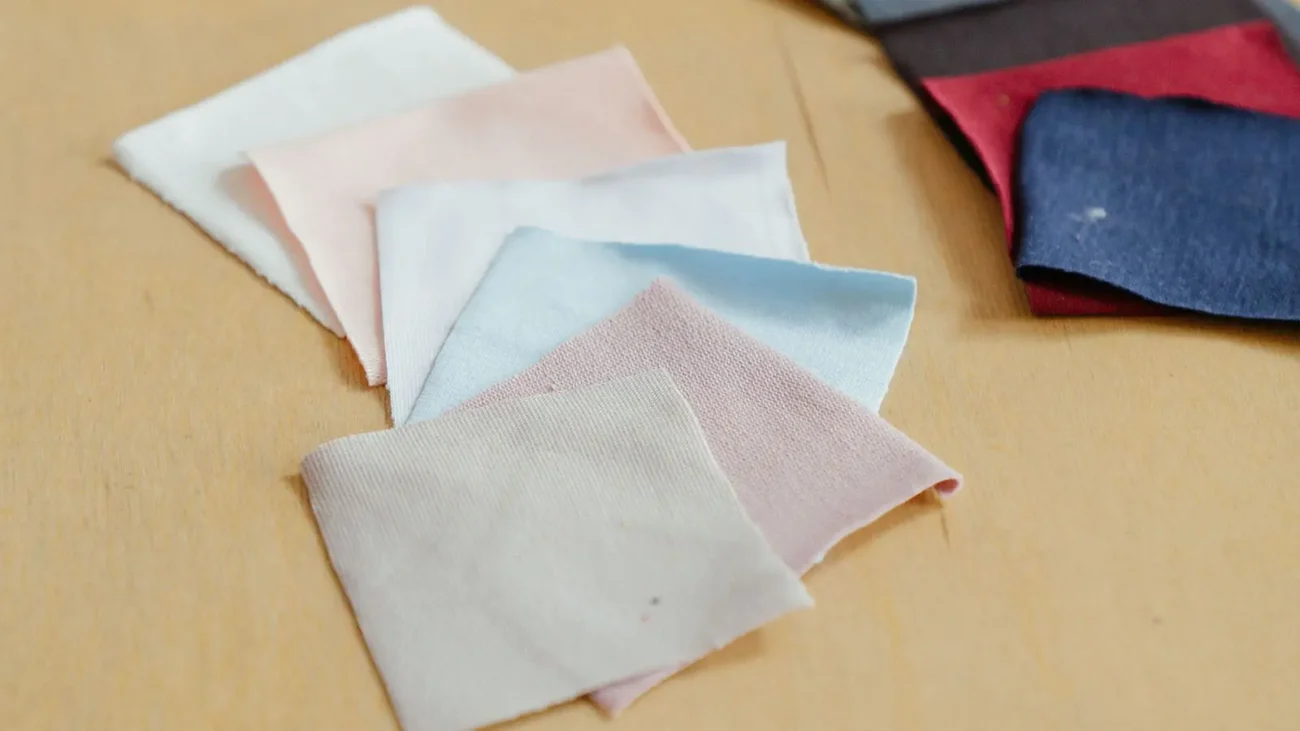
Baby clothing has higher expectations than many other apparel categories.
A regular garment and a baby garment may look similar, but the production considerations are different.
Baby apparel requires attention to:
A small issue in fabric selection can affect the final product.
For example, a fabric may feel soft during initial inspection but perform differently after washing or repeated use.
Experienced manufacturers usually evaluate these details during development instead of waiting until mass production.
The baby clothing market has changed significantly.
In the past, many buyers mainly focused on:
Today, more brands and retailers are paying attention to:
This change is especially visible among premium baby brands and online retailers.
Customers increasingly want to understand where products come from and whether the materials meet recognized standards.
For a growing Private Label Baby Clothing Brand, demonstrating responsible material selection can become part of the brand value.
Baby skin is more sensitive than adult skin.
Because baby clothing is worn close to the body for extended periods, parents often care about:
This does not mean customers expect every parent to understand textile chemistry.
Instead, they expect brands to make responsible decisions on their behalf.
A professional baby clothing manufacturer understands that material selection is not only about appearance or cost.
It also affects:
OEKO-TEX Baby Clothing refers to baby apparel produced using textiles that have been tested according to OEKO-TEX standards.
The OEKO-TEX system evaluates textiles and related products for substances that may be harmful to human health.
According to OEKO-TEX Standard 100 certification, certified products are tested based on strict textile safety criteria.
For baby brands, this certification provides additional confidence when selecting materials and working with manufacturing partners.
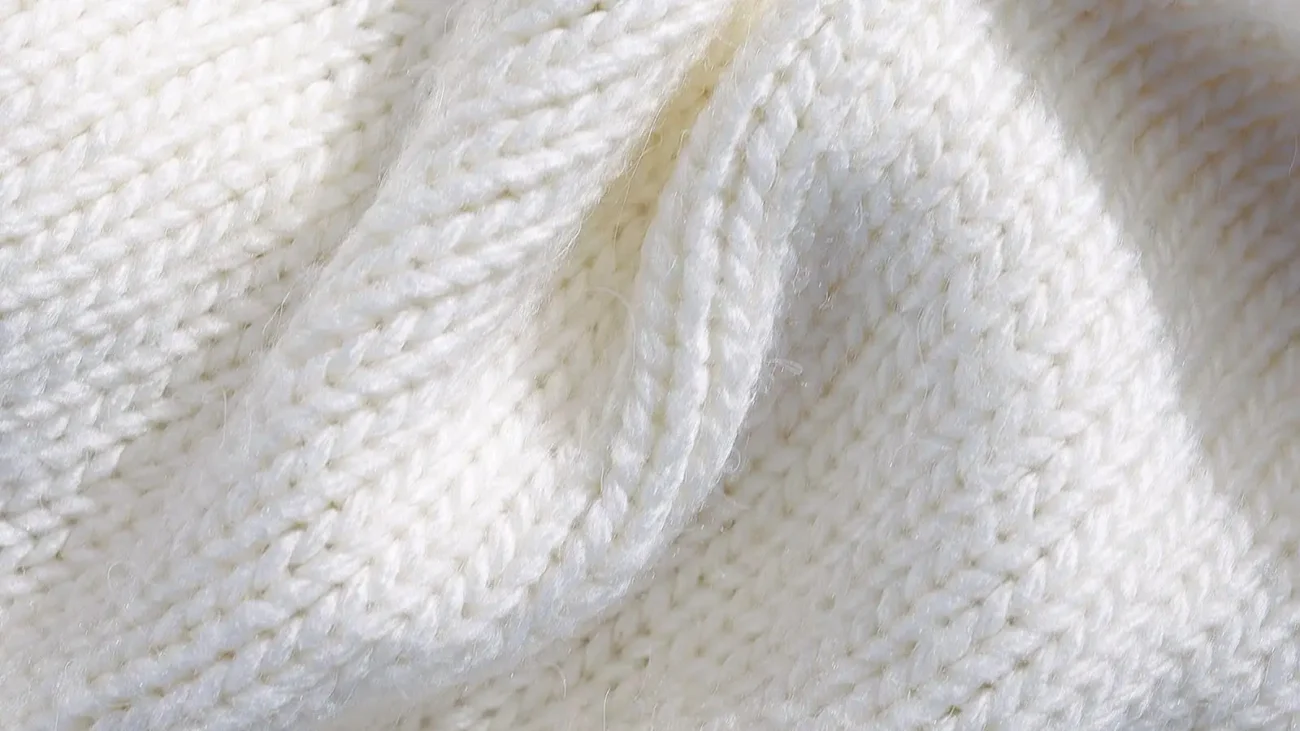
OEKO-TEX Standard 100 is one of the most recognized textile safety certifications worldwide.
It focuses on testing finished textiles and materials for potentially harmful substances.
Depending on the product category, testing may include:
Baby products usually fall into the strictest product class because they have direct and frequent contact with sensitive skin.
Many brands misunderstand what certification means.
OEKO-TEX does not judge whether a product is fashionable, durable, or well-designed.
Instead, it focuses on textile safety.
During development, manufacturers and buyers usually pay attention to:
For example, when a brand develops baby bodysuits, sleepwear, or newborn essentials, the fabric selection stage becomes critical.
The goal is not simply choosing a soft fabric.
The goal is choosing a material that performs well throughout production and customer use.
One common misunderstanding is that OEKO-TEX automatically means a product is organic.
This is incorrect.
OEKO-TEX focuses on harmful substance testing.
Organic certifications evaluate different aspects of fiber production and processing.
For example:
A brand may choose:
The correct choice depends on the brand position and customer expectations.
Many production problems happen because certification requirements are considered too late.
A brand may already have:
Then they discover that the selected fabric does not match their target requirements.
At this point, changing materials may require:
Experienced buyers usually discuss material requirements with suppliers before sampling begins.
This approach reduces unnecessary adjustments later.
Certification is not only about the fabric itself.
It also provides insight into how a manufacturer manages materials and production.
When evaluating suppliers, experienced buyers usually look beyond price.
They consider:
A factory that understands textile requirements can provide better guidance during development.
A garment can look perfect in a product photo but still have manufacturing challenges.
For baby clothing, factories need to consider:
A professional China baby clothing factory does not only produce finished garments.
It also helps solve practical production questions before products enter the market.
Before starting a project, brands usually discuss several questions with suppliers:
These questions are especially important for companies selling in markets with strict product requirements.
A capable baby clothing manufacturer should be able to explain the material sourcing process clearly.
Before starting production, brands should communicate their material requirements clearly.
A common mistake among new companies is assuming that a supplier automatically understands every certification requirement.
In reality, different markets and customers may have different expectations.
A professional private label baby clothing manufacturer usually discusses these details during the early development stage.
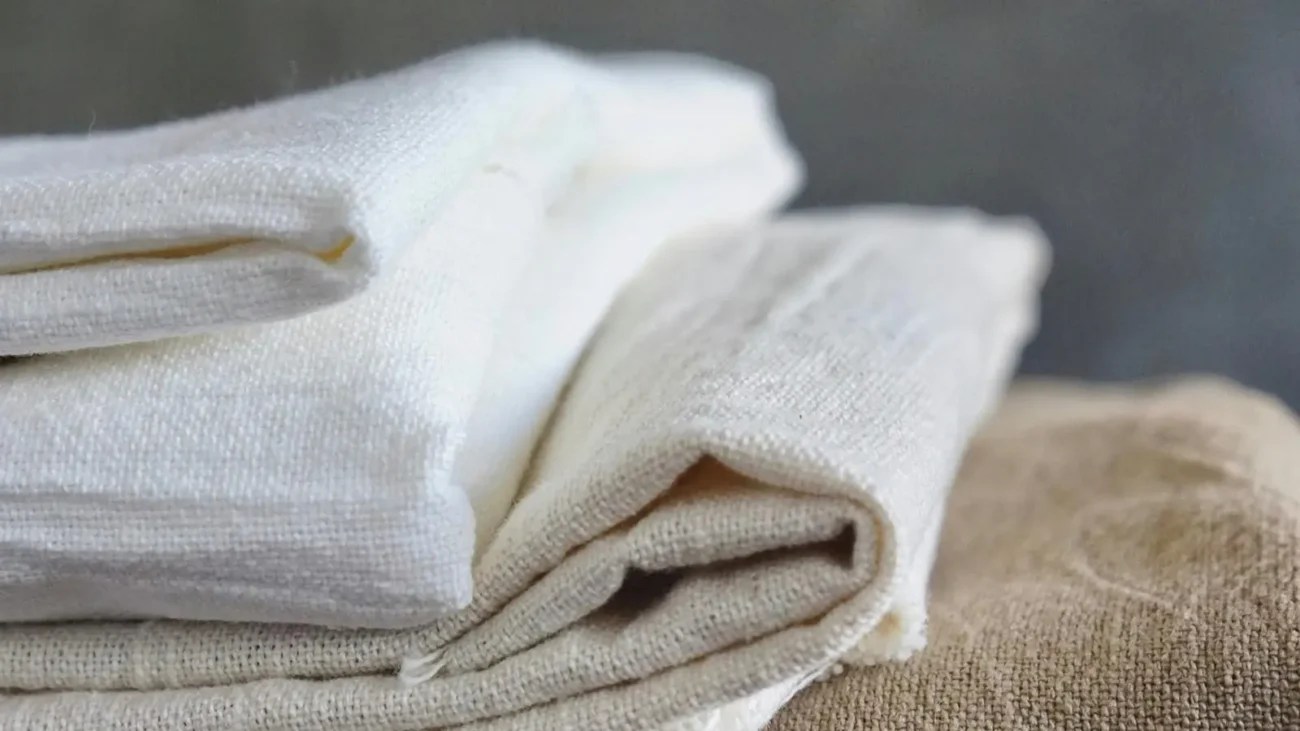
The first question is whether the selected fabric has valid certification documents.
Brands should confirm:
This is especially important when developing products in different colors or materials.
For example, a brand may approve a cotton fabric in one color, but later add several new colors.
The certification status should be checked for the actual production materials.
OEKO-TEX certification applies to specific tested materials or products.
It does not automatically cover every item produced by a factory.
During product development, brands usually confirm:
Clear communication helps prevent problems before bulk production.
Certification is only one part of product quality.
A complete quality process also includes:
A manufacturer with strong quality management understands that baby products require consistent standards from fabric selection to final shipment.
Developing certified baby apparel involves several important stages.
The certification requirement should be considered from the beginning, not added after production is completed.
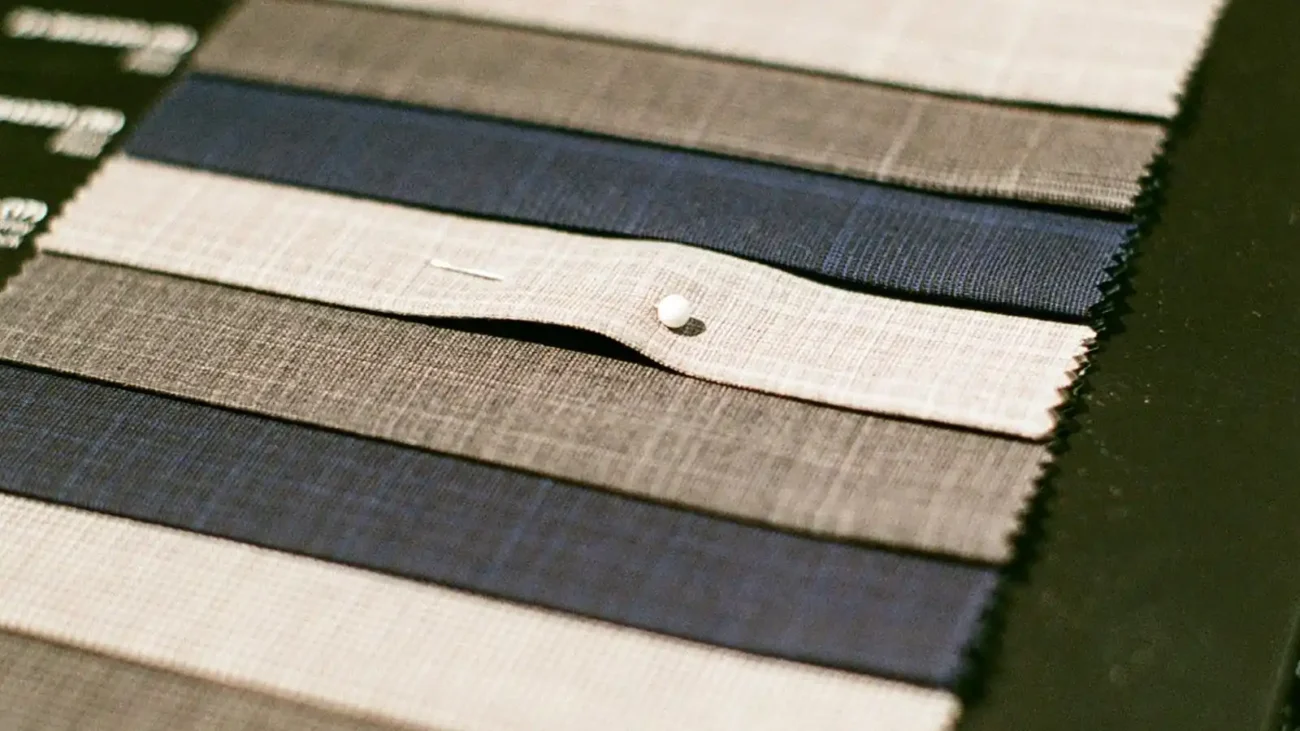
Fabric selection is one of the first decisions in OEKO-TEX Baby Clothing development.
Different baby products have different material requirements.
For example:
Usually require:
Often requires:
May require:
A knowledgeable baby clothing manufacturer can recommend suitable materials based on the product purpose.
Common baby apparel fabrics include:
Samples are where many manufacturing problems are discovered.
A fabric may look suitable during discussion, but the sample stage shows how it performs in a real product.
During sampling, brands usually review:
A professional custom baby clothing manufacturer can provide suggestions based on production experience.
For brands developing unique collections, custom baby clothing manufacturing solutions can help turn product ideas into production-ready designs.
After sample approval, production moves into bulk manufacturing.
At this stage, quality control focuses on consistency.
Important checks include:
For baby products, small differences between samples and bulk production can affect customer satisfaction.
Experienced factories usually monitor these details throughout manufacturing.
Before shipment, finished products should be inspected.
Typical checks include:
This final step helps brands maintain consistent quality when products reach customers.
One of the most common misunderstandings is connecting OEKO-TEX directly with organic production.
These are different concepts.
OEKO-TEX focuses on textile safety testing.
Organic certifications focus on how fibers are grown and processed.
A brand may choose materials based on its own positioning:
Certification provides useful information, but it does not replace factory experience.
A certificate alone cannot solve issues related to:
A successful Private Label Baby Clothing Brand still needs a manufacturing partner that understands the complete production process.
Choosing the right factory is one of the most important decisions for international baby brands.
A suitable partner should understand both production requirements and market expectations.
An experienced China baby clothing factory usually has established relationships with textile suppliers.
This allows brands to access:
Instead of selecting materials only from online catalogs, brands can receive practical advice based on actual manufacturing experience.
Baby clothing development requires cooperation between design, materials, and production teams.
A capable OEM ODM baby clothing manufacturer can support brands with:
This is especially valuable for companies that have strong branding ideas but limited manufacturing experience.
China Baby Clothing Factory (CBCF) works with international brands to develop baby apparel collections through private label, OEM, and ODM manufacturing services.
CBCF supports brands with:
As a professional China baby clothing factory, CBCF understands that international baby brands need more than production capacity.
They also need support with:
Brands can learn more about CBCF manufacturing experience through the company background.
For additional industry information, brands can explore baby clothing manufacturing insights.
Related manufacturing resources:
OEKO-TEX is widely used by textile suppliers and apparel brands as a reference for evaluating textile safety.
For baby clothing, certification can provide additional confidence when selecting materials.
No.
OEKO-TEX focuses on harmful substance testing, while organic certifications focus on organic fiber production standards.
A product can be OEKO-TEX certified without being organic.
Brands should request certification documents from suppliers and confirm that the certificate applies to the selected materials.
It is also useful to confirm:
Many experienced factories can work with certified fabric suppliers and provide related documentation during product development.
The available options depend on the selected materials and production requirements.
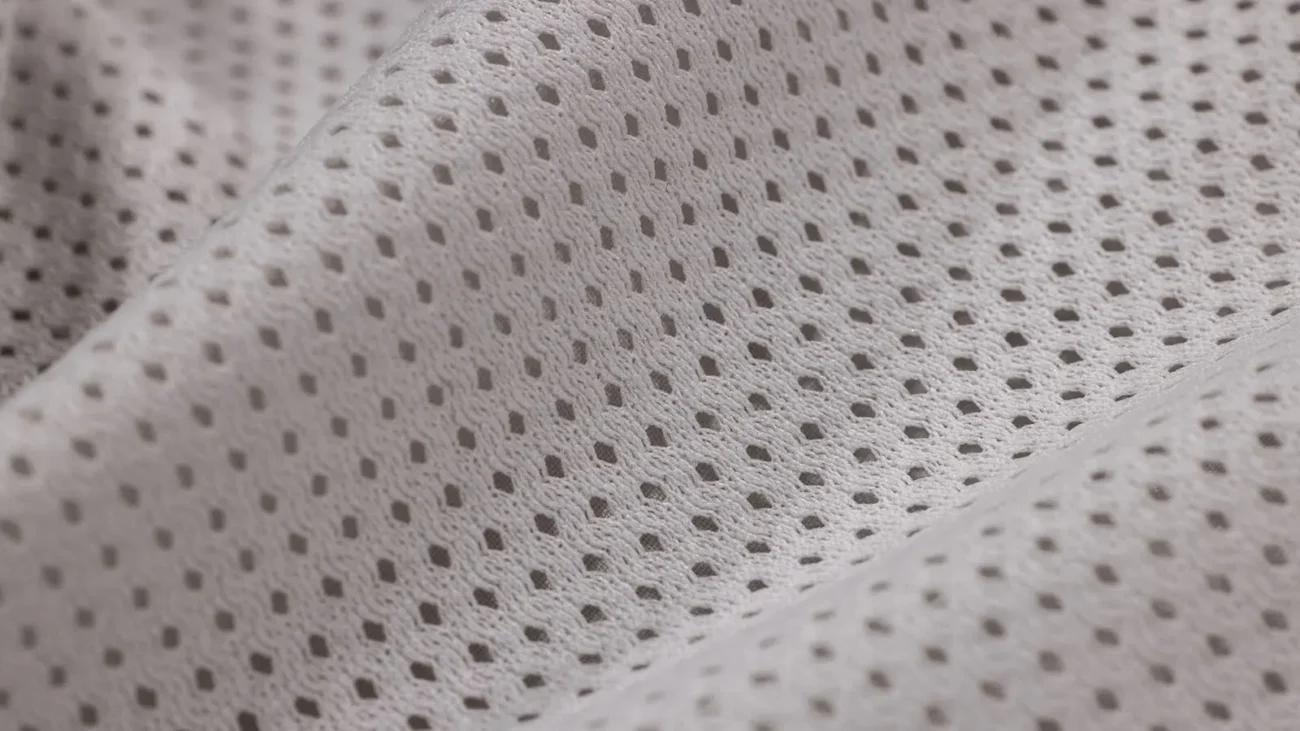
For baby brands, product safety starts before the first garment is produced.
Material selection, certification requirements, and manufacturing experience all influence the final product quality.
OEKO-TEX Baby Clothing certification gives brands a useful reference when evaluating textile safety, but it works best together with responsible manufacturing practices.
A factory that understands fabrics, production processes, and international market expectations can help brands avoid unnecessary problems during development.
For companies building a Private Label Baby Clothing Brand, choosing an experienced China baby clothing factory means having a partner that can support not only production, but also better product decisions from the beginning.

 scan wechat qrcode