20% Off for New Inquiries – Today Only!
20% Off for New Inquiries – Today Only!
Many baby brands start with a clear product idea — a new romper collection, organic cotton essentials, seasonal babywear, or a unique private label concept.
The difficult part begins when the design needs to become a product that can be manufactured consistently.
Turning an idea into finished baby clothing requires decisions about fabrics, construction methods, sizing, production processes, and quality standards.
This is where OEM Baby Clothing Manufacturing becomes important.
For growing brands, OEM production is not simply asking a factory to make garments. It is a cooperation process where the manufacturer helps transform designs into production-ready products.
An experienced OEM baby clothing manufacturer can support brands with material selection, sample development, production planning, and quality management.
Before starting production, brands should understand how OEM manufacturing works and what factors influence the final result.
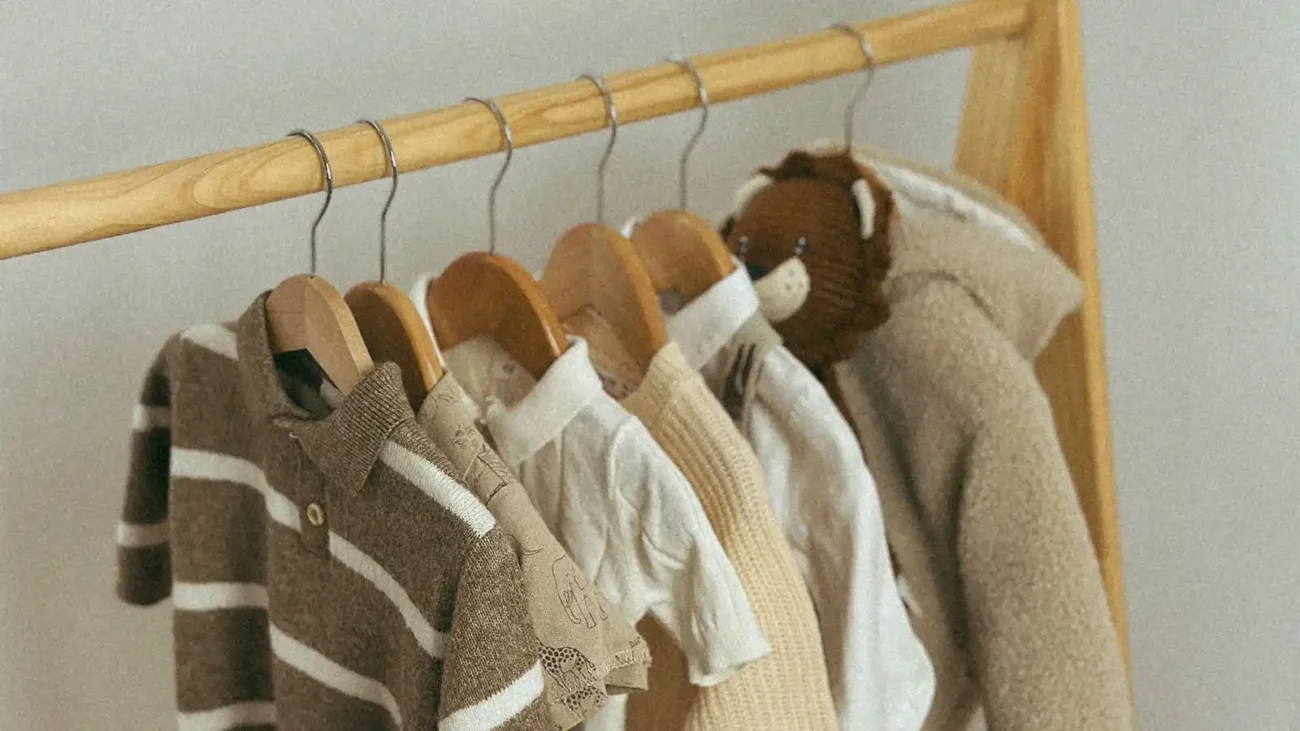
The baby apparel market has changed significantly.
Many new brands are no longer competing only on price. They are building collections based on:
This creates higher expectations for manufacturing partners.
A factory is no longer only responsible for sewing garments. Brands increasingly need suppliers that understand product development and can provide practical production suggestions.
For international companies, working with an experienced baby clothing manufacturer China supplier can simplify development and reduce unnecessary production risks.
In traditional garment production, buyers may select existing products and place orders.
OEM production requires deeper cooperation.
The brand usually provides:
The manufacturer then helps transform these requirements into a production plan.
The process may include:
A successful OEM project depends on communication between the brand and manufacturing team.
Many production problems begin before the first piece enters the sewing line.
A design may look complete, but manufacturers need to evaluate whether it can be produced efficiently and consistently.
Before sampling begins, factories usually review:
A complete tech pack helps both sides understand the product requirements.
However, even detailed specifications may need adjustments after the manufacturer reviews actual production conditions.
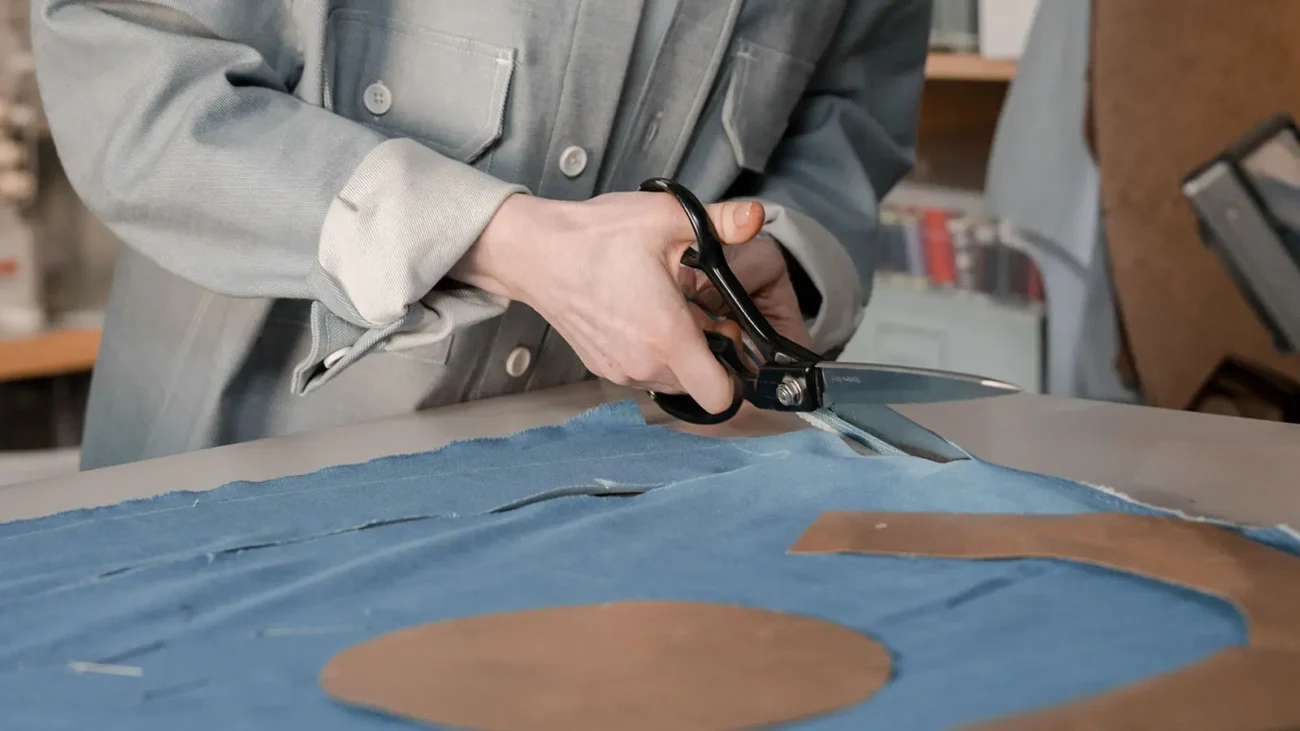
A factory with baby apparel experience can identify potential problems earlier.
For example:
A neckline design may affect comfort when dressing.
A fabric with excellent softness may shrink after washing.
A decorative element may increase production difficulty.
These details are usually discovered during product development, not after the order has been completed.
Experienced OEM Baby Clothing Manufacturing partners help brands balance creative ideas with production reality.
For baby products, fabric selection is one of the most important decisions.
Parents usually pay attention to:
The wrong fabric choice can affect customer experience even if the design looks attractive.
Common materials used in baby clothing include:
Different products require different fabric solutions.
For example:
A baby bodysuit may need softness and stretch.
A baby blanket may focus more on comfort and warmth.
Training pants require different considerations such as absorbency and durability.
A professional custom baby clothing manufacturer can help brands select materials based on product requirements and market positioning.
For textile safety standards, brands can refer to OEKO-TEX.
For organic textile certification information, brands can review Global Organic Textile Standard (GOTS).
There is no single material that works for every baby product.
The right choice depends on:
Experienced manufacturers understand how fabrics behave during cutting, sewing, washing, and long-term use.
Sampling is one of the most important stages in OEM Baby Clothing Manufacturing.
A sample is not only a product preview.
It is a test of whether the design can move successfully into bulk production.
A typical development process may include:
During this stage, brands can evaluate:
A well-developed sample reduces risks during mass production.
Many problems are discovered during sampling, including:
Fixing these issues before bulk production is much easier than correcting thousands of finished garments.
A capable OEM baby clothing manufacturer understands that sample improvements are a normal part of product development.
Many overseas production problems are not caused by manufacturing ability.
They happen because information is unclear.
During production, brands and factories need to confirm:
Small misunderstandings can create significant delays.
For example:
A different interpretation of measurements can affect the entire size range.
A packaging mistake can delay shipment.
An unapproved material change can affect product consistency.
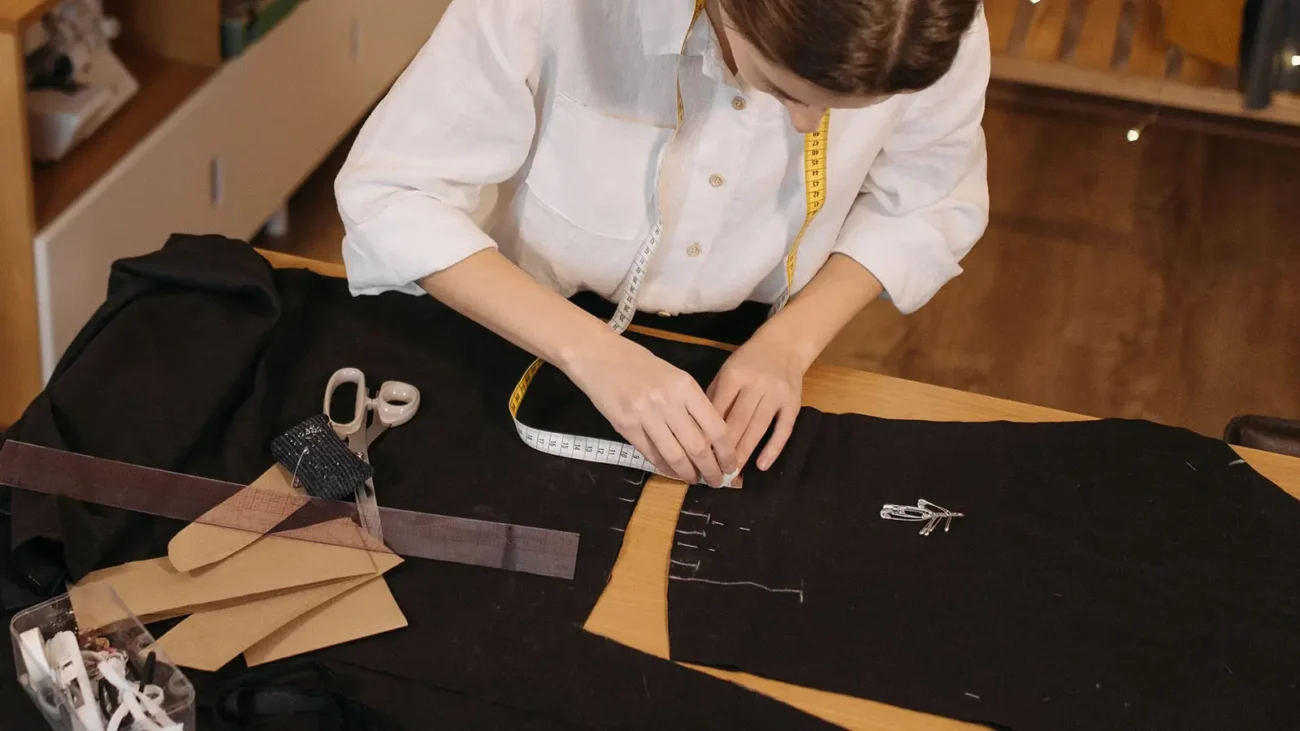
A professional China baby clothing factory usually maintains communication throughout production.
Important stages include:
For international brands, communication quality is often as important as manufacturing capability.
Quality control is not only checking products after production is finished.
Strong manufacturing systems focus on preventing problems earlier.
A complete quality process may include:
Inline inspection helps identify problems during production.
Examples:
Final inspection confirms that finished products meet agreed requirements before shipment.
For baby clothing, consistency is especially important because customers expect every product in a collection to perform the same way.
Not every brand starts with large production quantities.
Many successful baby brands begin by testing:
A flexible private label baby clothing supplier should understand different business stages.
Early-stage brands may need:
Growing brands may require:
A supplier that understands different growth stages can become a long-term manufacturing partner.
Before investing heavily, many brands test products in the market.
This helps evaluate:
Flexible production planning allows brands to reduce inventory risks.
Baby clothing requires careful attention to safety requirements.
Different markets may have different regulations.
Brands should consider:
A supplier experienced with international markets understands that compliance needs to be considered before production begins.
Before production, brands should confirm:
This is especially important for baby products because safety expectations are higher than many other apparel categories.
For children’s product safety information in the United States, brands can refer to the Consumer Product Safety Commission (CPSC).
Choosing a factory requires more than comparing quotations.
The lowest price does not always create the lowest total cost.
Before working with a manufacturer, brands should ask:
These questions help brands understand whether the supplier can support long-term cooperation.
A suitable OEM baby clothing manufacturer should have:
For brands searching for a reliable baby apparel manufacturing partner, production knowledge is often more valuable than simply having large production capacity.
For international brands, choosing the right manufacturing partner can reduce development challenges and improve production efficiency.
China Baby Clothing Factory (CBCF) supports baby apparel brands with OEM manufacturing, private label projects, and custom product development.
Through custom baby clothing manufacturing services, brands can develop products with support in sampling, materials, and production.
Brands can also explore CBCF manufacturing insights to learn more about baby apparel production.
For broader apparel manufacturing requirements, Clothing Factory X provides additional garment production solutions.
Brands expanding beyond baby products can also explore China Kids Wear Factory for children’s apparel manufacturing.
OEM baby clothing manufacturing allows brands to create customized baby apparel products with support from a manufacturing partner.
The process usually includes product development, material selection, sampling, production, and quality control.
OEM focuses on customized production based on brand requirements.
Private label focuses on selling products under a brand’s own identity.
Many brands combine both approaches when developing their collections.
Yes.
Many manufacturers support growing brands through sampling, product development, and flexible production options.
Production time depends on product complexity, materials, sampling requirements, and order quantity.
Simple products usually require less development time than highly customized collections.
Successful OEM Baby Clothing Manufacturing is not simply about finding a factory that can produce garments.
The process involves product development, material selection, sampling, communication, quality control, and production planning.
For global baby brands, an experienced OEM baby clothing manufacturer can help turn product ideas into reliable collections.
Choosing the right manufacturing partner is not only about production capacity.
It is about finding a supplier that understands baby products, supports brand growth, and maintains consistent quality over time.

 scan wechat qrcode